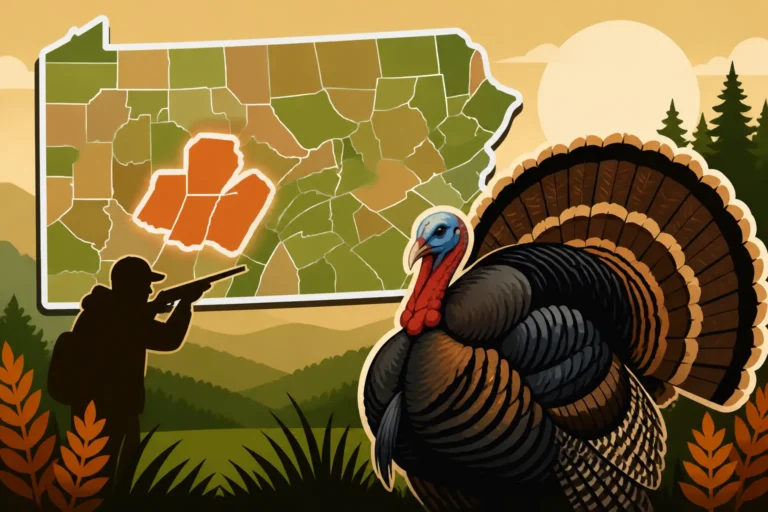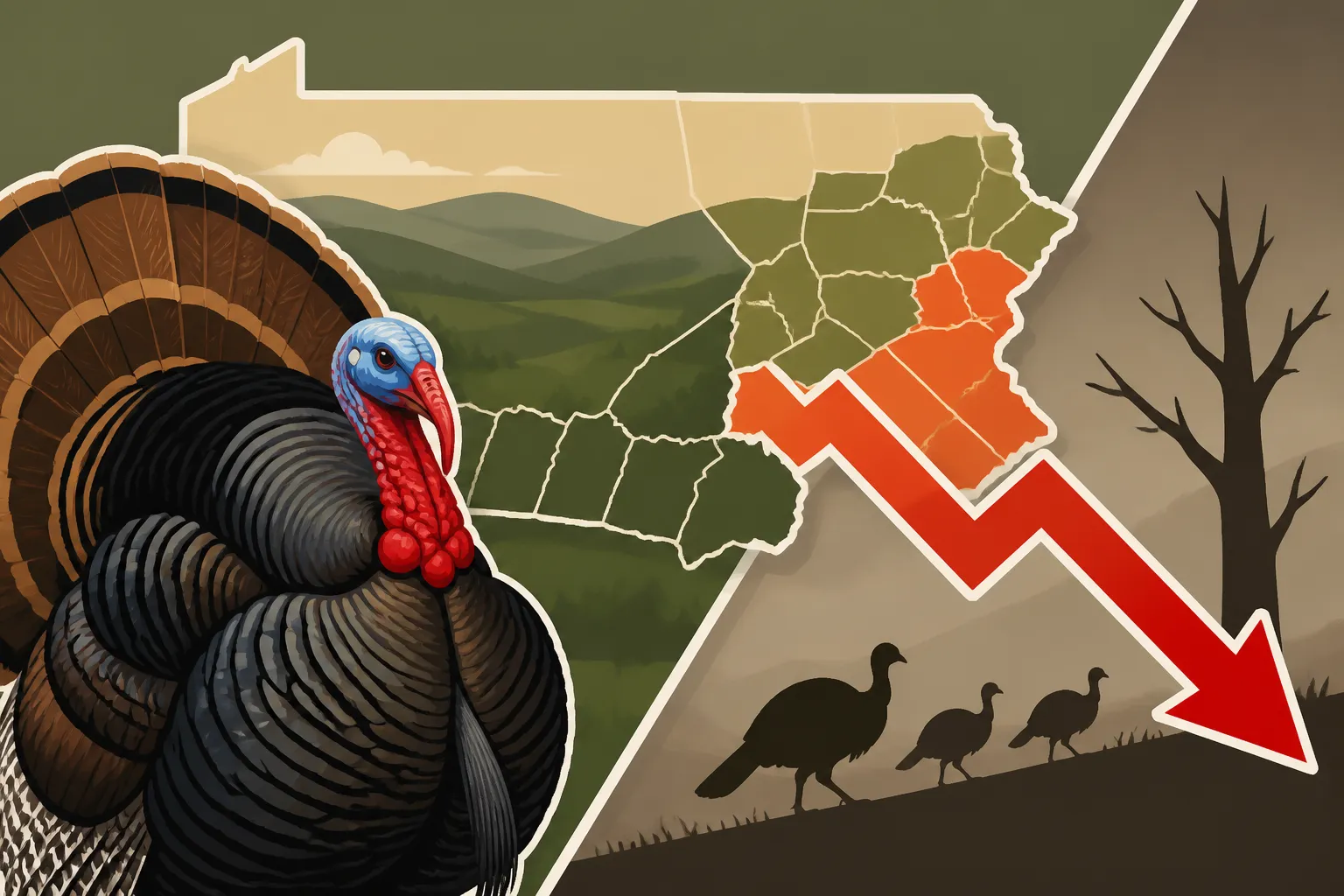
Which WMUs Have Declining Turkey Numbers
It's tough to hear the familiar gobble less often, and many Pennsylvania turkey hunters have noticed a change over the years – a quietness in some of their favorite spring woods and fall fields. This guide is dedicated to shedding light on the specific Wildlife Management Units (WMUs) in Pennsylvania where turkey numbers have seen a noticeable decline, and what factors are contributing to this trend so you can better understand the landscape you're hunting.
Understanding Pennsylvania's Turkey Population Trends
Pennsylvania has a rich history with wild turkeys, once nearly extirpated and then making a remarkable comeback. However, in recent decades, many hunters and wildlife enthusiasts have expressed concern, as the birds that once seemed to be everywhere are now harder to locate in certain areas. It's a bittersweet reality that even as overall hunting opportunities remain strong in the state, localized dips in population can be frustrating and disheartening.
The Big Picture: A Statewide View
While Pennsylvania still boasts a robust wild turkey population, it’s fair to say that the days of turkeys around every corner might be shifting in certain regions. The overall trend across the Commonwealth has shown a general plateauing or, in some areas, a decline from peak numbers seen in the early 2000s. This isn't unique to Pennsylvania; many states in the eastern US have observed similar patterns. We're talking about a complex interplay of factors, from habitat changes and increased predation pressure to shifts in weather patterns during critical nesting and brooding periods. It's not usually one single culprit but a mosaic of challenges that adds up over time, gradually impacting the birds we cherish. You might be seeing fewer birds, and that's not just your imagination.
Poult-to-Hen Ratios and What They Mean
One of the most crucial metrics wildlife biologists use to gauge the health and future prospects of a turkey population is the poult-to-hen ratio. Simply put, this number tells us how many young turkeys (poults) are surviving and being raised by each adult hen. A healthy, stable or increasing turkey population generally needs a poult-to-hen ratio that ensures enough young birds are recruited into the population to replace older birds that naturally die off. When this ratio dips too low, consistently, for several years, it's a red flag. It indicates that hens aren't successfully nesting or raising their broods, which means fewer jakes and hens will be available for future seasons. It's the engine of population growth, and when that engine sputters, we see the ripple effect in fewer birds overall. This data gives us a much clearer picture than just harvest numbers alone, revealing the reproductive success crucial for future flocks. You can learn more about these trends in Pennsylvania Turkey Brood Survey Results.
How the Game Commission Tracks Numbers
The Pennsylvania Game Commission (PGC) diligently monitors wild turkey populations through various methods. One primary way is through annual brood surveys, where citizen scientists and PGC staff report sightings of hens and their broods during the summer months. This data is invaluable for calculating those all-important poult-to-hen ratios mentioned earlier. Beyond that, mandatory harvest reporting by hunters provides crucial data on the number of birds taken during spring and fall seasons, offering insights into harvest success and overall population size. These reports, combined with band returns from birds trapped and released, help biologists understand survival rates, movement patterns, and other vital statistics. It's a massive undertaking, but it's how they keep their finger on the pulse of the turkey population. The PGC also collects information from hunter-submitted surveys, which, while anecdotal, can provide valuable real-world observations from those of us spending the most time in the woods. These combined efforts create a comprehensive picture of Pennsylvania Turkey Population Trends.
Identifying WMUs with Noteworthy Declines
While it can feel like turkeys are declining everywhere you hunt, the truth is that the impact isn't uniform across the state. Certain WMUs, due to a combination of environmental pressures, habitat changes, and sometimes even localized hunting pressure, show more pronounced and consistent downward trends than others. Understanding these geographical patterns can help hunters adjust their expectations and strategies, and also inform broader conservation discussions.
Geographic Patterns of Decline
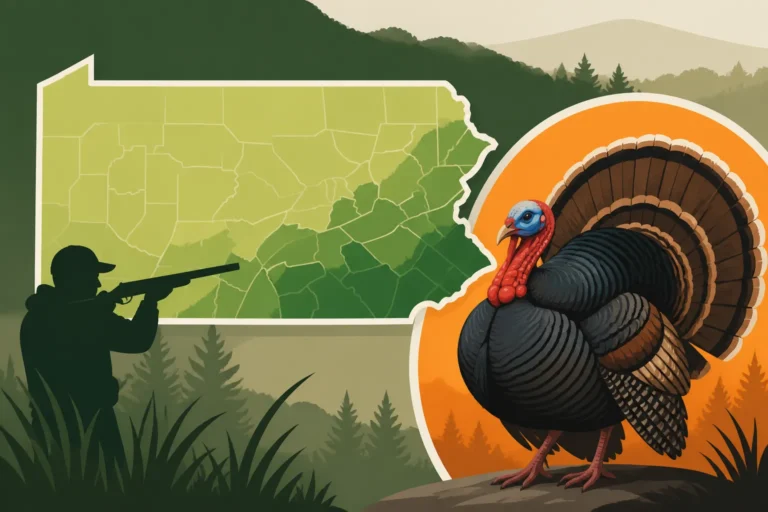
Generally speaking, some of the most consistent declines in turkey numbers tend to be observed in WMUs that are experiencing significant habitat fragmentation, increased human population density, or more intensive agricultural practices that reduce vital nesting and brooding cover. This often means parts of the southeastern and southcentral WMUs, like WMU 5C, 5D, 5B, and even some parts of 4A and 4B in the Ridge and Valley, have experienced more noticeable dips. These areas might be seeing more development creeping into former turkey range, or the existing agricultural lands might not be providing the diverse cover and food sources needed for robust turkey populations.
In these regions, turkeys often rely on smaller, more isolated woodlots and field edges, which makes them more vulnerable to predation and disturbance. The large, contiguous forest blocks found in the northern tier and central mountains tend to buffer turkey populations better from these pressures, even if they aren't completely immune. It’s a classic story of changing landscapes directly impacting wildlife.
Specific WMUs with Documented Struggles
When we look at the data, several WMUs consistently appear on the list for showing concerning declines in turkey populations, whether through lower poult-to-hen ratios or sustained lower harvest numbers. While specific figures can fluctuate year to year, the long-term trends have indicated challenges in areas such as:
- WMU 5C: Located in the southeastern part of the state, this WMU faces immense development pressure. Housing developments and infrastructure continue to fragment forests and wetlands, displacing turkey populations and reducing available habitat for nesting and roosting. The scattered pockets of turkeys that remain are often isolated, making them more susceptible to local disturbances and predation.
- WMU 5B: Another southcentral WMU, 5B, also deals with significant agricultural and suburban sprawl. While it still holds some decent turkey ground, the quality and quantity of habitat for successful turkey reproduction have diminished. This WMU often shows lower poult-to-hen ratios, indicating that hens are struggling to raise their young effectively.
- WMU 4A: This WMU in the southwestern part of the state has seen fluctuating numbers, but generally, it's been on a downward trend from its historical highs. While still offering good hunting, the pressures of land use change, including increased gas exploration and mining activities, can impact the availability of secure nesting cover and foraging areas.
- WMU 4B: Similar to 4A, this central-south WMU has also experienced declines. It’s a mix of agriculture and forested ridges, and the fragmentation of these habitats makes it harder for turkeys to thrive. Predation can be a significant factor here, especially where small woodlots border open fields, creating easy travel corridors for opportunistic predators.
It's important to remember that "declining" doesn't mean "gone." These WMUs still have turkeys, and a dedicated hunter can certainly find success. However, the density might be lower, and you might need to work harder, focusing on the remaining prime habitat. For a contrasting view, you can check out Which WMUs Have Increasing Turkey Numbers.
Impact of Habitat and Development
The most overwhelming factor contributing to localized turkey declines is undoubtedly habitat loss and degradation. Turkeys need specific types of habitat to thrive throughout their life cycle. For nesting, they prefer dense, low-growing cover that offers concealment from predators. For brooding, poults need areas with abundant insects (their primary food source) and overhead cover to protect them from avian predators. Adult birds need diverse forests for roosting and foraging, especially during fall when mast crops are crucial.
When development sprawls, it carves up these essential habitats. A once-contiguous forest becomes a patchwork of small woodlots separated by roads, houses, or shopping centers. This fragmentation not only reduces the sheer amount of habitat but also increases edge effects, making turkeys more vulnerable to predators and human disturbance. Imagine a hen trying to raise a brood next to a busy road or where her nesting cover is now easily accessible by a coyote. It's a tough row to hoe.
Even in agricultural areas, changes in farming practices can negatively impact turkeys. The removal of hedgerows, fence rows, and riparian buffers reduces vital nesting and travel corridors. Clean farming, while efficient for crops, leaves little cover for wildlife. These habitat changes are often irreversible and present the biggest long-term challenge for turkey populations in these WMUs. Using mapping tools like GoHunt can be invaluable for identifying these habitat changes, allowing you to visualize areas of development versus intact forest or prime agricultural edges. Satellite imagery and habitat layers available on platforms like GoHunt can reveal how much quality turkey habitat remains in a specific WMU.
Factors Contributing to Turkey Declines
The health of a turkey population is a delicate balance, and when that balance is upset, even subtly, it can lead to noticeable declines. Beyond habitat, several other environmental and biological factors play a significant role in determining how many gobblers you'll hear in the spring or how many flocks you'll spot in the fall.
Predation Pressure
It's a fact of nature: turkeys are prey animals, and Pennsylvania has a healthy population of predators. Coyotes, foxes, raccoons, bobcats, and even black bears all pose a threat to turkeys, particularly during the nesting and brooding phases. Raccoons are notorious nest predators, raiding nests for eggs, while coyotes and foxes target adult hens on the nest or young poults.
In WMUs where habitat is fragmented, turkeys often have fewer places to hide and escape predation effectively. When a woodlot is small and surrounded by open land, a predator can more easily locate a nesting hen or a vulnerable brood. While predation is a natural part of the ecosystem, an increase in predator populations or a decrease in secure turkey habitat can tip the scales, leading to higher rates of nest failure and poult mortality. This becomes especially pronounced if successive years see poor hatches due to other factors, making each successful nest even more critical. Understanding Nest Predation and Turkey Hatches helps explain a lot of these challenges.
Weather and Reproductive Success
Ah, the weather! It's the one thing hunters can never control, but it has a massive impact on turkey populations. Cold, wet springs are particularly detrimental to poult survival. Young turkeys are incredibly susceptible to hypothermia, and prolonged periods of cold rain can wipe out entire broods. Poults can quickly become chilled and die if they can't get dry and warm, especially if their primary food source (insects) isn't active due to the bad weather.
A series of bad nesting seasons, marked by inclement weather during hatching and early brooding, can have a cumulative effect, leading to a noticeable drop in overall turkey numbers a year or two down the line. We might not even realize the full impact until we're in the woods the following spring, wondering where all the birds went. Conversely, warm, dry springs can lead to boom years for turkey populations, as poult survival skyrockets. This is why Poult-to-Hen Ratios and What They Mean are so important; they directly reflect how well turkeys navigated the weather challenges of the previous nesting season.
Disease and Other Wildlife Impacts
While not as widespread or devastating as Chronic Wasting Disease (CWD) in deer, turkeys can also be affected by various diseases and parasites. Blackhead disease, for example, is a parasitic disease that can impact turkeys, particularly those in close proximity to domestic poultry or areas with high concentrations of other ground-dwelling birds. Avian pox is another viral disease that can cause lesions on turkeys, though it's typically not a major mortality factor.
Beyond disease, other wildlife impacts can play a role. Competition for food resources, especially during harsh winters, can subtly affect turkey survival rates, though turkeys are generally quite adaptable foragers. The overarching theme is that any factor that increases stress on the population, whether it's disease, harsh weather, or habitat fragmentation, can cumulatively contribute to declines, making the population less resilient to other challenges.
What Hunters Can Do and Look For
It's easy to get discouraged when you hear about declining turkey numbers in your favorite WMU, but it's not a reason to throw in the towel. As hunters, we can adapt our strategies, become more effective in the field, and even contribute to conservation efforts that help these magnificent birds thrive. Every little bit helps, and understanding these shifts can make you a more thoughtful and successful hunter.
Scouting for Success in Challenged WMUs
When hunting WMUs with lower turkey densities, your scouting efforts become even more critical. You can't just expect to set up anywhere and hear a gobbler. Instead, you need to become a detective, seeking out those pockets of prime habitat where turkeys are most likely to concentrate. Look for:
- Diverse Habitat: Focus on areas that offer a mosaic of mature hardwoods for roosting, dense understory for nesting and escape cover, and open areas (fields, clearings, logging roads) for feeding and strutting. Turkeys thrive on edge habitat, so look for where these different cover types meet.
- Food Sources: In the spring, look for areas with abundant insects (especially after a rain) and early green-ups. In the fall, focus on hard mast (acorns, beechnuts) and soft mast (grapes, wild berries), along with agricultural fields, particularly cut corn.
- Water Sources: Turkeys need water, so nearby creeks, springs, or ponds can be indicators of good turkey habitat.
- Less Pressured Areas: Turkeys in declining WMUs are often more wary. Seek out areas that are harder to access, further from roads, or require more effort to reach. These hidden gems might hold the birds that have learned to avoid human contact. Mapping tools like GoHunt are incredibly useful here, as they allow you to pore over topographical maps and satellite imagery to identify these microhabitats and potential travel routes. GoHunt can also help you identify remote corners of public land or smaller private tracts that might not see as much pressure. This detailed insight can make all the difference when numbers are down.
For more specific strategies, consider Fall Turkey Tactics in the Big Woods or Turkey Tactics for Farm Country Edges, depending on your WMU's dominant landscape.
Understanding Harvest Regulations
Harvest regulations are designed to manage wildlife populations, and they often reflect the current status of game animals in specific areas. The Pennsylvania Game Commission adjusts seasons, bag limits, and shooting hours based on biological data, including those poult-to-hen ratios and harvest trends.
It's absolutely crucial to stay up-to-date on the specific regulations for the WMU you plan to hunt. For instance, if a WMU has shown a consistent decline in turkey numbers, the PGC might shorten the fall season, reduce the bag limit, or even close the fall season entirely in certain areas to allow populations to recover. While these changes can sometimes be frustrating for hunters, they are implemented with the long-term health of the turkey population in mind. Before you head afield, always double-check the current regulations for your chosen WMU, as they can change annually. This is part of responsible hunting and ensures we're all doing our part to manage the resource. Knowing your WMU's specific rules is as important as carrying your shotgun, so review the Pennsylvania Spring Gobbler Rules or Pennsylvania Fall Turkey Seasons by WMU.
Supporting Conservation Efforts
As hunters, we are often the first to notice changes in wildlife populations, and we have a vital role to play in conservation. If you're concerned about declining turkey numbers in your area, there are several ways you can actively contribute:
- Participate in Surveys: If the PGC conducts voluntary surveys (like summer brood surveys), participate! Your observations from the field provide invaluable real-world data that complements their scientific studies.
- Report Sightings: Report any unusual turkey behavior, sick birds, or significant changes in sightings to the PGC. Every piece of information helps them track potential issues.
- Support Conservation Organizations: Organizations like the National Wild Turkey Federation (NWTF) or local sportsman's clubs often fund and implement habitat improvement projects that directly benefit turkeys. These projects can include prescribed burns, creating early successional habitat, and planting beneficial food sources. Your membership or donation can make a tangible difference on the ground.
- Habitat Management on Private Land: If you own private land, consider implementing turkey-friendly habitat management practices, such as creating nesting cover, maintaining food plots, or preserving mature forest for roosting. Even small-scale efforts can provide critical sanctuary.
By staying engaged and proactive, we can all contribute to the health and future of Pennsylvania's wild turkey population, ensuring that future generations can enjoy the thrill of a gobbler echoing through the spring woods. And don't forget the importance of Pennsylvania Turkey Tagging and Reporting every bird you harvest; that data is essential for management.
Here's a quick comparison of general turkey population characteristics between WMUs experiencing declines versus those that are more stable:
| Characteristic | WMUs with Declining Turkey Numbers | WMUs with Stable/Increasing Turkey Numbers |
|---|---|---|
| Habitat Type | Fragmented forests, high development/agriculture | Large, contiguous forest blocks, diverse ecosystems |
| Poult-to-Hen Ratios | Consistently lower | Generally higher or stable |
| Nesting Cover | Limited, exposed, or easily disturbed | Abundant, dense, secure |
| Brooding Habitat | Scarce insects, minimal overhead cover | Rich in insects, varied cover for protection |
| Predation Impact | Higher due to fragmentation and ease of access | Lower due to ample escape cover and less human disturbance |
| Hunting Pressure | Can be moderate to high in accessible areas | Varies, but often includes remote, less pressured zones |
| Long-Term Trend | Gradual decrease in observed birds and harvest success | Consistent populations, good reproductive output |
Disclaimer
This article is for general informational purposes only and does not constitute professional advice. Laws, prices and regulations vary by location and change over time. Consult a qualified professional for guidance on your specific situation.