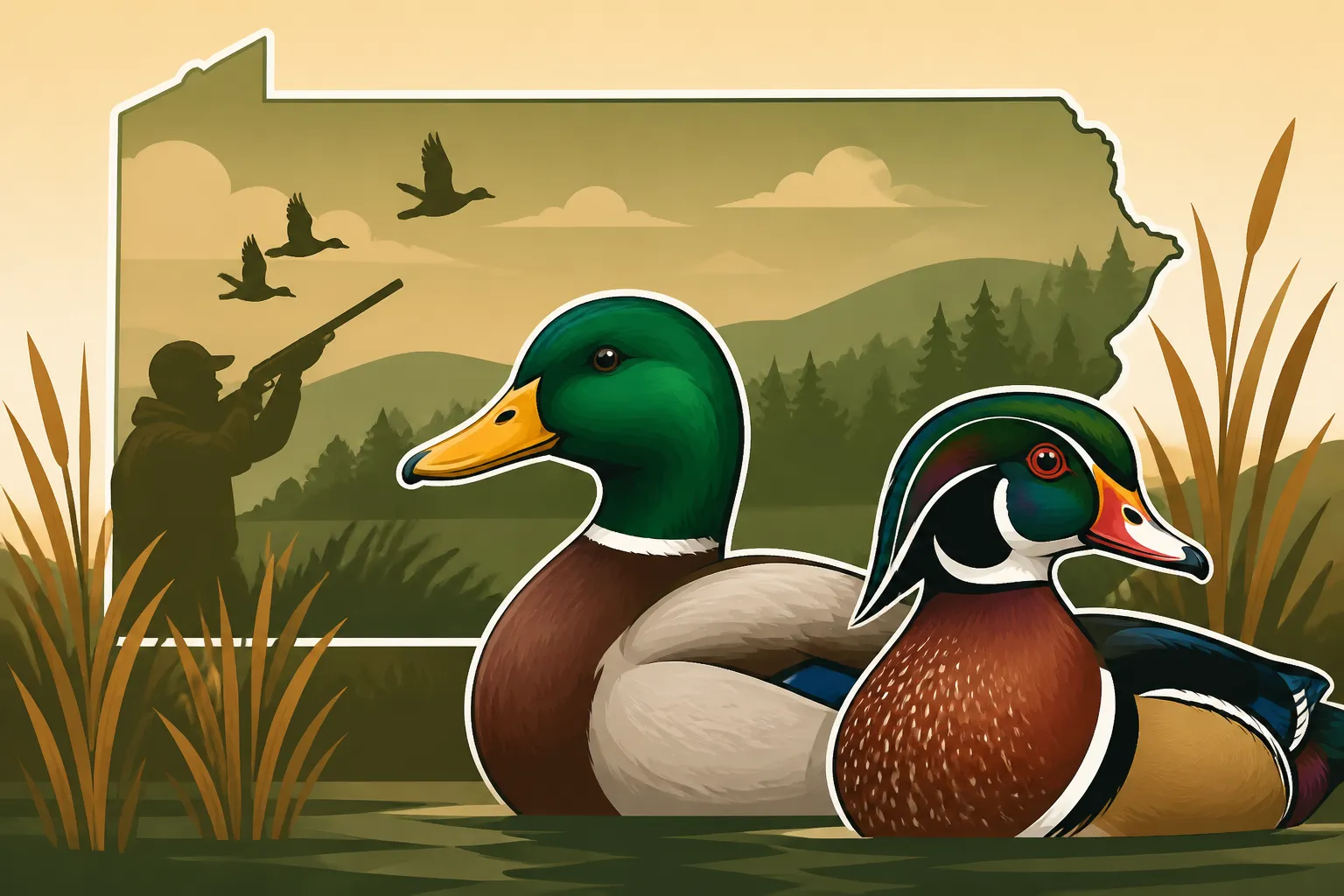
Pennsylvania Mallard and Wood Duck Numbers
It can be incredibly frustrating to head out to your favorite marsh or river bend, full of anticipation for a good day of duck hunting, only to find the waters eerily quiet. Many hunters wonder what's going on with the waterfowl populations from year to year, especially for popular species like mallards and wood ducks. This guide will dive deep into what shapes the numbers of these iconic birds in Pennsylvania, helping you understand their movements and giving you insights into where to find them and why.
Understanding Pennsylvania's Duck Populations
For many of us who cherish those crisp mornings in the duck blind, the perceived ebb and flow of waterfowl numbers is a constant topic of conversation. One year might seem fantastic, with ducks everywhere, while the next leaves us scratching our heads. It’s not just anecdotal; actual population dynamics are at play, influenced by a complex web of factors that span local breeding success to continental migration patterns.
Why Tracking Duck Numbers Matters to Hunters
When you spend countless hours scouting, setting decoys, and enduring cold, wet conditions, you want to know your efforts have a reasonable chance of success. Understanding the general trends in duck populations, particularly for species like mallards and wood ducks, directly impacts your hunting strategy and expectations. If local breeding numbers are down due to a tough spring, you might focus more on migratory birds later in the season. Conversely, a strong local hatch means more opportunities close to home early on. It helps us appreciate the resource, too. Seeing robust numbers instills confidence in conservation efforts, while a noticeable decline can spark concern and a renewed focus on habitat protection. It’s about more than just filling a strap; it's about connecting with the natural world and being a responsible steward of our wildlife. For those serious about their planning, tools like GoHunt might offer insights into historical data or regional trends, helping you make more informed decisions about where and when to focus your efforts.
The Role of Migration and Breeding in Local Numbers
Pennsylvania's duck numbers are a fascinating blend of local residents and transient visitors. We have ducks that breed, nest, and raise their young right here in our state, adding to the local population base. These are our "homegrown" birds. Then, as fall progresses, we see a massive influx of migratory ducks traveling down the Pennsylvania Waterfowl on the Atlantic Flyway from Canada and the northern states, using our waterways and wetlands as critical stopover points on their journey south. The proportion of resident versus migratory birds can vary significantly by species and even by different regions within Pennsylvania. For instance, some mallards are true residents, while others are passing through. Wood ducks, on the other hand, are largely migratory, but a significant portion also breeds right here before heading south for winter. This dual nature means that the duck numbers you observe can fluctuate dramatically, not just season to season, but week to week, especially during the peak of migration.
Challenges in Estimating Duck Populations
Counting ducks, especially across an entire state with diverse and often remote habitats, is no easy feat. It's not like counting deer in a field. Ducks move, they hide in dense cover, and many of their preferred habitats are inaccessible. Wildlife biologists rely on a combination of aerial surveys, banding data, and hunter harvest reports to piece together an estimate of population trends. However, these methods all have their limitations. Aerial surveys are expensive and can be affected by weather or the ducks' behavior. Banding provides invaluable data on survival and migration, but capturing and banding enough birds is labor-intensive. Hunter harvest data, while crucial for understanding success rates and localized pressure, doesn't give a direct count of the overall population. All of these factors mean that while we can track trends and make educated guesses, getting an exact, real-time number for every mallard and wood duck in Pennsylvania is simply not feasible.
A Closer Look at Mallards in Pennsylvania
The mallard, with its distinctive green head and loud quack, is arguably the most recognized duck in North America, and certainly a favorite among Pennsylvania hunters. Their adaptability is truly remarkable, allowing them to thrive in a wide range of habitats, from pristine wild marshes to urban park ponds. This adaptability, however, also complicates our understanding of their numbers, as it means different populations might be experiencing different pressures and trends.
Resident vs. Migratory Mallards: A Blended Picture
In Pennsylvania, the mallard population is a complex mix of birds that call our state home year-round and those that are merely passing through. Our resident mallards establish breeding territories in the spring, nest in various wetland and upland cover types, and raise their broods in local ponds, streams, and marshes. These birds often become quite savvy to local hunting pressure and can be a challenging quarry. As autumn progresses, their numbers are bolstered by migratory mallards that begin to arrive from the northern breeding grounds, often pushed south by colder weather and freezing water further north. These migratory birds can offer fantastic hunting opportunities, especially in larger wetlands and agricultural areas. The proportion of resident versus migratory birds can shift depending on the severity of the winter up north and local habitat conditions. This blend means that even if local breeding success was modest, a strong migration could still lead to a banner hunting season, making it crucial to understand Pennsylvania Duck Zone Boundaries and the general timing of these movements.
Habitat Preferences and Food Sources for Mallards
Mallards are truly opportunistic, which is a big part of their success. While they absolutely thrive in classic wetland habitats like marshes, swamps, and along the quiet backwaters of major rivers, they're also very comfortable in agricultural landscapes. You'll often find them dabbling in flooded timber, loafing on farm ponds, or feeding in harvested cornfields. Their diet is incredibly varied; they're dabblers, meaning they feed by tipping up their tails and sifting through shallow water for seeds, aquatic vegetation, insects, and small crustaceans. In agricultural areas, waste grain from corn, soybeans, and wheat fields becomes a prime food source, especially as temperatures drop and more natural foods become scarce. This versatility in diet and habitat means that effective mallard hunting in Pennsylvania often involves scouting both natural wetlands and agricultural fields, sometimes even in the same day. Understanding these preferences is key to finding consistent success, whether you're setting up decoys or planning a Duck Hunting Pennsylvania Rivers excursion.
Factors Influencing Mallard Abundance
The numbers of mallards we see year to year are influenced by a multitude of factors, some local and some continent-wide. On the breeding grounds, wetland conditions are paramount; drought can severely impact nesting success, leading to fewer ducklings entering the population. Predation on nests and broods by raccoons, skunks, and foxes also plays a significant role. Locally in Pennsylvania, habitat loss due to development, poor water quality, and the conversion of wetlands to other uses can impact our resident mallards. Hunting pressure is another factor, though regulated seasons and bag limits are designed to ensure sustainable harvest levels. Diseases, though less common, can also lead to localized die-offs. Climate patterns, influencing both breeding habitat far north and wintering conditions further south, also have a broad impact. The interconnectedness of these factors highlights why comprehensive conservation efforts, from wetland restoration to sound agricultural practices, are so vital for maintaining healthy mallard populations.
The Enigmatic Wood Duck in Pennsylvania
While the mallard might be the poster child of duck hunting, the wood duck holds a special place in the hearts of many Pennsylvania hunters. Often described as the most beautiful duck in North America, their striking plumage and preference for flooded timber and secluded backwaters make them a truly unique quarry. Unlike mallards, wood ducks are much more specialized in their habitat needs, which influences their distribution and overall numbers in our state.
Wood Duck Breeding and Brood Rearing in PA
Pennsylvania is a significant breeding ground for wood ducks. Unlike most other duck species that nest on the ground, wood ducks are cavity nesters, relying on natural tree hollows or artificial wood duck boxes, often found over water or in flooded timber. This unique nesting strategy means the availability of suitable nesting sites is a crucial factor in their local breeding success. Hens lay a clutch of around 10-12 eggs, and after hatching, the ducklings literally jump from the nest cavity to the water or ground below, sometimes from considerable heights! The hen then guides her brood to areas with dense cover and abundant insect life, which is critical for the growth and survival of the young birds. Successful brood rearing depends heavily on wetland conditions, with ample food and protective cover from predators. Many hunters contribute to these efforts by putting up and maintaining wood duck boxes, a direct way to support local populations.
Preferred Wood Duck Habitats and Cover
Wood ducks have a distinct preference for wooded wetlands, beaver ponds, and the calm, slow-moving sections of small creeks and rivers that are bordered by mature timber. They particularly favor areas with overhanging branches, downed trees, and emergent vegetation that offer both cover from predators and a rich food supply. Unlike mallards, you'll rarely find wood ducks loafing in open fields. Their diet consists primarily of acorns, seeds from aquatic plants, berries, and insects. Acorns, especially from pin oaks or other species growing in or near flooded areas, are a highly prized food source in the fall. When you're scouting for wood ducks, you're essentially looking for these specific types of "hooded" waters – places where the canopy provides shade and protection, and where fallen timber creates ideal resting and feeding spots. Identifying these prime locations can dramatically increase your chances of success when planning to Jump Shooting Small Creeks or setting up in secluded backwaters.
Conservation Efforts and Their Impact on Wood Ducks
The story of the wood duck is a true conservation success story, and Pennsylvania has played a role in that. A century ago, their numbers were severely depleted due to habitat loss and unregulated hunting. However, sustained efforts, primarily focused on habitat restoration and the widespread deployment of wood duck nesting boxes, have allowed their populations to rebound dramatically. Today, wood ducks are a common sight in appropriate habitats across the state. Organizations and individual hunters continually contribute by building, placing, and maintaining wood duck boxes, providing essential nesting sites where natural cavities might be scarce. Wetland preservation and creation also play a massive role, ensuring there are safe, food-rich environments for broods to grow. The continued health of Pennsylvania's wood duck population is a testament to what dedicated conservation, supported by hunters and non-hunters alike, can achieve.
Scouting and Hunting Strategies Based on Duck Numbers
Understanding the nuances of mallard and wood duck numbers isn't just academic; it's a practical skill that directly translates into more successful and enjoyable hunts. While you won't get an exact daily count, knowing the general trends and the factors influencing populations helps you make smart decisions in the field. Effective scouting is about more than just finding birds; it's about understanding why they're there, what they're doing, and how their presence might change.
Reading the Landscape for Productive Duck Spots
Becoming a successful duck hunter in Pennsylvania means learning to interpret the landscape through a duck's eyes. This involves identifying key habitat features that mallards and wood ducks need: food, water, and cover. For mallards, this could mean scouting flooded cornfields near a river, or checking larger marsh systems for loafing areas. For wood ducks, you'll want to focus on smaller, more secluded bodies of water, like beaver ponds, wooded creeks, or oxbows with plenty of mature timber and woody debris. Look for fresh sign: droppings on logs, feathers, or disturbed mud along water edges. GoHunt or similar mapping applications can be invaluable here, allowing you to identify potential wetland areas, timber stands, and agricultural fields before you even step foot in the woods. Pay close attention to water levels; what was a prime feeding flat one week could be dry the next, or too deep to dabble in. The more you scout, the better you'll become at recognizing these subtle cues and pinpointing where ducks are likely to be.
Timing Your Hunts with Migration Peaks
While resident ducks provide early-season opportunities, the true excitement for many Pennsylvania duck hunters comes with the arrival of migratory birds. The timing of these migrations is heavily dependent on weather patterns to our north. Colder temperatures and freezing water up in Canada and the northern states are what typically push large numbers of ducks south. This means paying attention to regional weather forecasts, not just for your local area, but for hundreds of miles north. A sudden cold snap and snow in Ontario or New York can mean a fresh flight of mallards and black ducks will be moving through Pennsylvania within a few days. For wood ducks, their migration tends to happen a bit earlier, with many birds already moved south by the time severe cold sets in. Being tuned into these weather systems helps you predict when the "new" birds will be showing up, offering the best chances for a productive hunt. Remember to consult Pennsylvania Duck Season Dates by Zone to ensure you're hunting within legal periods for your specific area.
Adaptable Tactics for Varying Duck Abundance
When duck numbers vary, so too should your hunting tactics. On days with fewer birds, you might need to be more aggressive with your calling, or focus on smaller, less obvious spots that other hunters overlook. Sometimes, a simple Jump Shooting Small Creeks approach can be more effective than setting up a large decoy spread. If you're dealing with mostly local, pressured birds, scaling back your decoys, using natural cover more effectively, and being absolutely meticulous about concealment can make a huge difference. When the migration is on and ducks are abundant, you might be able to get away with less calling and fewer decoys, focusing instead on prime feeding or resting areas. Being flexible and observing how ducks are behaving on any given day is paramount. Are they working big water or tucked into small pockets? Are they responding to calls? Are they flying high or low? Your ability to adapt, perhaps using Waterfowl Loads for Pennsylvania Ducks appropriate for varied ranges or making sure your Waders for River Duck Hunting are ready for diverse conditions, will ultimately dictate your success when duck numbers fluctuate. Also, don't forget your Blind Bags and Cold-Weather Gear – comfort allows you to stay focused, no matter the conditions or how many birds are flying.
| Feature / Species | Mallard | Wood Duck |
|---|---|---|
| Primary Habitat | Diverse; marshes, rivers, farm ponds, agricultural fields | Wooded wetlands, beaver ponds, forested creeks, flooded timber |
| Nesting Preference | Ground nests, often in dense vegetation near water | Tree cavities (natural hollows or nesting boxes), often over water |
| Diet | Omnivorous dabbler; seeds, aquatic plants, waste grain, insects | Acorns, seeds, berries, insects |
| Typical Flight Pattern | Strong, direct flight; often in larger groups | Fast, agile, often through timber; smaller groups |
| Vocalizations | Loud "quack" by hens; softer "rab-rab" by drakes | Distinct "wooo-eek" by hens; soft "peet-wheet" by drakes |
| Migration | Both resident and migratory populations in PA; migration peaks later fall | Largely migratory in PA; migration earlier fall |
| Hunting Challenge | Can be wary and decoy-shy, especially resident birds | Elusive in dense cover, quick flight, often found in challenging terrain |
Disclaimer
This article is for general informational purposes only and does not constitute professional advice. Laws, prices and regulations vary by location and change over time. Consult a qualified professional for guidance on your specific situation.