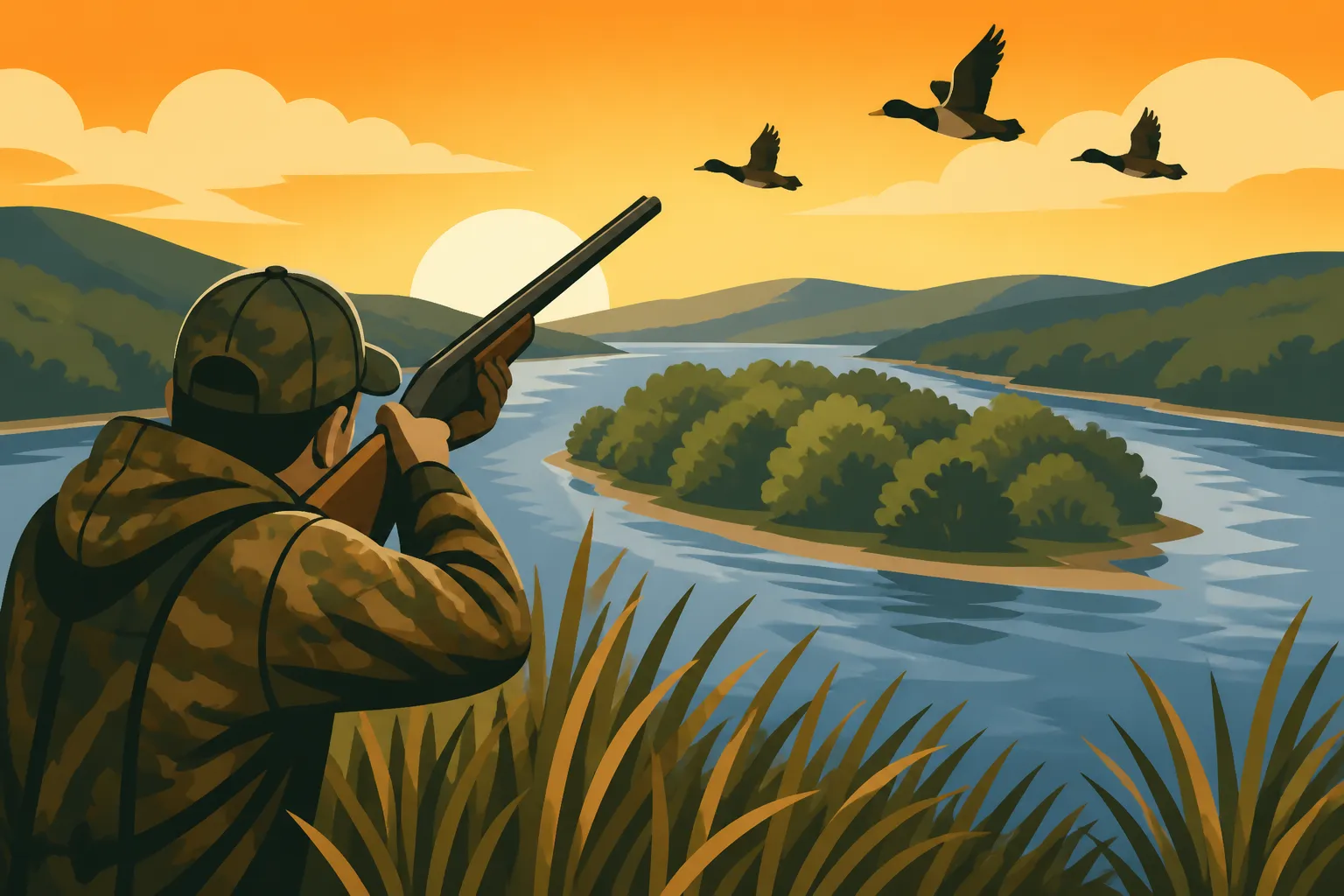
Susquehanna River Island Hunting
For many Pennsylvania hunters, the thought of chasing game often conjures images of vast state forests or sprawling farm fields. But there’s a whole different world out there, right in the middle of our grand rivers: the islands of the Susquehanna. These watery havens offer a unique, challenging, and often rewarding hunting experience, far from the typical public land crowds. This guide will walk you through everything you need to know to safely and successfully hunt these isolated gems.
Understanding the Susquehanna River Islands
The Susquehanna River, particularly its middle and lower sections, is dotted with countless islands, varying in size from mere rock outcrops to substantial landmasses spanning dozens of acres. These aren't just random patches of dirt; many are incredibly fertile, covered in dense vegetation, mature timber, and even old agricultural remnants, providing prime habitat for a surprising array of wildlife.
The Dynamic Nature of River Islands
One of the first things you realize about river islands is their dynamic nature. They are constantly shaped by the ebb and flow of the river, especially during flood events. This means that maps can sometimes be outdated, and what was a solid land bridge or a thick stand of timber last year might be significantly altered this year. Water levels are paramount; a low river can expose sandbars and make access easier, while high water can completely submerge smaller islands or make navigation treacherous.
The vegetation on these islands is often a mix of river birch, sycamore, silver maple, and various brush species. Some larger islands, especially in the wider stretches, might even have remnants of old homesteads or farm fields, now overgrown but still offering unique habitat features. These features can create natural funnels and bedding areas that are distinct from mainland hunting opportunities. It's truly a different world out here, one that demands a keen understanding of river hydrology as much as animal behavior.
Ownership and Regulations
Before you even think about setting foot on an island, you must verify its ownership. The Susquehanna is vast, and its islands fall under a mix of private ownership, state ownership (often Pennsylvania Fish and Boat Commission or Pennsylvania Game Commission lands), and even some federal designations. Hunting regulations depend entirely on who owns the land.
Many islands are privately owned, and like any private land, require explicit permission from the landowner to hunt. Others are part of state game lands or state parks that permit hunting. The Pennsylvania Mapping Center is an invaluable tool for this, as it often delineates public and private land boundaries, including those on river islands. Similarly, mapping apps like onX Hunt are excellent for real-time verification of property lines directly from your phone. Never assume an island is public just because it’s in the middle of a river; trespassing laws apply just as rigorously as they do on dry land. Always do your homework.
Accessing Susquehanna River Islands
Getting to a river island isn't as simple as driving up and walking in. It requires specific equipment, an understanding of river conditions, and a strong emphasis on safety. This is where most hunters either get deterred or make crucial mistakes.
Choosing the Right Watercraft
Your choice of watercraft is critical and depends on the size of the river, the current, the distance to the island, and the amount of gear you need to transport.
| Boat Type | Pros | Cons | Ideal Conditions |
|---|---|---|---|
| Kayak/Canoe | Quiet, maneuverable, light, relatively inexpensive | Limited gear capacity, less stable, prone to current drift, slower | Calm water, shorter distances, solo trips, minimal gear |
| Jon Boat | Stable, good capacity, shallow draft, durable | Heavier, requires motor (gas/electric), can be noisy, less agile | Moderate current, longer distances, multiple hunters, more gear |
| Inflatable | Portable, good capacity for gear | Puncture risk, prone to wind/current, slower to set up | Calm water, close access, portaging required |
| Small Aluminum Skiff | Versatile, stable, good for motors, durable | Heavier than kayaks, can draw more water, requires launching | Varied conditions, heavier loads, longer trips |
For many, a durable Jon boat with a small outboard motor (or even a reliable electric motor if the current isn't too strong) is the most practical choice for carrying gear, multiple hunters, and ensuring stability. Remember to factor in not just your body weight, but also your stand, pack, weapon, and any game you might take out. When considering what you’ll need for a day on the river, think about Waterfowl Gear for Pennsylvania Rivers and how some of those principles of durability and weather-resistance translate to island hunting.
Navigating River Conditions and Hazards
The Susquehanna is a powerful river, and it can be deceptively dangerous. Currents can be strong, especially after heavy rains or during spring runoff. Shallow stretches, submerged rocks, and hidden snags (often called "strainers" or "sweepers" if they're partially submerged trees) pose significant threats to boaters. Always wear a life jacket, even if you’re an experienced swimmer. Carry emergency equipment like ropes, a first-aid kit, a whistle, and a waterproof bag for your electronics.
Before you launch, check local river gauges and weather forecasts. Rapidly rising or falling water can create unpredictable currents or expose new hazards. Fog can roll in quickly, disorienting you. Always tell someone your float plan: where you’re going, when you expect to return, and what vehicle you’re leaving. And never overload your boat; it’s tempting to bring everything but the kitchen sink, but stability is paramount.
Hunting Strategies for River Islands
Once you've safely accessed an island, the hunting strategies shift from those you might use in a sprawling forest. Islands often concentrate game and can act as natural travel corridors or bedding areas, especially for deer and sometimes bear.
Targeting Deer and Small Game
Deer are incredibly adaptable, and river islands offer a unique sanctuary. They provide thick cover, often rich food sources (like acorns from oaks or browse from various saplings), and a natural barrier from human and canine predators on the mainland. Bucks, especially, can use islands as bedding areas during the rut, seeking refuge from hunting pressure. You might find island deer are less pressured than their mainland counterparts, though that's not always a guarantee.
When hunting deer, look for obvious travel corridors, especially those leading to and from prime food sources or bedding thickets. Deer will often use the edges of islands, moving along the bank, so setting up a stand or ground blind on these edges can be effective. Consider how Reading a Pennsylvania Hollow for Deer or Hunting a Bench Above a Creek Bottom might apply on a smaller, flatter scale on an island. You might find similar micro-terrain features that funnel deer movement.
Small game, particularly squirrels and sometimes rabbits, can also be abundant on larger islands with suitable habitat. If an island has a good mix of hardwoods, especially oaks or hickory, you're likely to find squirrels. Squirrel Hunting Pennsylvania Hardwoods tactics can be applied directly here. Some islands might also attract raccoons or other furbearers, offering opportunities for Predator and Furbearer Hunting in Pennsylvania.
Waterfowl and Turkey Opportunities
While the focus might often be on deer, many Susquehanna River islands are fantastic for waterfowl. Ducks and geese often use the calm waters around islands for resting and feeding, especially during migration. Setting up on the downwind side of an island, or on a hidden bank with good cover, can provide excellent jump-shooting or decoy hunting opportunities. Knowledge of Duck Hunting Pennsylvania Rivers is directly transferable here. You'll need to pay close attention to the wind direction to ensure ducks are working towards you rather than skirting the island.
Wild turkeys are less common on smaller, isolated islands, but larger islands with mature timber and open understories can certainly hold them. If you hear a gobbler sounding off from an island during spring season, it can be an exciting challenge. Tactics for Calling a Pennsylvania Gobbler Off the Roost could be particularly effective if you can get into position undetected. However, be mindful of hunting pressure; if an island is easily accessible, it might see more hunters than you expect.
Permits, Regulations, and Safety Considerations
Hunting on Susquehanna River islands comes with its own set of rules and unique safety concerns beyond typical land-based hunting. Ignoring these can lead to serious consequences.
Specific River and Island Regulations
Beyond general Pennsylvania hunting regulations, you need to be aware of specific rules governing the river itself and public islands. The Pennsylvania Fish and Boat Commission (PFBC) regulates boating, fishing, and access on waterways. Ensure your boat is properly registered and equipped with all required safety gear. Also, be aware of any "no wake" zones or restricted areas around bridges or dams.
As mentioned, property boundaries are paramount. If you're on a public island managed by the PGC, all standard game lands rules apply, including those for Treestand Rules on Pennsylvania Game Lands and Ground Blind Rules on Public Land. Pay attention to safety zones around any structures or homes that might be visible from the island, even if they are across the water. Using a detailed mapping tool like onX Hunt or GoHunt can help you avoid these zones and understand the intricacies of land ownership around your chosen island. Some islands may be part of wildlife refuges or specific management areas with their own unique restrictions, so always check the signage and the PGC's website for the exact location you plan to hunt.
Ethical Considerations and River Courtesy
Hunting islands often means you'll be navigating close to other river users – kayakers, fishermen, pleasure boaters. Maintain a respectful distance and always give way to others. Be mindful of shot direction, especially if there are homes visible across the water or other boats on the river. Your actions reflect on the entire hunting community.
It’s also crucial to practice leave-no-trace ethics. Pack out everything you pack in, including spent shell casings, food wrappers, and any trash you might encounter. These islands are often pristine and can be delicate ecosystems. Respect the environment, and it will continue to provide unique hunting experiences for years to come. Thinking about Finding Ground Others Walk Past sometimes means finding places that require a bit more effort to reach, and with that effort comes the responsibility to leave them better than you found them.
Emergency Preparedness
Being on a river island means you are inherently more exposed to the elements and isolated from immediate help. Hypothermia is a real risk, even in moderate temperatures, if you or your gear get wet. Always bring extra layers of clothing, ideally wool or synthetics that retain warmth when wet. A waterproof bag for your phone, keys, and any emergency communication device is non-negotiable.
Consider carrying a personal locator beacon (PLB) or satellite messenger if you plan to hunt truly remote islands with no cell service. A basic survival kit, including fire-starting materials, a knife, and emergency food, should always be in your pack. The river can change in an instant, and being prepared for an unexpected overnight stay or a navigation emergency can literally save your life. When contemplating Cold Weather Sitting Strategy remember that on an island, the wind off the water can make things feel much colder than the forecast suggests.
Hunting the islands of the Susquehanna River is an adventure unlike any other in Pennsylvania. It demands preparation, respect for the environment, and a healthy dose of courage, but the rewards—a unique hunting experience, less pressure, and often closer encounters with game—are well worth the effort.
Disclaimer
This article is for general informational purposes only and does not constitute professional advice. Laws, prices and regulations vary by location and change over time. Consult a qualified professional for guidance on your specific situation.