Lead-Free Ammunition Choices for Deer
The conversation around hunting ammunition has really picked up steam over the last few years, and if you’re a deer hunter in Pennsylvania, you've probably heard more talk about lead-free options than ever before. It can feel like a whole new world to navigate when you’ve been relying on traditional lead-core bullets your entire hunting life. This guide is here to cut through the confusion and give you a clear understanding of lead-free ammunition choices for deer, so you can make informed decisions for your hunts here in the Keystone State.
Why the Shift to Lead-Free Ammunition?
It’s completely understandable if you’ve wondered why there's even a push for lead-free ammunition in the first place. For generations, lead has been the go-to material for bullets, and for good reason – it’s heavy, malleable, and relatively inexpensive. However, as our understanding of ecosystems and wildlife health evolves, so does the conversation around our hunting practices. This isn't just about being "green"; it's about responsible stewardship and ensuring the health of the game we pursue and the environment we cherish.
The underlying concern isn't about the bullet hitting the deer itself, but rather what happens to the lead that doesn't get retrieved. When a lead-core bullet impacts a deer, especially at higher velocities, it can fragment into tiny pieces. These fragments, often too small to see with the naked eye, can spread throughout the meat, even far from the wound channel. While hunters trim away damaged meat, it's virtually impossible to get every microscopic piece.
Environmental Concerns and Wildlife Health
The biggest driver behind the lead-free movement stems from environmental and wildlife health concerns. When a deer is harvested, and the gut pile is left in the woods, or if a deer is lost and scavenged, those lead fragments can enter the food chain. Scavengers like bald eagles, ravens, and even coyotes can ingest these lead particles, which can have devastating effects. Lead is a potent neurotoxin, and even small amounts can cause sickness, neurological damage, and even death in wildlife.
Consider a majestic bald eagle, a symbol of recovery in Pennsylvania. They often feed on carrion, including gut piles left by hunters. If those gut piles contain lead fragments, the eagle can become poisoned. This isn't just a theoretical risk; studies in areas where lead-free ammunition is widely adopted have shown a significant reduction in lead poisoning cases in scavenger populations. It’s a quiet but persistent problem that many hunters are becoming aware of, prompting them to explore alternatives out of a sense of ethical responsibility.
Beyond scavengers, there are also long-term, broader ecological concerns. While the impact might be slower and less dramatic, lead particles can accumulate in the soil and water over time. While the science on this aspect is still evolving, the precautionary principle suggests that minimizing the introduction of a known toxin into the environment is always a good idea. For many, choosing lead-free is a simple way to reduce their footprint and contribute to a healthier ecosystem for all wildlife, from the smallest insect to the largest bear.
Public Land Regulations and Future Trends
While Pennsylvania hasn't broadly mandated lead-free ammunition for deer hunting across the state, it's essential to stay informed about regulations, especially if you hunt in other states or anticipate future changes here. For example, some states, particularly in the western US, have already implemented lead-free requirements for certain species or in specific geographic areas to protect species like the California condor. These regulations often start in sensitive wildlife areas before expanding.
Even if lead-free isn't legally required where you hunt in Pennsylvania right now, the trend is undeniable. As public awareness grows and more scientific data emerges, it's not unreasonable to think that voluntary adoption could eventually lead to regulations in certain areas or for specific types of hunting. Hunting Pennsylvania State Forests or Allegheny National Forest Hunting might be prime candidates for such considerations in the future. Many hunters are proactively making the switch now to get ahead of any potential mandates and to feel confident that they are using the most environmentally sound option available.
Moreover, some specific hunting areas or private lands might already encourage or even require lead-free ammunition. Always check the specific rules of the land you plan to hunt, whether it's a State Game Land, a State Forest, or private property you've secured permission for. Utilizing resources like the Pennsylvania Game Commission website or even platforms like GoHunt can help you stay current on any evolving regulations or recommendations. It’s better to be informed and prepared than to show up for your hunt only to find your ammunition isn't compliant.
Understanding Lead-Free Ammunition Materials
When you hear "lead-free ammunition," the first question often is, "So, what is it made of then?" It’s a fair question, and thankfully, bullet manufacturers have spent a lot of time and resources developing excellent alternatives that perform just as well, if not better, than traditional lead-core bullets. The goal is to achieve similar weight, ballistic performance, and terminal effects without the harmful lead.
The performance characteristics of these materials are actually quite impressive. Unlike lead-core bullets that rely on fragmentation to create a large wound channel, many lead-free designs are engineered for controlled expansion and high weight retention. This means the bullet holds together, expands reliably, and creates a clean, deep wound channel without shedding tiny fragments.
Copper and Copper Alloy Bullets
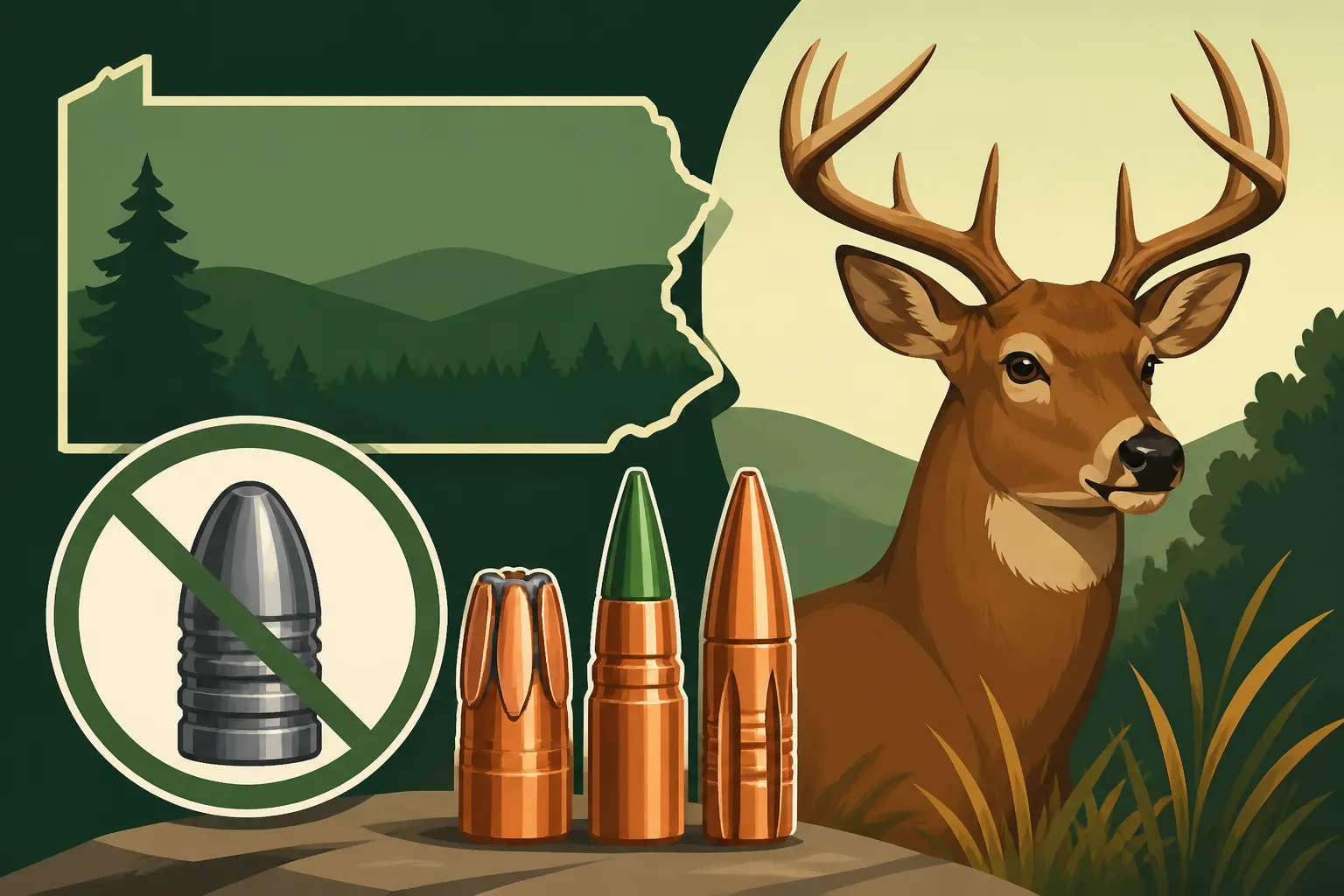
The most common and widely adopted lead-free material for hunting bullets is copper or copper alloys. These monolithic bullets are machined or forged from a single piece of copper or a copper blend. Because copper is less dense than lead, these bullets are often longer than a comparable lead-core bullet of the same weight. This increased length can sometimes mean you need to be mindful of magazine length in certain rifles, but for most standard calibers, it's not an issue.
Manufacturers like Barnes with their TSX and TTSX lines, Hornady with their GMX and CX bullets, and Federal with their Trophy Copper, have really pioneered this space. These bullets are renowned for their incredible weight retention—often retaining 95% or more of their original weight upon impact. This excellent weight retention, combined with a sharp, mushrooming expansion, allows for deep penetration and clean pass-throughs, delivering maximum energy transfer to the animal. Many hunters report exceptionally clean kills with these types of bullets, often finding deer don't travel far after a well-placed shot.
The design of these bullets often includes grooved shanks to reduce pressure and fouling, and sometimes polymer tips to aid in ballistic coefficient and initiate expansion more reliably. While they might behave slightly differently than what you're used to, their performance on game is consistently outstanding. You might notice a bit more penetration, which can be a real advantage on quartering-away shots or when you need to break through heavier bone. For those of us Hunting Pennsylvania's Big Woods for Deer where shots can sometimes be through a bit of brush or at tricky angles, that reliable penetration is a huge confidence booster.
Other Non-Lead Alternatives
While copper is king in the lead-free hunting bullet world, there are other materials and designs worth a quick mention, though they are less common for general deer hunting. Some manufacturers experiment with brass or other proprietary alloys. For instance, some specialized bullets designed for dangerous game or very specific applications might use solid copper or brass, emphasizing extreme penetration without any expansion.
For the typical Pennsylvania deer hunter, focusing on the copper and copper alloy expanding bullets will give you the most practical and proven options. These are readily available in a wide range of popular deer calibers. While you might occasionally encounter steel core or tungsten composite bullets in other contexts, they are not generally designed or marketed for ethical deer hunting as primary lead-free alternatives. Stick with the established copper options for reliable terminal performance on whitetails.
Performance Considerations for Pennsylvania Deer Hunting
Making the switch to lead-free isn't just about environmental benefits; it's also about ensuring you maintain the highest standards of ethical and effective hunting. Any time you change ammunition, whether it's a different brand, bullet weight, or bullet material, it's critical to understand how that change will affect your rifle's performance. You want to be sure that your new lead-free rounds are just as accurate and lethal as your old ones.
The good news is that modern lead-free ammunition is designed to perform exceptionally well on game. However, a little preparation and understanding of their unique characteristics will go a long way in ensuring your success and confidence in the field. Don't assume they will shoot exactly like your old rounds, and definitely don't head into the woods without testing them out first.
Accuracy and Ballistics
One of the most common questions about lead-free ammunition is whether it will shoot differently than lead-core bullets. The short answer is: possibly. Because copper is less dense than lead, a lead-free bullet of the same weight will be longer. This difference in length can sometimes affect how the bullet interacts with your rifle’s barrel twist rate. Some rifles might prefer slightly different bullet weights or designs with lead-free ammunition compared to their lead-core counterparts.
Therefore, the absolute most important step is to purchase a few different boxes of lead-free ammunition in your chosen caliber and head to the range. Test them thoroughly at typical hunting distances for Pennsylvania, which are often within 150-200 yards in most timber and farm country settings. Zeroing a Rifle for Woods Distances is crucial, and you might find that your point of impact shifts slightly. Be prepared to adjust your scope accordingly. Some hunters also report that copper bullets tend to foul barrels less, which can be a minor benefit over time, though it shouldn't be the primary reason for switching.
Another ballistic consideration is that some lead-free bullets, particularly those with polymer tips, can have excellent ballistic coefficients, meaning they fly flatter and are less affected by wind than some traditional lead-core bullets. This can be a subtle advantage, but for most shots on Pennsylvania whitetails, accuracy from a stable shooting position and a well-zeroed rifle will be far more important. The key takeaway here is test, test, test. Your rifle will tell you what it likes best.
Terminal Performance on Whitetails
When it comes to putting a deer down cleanly, terminal performance is paramount. Lead-free monolithic bullets, particularly those made of copper, are designed for controlled expansion and high weight retention. Instead of fragmenting into dozens of tiny pieces like some lead-core bullets, a well-designed copper bullet will typically mushroom into a larger diameter, creating a wide wound channel, while holding together almost perfectly.
This means you get a devastating wound channel through vital organs, coupled with deep penetration. The high weight retention ensures that the bullet carries its energy deep into the animal, often resulting in a pass-through shot. Pass-throughs are a huge advantage because they create two holes—an entry and an exit—which typically leads to a much better blood trail, making recovery easier. This is especially helpful if you're Tracking a Deer in Pennsylvania Snow or in thick cover where blood can be hard to find.
There's a misconception among some that lead-free bullets don't kill as effectively as lead. This is simply not true. With proper shot placement, lead-free bullets are incredibly effective and often result in cleaner, faster kills than fragmenting lead-core bullets because of that deep, controlled wound channel. The key, as always, is putting the bullet where it needs to go. Good marksmanship trumps bullet material every time. For tips on ensuring your shot is true, you might review resources on Shot Placement on a Black Bear, as the principles of vital organ targeting apply equally to deer.
Cost and Availability
Let's be realistic: lead-free ammunition, especially the higher-performing copper monolithic bullets, can sometimes come with a higher price tag than conventional lead-core options. This is largely due to the manufacturing process, which can be more complex and involve more expensive raw materials. However, as demand increases and production scales, prices have become more competitive, and the difference might not be as significant as it once was.
Availability can also be a factor. While popular calibers like .30-06, .308, and .270 generally have a good selection of lead-free options, if you hunt with a more obscure or older cartridge, you might have fewer choices. It's always a good idea to start looking for your preferred lead-free ammunition well before deer season. Ammunition Availability Before Opening Day can be tricky for any type of round, but it's particularly important for specialized options.
Many major retailers and gun shops now stock lead-free options, but you might also find a wider selection online. It’s worth checking with your local independent gun stores, as they often cater to discerning hunters and might have a better pulse on what's available. While the initial investment might be slightly higher, many hunters view it as a worthwhile trade-off for the environmental benefits and proven terminal performance.
Choosing the Right Lead-Free Option for Your Pennsylvania Hunt
So, you're ready to explore lead-free options. Fantastic! Now comes the task of narrowing down the choices. With many excellent options on the market, it can feel a bit overwhelming. But by considering your specific rifle, the type of hunting you do in Pennsylvania, and what's available, you can confidently select ammunition that will serve you well in the field.
Remember, the goal is to match the bullet to your rifle and your hunting style, just as you would with any other ammunition. Don't be afraid to experiment a little at the range to find the perfect pairing. This preparation is part of the hunting experience and builds confidence that pays dividends when that moment of truth arrives.
Matching Ammunition to Your Caliber and Rifle
The first step is always to ensure the lead-free ammunition is available for your specific rifle caliber. Most common Pennsylvania deer calibers—like .30-06 Springfield, .308 Winchester, .270 Winchester, 6.5 Creedmoor, and even .243 Winchester—have multiple lead-free offerings from reputable manufacturers. For hunters using a .30-30 in the thick cover of the state's ridge and valley region, even specific lever-action-friendly options exist. When considering Choosing a Rifle Caliber for Pennsylvania Deer, remember that bullet construction often matters more than raw caliber size for effective game taking.
Once you’ve identified available options, consider the bullet weight. While lead-free bullets are longer for their weight, many manufacturers try to keep the bullet weights similar to popular lead-core options to make the transition easier for hunters. For example, if you typically shoot a 150-grain .30-06, look for a 150-grain copper bullet from Barnes, Hornady, or Federal. You might also consider going up one step in bullet weight if your rifle has a faster twist rate, as the longer copper bullets often stabilize better.
Always consult your rifle manufacturer's recommendations for bullet weights and twist rates if you're unsure. While you're at it, think about your rifle's typical range. If you often shoot at longer distances, a lead-free bullet with a better ballistic coefficient and a polymer tip might be a good choice. If most of your shots are within 100 yards in dense woods, a robust, fast-expanding all-copper bullet will be excellent. For general insights into setting up your firearm, review Rifle Setups for Pennsylvania Deer.
Ethical Considerations and Shot Placement
Regardless of whether you choose lead-free or traditional lead-core ammunition, ethical hunting practices and precise shot placement remain paramount. A poorly placed shot with any bullet type can result in a wounded, lost animal. Lead-free ammunition isn't a magic bullet that makes up for poor marksmanship. In fact, because some lead-free bullets are designed for controlled expansion rather than fragmentation, placing that bullet precisely in the vitals is even more critical to ensure a rapid, humane kill.
Focus on practice at the shooting range, ensuring you can consistently place your shots accurately under various conditions. Understand deer anatomy thoroughly and aim for the "kill zone" — the heart and lung area behind the shoulder. This area provides the largest margin for error and contains vital organs that will ensure a quick and ethical harvest. For deeper dives into post-shot procedures, reading up on topics like Field Dressing a Deer in Cold Weather or selecting Knives and Saws Worth Carrying can also reinforce the importance of a clean kill and efficient processing.
Choosing lead-free ammunition is an extension of this ethical mindset. It's about minimizing potential harm to other wildlife and the environment, showing respect for the game and the land. By doing your part, you contribute to a more sustainable hunting future for Pennsylvania. It’s a choice that reflects a deeper commitment to conservation that many hunters already embody in their outdoor pursuits.
Resources for Research and Purchase
Finding the right lead-free ammunition doesn't have to be a scavenger hunt. Start by visiting the websites of major ammunition manufacturers. Companies like Barnes, Hornady, Federal, Winchester, and Remington all offer excellent lead-free lines and often have detailed information about bullet construction, ballistic data, and recommended uses. They can also provide guidance on which bullet weights might perform best in common calibers.
Next, check with your local sporting goods stores, independent gun shops, and even larger chain retailers. Ask the staff for their recommendations and see what they have in stock. Don't be afraid to ask if they have specific brands or types of lead-free rounds that others have had success with for deer hunting in your area. They often hear feedback from other hunters.
Finally, the internet is a vast resource. Online forums, hunting blogs, and review sites can offer real-world experiences from hunters who have made the switch. Just remember that every rifle is unique, so what works for one hunter might not be perfect for yours. And, when you’re looking for general hunting information, including local regulations or where to find specific gear, platforms like GoHunt can be incredibly helpful for research, connecting you with resources or even helping you locate local retailers that might carry these specialized loads. Always cross-reference information and prioritize testing any new ammunition in your own rifle before hunting season.
| Lead-Free Bullet Type | Common Materials | Key Characteristics | Primary Benefits | Typical Terminal Performance |
|---|---|---|---|---|
| Solid Copper Expanding | Copper | Monolithic, deep hollow point or polymer tip | High weight retention, deep penetration, no fragmentation | Excellent expansion, large wound channel, often pass-throughs |
| Copper Alloy Expanding | Copper alloy blend | Similar to solid copper, sometimes with grooves | Reduced fouling, good ballistic coefficients | Reliable expansion, strong energy transfer |
| Solid Brass/Bronze | Brass, Bronze | Very hard, often non-expanding or minimal expansion | Extreme penetration, ideal for heavy game | "Ice pick" effect, small wound channel, not ideal for deer |
| Frangible (Non-Lead) | Sintered copper, tin | Designed to disintegrate on impact | Reduced ricochet, specialized uses (e.g., training) | Not suitable for hunting due to lack of penetration |
This article is for general informational purposes only and does not constitute professional advice. Laws, prices and regulations vary by location and change over time. Consult a qualified professional for guidance on your specific situation.