Flintlock Rifles and Pennsylvania’s Late Season
The crisp, often bitter cold of Pennsylvania's late deer season can be a daunting prospect for many hunters, especially after the frenzy of the rut and the initial firearms opener. Deer are weary, scattered, and the woods feel quieter, making success feel elusive. But for those seeking a deeper connection to the hunt, armed with a flintlock rifle, the late season offers a unique challenge and a profoundly rewarding experience, one that pushes your skills and patience to their limits. This guide will help you understand the gear, tactics, and mindset needed to pursue whitetails during Pennsylvania's traditional flintlock season.
The Enduring Appeal of Pennsylvania's Flintlock Season
There's something truly special about hunting with a flintlock, especially when the landscape is blanketed in snow and the air bites at your cheeks. It's an experience that transcends mere sport, becoming a pilgrimage back to the roots of American hunting heritage.
Why Flintlock Hunting Resonates with Pennsylvania Hunters
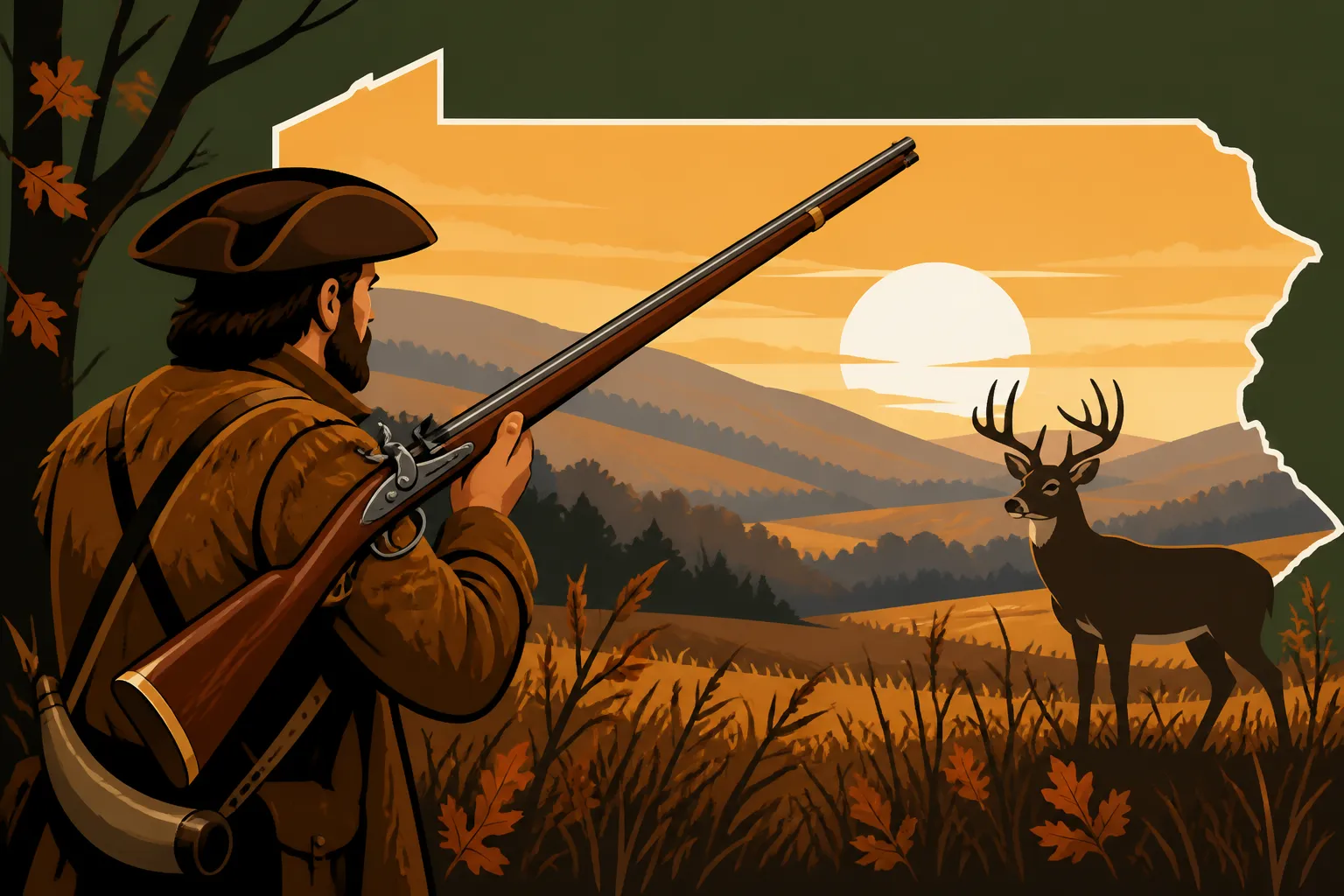
For many Pennsylvanians, flintlock season isn't just another hunting opportunity; it's a cherished tradition. It harkens back to a time when our ancestors relied on these very same tools to put food on the table. When you carry a flintlock into the woods, you're not just carrying a firearm; you're carrying a piece of history. The slower pace of the hunt, the single-shot limitation, and the need for meticulous preparation force you to slow down, to observe more, and to truly connect with the natural world around you. It's a stark contrast to the high-tech, fast-paced world we often live in, offering a much-needed dose of simplicity and self-reliance. The crack of the flint striking the frizzen, the puff of smoke in the pan, and then the thunderous report of the main charge—it's a symphony that connects you to generations of hunters before you. This isn't just about punching a tag; it's about the entire immersive experience.
The challenge itself is a huge draw. In an era of increasing technological advancements in hunting, the flintlock demands a different kind of mastery. There’s no rapid follow-up shot, no high-powered scope to resolve distant targets, and certainly no margin for error when it comes to keeping your powder dry. Every step, every decision, and every shot becomes more meaningful. The success you find with a flintlock is truly hard-earned, making the venison taste just a little bit sweeter, and the stories shared around the campfire all the more vivid. It’s an extension of the season that allows for a different kind of woodsmanship, requiring hunters to refine their stalking skills, understand deer behavior more intimately, and embrace a level of patience that modern hunting often doesn't demand.
Understanding the Unique Challenges of Muzzleloading
While the allure is strong, flintlock hunting isn't without its distinct hurdles. The most obvious is the single-shot nature of the rifle. Unlike a modern bolt-action or semi-automatic, you get one chance, and if you miss or wound, reloading is a deliberate, multi-step process that often takes too long for a second shot at a moving animal. This limitation forces an extreme emphasis on shot placement and a deep understanding of your firearm's capabilities and your own marksmanship. It's not uncommon for experienced flintlock hunters to pass on shots they might take with a modern rifle simply because the conditions aren't absolutely perfect.
Beyond the single shot, reliability in varying weather conditions is paramount. Black powder is notorious for its sensitivity to moisture. A damp pan, a wet patch, or even high humidity can lead to a dreaded "fizzle," "hangfire," or complete misfire. This means hunters must take extra precautions, using pan covers, cow's knees (a traditional leather or oilcloth cover), and rigorously ensuring all components, especially the powder, remain absolutely dry. Furthermore, the slower lock time—the delay between pulling the trigger and the main charge igniting—requires hunters to maintain a rock-solid hold and follow-through, often anticipating the recoil in a way that’s different from shooting a modern cartridge firearm. This slower ignition means that even a slight flinch or movement can send your shot off target. The effective range is also considerably shorter, making close encounters essential.
Essential Flintlock Gear Beyond the Rifle Itself
Stepping into the world of flintlock hunting means embracing a whole new set of equipment and a methodical approach to preparation. It's not just about the rifle; it's about the entire system.
Choosing the Right Flintlock for Pennsylvania Deer
When it comes to selecting a flintlock for Pennsylvania deer, the focus should be on reliability, appropriate caliber, and a comfortable fit. Most flintlock hunters opt for a .50 or .54 caliber rifle. These calibers deliver ample energy for whitetails at the typically short ranges encountered in the late season. While a .45 caliber can certainly be effective with proper shot placement, the larger calibers offer a bit more margin for error and create a more pronounced wound channel, which is crucial for quick, ethical kills given the single-shot nature.
You'll find options ranging from historically accurate reproductions to more modernized traditional designs. What matters most is that the rifle functions flawlessly. Check the lock mechanism for crispness and strong spark production. The fit of the stock to your shoulder and cheek weld is important for accurate shooting, just as with any rifle. Consider the barrel length; longer barrels can offer slightly better velocity and sight radius, but a shorter barrel might be more maneuverable in dense Pennsylvania thickets. Ultimately, the best flintlock for you is one you've spent considerable time practicing with, one you trust implicitly. Remember to research Flintlock Rifles and Loads to ensure you're using compatible components for your chosen firearm.
The Critical Components: Powder, Ball, Patch, and Primer
The flintlock system relies on several critical components working in perfect harmony. First, and arguably most important, is the black powder. You'll typically use either FFFg (triple F) or FFg (double F) granulation. FFFg is finer and generally used for the pan charge and sometimes for the main charge in smaller bores, while FFg is coarser and commonly used for the main charge in .50 caliber and larger rifles. Never use smokeless powder in a black powder firearm; it is extremely dangerous. Measuring your powder charge accurately with a volumetric powder measure is non-negotiable for safety and consistency.
Next is the projectile, almost exclusively a patched round ball for traditional flintlocks. These round lead balls are wrapped in a lubricated cloth patch (often cotton or linen) before being loaded down the barrel. The patch serves two crucial functions: it seals the bore to prevent gas bypass, ensuring maximum velocity, and it engages the rifling to impart spin, stabilizing the projectile. The thickness and lubrication of the patch are vital for accuracy and ease of loading. Too thin, and it won't seal or grip the rifling; too thick, and it'll be impossible to load. Many hunters experiment with different patch thicknesses and lubricants to find the perfect combination for their particular rifle. Finally, the "primer" for a flintlock is actually a small amount of FFFg powder poured into the pan, which is ignited by the sparks from the flint and frizzen. Ensuring a good, sharp flint and a properly hardened frizzen is key to getting a strong, reliable shower of sparks. Learn more about Flints, Frizzens and Reliable Ignition to fine-tune your setup.
Keeping Your Flintlock Dry and Functioning in Winter Weather
The Achilles' heel of the flintlock in Pennsylvania's late season is moisture. Snow, sleet, freezing rain, or even high humidity can turn a powerful hunting tool into a frustrating misfire. The key is meticulous protection. A pan cover is an absolute necessity; this small piece of leather or rubber fits snugly over the pan, protecting the priming powder from precipitation. Many hunters also use a "cow's knee," a larger piece of waterproof material (often leather or oilcloth) that drapes over the lock mechanism, preventing moisture from reaching the pan and the touch-hole.
Beyond physical covers, dry priming is critical. When you're ready to hunt, only then should you add the priming powder to the pan. Some hunters carry a small, waterproof vial of pre-measured FFFg specifically for this purpose. If you're out in persistent wet conditions, consider refreshing your pan charge periodically, especially if you've been exposed to heavy rain or snow. Before you head into the woods, ensure your rifle's bore is completely dry and well-oiled to prevent rust, but be careful not to get oil near the flash hole or pan where it could interfere with ignition. After each hunt, even if you didn't fire, clean and re-oil your flintlock thoroughly, paying special attention to the bore and lock mechanism to prevent corrosion.
Mastering the Shot: Practice and Precision with a Flintlock
Hitting a deer with a flintlock is a testament to skill, patience, and a deep understanding of your firearm's capabilities. It's a far cry from point-and-shoot.
Developing Fundamental Marksmanship Skills
Shooting a flintlock effectively demands a return to fundamental marksmanship. The slower lock time, the puff of smoke from the pan, and the recoil all combine to create a unique shooting experience. The key is practice, practice, practice. Start by focusing on a rock-solid shooting platform, whether that's from a bench, prone, or using shooting sticks in the field. A steady hold is paramount because any movement during the split-second delay from trigger pull to ignition can throw your shot off.
Focus on a smooth, controlled trigger squeeze, rather than a jerk. Many traditional shooters advocate for a "surprise break," where you don't know the exact moment the rifle will fire, eliminating the tendency to flinch. Practice at the distances you expect to hunt—typically between 50 and 75 yards in Pennsylvania timber. Don't be discouraged if your initial groups aren't tight; consistency is built over time. Work on your breathing control and maintaining focus on the front sight. Every shot should be a deliberate, thoughtful action, reinforcing good habits. This dedication to fundamentals will pay dividends when that deer finally steps into your effective range.
Understanding Effective Range and Ethical Shots
One of the biggest mistakes a new flintlock hunter can make is attempting shots beyond their rifle's and their own capabilities. For most traditional flintlocks using patched round balls, the ethical maximum range on a deer is generally considered to be 75-100 yards, with many experienced hunters preferring shots well under 75. The round ball sheds energy and velocity quickly, and its trajectory is not flat like a modern high-power rifle. Therefore, precise range estimation is critical. You might even find it helpful to review resources like Practical Range in Pennsylvania Timber to understand the nuances of woods shooting.
Always strive for a broadside shot into the deer's vital organs—the heart and lungs. Avoid quartering shots or those where heavy bone might impede the round ball. With a single shot, you want to maximize your chances of a quick, humane kill and minimize the need for a long, difficult track. If the shot doesn't present itself perfectly, exercise the discipline to pass. A missed or wounded deer is far more disheartening than simply not getting a shot. Your rangefinder, even for these short distances, will become an invaluable tool for confirming distances to potential shooting lanes before an animal appears.
Loading and Reloading under Pressure
The ability to load a flintlock quickly and efficiently is a skill that only comes with extensive practice, and it’s especially challenging when your fingers are cold, or adrenaline is pumping. While you typically won't get a second shot at the same animal if you miss, having the ability to reload efficiently is crucial for safety and for any subsequent opportunities that may arise, such as a second deer in a group presenting a new target.
Practice the entire loading sequence until it becomes second nature: powder, patch, ball, ramrod. Ensure you can perform these steps smoothly, even in dim light or while wearing gloves. Many hunters pre-measure powder charges into small, sealed vials or speed loaders to simplify the process in the field. Keep your ramrod easily accessible and your loading accessories organized in a small pouch on your belt or in your possibles bag. Safety is paramount during this process: always ensure the muzzle is pointed in a safe direction. If you do take a shot and the deer doesn't drop immediately, give it time. Don't rush a reload if it compromises your safety or focus on tracking the animal. Reloading is a deliberate process, and trying to hurry it can lead to mistakes or, worse, accidents.
Late Season Deer Behavior and Habitat
The deer you encounter during the late flintlock season are different animals than those you might have seen in September or even during the peak of the rut. Their priorities have shifted dramatically, and understanding these changes is key to finding success.
Adapting to Post-Rut and Winter Deer Movement
By the time the flintlock season rolls around, usually in late December and early January, the whitetail rut is a distant memory. Bucks, in particular, are physically drained from weeks of chasing does, fighting, and generally neglecting their nutritional needs. Their focus has shifted entirely from breeding to survival: finding abundant food and conserving energy. Does are also seeking consistent food sources to maintain their body condition through the cold months ahead.
Movement patterns tend to be much more predictable and often limited to periods of low light. Deer are generally less active during the middle of the day, conserving energy. You'll often find them moving from secure bedding areas to food sources just after dawn and before dusk, and sometimes even in the middle of the night. This means hunters must adjust their strategies, focusing on morning and evening hunts and being in their chosen location well before daylight or staying until the last legal minute. Understanding these shifts is crucial; aimless wandering through the woods, while occasionally productive, is far less effective than targeting these focused movements.
Key Food Sources in Pennsylvania's Late Season
Food is king in the late season. With much of the natural forage depleted or covered by snow, deer will concentrate around the most available and nutritious food sources. In many parts of Pennsylvania, this means agricultural fields. Standing corn, cut cornfields with residual grain, winter wheat, and brassicas (like turnips or kale planted for deer) become magnets for hungry whitetails. Don't underestimate the power of these concentrated food plots, especially on private land.
In big woods environments, remaining acorns, especially white oaks if any are left, will still be highly sought after. However, as the season progresses, deer increasingly rely on browse—the twigs and buds of woody plants. Areas with recent timber clearcuts or young forest regeneration become crucial, as they offer a smorgasbord of palatable woody browse like maple, oak, and aspen saplings. Late-Season Food Sources for Whitetails is an excellent resource for understanding what deer are looking for at this time of year. Be aware that once the Hunting After the Acorn Crop Fails phenomenon occurs, deer will quickly shift their focus to other options. Identifying these specific food sources and the trails leading to them is paramount for successful late-season hunting.
Locating Thermal Cover and Bedding Areas
When temperatures plummet and harsh winds blow, deer prioritize thermal cover. This isn't just about hiding; it's about staying warm and conserving vital energy. Look for dense conifer thickets—hemlock, spruce, or pine stands—that block the wind and trap radiant heat. South-facing slopes are also highly desirable as they receive more direct sunlight throughout the day, melting snow faster and providing a warmer microclimate. Steep, rugged terrain with dense brush offers both security and thermal protection.
Deer will often bed down in these areas, particularly during the coldest parts of the day. Their bedding locations are typically chosen to minimize exposure to the elements while offering good vantage points to detect danger. Understanding how weather impacts bedding is vital; on bitterly cold, windy days, deer will seek the thickest, most sheltered spots, often staying bedded for longer periods. On milder, sunny days, they might venture out more, even in the middle of the day, to soak up warmth. Scouting these areas before the season, or using mapping apps like GoHunt to identify dense cover and south-facing slopes, can give you a significant advantage in determining where deer will be spending their daylight hours. Patience and a good understanding of Cold Weather Sitting Strategy are essential when hunting these areas.
Flintlock Hunting Tactics for Success
Hunting with a flintlock often requires a different approach than with a modern firearm. It forces you to be more deliberate, more patient, and more in tune with your surroundings.
Still-Hunting Slowly and Deliberately
Still-hunting is perhaps the most natural and effective tactic for flintlock season, especially in the big woods. It's a method that perfectly complements the single-shot nature of the rifle. Instead of sitting in one spot, you move incredibly slowly, taking a few steps, then pausing for several minutes to scan, listen, and observe. This snail's pace allows you to pick apart cover, identify deer before they see you, and assess potential shooting lanes for that crucial single shot. It requires immense patience and keen observational skills.
Focus on terrain features like subtle ridges, benches, and the edges of thick cover. Use your binoculars constantly, not just to spot deer, but to identify deer parts—an ear twitch, a horizontal backline, a patch of hide. Move into the wind or with a quartering wind to keep your scent from blowing ahead of you. The goal is to get as close as possible, within your effective flintlock range, for a high-percentage shot. As you move, consider the landscape. Still-Hunting Pennsylvania Big Woods provides an excellent foundation for mastering this technique. The slower you go, the more you’ll see, and the better your chances of getting that shot off with your traditional firearm.
Stand Hunting Near Key Food and Cover Transitions
While still-hunting is effective, stand hunting can be equally productive, especially when targeting late-season food sources or dense thermal cover. The key is strategic placement. Set your stand or ground blind along major travel corridors connecting bedding areas to preferred late-season food sources. Look for pinch points, saddles, or funnel areas where deer are naturally constricted. Field edges adjacent to thick woods, particularly if there's standing corn or a brassica plot, are prime locations.
Patience is your greatest ally here. Be prepared for long, cold sits, often from before dawn until well after dark. Dress in layers, use quality insulated clothing, and bring hand and foot warmers. Your goal is to intercept deer as they move to or from their feeding grounds. Remember, deer movement is often concentrated during low light, so being in your stand well before legal shooting light and staying until the very end is crucial. Consider using a compact, well-brushed-in ground blind if the cover allows, as it can offer more concealment and protection from the elements during those extended cold sits.
Utilizing Snow and Tracking Opportunities
Snow is a flintlock hunter's best friend in the late season. A fresh blanket of snow not only quiets your footfall, aiding in still-hunting, but it also creates a visual ledger of deer activity. Tracking fresh sign becomes a highly effective tactic. Look for large, distinct tracks that indicate a mature deer, and pay attention to stride length and any drag marks that might suggest a buck. Follow these tracks slowly and deliberately, constantly looking ahead and to the sides for the deer.
The presence of snow makes blood trailing much easier as well, should you need to track a deer after the shot. A good resource for understanding this is Tracking a Deer in Pennsylvania Snow. Snow also helps reveal subtle deer trails that might be invisible in bare woods. You can use mapping tools, like those found on GoHunt, to help visualize terrain and plan your tracking routes, especially if you're unfamiliar with the area. Knowing which direction a deer is likely to travel, often to thicker cover or downwind, can greatly increase your chances of a successful recovery, even when Blood Trailing After Dark in Pennsylvania might be necessary.
Navigating the Regulations and Safety of Flintlock Hunting
Hunting in Pennsylvania always comes with specific rules and safety considerations, and flintlock season is no exception. Knowing and adhering to these guidelines is critical for a safe and legal hunt.
Understanding Pennsylvania's Flintlock Season Rules
Pennsylvania's flintlock season typically runs concurrently with the late archery season, offering a unique opportunity to pursue deer in the colder months. However, there are specific regulations that flintlock hunters must be aware of. First, ensure you have the correct general hunting license and any required permits, such as an antlerless deer license for the Wildlife Management Unit (WMU) you are hunting in. Antler restrictions, which vary by WMU, still apply during the flintlock season. You need to know what constitutes a legal buck in your chosen WMU, whether it's two points on one side or the "three up" rule.
It's crucial to consult the current Pennsylvania Hunting & Trapping Digest for the exact dates of the flintlock season, as these can change annually. Pay close attention to legal shooting hours, which often extend to dusk, providing valuable low-light hunting opportunities. Also, remember that while you might be carrying a flintlock, you are still bound by the general hunting regulations of the Commonwealth. This includes proper tagging and reporting of your harvest. For the most up-to-date and specific details, always refer to the Pennsylvania Game Commission's official publications or tools like GoHunt that help outline these regulations. A thorough review of Pennsylvania Flintlock Season Rules is highly recommended before you head afield.
Hunter Orange and Safety Considerations
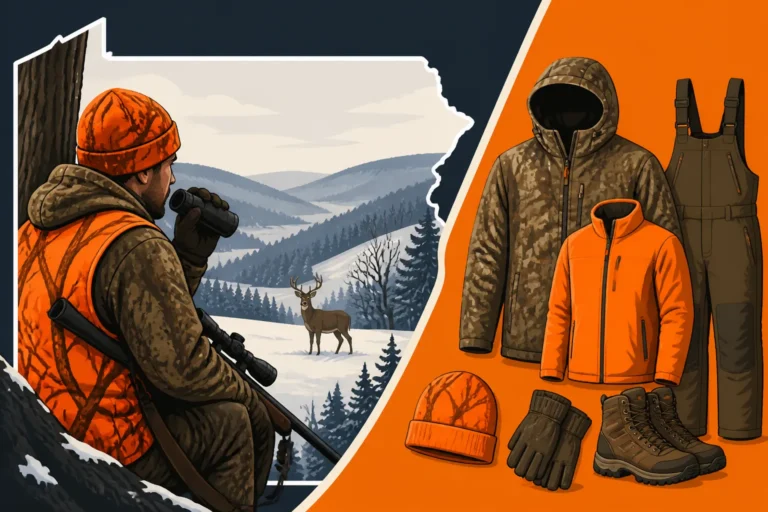
Safety is always the paramount concern in the woods, and flintlock season, with its overlap with other hunting methods and often increased hunting pressure, demands extra vigilance. Pennsylvania has specific requirements for wearing hunter orange, even during archery and muzzleloader seasons. While archers often have different rules, anyone hunting deer with a firearm (including a flintlock) typically needs to wear a minimum amount of fluorescent orange material, visible 360 degrees. Always check the current digest for the exact square inch requirements and when they apply. It's often safer to wear more orange than the minimum, especially when moving through cover. The article Pennsylvania Hunter Orange Rules will provide the specifics you need.
Beyond orange, adhere to the fundamental rules of firearm safety: treat every firearm as if it's loaded, always keep the muzzle pointed in a safe direction, keep your finger off the trigger until you are ready to shoot, and be absolutely sure of your target and what is beyond it. With a flintlock, extra care is needed when loading and handling powder. Ensure no sparks or embers are present when pouring powder into the bore. Communicate clearly with any hunting partners and be aware of other hunters in the vicinity, particularly on public lands like State Game Lands or State Forests.
Post-Shot Procedures and Game Recovery
After you've taken a shot with your flintlock, resisting the urge to immediately rush to the spot where the deer was standing is crucial. Give the animal time. With a traditional round ball, even a well-placed shot might not produce an immediate drop. A good rule of thumb is to wait at least 30 minutes, or even an hour if you're unsure of the hit, especially in cold weather. This allows the animal to lay down and expire, rather than being pushed further if it's wounded.
Once you approach the shot site, carefully look for signs of a hit: hair, blood, or bone fragments. Mark the last spot you saw the deer and begin tracking. In the late season, snow can be a tremendous asset for blood trailing, but even without it, look for disturbed leaves, bent grass, or any drops of blood. Carry a good quality flashlight or headlamp, even during daylight hours, as shadows can hide important clues. If the blood trail peters out, expand your search in concentric circles from the last known blood, or look for obvious escape routes like thick cover or downhill trajectories. Resources like Blood Trailing After Dark in Pennsylvania can be invaluable if you're tracking close to nightfall. A successful recovery is the final, essential step of a responsible hunt, ensuring your efforts lead to a well-earned harvest.
The Satisfaction of a Hard-Earned Flintlock Deer
There's a unique sense of accomplishment that comes with harvesting a deer using a flintlock rifle in Pennsylvania. It’s an experience that offers a profound connection to the land, the wildlife, and the generations of hunters who came before us.
Connecting with the Heritage of Pennsylvania Hunting
When you successfully harvest a deer with a flintlock, you're not just bringing home meat; you're reaffirming a tradition that runs deep in Pennsylvania's hunting culture. This is the equipment that our forebears used to carve out a living in these very woods. The experience of loading, aiming, and firing a flintlock, culminating in a successful harvest, fosters a sense of self-reliance and connection to a past era. It’s a slower, more deliberate hunt that forces introspection and appreciation for every step of the process.
This connection isn't just about the tools, but about the mindset. It demands patience, perseverance, and a deep respect for the animal and the environment. There's a certain purity to it – stripped down to the essentials, it challenges you to be a better woodsman and a more ethical hunter. Sharing stories of successful flintlock hunts, or even the near misses and learning experiences, around a warm campfire or in a bustling deer camp, becomes part of that enduring heritage. It’s a testament to the idea that hunting is more than just a means to an end; it's a journey into history and self-discovery.
Field Care and Butchering Your Flintlock Harvest
Just as with any harvested game, proper field care immediately after the shot is essential, even more so when you consider the effort put into a flintlock harvest. In the late season, cold temperatures often work in your favor, helping to cool the carcass quickly. However, don't become complacent. Immediately field dress the deer to remove the entrails, allowing the body cavity to cool down. If possible, prop open the chest cavity with a stick to facilitate airflow.
If temperatures are above freezing, getting the deer out of the woods and into a cooler environment is crucial. For those long drags out of a hollow or off a mountain, consider tools like a deer cart or sled, especially if there's snow, to ease the burden. You might even consult resources like Field Dressing a Deer in Cold Weather for specific tips on handling your harvest in freezing conditions. Once home, whether you butcher the deer yourself or take it to a processor, ensure the meat is kept clean and cool. The high-quality venison from a Pennsylvania whitetail, harvested with a flintlock, is a delicious and healthy reward for your efforts, making all the challenges worthwhile. Using mapping tools like GoHunt could also assist in planning the most efficient extraction route from challenging terrain.
Sharing the Story and Inspiring Others
Every successful flintlock hunt comes with a story, often one filled with cold fingers, long waits, and the singular thrill of a traditional muzzleloader shot. These stories are a vital part of the hunting experience, reinforcing camaraderie among hunters and inspiring new generations. Whether it’s recounting the meticulous setup, the patient still-hunt, or the moment the flint struck steel, these narratives highlight the unique challenges and profound rewards of this particular pursuit.
Sharing these experiences can help introduce others to the beauty and challenge of flintlock hunting. Many hunters are intrigued by the idea but intimidated by the perceived difficulty. By openly discussing your journey, your learning curve, and the satisfaction you find, you can demystify the process and encourage others to try their hand at this traditional method. It’s a fantastic way to honor the past while contributing to the future of hunting, ensuring that the skills and traditions associated with flintlocks remain vibrant in Pennsylvania for years to come.
Flintlock vs. Modern Muzzleloader Comparison
For those considering traditional muzzleloading, it's helpful to understand the distinctions between a classic flintlock and more modern inline muzzleloaders, which also have their place in Pennsylvania's hunting seasons.
| Feature | Traditional Flintlock Muzzleloader | Modern Inline Muzzleloader |
|---|---|---|
| Ignition System | Flint and Frizzen (external sparks) | Percussion Cap or 209 Primer (internal) |
| Powder Type | Black Powder (FFFg, FFg) | Black Powder or Black Powder Substitutes |
| Projectile | Patched Round Ball (traditional) | Conical Bullet, Sabots (modern bullets) |
| Loading | Separate components (powder, patch, ball) | Pre-formed pellets, saboted bullets |
| Reliability | Highly weather-dependent, slower ignition | More reliable in adverse weather, faster |
| Effective Range | Typically < 100 yards (due to round ball) | Up to 150-200+ yards (with modern bullets) |
| Cleaning | Meticulous, traditional methods | Easier with modern designs |
| "Traditional" Feel | High; strong connection to heritage | Moderate to Low; more like a modern rifle |
| Pennsylvania Season | Dedicated flintlock season | Generally part of firearms/general muzzleloader season |
Disclaimer: This article is for general informational purposes only and does not constitute professional advice. Laws, prices and regulations vary by location and change over time. Consult a qualified professional for guidance on your specific situation.