Hunting the Second Week of Rifle Season
Many hunters find themselves scratching their heads and feeling utterly defeated during the second week of Pennsylvania's firearms deer season. That initial burst of excitement and visible deer activity from opening day seems to vanish overnight, leaving the woods feeling empty and quiet. It's incredibly frustrating when you've invested time and effort, only to feel like the deer have packed their bags and left the state. This comprehensive guide is here to turn that frustration into focused strategy, showing you how to adapt your approach and find success when other hunters have given up.
Understanding the Post-Opening Day Shift in Deer Behavior
The Pennsylvania firearms deer season kicks off with a bang, literally, and that initial high pressure sends deer scrambling. While many hunters focus on the opening few days, overlooking the potential of the subsequent week is a common mistake. However, to succeed during this period, you first need to understand how deer behavior changes drastically from what you might have observed during the pre-season or even on opening day.
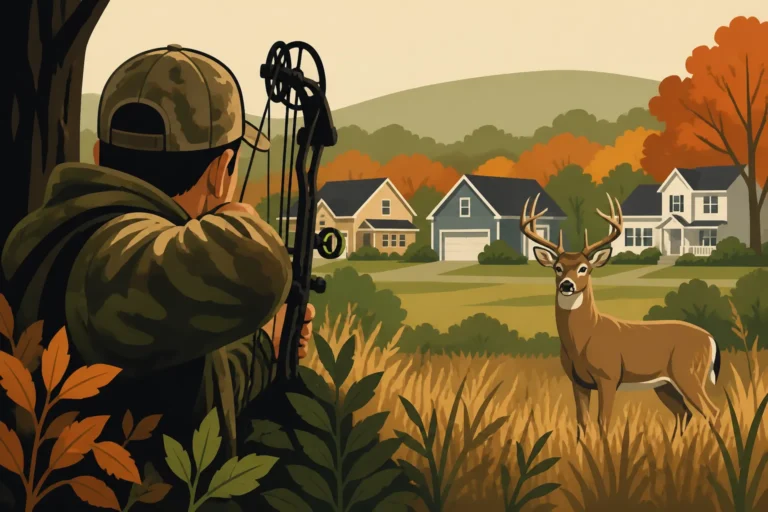
On opening day, deer are often still somewhat tied to their established patterns, perhaps moving between common food sources and bedding areas, especially in lower-pressure zones. But once the woods are filled with hunters, gunshots, and human scent, their survival instincts kick into overdrive. They become incredibly wary, often switching to a nocturnal movement pattern and seeking out the thickest, nastiest cover they can find. These are the places most hunters walk past or actively avoid – deep briar patches, laurel thickets, steep hollows, or even small, overlooked pockets of woods right next to houses or roads. The deer don't disappear; they just get incredibly good at hiding. It's this profound shift from visible movement to extreme reclusion that often leads hunters to feel disheartened. The woods might feel empty, but they're often just holding highly pressured, wary whitetails.
Adapting Your Scouting and Locating Strategies
The classic pre-season scouting you did for food sources and travel corridors might still offer some clues, but you need to adapt your approach to find deer that are actively avoiding human contact. The second week demands a shift from looking for deer activity to looking for deer sanctuaries.
Instead of fresh rubs and scrapes (which might be less frequent as rut activity declines), you'll want to concentrate on finding recent tracks in out-of-the-way places, fresh droppings in dense cover, and disturbed leaves where deer have bedded down. These subtle signs tell you deer are still present, even if you're not seeing them.
This is where advanced mapping tools become invaluable. Platforms like GoHunt allow you to zoom in on satellite imagery and topographical maps, identifying those hard-to-reach areas: steep, north-facing slopes with dense cover, isolated points jutting into thick bottoms, or small, unpressured timber stands surrounded by open fields. Look for dark green patches representing thick conifers or overgrown clearcuts, especially those with steep terrain leading into them. These are prime candidates for holding pressured deer. Remember, deer will often seek security in elevation, too. Don't be afraid to study the contours of a Reading a Pennsylvania Hollow for Deer or look for subtle benches on a ridge.
Once you identify these potential havens, your next step is to quietly, almost invisibly, scout the edges of these areas, always paying attention to wind direction. You're trying to confirm deer presence without alerting them. This kind of "scouting during the season" is less about finding a perfect ambush point and more about confirming where the deer are holed up, giving you a starting point for your next tactic. For more comprehensive scouting before the season even begins, refer to Scouting Pennsylvania Public Land Before Season.
Effective Tactics for Pressured Whitetails
Hunting the second week requires patience, persistence, and a willingness to try tactics that might feel slow or unconventional compared to opening day.
Still-Hunting Through Thick Cover
One of the most potent strategies for pressured deer is still-hunting, but not just walking slowly. This is an art form, especially in Pennsylvania's diverse terrain. Think of it as a methodical, almost meditative crawl through dense woods. You should be moving so slowly that you can stop, scan, and listen for several minutes between each step. This allows you to pick apart the cover, detect subtle movements, and give yourself time to react. Focus on areas known for holding deer after pressure, like those dense thickets or the edges of recent Hunting Pennsylvania Clearcuts and Regrowth. These are places where deer feel secure, but also where they might be bedded tight, expecting hunters to rush past.
When still-hunting, use binoculars constantly to dissect every patch of cover, every shadow. Look for horizontal lines (a deer's back), contrasting colors (an ear or antler), or the flicker of a tail. Pay close attention to wind and thermals, especially when navigating hilly terrain. On a cold, clear morning, thermals will typically drop down the mountain until the sun warms the slopes, then they'll start to rise. Understanding these air currents is crucial for keeping your scent out of a buck's nose. If you're fortunate enough to get some snow, Still-Hunting After a Fresh Snow can be incredibly effective, as it quiets your approach and reveals fresh tracks.
Strategic Stand Placement and Drives
If you're still using a stand, the second week is the time to rethink your initial Treestand Setups in Pennsylvania Hardwoods. That killer pinch point you had for the rut might be completely deserted now. Instead, focus on transition areas around known bedding cover. Think about the path a deer would take if pushed out of a thicket by another hunter, or how they might sneak from one sanctuary to another under the cover of darkness. Often, these are benches, subtle ridges, or the back sides of hills that offer a quick escape. Remember that deer are often going to bed in the nastiest, most overgrown spots you can imagine. Understanding Where Big Woods Bucks Bed can help you predict their movements.
For those hunting with a small group, coordinated deer drives can be incredibly effective during the second week, especially on State Game Lands where deer get pushed from all directions. Forget the massive, noisy drives of opening day. We're talking about focused, quiet pushes with just a few hunters. A well-executed drive with Deer Drives With Three or Four Hunters can carefully bump deer out of thickets and funnel them past standers positioned on known escape routes. The key is to have the drivers move slowly and deliberately, pausing frequently, while the standers remain absolutely motionless and hidden, ready for a fleeting shot opportunity. The standers should be positioned where deer naturally want to travel, often on saddles, benches, or along the edges of steep drops.
Here's a comparison of common tactics for the first versus second week:
| Tactic Category | First Week (Opening Days) | Second Week (Post-Pressure) |
|---|---|---|
| Deer Behavior | More active, somewhat predictable, rut often still active. | Highly nocturnal, wary, seek dense cover/sanctuaries. |
| Stand Placement | Food sources, rut corridors, active scrape lines. | Escape routes, bedding area edges, subtle travel corridors. |
| Still-Hunting | Moderate pace, focusing on fresh sign, food transitions. | Extremely slow, methodical, targeting thick cover, glassing constantly. |
| Drives | Larger groups, more aggressive, to push out of broad areas. | Small, quiet groups (2-4 hunters), focused on small thickets. |
| Scouting Focus | Rut sign, primary food sources (acorns, crops). | Fresh tracks in thickets, subtle bedding areas, overlooked cover. |
| Calling | Grunts, rattles, tending grunts (during peak rut). | Minimal, soft grunts, subtle bleats (less effective for wary deer). |
Gear and Weather Considerations for Later Season Hunts
The second week of deer season often brings with it a noticeable shift in weather, particularly in Pennsylvania. Colder temperatures, increased chances of snow, and biting winds become more common. Your gear needs to reflect these conditions.
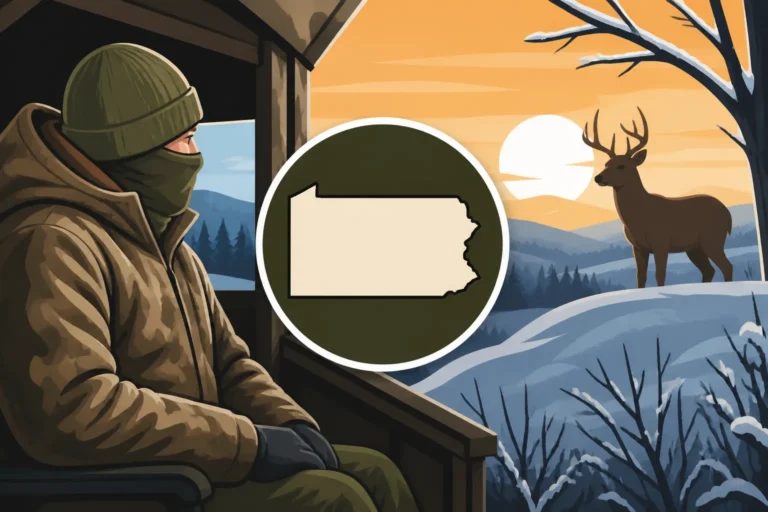
Layering is paramount. Forget thick, bulky coats that restrict movement. Start with good base layers that wick moisture, add insulating mid-layers like fleece or wool, and top it with a waterproof/windproof outer shell. Wool is especially excellent for quiet movement and retaining warmth even when damp. Consider investing in quality insulated boots; standing or sitting for long periods in cold temperatures can quickly lead to numb feet, ruining a hunt. Hand warmers, placed in pockets or a hand muff, can also make a huge difference in comfort and the ability to operate your firearm or bow effectively. This attention to detail on warmth ties directly into a successful Cold Weather Sitting Strategy.
Snow, if you're lucky enough to get it, changes everything. It can make tracking deer much easier, revealing fresh activity and travel paths. It also quiets the woods, allowing you to move more stealthily while still-hunting. Pay close attention to tracks, not just for size but for direction and gait, which can tell you a lot about the deer's behavior. Fresh snow also makes deer stand out more visually against the white background.
Finally, don't forget good quality optics. As deer become more nocturnal, your best opportunities might come during the first and last hours of legal hunting light. A good pair of binoculars (8x or 10x) and a rifle scope with excellent low-light gathering capabilities will be invaluable for picking out subtle movement in the shadows. Using your Using the Pennsylvania Mapping Center to identify access points that get you into the woods before dawn and out after dusk, minimizing disturbance, is also a smart play.
The second week of Pennsylvania's firearms season is certainly a challenge, but it's far from a lost cause. By understanding how deer adapt to pressure, adjusting your scouting methods, and employing patient, strategic hunting tactics, you can turn those quiet woods into a successful hunt. Don't let the initial rush of opening day dictate your entire season; the real work, and often the real rewards, come from adapting to the challenge.
Disclaimer
Please note that hunting regulations and seasons in Pennsylvania are subject to change. Always consult the latest Pennsylvania Game Commission digest or website before planning your hunt to ensure compliance with all current laws and safety guidelines.