Pennsylvania Deer Camp Traditions
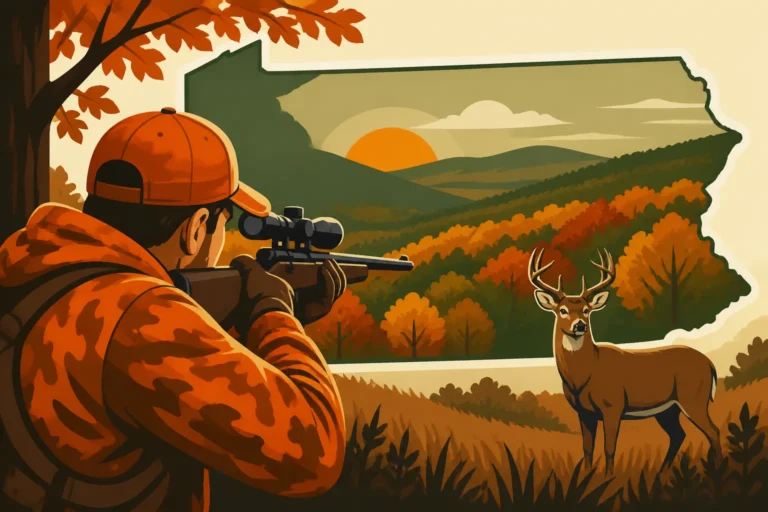
There's something uniquely special, almost sacred, about a Pennsylvania deer camp. For many, it’s more than just a place to hunt; it’s a yearly pilgrimage, a deep-rooted tradition that binds families and friends. But understanding what goes into these camps, or even starting your own, can feel daunting. This guide dives deep into the enduring spirit, cherished rituals, and practicalities of Pennsylvania deer camp traditions, ensuring this vital part of our hunting heritage continues.
The Enduring Spirit of Pennsylvania Deer Camp
For generations, the "deer camp" has been a cornerstone of Pennsylvania's hunting culture. It's a place where time slows down, where the buzz of everyday life fades, and where the pursuit of whitetails becomes a communal experience. This isn't just about bagging a deer; it's about connecting with the land, with history, and most importantly, with each other. It's a testament to a way of life that values hard work, camaraderie, and the simple beauty of the outdoors.
More Than Just a Hunting Lodge
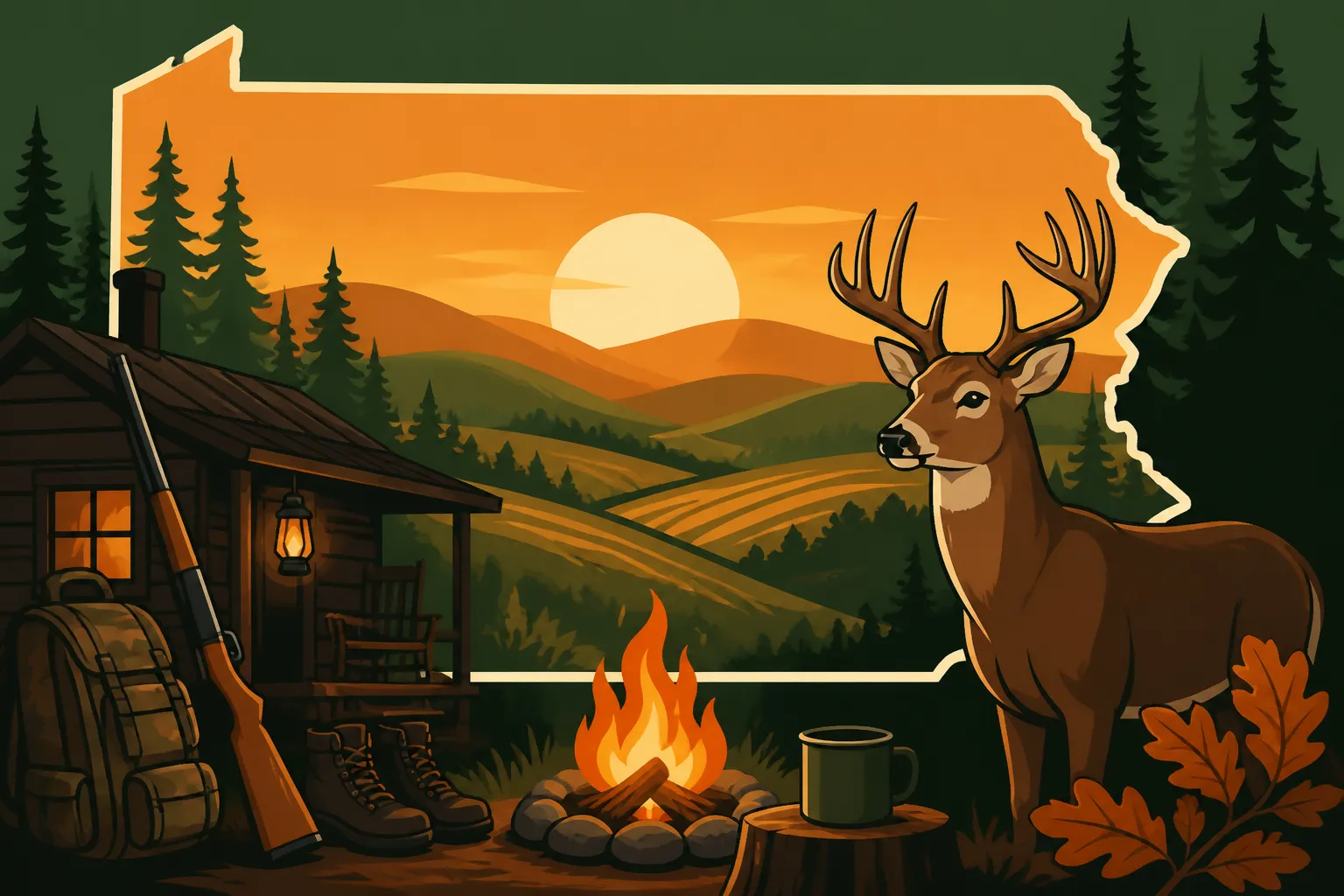
When you hear "deer camp," you might picture a rustic cabin deep in the woods, and often, that's exactly what it is. But it’s also the pop-up camper tucked into a corner of State Game Lands, the rented lodge, or even just a designated section of a family farm. The physical structure is less important than the shared purpose and the collective memories forged within its walls or around its campfire. It's a gathering place where the anticipation of opening day is palpable, and the relief and joy of a successful hunt are celebrated with equal fervor.
What truly defines a Pennsylvania deer camp is the intangible feeling – a sense of belonging, a shared passion, and a deep respect for the tradition itself. It’s where stories are retold, hunting strategies are debated, and friendships are solidified over countless cups of coffee and hearty meals. It's where the pursuit of a buck teaches patience, resilience, and the value of a good tracking job in the snow.
A Legacy Etched in the Woods
Many of these camps have histories stretching back decades, passed down through families like treasured heirlooms. You'll find camps whose logbooks date back to the 1940s, recording every deer taken, every hunter present, and sometimes, even the weather conditions. This legacy is powerful, linking today’s hunters to those who walked the same ridges and valleys generations ago. It’s about remembering great-grandpa’s monster buck, or Uncle Dave’s legendary tracking abilities.
This deep sense of history creates an almost spiritual connection to the land and the past. Hunters return year after year, sometimes to the exact same stand locations or drive routes their predecessors used. It’s a way of honoring those who came before and ensuring that the traditions they established continue for those who will come after. For many, deer camp is the one time a year they get to truly disconnect from the modern world and immerse themselves in this rich heritage.
The Rhythms and Rituals of Camp Life
Deer camp isn't just about hunting; it's a whole experience governed by its own unique rhythms and rituals. These routines, often unwritten but deeply understood, create the framework for the entire week or weekend, making it feel distinct from everyday life.
From Pre-Dawn Coffee to Evening Feasts
The typical deer camp day starts long before sunrise. The aroma of brewing coffee is usually the first sign of life, quickly followed by the clatter of breakfast preparations. Pancakes, eggs, bacon, or a hearty venison chili from a previous year are common fuels for the early morning trek. Hunters grab their gear, check the weather, and head out into the pre-dawn darkness. Whether they're still-hunting the Pennsylvania Big Woods, or setting up for a group drive, the goal is always to be in position before legal shooting light.
After a day of hunting, often spent battling the elements, the return to camp is a welcome relief. Stories from the day—the buck seen, the one missed, the hours spent on stand—are recounted with enthusiasm, sometimes exaggerated for effect. Then comes the evening feast. These meals are often legendary, ranging from pot roasts to massive pasta dishes, all designed to replenish energy and foster good cheer. Butchering a Deer at Camp is also a common camp activity if someone is successful, ensuring fresh meat for the table.
Storytelling, Strategy, and Shared Memories
Evenings at deer camp are perhaps the most cherished time. This is when the day's experiences are dissected, strategies for the next day are discussed, and the camp's oral history is passed down. Tales of past hunts, comical mishaps, and legendary bucks flow freely, often around a crackling fire or wood stove. These stories aren't just entertainment; they're a vital part of the tradition, cementing bonds and teaching lessons to younger hunters.
Mapping tools and apps like GoHunt have become increasingly popular for planning and strategy sessions. Hunters might pull up aerial photos on a tablet, debating the best Entry Routes on Steep Ground or where to set up on a Clearcut Edge. It's a blend of old wisdom and new technology, all in the service of understanding the deer and the land better. These planning sessions, full of animated discussion and shared knowledge, are as much a ritual as the hunt itself.
The Unwritten Rules and Responsibilities
Every deer camp operates under an unspoken code of conduct. These aren't formal laws, but deeply ingrained expectations about participation, respect, and shared responsibility. Everyone has a role, whether it's cooking, cleaning, splitting wood, or leading the deer drives. No one expects to be waited on; it's a collective effort to ensure the camp runs smoothly.
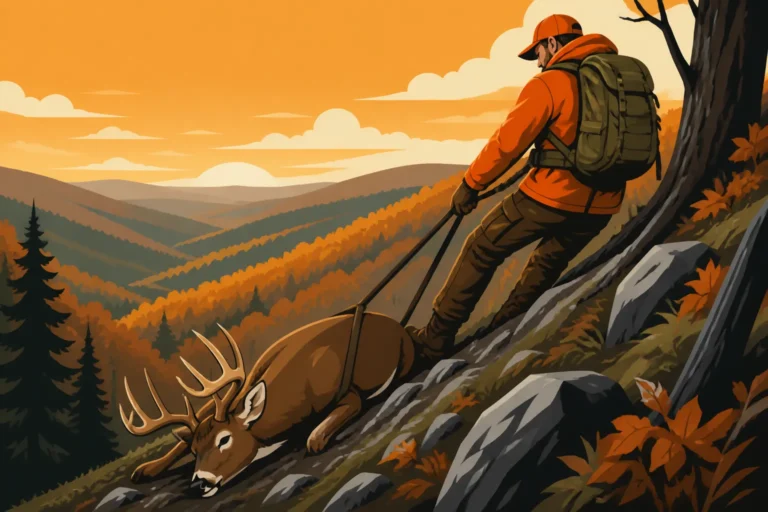
For instance, if a deer is harvested, everyone pitches in to help with the drag, field dressing, and processing. Keeping the camp clean, respecting quiet hours, and contributing to the communal food stash are all part of the deal. These shared responsibilities foster a strong sense of community and reinforce the idea that everyone is a vital part of the camp's success, both in and out of the woods.
Passing on the Heritage: Mentorship and Future Generations
One of the most profound aspects of Pennsylvania deer camp traditions is the intentional passing of knowledge and passion from one generation to the next. It’s a place where hunting isn't just taught but experienced, fostering a deep love for the outdoors in young minds.
Bringing New Hunters into the Fold
Deer camps are often the first exposure many young people have to hunting. Mentored Youth Permit Rules in Pennsylvania make it easier for adults to introduce children to the sport, and camp provides the perfect environment. Here, new hunters learn everything from identifying deer sign to understanding the importance of safety. They absorb the ethics of fair chase, the patience required for a successful hunt, and the immense satisfaction of providing for the table.
Beyond the technical skills, new hunters learn the nuances of tracking, the subtle art of still-hunting Pennsylvania Big Woods, and the importance of understanding Wind and Thermals on a Ridge. These are lessons not easily taught in a classroom, but are absorbed through observation, shared experience, and the wisdom of seasoned camp veterans. It's about instilling a profound respect for wildlife and the environment.
Youth Hunts and First Deer Celebrations
Many camps schedule their gatherings around Pennsylvania Youth Deer Hunt Dates and Rules, providing dedicated opportunities for the next generation. A young hunter's first deer is a monumental occasion at camp, often celebrated with a special ceremony, stories, and photographs that will be cherished for years. This isn't just about the kill; it's about the journey, the effort, and the culmination of lessons learned.
These celebrations reinforce the value of the tradition, making young hunters feel like an integral part of the camp family. It solidifies their connection to the sport and encourages them to carry the torch forward. The anticipation of watching a grandchild or a young mentee take their first deer is often as thrilling, if not more so, than taking one yourself.
Keeping the Camp Alive: Practicalities and Challenges
While rich in tradition, deer camps also demand significant practical effort and commitment. Maintaining these special places and adapting them to modern challenges is key to their longevity.
Managing the Camp's Logistics and Upkeep
Whether it's a rustic cabin or a more established lodge, deer camps require constant maintenance. This means everything from chopping firewood and clearing access roads to repairing roofs and ensuring plumbing works. Many camps have designated work weekends in the off-season, where members gather not to hunt, but to preserve the camp itself. These workdays are just as much a part of the tradition as the hunting season, fostering camaraderie and shared ownership.
Understanding local regulations, such as Camping Rules on Pennsylvania Public Land if your camp is temporary, is crucial. For permanent camps, property taxes, insurance, and utility costs are ongoing concerns. Effective management often falls to a dedicated camp leader or committee, responsible for everything from budgeting to coordinating repairs. The more hands on deck, the lighter the load, which is why strong community within the camp is so vital.
Balancing Tradition with Modern Hunting
The hunting world is always evolving, and deer camps often find themselves balancing cherished traditions with new technologies and methodologies. While the core spirit remains, modern tools can enhance the experience. Using sophisticated mapping applications like GoHunt can help plan Deer Drives With Three or Four Hunters more effectively, or identify promising areas for Hunting Oak Ridges and Benches. These tools don't replace old knowledge; they augment it.
However, the essence of camp remains its connection to simplicity. While a hunter might use a high-tech rifle and scope, the conversations at night still revolve around tracking skills, deer behavior, and the timeless challenge of the hunt. It's about leveraging the best of both worlds – respecting the past while embracing advancements that make the hunt safer, more efficient, and more enjoyable.
The Financial and Time Commitment
Running a deer camp, especially a private one, involves a significant financial commitment. This includes property taxes, insurance, utilities, maintenance materials, and shared food costs. Members often pay annual dues to cover these expenses. For many, this investment is well worth it, representing a tangible link to their heritage and a guaranteed annual escape.
Beyond money, time is a huge factor. The time spent hunting, maintaining the camp, and participating in work weekends all add up. It’s a commitment that requires dedication from all members. For those considering joining or starting a camp, it's essential to understand that it's more than just showing up for opening day. It's about being part of a year-round community dedicated to preserving a cherished way of life.
| Aspect | Traditional View (Deer Camp) | Modern Adaptation / Tool (Deer Camp) |
|---|---|---|
| Location | Remote cabin, family farm, tent deep in the woods | Cabin, rented lodge, RV, or organized Using a Ground Blind on Pennsylvania Game Lands |
| Navigation | Paper maps, compass, local knowledge | GPS units, phone apps like GoHunt, Reading Aerial Photos for Big Woods Deer |
| Communication | Shouting across valleys, designated meeting points | Two-way radios, cell phones (where service permits) |
| Planning | Experience, memory, pre-season scouting on foot | Digital mapping for Scouting Pennsylvania Public Land Before Season, trail cameras |
| Game Recovery | Blood Trailing After Dark in Pennsylvania, physical dragging | Game carts, ATVs (where permitted), more advanced tracking tools |
| Mentorship | Hands-on, storytelling, direct observation | Formal Pennsylvania Hunter Education Requirements, guided hunts |
Disclaimer
Please remember that hunting regulations and land access rules in Pennsylvania can change. Always consult the official Pennsylvania Game Commission website and current digest for the most up-to-date information before planning any hunting trip or establishing a camp. Safety should always be your top priority.