Pennsylvania Elk Hunt Zones
The dream of drawing a Pennsylvania elk tag is alive for so many of us, but when that application comes around, a common frustration surfaces: what exactly are these elk hunt zones, and how do they really impact your chances and your actual hunt? It can feel like you're trying to crack a secret code just to pick the right options. This guide is here to unravel the mystery of Pennsylvania's elk hunt zones, breaking down what they are, why they matter, and how to navigate them effectively.
Understanding Pennsylvania's Elk Hunt Zones
When you apply for that coveted Pennsylvania elk tag, you're not just applying for an "elk tag" broadly. You're actually applying for a specific type of tag (bull or cow) within a designated Elk Hunt Zone. This system is a crucial part of how the Pennsylvania Game Commission (PGC) manages our thriving elk herd, ensuring sustainability and spreading hunting pressure across the landscape. Unlike deer hunting, where you primarily concern yourself with Wildlife Management Units (WMUs) for antlerless tags, elk hunting requires a much more granular understanding of these specific zones.
The Purpose of Elk Hunt Zones
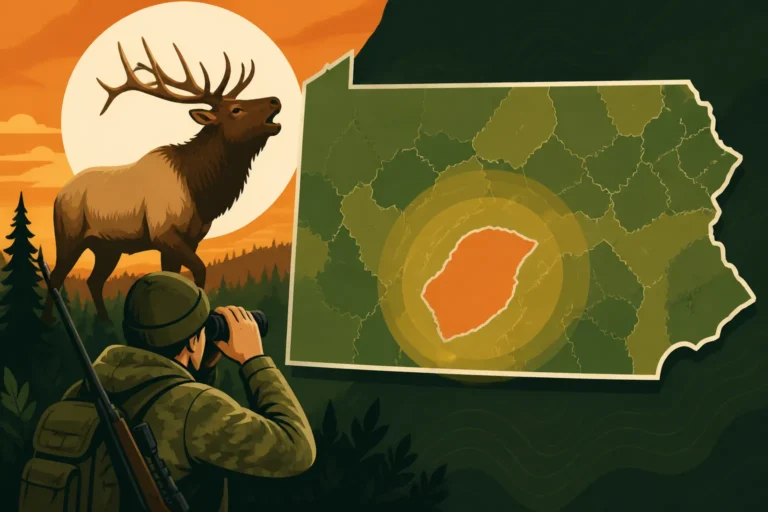
Think of elk hunt zones as finely tuned management tools. Our elk herd, while robust and growing, is concentrated in a specific region of north-central Pennsylvania, often called the Elk in the Pennsylvania Wilds. If every hunter who drew a tag could hunt anywhere in that entire range, it would quickly lead to localized over-harvesting, high hunter density, and potentially stress on the herd in certain areas. By creating distinct zones, the PGC can precisely control how many bull and cow tags are issued for each geographical pocket. This allows them to:
- Manage local populations: If one area has a higher density of elk, they can issue more tags for that zone. Conversely, if an area needs herd growth, they can reduce or eliminate tags.
- Balance bull-to-cow ratios: They can allocate more bull tags in zones where antlered animals are abundant, or more cow tags where reducing overall herd numbers is a priority.
- Distribute hunter pressure: This system helps prevent hundreds of hunters from converging on one small valley, ensuring a better quality hunt for those lucky enough to draw a tag and reducing potential conflicts.
- Address specific issues: Sometimes, elk may cause agricultural damage in a particular area. Zones allow the PGC to target those specific locations with cow tags to mitigate such problems, a key aspect of Pennsylvania Elk Herd Size and Range management.
How Zones Differ from WMUs
For most deer hunters, WMUs are the primary geographical division for regulations. You buy your general hunting license, and then your antlerless deer licenses are specific to a WMU (like 2G or 4D). WMUs are large, often spanning multiple counties, and are designed for broad management of deer and other general game species.
Elk hunt zones, however, are much smaller and more localized. They exist within or across WMUs that constitute Pennsylvania's elk range. For example, WMU 2G might contain several different elk hunt zones. This specificity is necessary because elk occupy a much smaller, more defined habitat than deer. You need to forget WMU boundaries when it comes to elk and focus solely on the elk hunt zone system. This distinction is vital for understanding your Pennsylvania Elk Licence Application and the associated hunt.
A Deep Dive into Pennsylvania's Current Elk Hunt Zones
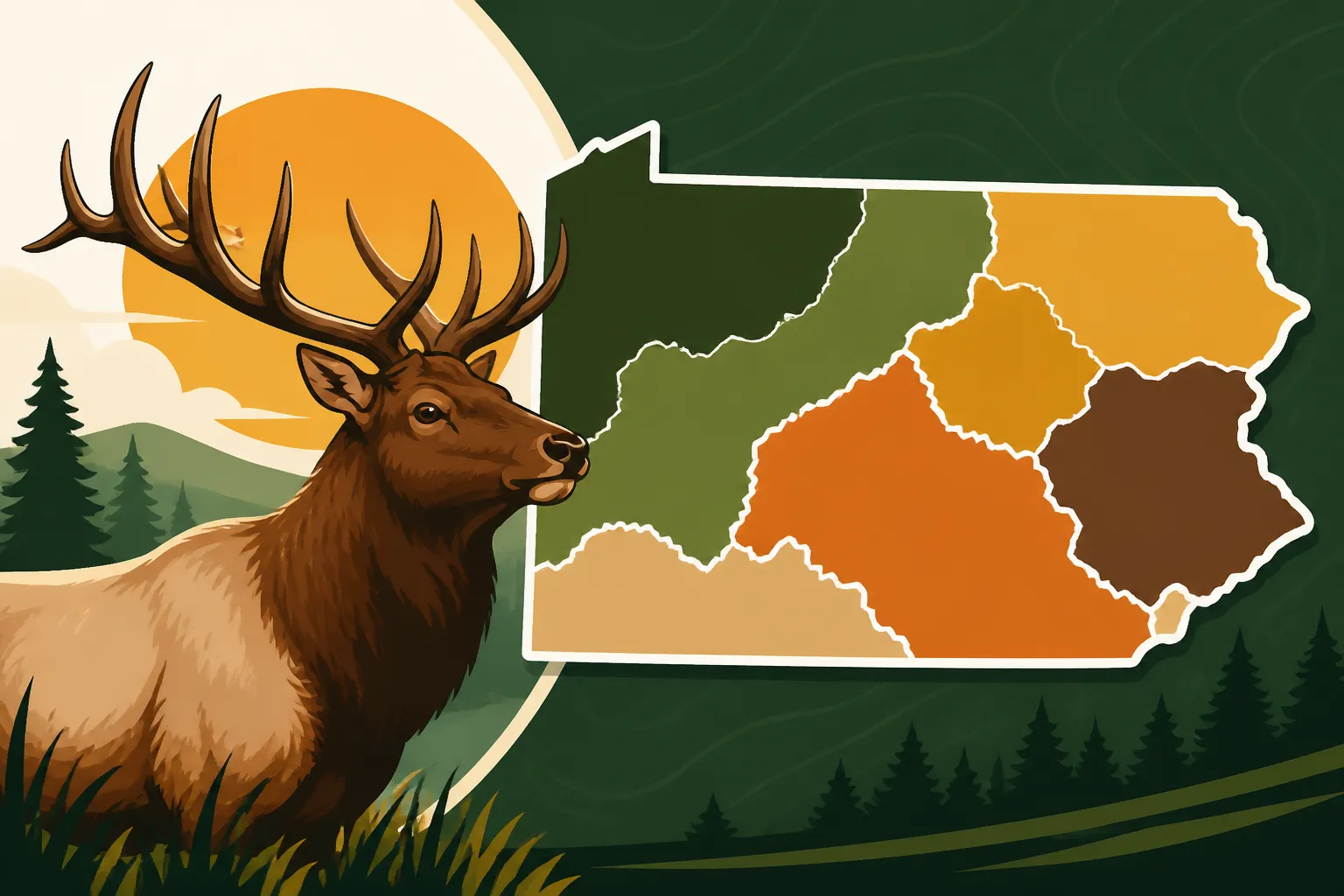
Pennsylvania's elk country is a mosaic of steep mountainsides, deep hollows, regenerating clearcuts, and mature timber. Understanding the nuances of each elk hunt zone can give you a significant advantage, not only in applying for the draw but also in preparing for the hunt itself. As of recent seasons, the Pennsylvania Game Commission manages the elk herd across 14 distinct hunt zones. While some are well-known hotspots, others offer different terrain and challenges. Let's explore some of the more prominent zones to give you a clearer picture.
Zone 1 Benezette and Sinnemahoning
Zone 1 is perhaps the most famous and often the most sought-after elk hunt zone, particularly for bull tags. This is the undisputed heart of Pennsylvania's elk country, encompassing the Benezette area and much of the Sinnemahoning Creek watershed in Elk and Cameron counties. It's where the majority of Elk Viewing in Pennsylvania occurs, and consequently, where elk are most habituated to human presence, though they are still wild animals.
The terrain here is classic "Pennsylvania Wilds" — rugged and heavily forested with mature hardwoods, steep hillsides, and deep ravines. Public land abounds, including significant portions of Elk State Forest and State Game Lands. Vehicle access can be good on primary roads, but getting deep into the backcountry requires legwork. Due to the high visibility of elk and the sheer number of animals, competition for tags in this zone is intense, and draw odds are often very low. However, if you are drawn for Zone 1, you can expect an incredible experience, though perhaps with more interaction with other hunters and sightseers than in more remote zones. The presence of these large animals creates a dynamic hunting environment that blends beauty with challenge.
Zone 2 Driftwood and Emporium
Moving slightly south and east from Zone 1, Zone 2 centers around the Driftwood and Emporium areas, primarily in Cameron County. This zone shares many characteristics with Zone 1 in terms of topography—steep, forested terrain carved by numerous creeks and hollows. It's another excellent area for elk, perhaps slightly less "touristy" than Benezette but still very much prime habitat.
Much of Zone 2 is also comprised of public land, including sections of Elk State Forest and State Game Lands. Access can be a bit more limited than in the immediate Benezette core, often requiring more hiking to get away from roads. Elk in Zone 2 can be a bit more wary due to slightly less constant human interaction, which can make for a challenging but rewarding hunt. Hunters in this zone will find themselves navigating dense timber and needing to understand how elk utilize ridges and creek bottoms, a great place to practice Reading Aerial Photos for Big Woods Deer before the season.
Zone 3 Medix Run and Moshannon State Forest
Zone 3 generally covers areas south of Benezette, stretching into parts of Clearfield and Centre counties, often incorporating portions of Moshannon State Forest. This zone offers a slightly different character than the core Benezette/Driftwood areas. While still rugged, it can sometimes feature more expansive blocks of mature timber and perhaps fewer open fields or visible food plots compared to some other zones.
Public land is prevalent here too, providing ample ground for hunters. Elk in Zone 3 might be more dispersed and require extensive scouting. Success often hinges on finding fresh sign away from obvious travel corridors and understanding how elk navigate the vast forest. Hunters targeting this zone should be prepared for long walks and patient hunting, as animals might not be as concentrated as in other zones. This is prime country where understanding subtle changes in topography, like those discussed in Hunting the Pennsylvania Wilds, truly pays off.
Other Key Zones and Their Characteristics
The other zones, numbered through 16, spread across the broader elk range, each with its own specific characteristics:
- Zone 4 (North of St. Marys): This zone often incorporates some agricultural interface with forested hills, offering a mix of cover and feeding opportunities. Elk can be found utilizing both the timber and crop fields.
- Zone 8 (Southwest of Benezette): A more remote, rugged zone with less road access in some areas, potentially offering a more wilderness-like experience. Hunters here need to be self-sufficient and prepared for steep climbs and thick cover.
- Zone 9 (North of Bennetts Valley): Similar to other core zones but often with a mix of regenerating clearcuts and mature woods, providing diverse habitat for elk.
- Zone 10 (Quehanna Wild Area): This zone includes parts of the extensive Quehanna Wild Area Hunting, known for its remote, vast tracts of forest. Hunting here requires significant physical endurance and navigation skills. Elk might be less tolerant of human presence.
- Zone 14 (Eastern Elk County): Located further east, this zone can have good numbers of elk and often a mix of public and private timber company lands. Hunters will need to identify areas with good feed and cover.
Each zone has unique features, and the PGC adjusts tag allocations based on herd health and management objectives within each. It's essential to consult the latest PGC elk hunting guide for the most accurate and up-to-date zone boundaries and regulations.
To help visualize these differences, here's a general overview of some prominent zones:
| Elk Hunt Zone | General Location (Counties) | Primary Habitat Characteristics | Typical Terrain | Notes on Elk Behavior / Hunting |
|---|---|---|---|---|
| Zone 1 | Elk, Cameron | Mature hardwoods, open viewing areas, food plots | Steep, rolling | Often habituated, high density |
| Zone 2 | Cameron, Elk | Mixed hardwoods, some clearcuts, river bottoms | Steep, rugged | Slightly warier, good numbers |
| 3 | Clearfield, Centre | Vast mature timber, dense understory, remote blocks | Hilly to steep | More dispersed, requires scouting |
| 4 | Elk, McKean | Forested ridges, agricultural edges, stream valleys | Rolling, varied | Mix of forest and field activity |
| 8 | Clearfield, Elk | Remote, dense forest, limited access | Very steep, wild | Primitive hunting experience |
| 10 | Elk, Cameron, Clearfield | Extensive mature forest, dense laurel thickets (Quehanna) | Rugged, remote | Wary elk, challenging access |
Navigating the Elk Draw and Zone Selection
Getting an elk tag in Pennsylvania is undoubtedly a lottery, truly a Pennsylvania's Once-in-a-Lifetime Elk Draw experience for many. The application process is straightforward, but making informed decisions about which zone to apply for can significantly influence your chances and your eventual hunting experience. This isn't just about wishing for the best; it's about strategizing.
The Application Process and Preference Points
Every year, hopeful hunters apply for the Pennsylvania elk lottery. You can apply for a bull tag, a cow tag, or both (though you can only win one). The application usually opens in the spring and closes in the summer, with the drawing held publicly in the fall. You'll need a general hunting license to apply for an elk license, so make sure you're squared away with Pennsylvania Hunting Licences and What They Cost well in advance.
The most critical factor in the draw, besides sheer luck, is the preference point system. For every year you apply for an elk license and are unsuccessful, you earn one preference point. These points accumulate. When the drawing occurs, applicants with more preference points get preference. This means that if you've been applying for 10 years without success, you'll have 10 preference points, giving you a significantly better chance than someone applying for the first time. However, it's not a guarantee; it simply puts you in a higher tier. If you skip a year, your accumulated preference points are reset to zero, which is a hard lesson many have learned! Remember to apply every single year, even if you just check the box for "any elk" and hope for the best. You can find specific dates for the draw on the Pennsylvania Elk Application Dates page.
Strategic Zone Selection
This is where understanding the zones really comes into play. On your application, you'll be asked to choose your preferred zones for both bull and cow tags, usually with a first, second, and third choice. This is where you need to weigh several factors:
- Draw Odds: Historically, some zones have much better draw odds than others. Zones with high elk concentrations, particularly for bulls (like Zone 1), will have astronomically low odds because everyone wants to hunt them. More remote zones, or those with higher cow tag allocations, might have slightly better odds. Tools available online, such as the analytics offered by platforms like GoHunt, can help you analyze past draw statistics for each zone, allowing you to make a more data-driven decision. This can be invaluable if your primary goal is simply to draw any tag.
- Access and Terrain Difficulty: Be realistic about your physical capabilities and desired hunting style. Do you want to hunt areas with relatively good road access, or are you prepared to backpack deep into rugged, mountainous terrain? Zones like Quehanna (Zone 10) offer an incredible wilderness experience but demand physical prowess. Others, closer to towns, might have easier access but also more pressure.
- Bull vs. Cow: Generally, bull tags are much harder to draw than cow tags. If your lifelong dream is a trophy bull, you might focus on applying for bull-only and building preference points. If your goal is simply to experience a Pennsylvania elk hunt and fill the freezer, prioritizing cow tags in zones with higher allocations will increase your odds.
- Local Knowledge: If you have friends or family who hunt specific areas, their insights into particular zones can be gold. They might know where to find Where the Pennsylvania Elk Hunt Zones Sit or how elk respond to pressure in certain locales.
Carefully consider your priorities: Is it about drawing a tag any tag, or are you holding out for a specific experience in a particular zone? This will guide your selections.
Scouting and Hunting within Your Chosen Zone
Congratulations! You've beaten the odds and drawn a Pennsylvania elk tag. Now the real work begins. Your understanding of the elk hunt zones needs to transition from application strategy to boots-on-the-ground reality. Successfully hunting elk in Pennsylvania requires significant preparation, especially since the terrain can be unforgiving.
Pre-Season Scouting Strategies
Even if you drew a tag in your dream zone, you can't just show up on opening day hoping for the best. Extensive pre-season scouting is absolutely essential. This should involve both "e-scouting" and physical scouting.
-
E-Scouting: Start with high-quality aerial maps and topographic maps. Platforms like GoHunt or other digital mapping applications are incredibly powerful for this. Identify key features within your specific zone:
- Ridge lines and saddles: These are natural travel corridors for elk.
- Water sources: Creeks, seeps, and springheads are crucial, especially in dry weather.
- South-facing slopes: These often green up earlier and receive more sun, making them preferred bedding areas in colder weather.
- Thick cover: Laurel thickets, hemlock stands, and regenerating clearcuts provide security cover.
- Food sources: Acorn-producing oaks, beech stands, and agricultural fields (if applicable in your zone) are magnets for elk. Pay attention to how elk use these resources, much like you would when Hunting After the Acorn Crop Fails for deer.
- Access points: Locate parking areas and potential entry routes that allow you to get into prime habitat quietly. Remember, you might be sharing Public Hunting Land in Pennsylvania with others.
-
Physical Scouting: Once you've identified promising areas on maps, it's time to put boots on the ground. Visit your zone in the weeks or months leading up to the season. Look for fresh elk sign:
- Tracks: Size and freshness are key indicators.
- Droppings: Look for fresh pellets or piles.
- Beds: Flattened areas in tall grass or brush indicate where elk have rested.
- Rubs and scrapes: Bull elk will rub velvet off their antlers on trees and create scrapes, especially during the rut (though the PA elk hunt is usually post-rut).
- Wallows: Muddy depressions where elk have rolled.
- Active feeding areas: Look for stripped bark, browsed vegetation, or disturbed ground in oak flats.
Focus on patterns. How are elk moving between bedding and feeding areas? Where do they go when pressured? What are their preferred escape routes? Learning these subtle cues will be the difference between a frustrating hunt and a successful one. Check out our guide on Scouting Pennsylvania Public Land Before Season for more general tips that apply directly to elk.
Key Terrain Features and Elk Behavior
Understanding how elk use the landscape within their specific zones is paramount. They are creatures of habit and efficiency.
- Big Woods Habitat: Many elk zones fall into the "big woods" category. In these vast tracts, elk often follow contours, using benches along steep hillsides as travel routes. They will move between higher elevation bedding areas (often on benches or thick points offering good visibility and wind advantage) and lower elevation feeding areas (creek bottoms, regenerating cuts, or oak flats). Wind and thermals are critical here; elk will often bed where they can smell danger from below and see it from above.
- Mountain Laurel and Clearcuts: These dense areas provide crucial escape and bedding cover. Elk will vanish into a thick patch of laurel at the first sign of danger. Understanding how to approach these areas quietly and effectively is vital. Conversely, the edges of clearcuts are often feeding hotspots, as new growth provides succulent browse. Setting up on a clearcut edge, as detailed in Setting Up on a Clearcut Edge, can be a highly effective tactic.
- Water Sources: Elk, like all animals, need water. Secluded springs, small creeks, and unpressured stream bottoms can be excellent places to find elk, especially during dry periods.
- Pressure Points: Elk learn quickly. Areas with high human activity (roads, trails, popular viewing spots) will see elk become more nocturnal or move to denser cover. Your scouting should identify these pressure points and help you find less-disturbed areas where elk feel safe during daylight hours. This often means walking further than most other hunters.
Remember, elk are large, powerful animals, but they are also incredibly cautious. A successful hunt combines meticulous preparation, a deep understanding of the chosen zone's unique geography, and an appreciation for elk behavior.
Disclaimer
Always consult the official Pennsylvania Game Commission Digest for the most current and comprehensive regulations before heading afield. Hunting laws and regulations can change, and it is the hunter's responsibility to be aware of all applicable rules.