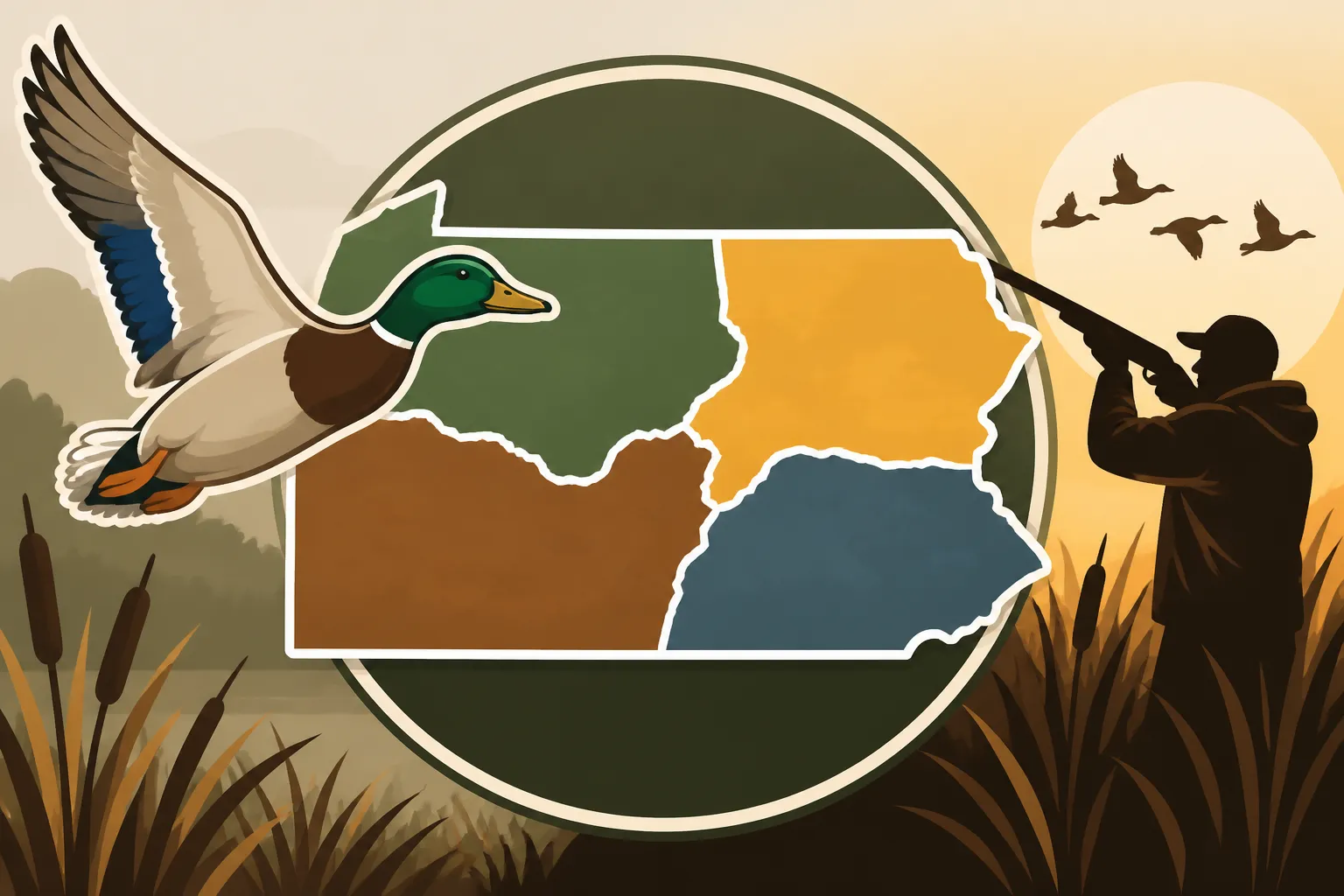
Pennsylvania Duck Season Dates by Zone
It's no secret that figuring out Pennsylvania's duck season dates can feel like trying to solve a complex puzzle, especially with different zones and species-specific regulations. Many of us have felt that pang of confusion, wondering if we're even hunting in the right place at the right time. This comprehensive guide aims to cut through the noise, breaking down the precise duck season dates by zone across Pennsylvania so you can hit the water confident and fully prepared.
Understanding Pennsylvania's Primary Duck Zones
When you're gearing up for a waterfowl hunt in the Keystone State, the first thing you absolutely need to understand is how Pennsylvania divides its hunting areas for ducks. Unlike some other game species, for ducks (and coots and mergansers), the Pennsylvania Game Commission (PGC) keeps things relatively straightforward with two main zones. This is crucial because a simple county line or a stretch of water can mean entirely different opening and closing dates, as well as distinct daily regulations.
These zones aren't just arbitrary lines on a map; they're established based on duck migration patterns, local populations, and how various waterbodies impact hunting pressure and success. Ignoring these boundaries can quickly turn an exciting hunt into a frustrating, and potentially illegal, experience. Before you even think about loading decoys into the truck, take a moment to confirm which zone you're actually planning to hunt in.
Defining the Lake Erie Zone
First up is the Lake Erie Zone. This area is pretty self-explanatory, encompassing Lake Erie and Presque Isle Bay. It stretches from the Ohio state line all the way to the New York state line. If you're planning to hunt the big water of Lake Erie itself, or the sheltered waters of Presque Isle Bay, you're firmly within this zone. This area is a significant stopover for various duck species, particularly divers, due to its vast open water and abundant food sources.
The unique ecosystem of Lake Erie, being one of the Great Lakes, provides a distinct habitat that influences migration timing and the types of ducks you're likely to encounter. Hunters in this zone often target species like scaup, redheads, canvasbacks, and goldeneyes, which thrive in these larger, deeper waters. Understanding that this body of water operates on its own set of rules is paramount for anyone venturing out in the northwest corner of the state.
Identifying the Remainder of State Zone
The second, and much larger, zone is simply called the Remainder of State Zone. As the name suggests, this includes every other piece of land and water in Pennsylvania that isn't part of the Lake Erie Zone. This vast area covers everything from the tidal marshes of the Delaware River to the mountain streams of the Alleghenies, and the sprawling agricultural fields with scattered farm ponds in the south.
Most hunters in Pennsylvania will find themselves operating within this "Remainder of State" zone. This includes major rivers like the Susquehanna, Allegheny, and Ohio, countless smaller creeks, swamps, beaver ponds, and impoundments. Because of its immense diversity in habitat, you'll find a wide array of duck species here, from dabblers like mallards, wood ducks, and green-winged teal in smaller wetlands to some divers on larger lakes and rivers. Knowing your location relative to the Lake Erie Zone is really the only distinction you need to make to determine your duck season dates.
Lake Erie Zone Duck Season Dates
Hunting the Lake Erie Zone offers a unique experience, heavily influenced by its position along a major migratory flyway. The season structure here is specifically designed to align with the typical arrival and departure of the various waterfowl species that utilize this significant body of water. For the 2023-2024 season, hunters in the Lake Erie Zone saw a season split to maximize opportunities.
It's common for the PGC to implement split seasons, which means the season opens, closes for a period, and then reopens. This strategy allows hunters to capitalize on different waves of migratory birds and adapt to varying weather conditions. Always double-check the most current PGC Waterfowl Digest each year, as dates can shift slightly.
First Segment of the Lake Erie Duck Season
The first segment of the duck season in the Lake Erie Zone for 2023-2024 opened on October 23rd. This initial period ran for a short stretch, closing on October 28th. This early segment often coincides with the arrival of some of the earlier migrating ducks, giving hunters a chance to get out before the intense cold sets in. You might encounter local birds, but also the first push of northern migrants.
During this relatively brief window, success often hinges on monitoring local conditions, scouting shorelines, and understanding where ducks are staging. With the right intel, you can have some fantastic hunting even in a short timeframe. Many hunters use this early period to target resident birds or the initial waves of migratory dabblers before the big push of divers. Consider focusing on protected bays or points where ducks might be feeding or resting before making longer journeys.
Second Segment of the Lake Erie Duck Season
Following a closed period, the Lake Erie Zone duck season reopened for its second, longer segment on November 7th. This segment then continued all the way through December 27th. This later period is typically when the main influx of diverse waterfowl species, especially diving ducks, arrives on Lake Erie. The colder weather often concentrates birds, making for some truly memorable hunts if you can brave the elements.
This extended late season is prime time for hunters targeting species that prefer the vast open water and deeper foraging opportunities that Lake Erie provides. When you're planning for these late season hunts, expect colder temperatures and potentially rougher water. Strong winds can make boat hunting challenging, but they can also push birds closer to shorelines and protected areas. Tools like GoHunt can be invaluable for pinpointing potential hotspots and understanding the topographical nuances of the lakefront, helping you find those sheltered coves or feeder streams that hold birds.
Remainder of State Zone Duck Season Dates
For the vast majority of Pennsylvania, outside of the specific Lake Erie boundary, we fall into the "Remainder of State" Zone. This expansive area experiences slightly different migratory patterns and weather conditions, which means its duck season dates are tailored accordingly. Just like the Lake Erie Zone, the Remainder of State also operates on a split season for the 2023-2024 period, giving hunters multiple opportunities to pursue ducks throughout the fall and early winter.
These dates are set to capture the main migratory pushes of dabbling ducks—like mallards, wood ducks, and teal—that frequent the state's rivers, swamps, and impoundments. Understanding these segments is key to planning successful hunts, especially if you're targeting specific species or hoping to catch a fresh wave of birds. Remember, even a small farm pond can hold ducks, and those birds will be subject to these statewide dates.
First Segment of the Remainder of State Duck Season
The first part of the duck season for the Remainder of State Zone in 2023-2024 kicked off on October 21st. This initial segment then continued through November 25th. This early season generally sees a good mix of resident ducks and the first significant pushes of migratory dabblers moving through the state. Think crisp autumn mornings, changing leaves, and plenty of activity in the smaller water bodies and river systems.
This period is often fantastic for targeting wood ducks, which are abundant in Pennsylvania's timbered swamps and flooded bottomlands. You'll also find plenty of mallards and various teal species. Success during this segment often comes down to scouting flooded timber, small ponds, and river backwaters. Hunters exploring Duck Hunting Pennsylvania Rivers or even Jump Shooting Small Creeks will find this early segment highly productive. Pay close attention to local food sources, such as acorns and aquatic vegetation, as ducks will be keying in on these during this time.
Second Segment of the Remainder of State Duck Season
After a brief closure, the duck season in the Remainder of State Zone reopened for its second, longer segment on December 12th, and it continued all the way until January 13th. This late season can be incredibly rewarding, but it often comes with much colder weather, ice formation, and the need for more robust gear. This is when large numbers of mallards and other hardy species settle into areas with open water and consistent food.
Hunting in December and January in Pennsylvania means dealing with winter conditions. Rivers and larger lakes might remain open, while smaller ponds freeze solid. This concentrates ducks into fewer, more accessible areas. This segment is an excellent time for hunters willing to brave the cold, especially when targeting mallards that have become resilient to hunting pressure. Remember that Waterfowl Hunting on Pennsylvania Waters in late season often involves breaking ice, so be prepared with the right equipment and safety precautions.
Species-Specific Regulations and Bag Limits
While the zone dates give you the broad strokes of when you can hunt, the devil is in the details when it comes to specific duck species. Pennsylvania, like other states, implements species-specific daily bag limits and sometimes even different season structures for certain ducks. This is a critical aspect of waterfowl management, designed to protect less abundant species while allowing for generous harvests of more common ones. Getting this wrong can lead to violations, so always be sure of your target before you pull the trigger.
It's not enough to simply know "duck season is open." You need to be able to identify the birds you're shooting and understand their individual limits. This adds an extra layer of challenge and skill to waterfowl hunting, pushing us to become better bird identifiers.
Daily Duck Bag Limits
For the 2023-2024 season, the general daily bag limit for ducks (including coots and mergansers) was 6 ducks. However, this isn't a blanket "any 6 ducks." There are specific restrictions on certain species within that 6-duck total:
- Mallards: No more than 4 mallards, and within those 4, no more than 2 hens. Distinguishing between drake and hen mallards is crucial.
- Black Ducks: Limited to 2 per day. These can be tricky to differentiate from some other dark-colored ducks, especially in poor light.
- Canvasbacks: Only 2 per day. These distinctive diving ducks are highly sought after.
- Pintails: A strict limit of 1 per day. Pintails are known for their elegant appearance and long tail feathers.
- Redheads: Up to 2 per day.
- Scaup (Bluebills): The limit for scaup often has a split structure. For the early portion of the season, it was 2 scaup per day. During the late portion, it dropped to 1 scaup per day. This split limit is designed to protect scaup populations during certain times of their migration.
- Wood Ducks: You can harvest up to 3 wood ducks per day. These beautiful birds are a favorite among many hunters.
- Mottled Ducks: Only 1 per day.
- Fulvous Whistling Ducks: Only 1 per day.
For mergansers, the daily bag limit was 5, with no more than 2 being hooded mergansers. For coots, the daily bag limit was 15. The possession limit for all species listed is typically three times the daily bag limit, meaning that's how many you can legally have in your possession after multiple days of hunting. Always check your birds to ensure you're not exceeding these critical limits. You can find comprehensive details in the Pennsylvania Waterfowl Seasons and Zones guide.
Why Species-Specific Limits Matter
These detailed bag limits are implemented for very important reasons, primarily focused on conservation and sustainable hunting. Different duck species have varying population sizes, breeding success rates, and vulnerability to hunting pressure. For instance, mallards are typically abundant, allowing for a more generous limit. In contrast, pintails or black ducks might have lower populations or face other environmental pressures, necessitating stricter limits to ensure their long-term health.
Understanding these regulations requires more than just a passing glance at the PGC digest. It demands that we, as ethical hunters, educate ourselves on waterfowl identification. There are fantastic resources available, from field guides to online tools, that can help you distinguish between species, and even between male and female ducks, particularly mallards. This knowledge not only keeps you legal but also deepens your appreciation for the diverse wildlife Pennsylvania offers.
Essential Permits and Licenses for Waterfowl Hunting
Beyond knowing the season dates and bag limits, there are specific permits and licenses you absolutely must have in hand before heading out for ducks in Pennsylvania. Forgetting even one of these can land you in serious trouble with the PGC. It’s a bit more involved than just a general hunting license, and it’s important to understand why each one is required. Think of it as your waterfowl hunting passport – you need all the stamps to get through.
Navigating these requirements can sometimes feel like a bureaucratic hurdle, but each permit plays a role in funding conservation efforts and tracking migratory bird populations. These funds directly support habitat work, research, and enforcement that ultimately benefit the very birds we love to pursue.
Pennsylvania Hunting License and Migratory Game Bird License
First and foremost, you'll need your basic Pennsylvania Hunting License. This is the foundation for almost all hunting activities in the state. If you don't have this, you can't hunt anything, period. On top of that, for migratory game birds, which include ducks, you also need to purchase a Pennsylvania Migratory Game Bird License. This is a specific add-on that helps the state manage these transient populations.
Purchasing your licenses is usually pretty straightforward, whether you do it online through the PGC website or at a licensed agent. It's always best to get these well in advance of the season, as you don't want to be scrambling on opening day. Remember, this state-specific migratory stamp directly contributes to Pennsylvania's waterfowl management programs.
Federal Duck Stamp
Next up is a big one that often catches new waterfowl hunters by surprise: the Federal Duck Stamp. This isn't just a pretty piece of artwork; it's a vital conservation tool. Each year, 98% of the revenue from Federal Duck Stamp sales goes directly to acquiring and protecting wetland habitat and purchasing conservation easements for the National Wildlife Refuge System. This system provides critical habitat for migratory birds and other wildlife, and many of these refuges offer public hunting opportunities.
The Federal Duck Stamp must be signed across its face and carried with you while hunting migratory waterfowl. You can purchase these at post offices, many sporting goods stores, and online. It's truly one of the most effective conservation programs in the country, and by buying one, you're directly contributing to the future of waterfowl hunting.
Harvest Information Program (HIP) Registration
Finally, every migratory game bird hunter in Pennsylvania must register with the Harvest Information Program (HIP). This isn't a separate physical stamp or license you carry; it's a brief survey you complete annually when you purchase your hunting license or migratory bird license. The information collected (like which species you plan to hunt) is used by the U.S. Fish and Wildlife Service to estimate the number of migratory birds harvested each year.
This data is crucial for setting future hunting seasons and bag limits, ensuring that populations remain healthy and sustainable. It's quick, painless, and absolutely mandatory. You'll typically be asked if you hunt doves, ducks, geese, woodcock, snipe, or rails. Be honest with your answers, as this vital information directly impacts future regulations. Make sure you've completed your Pennsylvania HIP Registration for Migratory Birds before you step into the marsh.
Navigating Season Splits and Daily Limits
Understanding the nuts and bolts of daily bag limits and possession limits is just as crucial as knowing your zone boundaries and season dates. It's not enough to be out in the field during the legal season; you also have to abide by the rules governing how many birds you can harvest and possess. Misinterpreting these regulations is a common pitfall for new and even experienced hunters, so let's clear up some of the potential confusion.
These rules are designed to prevent overharvesting and ensure that enough birds survive to breed in subsequent years, maintaining healthy populations for future generations of hunters. It's a fundamental part of responsible waterfowl hunting.
Understanding Daily Bag Limits Versus Possession Limits
Let's reiterate the difference:
- Daily Bag Limit: This is the maximum number of birds you can harvest in a single day. For instance, if the daily limit for mallards is 4 (no more than 2 hens), you can't shoot a fifth mallard drake, even if you still have room in your overall 6-duck daily limit. This limit resets at midnight.
- Possession Limit: This refers to the maximum number of legally harvested birds you can have in your possession at any given time. This includes birds at your home, in your freezer, in your vehicle, or at a camp. The possession limit is usually three times the daily bag limit. So, if the daily duck limit is 6, the possession limit is 18. This limit accumulates over multiple hunting days.
For example, if you hunt on Monday and shoot 6 ducks, and then hunt again on Tuesday and shoot another 6, you now have 12 ducks in your possession. If you hunt on Wednesday and shoot 6 more, you've reached your possession limit of 18 ducks. If you wanted to hunt again on Thursday, you would need to either give away some ducks (following proper tagging rules) or consume some to get below that 18-bird threshold. This rule is particularly important for hunters who travel or have long seasons.
The Role of Season Splits
You've already seen that both the Lake Erie Zone and the Remainder of State Zone use split seasons for ducks. Why do the wildlife agencies do this? Split seasons are a common management tool used to:
- Align with Migration: Ducks don't all migrate at once. Split seasons allow hunters to target different waves of birds – earlier local populations or northern migrants, and then later pushes of ducks as colder weather sets in. This maximizes hunter opportunity.
- Manage Pressure: A mid-season break can give birds a reprieve from hunting pressure, allowing them to rest and feed without constant disturbance, potentially making them more callable and less wary when the season reopens.
- Adapt to Weather: Early splits can capitalize on mild weather and open water, while later splits prepare for colder conditions that might concentrate birds.
The challenge for hunters with split seasons is simply keeping track of the specific open and closed dates. It requires diligent checking of the PGC's annual regulations. A common mistake is to assume the season is open continuously. Always mark your calendar or use a reliable app like GoHunt to keep track of these crucial dates.
Maximizing Your Success: Scouting and Planning by Zone
Knowing the dates and zones is the critical first step, but transforming that knowledge into successful hunts takes proactive scouting and careful planning. You can have all the right permits and know every date by heart, but if you're not in the right place at the right time, those ducks aren't going to fly into your spread. This is where the real work and satisfaction of waterfowl hunting come in.
Effective planning means blending your understanding of regulations with keen observation and preparation. It's a combination of science and art, honed over seasons spent in the blinds and along the waterways.
Zone-Specific Scouting Strategies
Your scouting approach needs to change based on which zone you're hunting:
- Lake Erie Zone: For the big water, focus on areas with protected bays, river mouths, or points that extend into the lake. These spots often act as staging or resting areas for diving ducks. Look for large concentrations of birds rafted up offshore. Pay attention to wind direction; strong winds can push birds into more sheltered areas. Utilizing a mapping tool like GoHunt can help you identify subtle depth changes, underwater structure, or points of land that might concentrate ducks. Knowing about Hunting Lake Erie Divers will give you a significant edge.
- Remainder of State Zone: This zone's diversity means a more varied scouting strategy.
- Rivers and large creeks: Look for backwaters, oxbows, and sloughs with slack current. Ducks often feed and rest in these calmer areas, especially during higher water levels. Pay attention to sandbars and islands. Duck Hunting Pennsylvania Rivers can be phenomenal during the right conditions.
- Small creeks and beaver ponds: Don't overlook these hidden gems! Wood ducks and mallards love secluded, brushy waters. These often require more foot scouting. For tips, consider reading about Jump Shooting Small Creeks.
- Farm ponds and impoundments: These can be honey holes, especially in agricultural areas. Look for ponds with ample food (like waste grain in surrounding fields) and cover. Private land permission is key here.
- Flooded timber and swamps: These are prime wood duck and mallard habitat, especially during the early season. Look for areas with acorns or other mast crops.
Scouting isn't a one-and-done activity; it's an ongoing process. Ducks are dynamic, constantly moving in response to food availability, water levels, and hunting pressure. A spot that was hot last week might be barren this week, so stay adaptable.
Monitoring Weather, Water Levels, and Migration
The weather is arguably the most significant factor influencing duck movements. Cold fronts, significant rainfall, and ice formation all play a crucial role:
- Cold Fronts: Strong cold fronts from the north often bring in new waves of migratory birds. Keep an eye on weather forecasts in Canada and the northern U.S.
- Water Levels: Heavy rains can flood timber or create new feeding opportunities in agricultural fields, drawing ducks in. Conversely, droughts can make traditional spots unusable.
- Ice Formation: As temperatures drop, smaller water bodies freeze first, concentrating ducks on larger, still-open waters like big rivers or reservoirs. Knowing Duck Migration Timing Through Pennsylvania will help you anticipate these movements.
Many hunters track regional migration reports, waterfowl surveys, and even satellite imagery to anticipate bird movements. Combining this broader intelligence with your local scouting efforts will significantly increase your odds of success. Remember, while waterfowl hunting often requires calling and decoy setup, simply being where the ducks want to be is half the battle.
Disclaimer
Please remember that hunting regulations can and do change. While this guide provides information based on the most recent completed hunting season (2023-2024), it is crucial to always consult the current Pennsylvania Game Commission (PGC) Hunting & Trapping Digest or their official website before you hunt. The PGC is the ultimate authority on all hunting regulations in Pennsylvania, and it is every hunter's responsibility to know and follow the law. This article is for informational purposes only and should not be considered a substitute for the official PGC regulations.