How Pennsylvania Stocks Pheasants
For many of us who love chasing upland birds, the sound of a rooster pheasant cackling as it explodes from thick cover is pure magic. But if you've spent any time hunting in Pennsylvania, you know that finding these vibrant birds often means relying on the robust pheasant stocking program managed by the Pennsylvania Game Commission (PGC). It can sometimes feel like a well-kept secret, trying to figure out where and when these birds are released. This comprehensive guide aims to demystify the entire process, offering an in-depth look at how Pennsylvania stocks pheasants, from their journey from chick to release, to how you can make the most of your hunting efforts.
The Enduring Appeal and Necessity of Pennsylvania's Pheasant Program
For generations, the ring-necked pheasant has been an iconic game bird in Pennsylvania, bringing joy and challenge to countless hunters. However, the landscape has changed dramatically, making the PGC's stocking program more vital than ever to maintain this cherished hunting tradition.
Historical Context of Pheasant Decline
Back in the day, pheasants were truly abundant across Pennsylvania's farmlands. If you talk to older hunters, they'll tell you stories of fields teeming with wild birds, especially through the mid-20th century. These wild populations thrived on a mosaic of small farms, hedgerows, and diverse agricultural practices that provided ideal nesting cover, brood-rearing habitat, and winter food sources. It was a golden era for pheasant hunters, with self-sustaining populations providing ample opportunities.
However, things began to shift drastically starting in the latter half of the 20th century. Changes in farming techniques, such as larger monoculture crops, increased use of pesticides, and the consolidation of small family farms into larger operations, gradually eroded the critical habitat pheasants needed to survive and reproduce naturally. The loss of fallow fields, brushy fence rows, and diverse rotations meant fewer places for hens to nest successfully and raise their broods. Without this foundational habitat, wild pheasant numbers began a steep and unavoidable decline, leaving many hunters with fewer and fewer chances to experience the thrill of the flush.
Habitat Loss and Its Impact
The biggest culprit in the decline of wild pheasants, not just in Pennsylvania but across much of their former range, is undoubtedly habitat loss. Pheasants need a specific mix of conditions throughout the year: dense, undisturbed cover for nesting in the spring, typically tall grasses or legumes; open, insect-rich areas for chicks to forage in the summer; and robust thermal and escape cover for winter survival, such as thick multiflora rose, brush piles, or dense conifer stands. Modern agricultural practices, while efficient for food production, often eliminate these critical components. Fields are planted fence-row to fence-row, mowed earlier and more frequently, and left with little to no edge cover.
Urban sprawl and suburban development also gobble up former farmland, replacing critical wildlife habitat with houses, roads, and shopping centers. The result is a highly fragmented landscape where isolated pockets of habitat are often too small or too disturbed to support viable wild pheasant populations. This environmental transformation means that even with ideal weather, wild pheasant populations simply don't have the necessary real estate to bounce back. This is precisely why the PGC realized that if pheasant hunting was to continue, human intervention through stocking would be absolutely necessary, creating hunting opportunities where wild birds could no longer persist.
Meeting Hunter Demand and Tradition
Despite the near absence of widespread wild pheasant populations, the desire to hunt pheasants remains incredibly strong among Pennsylvania's sporting community. For many, pheasant hunting isn't just a sport; it's a cherished family tradition, a chance to walk fields with friends, and an opportunity to work their beloved bird dogs. Imagine a crisp November morning, frost on the ground, the scent of autumn in the air, and the eager anticipation of your dog sniffing out a hidden rooster – these are moments that hunters long for and pass down through generations.
The PGC's pheasant stocking program directly addresses this demand. By releasing thousands of pen-raised birds each fall, they ensure that hunters, especially those without access to private lands managed specifically for upland birds, have a reasonable chance of success. This commitment helps to preserve the tradition of upland hunting, introduces new generations to the sport, and provides a significant economic boost to local communities through hunting licenses, gear sales, and travel. Without the stocking program, pheasant hunting would largely cease to exist for the vast majority of hunters in the Commonwealth, leaving a considerable void in our hunting heritage.
Understanding Pennsylvania's Pheasant Stocking Process
It takes a monumental effort to get those pheasants from a tiny egg to a full-grown bird ready for release. The Pennsylvania Game Commission has a well-established system, leveraging state-of-the-art facilities and dedicated staff to make it all happen.
Raising the Birds: From Chick to Release
The journey for a stocked pheasant begins in the incubator. The PGC acquires pheasant chicks, often just a day old, from reputable breeders. These tiny, peeping bundles of feathers are then transported to one of Pennsylvania's specialized game farms. From the moment they arrive, their care is meticulous. They're placed in brooder houses with controlled temperatures, ensuring they stay warm and healthy during their most vulnerable stage. Proper nutrition is critical, so they receive specialized feed formulated for rapid growth and strong development.
As the chicks grow, they are gradually transitioned to larger outdoor pens. These pens are designed to mimic a more natural environment, providing space to run, fly, and develop strong flight muscles. The birds are exposed to varying weather conditions, helping them acclimate to the Pennsylvania outdoors. This semi-wild upbringing is crucial; the goal isn't just to grow a pheasant, but to raise a bird that can fly strongly and offer a sporting challenge to hunters once released. This careful process ensures that when the time comes, the pheasants are robust and ready for their brief but exciting lives in the wild.
The Role of State Game Farms
The backbone of Pennsylvania's pheasant stocking program lies in its state game farms. The PGC operates several such facilities, including the Eastern Game Farm in Lycoming County, the Western Game Farm in Crawford County, and the Northcentral Game Farm in Lycoming County, among others. These aren't just mere facilities; they are highly specialized operations designed to raise pheasants efficiently and healthily. Each farm has extensive brooding houses, flight pens, and equipment for feed production and bird handling.
The staff at these game farms are truly dedicated professionals, working year-round. Their responsibilities include everything from daily feeding and watering, monitoring for diseases, maintaining the pens, and preparing birds for transport. These farms are an incredible asset, providing the sheer volume of birds needed to stock hundreds of sites across the state. Without the capacity and expertise of these state game farms, the scale of Pennsylvania's pheasant stocking program, which releases tens of thousands of birds annually, would simply be impossible to achieve. These facilities are a direct investment in the future of upland hunting. You can even find out more about Where Pennsylvania Pheasant Farms Are if you're interested in the logistics.
Logistics of Release Days
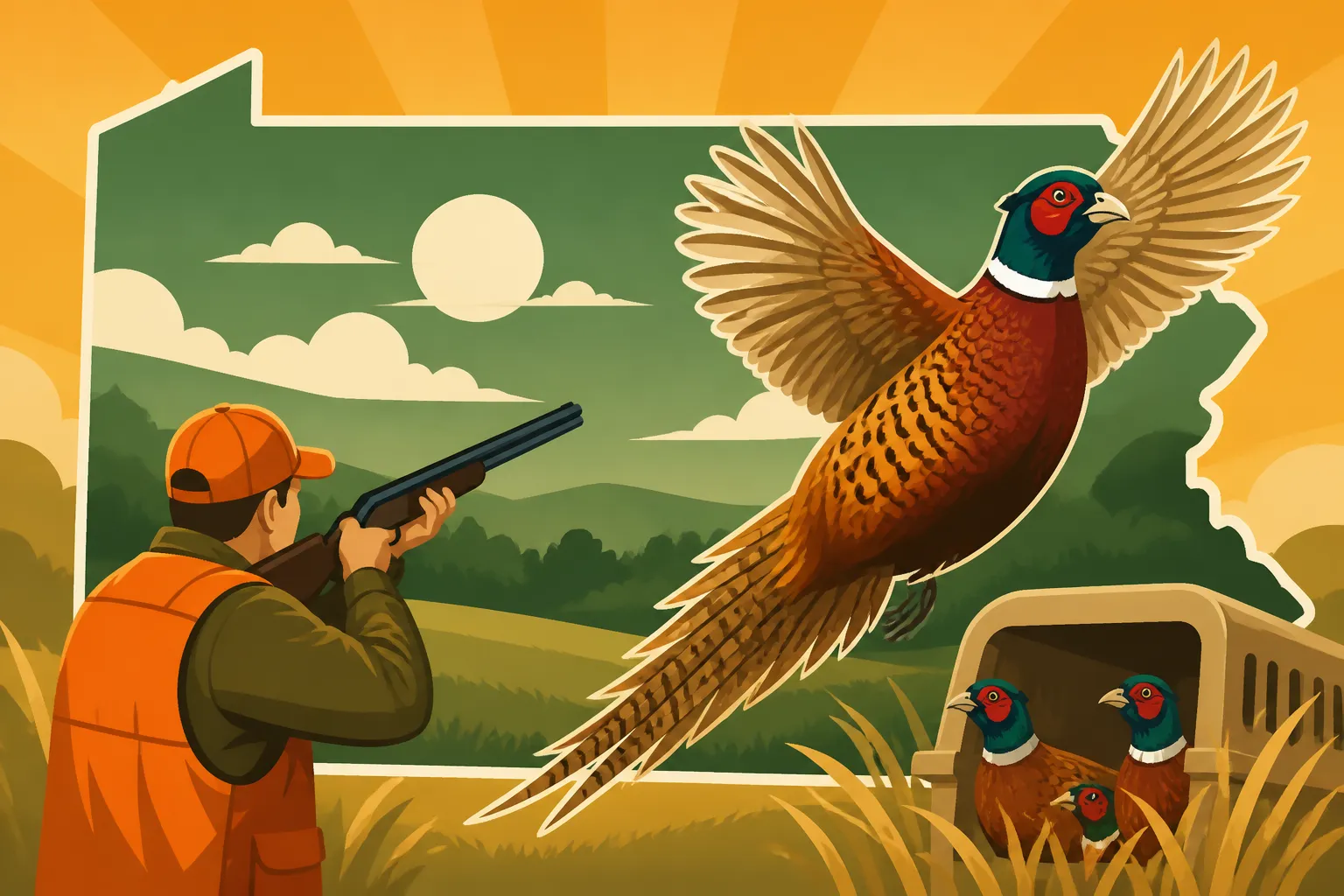
Release days are a carefully orchestrated event, requiring significant coordination and manpower. Once the pheasants reach an appropriate age and size, typically around 18-20 weeks, they are ready for release. This involves catching thousands of birds from the flight pens, placing them into specially designed transport crates, and loading them onto trucks. These trucks are often PGC vehicles, but sometimes private contractors are utilized to ensure timely delivery to the numerous release sites.
The PGC works tirelessly to distribute these birds across designated State Game Lands and other public and private lands enrolled in the Hunter Access Program. Releases are strategically timed to coincide with specific hunting seasons, ensuring a fresh supply of birds for hunters. Staff and volunteers often drive well before dawn to reach distant release sites, carefully distributing the pheasants to maximize their spread and avoid simply dumping them in one concentrated spot. This strategic dispersal aims to give the birds a better chance to spread out and offer a more natural hunting experience. Many hunters rely on resources like GoHunt to understand the specific properties and potential release points, helping them plan their mornings effectively.
Where and When Pheasants are Released
Knowing the "how" is one thing, but the "where" and "when" are what really matter to pheasant hunters. The Pennsylvania Game Commission follows a structured schedule to maximize opportunities throughout the season.
Identifying Stocked Pheasant Release Sites
The Pennsylvania Game Commission makes a concerted effort to distribute pheasants across a wide array of public hunting grounds. The primary locations for releases are designated Stocked Pheasant Release Sites on State Game Lands (SGLs), cooperative public access properties, and some state forest lands. These sites are chosen based on several factors, including suitable habitat (even if temporary), accessibility for hunters, and geographical distribution to serve hunters across the Commonwealth. The PGC publishes maps and lists of these release sites annually, often breaking them down by Wildlife Management Unit (WMU) or county.
It’s crucial for hunters to consult the most current information available from the PGC, as sites can sometimes change. Many of these areas are specifically managed with pheasant releases in mind, often featuring fields of switchgrass, grain plots, or other cover types that, while not necessarily suitable for wild pheasant reproduction, provide excellent holding cover for recently released birds. When you're planning your hunt, paying attention to these marked areas is your first step to success. Don't forget that using mapping tools can also help you scout these areas virtually before you ever set foot in the field, allowing you to identify potential holding cover and likely escape routes for the birds.
The Pennsylvania Pheasant Release Schedule
Timing is everything when it comes to hunting stocked pheasants. The PGC releases birds throughout various segments of the small game season to ensure fresh opportunities. Generally, releases kick off with the When Pennsylvania Stocks Pheasants in the early small game season, often around the third week of October. These initial releases are highly anticipated and can draw considerable crowds. Following this, birds are typically stocked for the regular small game season opener, usually the last Saturday in October, and continue weekly or bi-weekly leading up to and including the Thanksgiving holiday week.
There's often a significant push of birds just before Thanksgiving, as this is a popular time for families and friends to gather and hunt. Post-Thanksgiving, stocking can continue into December, especially for the extended pheasant season, which often runs concurrently with the late archery or flintlock deer seasons. It’s important to remember that these schedules are subject to change based on bird availability, weather conditions, or unforeseen circumstances, so always double-check the PGC's official announcements. Being aware of the schedule is paramount for planning your trips and avoiding hunting areas that might have been picked clean days before.
Here's a general outline of the typical pheasant stocking periods in Pennsylvania:
| Season Segment | Typical Start Date | Frequency of Releases | Primary Focus |
|---|---|---|---|
| Early Small Game Season | Mid-October | Weekly | Opening weekend opportunities |
| Regular Small Game Season | Late October | Weekly | Sustained hunting through early November |
| Thanksgiving Holiday Week | Week of Thanksgiving | High Volume | Maximize opportunities for holiday hunters |
| Extended Small Game Season | Early December – Mid-January | Bi-weekly/Less Frequent | Late-season hunting, often concurrent with deer seasons |
Note: This table represents typical stocking periods. Always consult the official Pennsylvania Game Commission website for the most current dates and information.
Navigating Different WMUs for Stocked Birds
Pennsylvania is divided into 22 Wildlife Management Units (WMUs), each with its own specific regulations and management strategies. When it comes to pheasant stocking, while the program is statewide, the availability and density of stocked birds can vary between WMUs. Some WMUs, particularly those with a higher concentration of suitable agricultural land or State Game Lands managed for small game, receive more frequent and larger releases. WMUs in the southeastern and northwestern parts of the state, for example, often have excellent pheasant hunting opportunities due to their habitat and stocking efforts.
Conversely, more mountainous or heavily forested WMUs, particularly in the big woods regions, tend to have fewer suitable stocking sites and consequently fewer pheasant releases. Hunters must understand which WMUs are traditional stocking hotspots and focus their efforts there. You wouldn't typically expect to find extensive pheasant stocking in a WMU managed primarily for bear and grouse, like some of the northcentral units. Using the PGC's WMU maps in conjunction with their pheasant stocking lists, perhaps with the aid of mapping tools like those offered by GoHunt, is essential for strategic planning. This helps you concentrate your time and energy in areas with the highest likelihood of finding birds, rather than wasting precious hunting days in low-probability zones.
Maximizing Your Hunt for Stocked Pheasants
Hunting stocked pheasants is a unique challenge. While they might not be as wary as wild birds, they still require specific tactics and understanding to consistently put birds in the bag.
Tactics for Hunting Newly Released Birds
When pheasants are newly released, they often stick close to where they were let go. They're disoriented, and their instinct is to find cover quickly. This means that on opening day, or immediately after a fresh stocking, the key is to cover ground thoroughly in and around the release site itself. Don't be afraid to hunt thick cover, especially briar patches, tall grass, and multiflora rose bushes; these provide excellent security for the birds. Focus on walking fence lines, field edges, and brushy draws. However, be prepared for other hunters. Opening Day Crowds on Pennsylvania Game Lands can be substantial, so maintaining hunter safety and etiquette is paramount.
As the day or week progresses, these birds will start to spread out, often moving to adjacent properties or finding new pockets of cover further from the initial release point. They also become "wilder" after a few days, holding tighter and flushing more explosively. At this point, tactics shift to more traditional upland hunting methods: systematic sweeps of fields, working heavy cover, and being prepared for flushes from unexpected places. Consider how the terrain funnels birds and where they might go for food or water. Remember, these birds aren't truly wild, but they adapt quickly to their new environment, becoming more challenging with each passing day.
Working Dogs on Stocked Coverts
A good bird dog is an invaluable asset when Hunting Stocked Pheasants in Pennsylvania. Dogs, especially flushing breeds like Springer Spaniels or retrieving breeds like Labradors, excel at locating birds hiding in dense cover that a human hunter might walk past. Their keen sense of smell allows them to pick up the scent of pheasants that have recently been in an area or are hunkered down, providing the hunter with crucial intelligence. A dog's ability to dive into thickets, bust out pheasants, and then retrieve them, especially if they fall into heavy cover, significantly increases a hunter's success rate and reduces the chances of losing a downed bird.
However, hunting with dogs on stocked coverts requires specific considerations. The sheer number of birds and other hunters can be overwhelming for a young or excitable dog. It's vital to ensure your dog is well-trained, responsive to commands, and under control at all times, especially in areas with high hunter traffic. Bird Dog Gear for Pennsylvania Cover is also critical, including protective vests to prevent injuries from briars and burrs. While the dog's primary role is to find and flush birds, their secondary role is to safely navigate a potentially crowded environment, ensuring a positive experience for everyone.
Understanding Hunting Pressure and Its Effects
Hunting pressure is an undeniable reality on stocked pheasant grounds, and it significantly impacts bird behavior. On opening day or immediately after a fresh stocking, birds are often less wary, and flushes can be frequent. However, constant human and dog presence quickly changes this. Within hours or a day, pheasants learn to run rather than fly, hold tighter in cover, and become much more elusive. They'll gravitate towards the thickest, nastiest cover they can find – the stuff most hunters avoid.
To counter pressure, consider hunting mid-week when crowds are lighter, or targeting areas that require a bit more effort to reach. Walking an extra half-mile from the parking lot can often put you into birds that haven't been disturbed as much. Think about how birds would escape from previous hunters and where they might be pushed to. Sometimes, working the edges of thick stands of evergreens or swamps that seem too difficult to penetrate can pay off. This adaptation by the birds means hunters need to be more strategic and persistent, not just relying on the initial easy flushes but actively seeking out areas where pressured birds might have retreated. Understanding how deer react to pressure in the big woods can even inform how you consider Hunting Pressure on Pennsylvania Game Lands for pheasants.
Challenges and Criticisms of Stocking Programs
While vital for maintaining a hunting tradition, pheasant stocking programs aren't without their complexities and critics. It's important to acknowledge these aspects for a full understanding.
The Cost of Raising and Releasing Birds
One of the most significant considerations of Pennsylvania's pheasant stocking program is the financial investment it requires. Raising tens of thousands of pheasants from day-old chicks to release-ready adults is an expensive undertaking. The costs include everything from purchasing chicks, specialized feed, veterinary care, maintaining the extensive infrastructure of the state game farms, and the labor costs associated with the dedicated staff. Transporting these birds across the state to hundreds of release sites also adds substantially to the budget, including fuel, vehicle maintenance, and personnel hours.
This entire operation is primarily funded through hunting license sales, with a significant portion coming directly from the Pennsylvania Pheasant Permit that hunters are required to purchase if they wish to hunt pheasants. While this ensures that those who benefit directly from the program contribute to its upkeep, it also means that other PGC initiatives must compete for funds. Critics sometimes question whether the investment could be better utilized for habitat restoration for wild species or other conservation efforts. However, proponents argue that the program's cost is justified by the immense recreational value it provides and its role in sustaining hunter recruitment and retention, which ultimately benefits all wildlife conservation through license sales.
Environmental Impact and Disease Concerns
Pheasant stocking programs, despite their benefits, can also raise environmental and biological concerns. One common worry is the potential for introducing diseases from pen-raised birds to wild populations, or even to other species of ground-dwelling birds. Although the PGC maintains rigorous health standards at their game farms, including regular veterinary checks and biosecurity protocols, the risk, however small, of disease transmission always exists when large numbers of animals are raised in close quarters and then released into the wild.
Another area of debate revolves around the genetic integrity of wild populations. While Pennsylvania largely lacks widespread wild pheasant populations, in areas where small, isolated pockets of wild birds do exist, there's a concern that interbreeding with pen-raised birds could dilute the genetic adaptations that allow wild pheasants to survive naturally. These pen-raised birds often lack the survival instincts of their wild counterparts, making them less fit for long-term survival and reproduction. However, given the limited success of Wild Pheasant Recovery Areas in Pennsylvania outside of intensive habitat efforts, this concern is often balanced against the desire to provide any hunting opportunity at all.
The Debate Over "Wild" vs. "Stocked" Birds
Among hunting circles, there's an ongoing, often passionate, debate about the value and ethics of hunting "wild" versus "stocked" birds. Purists often argue that hunting pen-raised pheasants lacks the challenge and romance of pursuing truly wild game. They emphasize the intelligence, wariness, and incredible survival instincts of wild pheasants, which make them a far more elusive and rewarding quarry. For them, a stocked bird, even one that has "wilded up" a bit, simply can't compare to the thrill of a genuinely wild flush. This perspective often aligns with conservation efforts focused on restoring Why Pennsylvania Has No Wild Pheasants across broader landscapes.
On the other hand, proponents of stocking programs, including many everyday hunters, argue that it provides essential access to a beloved sport that would otherwise be lost. They highlight the social aspect, the opportunity to get outdoors, and the sheer joy of working a dog on game. For these hunters, the distinction between wild and stocked becomes less critical than the opportunity itself. The PGC's program attempts to strike a balance, acknowledging the decline of wild populations while still providing valuable recreational opportunities. This ongoing discussion underscores the complex relationship between conservation goals, hunting traditions, and the realities of modern landscapes.
The Future of Pheasant Hunting in Pennsylvania
Pennsylvania's pheasant program continues to evolve, adapting to ecological realities and hunter expectations. It’s a dynamic effort that looks to blend traditional stocking with innovative conservation.
Efforts Towards Wild Pheasant Recovery Areas
While the stocking program is crucial for providing immediate hunting opportunities, the Pennsylvania Game Commission hasn't given up on the dream of restoring wild pheasant populations. Their primary strategy for this is the establishment and management of Wild Pheasant Recovery Areas in Pennsylvania (WPRAs). These are specific geographic regions where intensive habitat management efforts are concentrated, aiming to create conditions where wild pheasants can not only survive but thrive and reproduce naturally. These efforts include planting diverse grasses and legumes, establishing food plots, and managing hedgerows and other forms of dense cover.
In these WPRAs, hunting regulations are often more restrictive, and the release of stocked pheasants may be limited or entirely prohibited to prevent genetic dilution and give wild birds the best chance. The hope is that if successful, these areas could serve as nuclei for wild pheasant expansion into surrounding landscapes. This long-term vision requires significant financial and logistical investment, as well as cooperation from private landowners. It's a challenging endeavor, but one that offers the promise of a truly self-sustaining pheasant resource for future generations.
Partnering with Landowners and Conservation Groups
Habitat restoration for wild pheasants, and even for holding stocked birds, often extends beyond public lands. The PGC recognizes that much of the potential pheasant habitat lies on private property. To address this, they actively partner with private landowners through programs like the Hunter Access Program, which incentivizes landowners to allow public hunting on their property, often with habitat improvements as part of the agreement. These partnerships are vital for increasing the overall land base available for pheasant hunting and for implementing broader habitat initiatives.
Furthermore, conservation groups such as Pheasants Forever and Quail Forever play a critical role. These organizations work with landowners, provide technical assistance for habitat projects, and raise funds specifically for upland bird conservation. They often engage in direct habitat work, planting native grasses, establishing food plots, and creating brushy cover that benefits pheasants and many other species of wildlife. These collaborative efforts, combining state agencies, landowners, and non-profit organizations, are essential for making any significant progress in pheasant habitat improvement across the Commonwealth.
The Continued Importance of the Stocking Program
Despite the challenges and the aspirations for wild pheasant recovery, the reality is that the PGC's pheasant stocking program will likely remain a cornerstone of pheasant hunting in Pennsylvania for the foreseeable future. The vast majority of the state simply lacks the expansive, high-quality habitat needed to support thriving wild populations on a broad scale. The demand for pheasant hunting opportunities is high, and the stocking program reliably delivers those opportunities year after year.
This means that for most hunters, their pheasant season will continue to revolve around the PGC's stocking schedule and designated release sites. It ensures that newcomers to the sport have an accessible entry point, and it allows seasoned hunters to continue a beloved tradition, often working with their dogs. While the dream of widespread wild pheasants persists, the pragmatic approach of stocking guarantees that the exhilarating flush of a ring-neck will continue to echo across Pennsylvania's fields each autumn, maintaining a vital link to our hunting heritage. It’s a balance between managing expectations and providing tangible hunting experiences, and for that, we can appreciate the tireless work of the PGC and the program that helps keep our upland traditions alive.
Disclaimer
Hunting is an inherently dangerous activity. Always prioritize safety by wearing appropriate blaze orange, identifying your target and beyond, and understanding all current regulations. This guide provides general information and should not replace official Pennsylvania Game Commission publications or professional instruction. Regulations, seasons, and stocking schedules are subject to change, so always consult the latest PGC digest and website before heading afield.