How the Game Commission Counts Deer
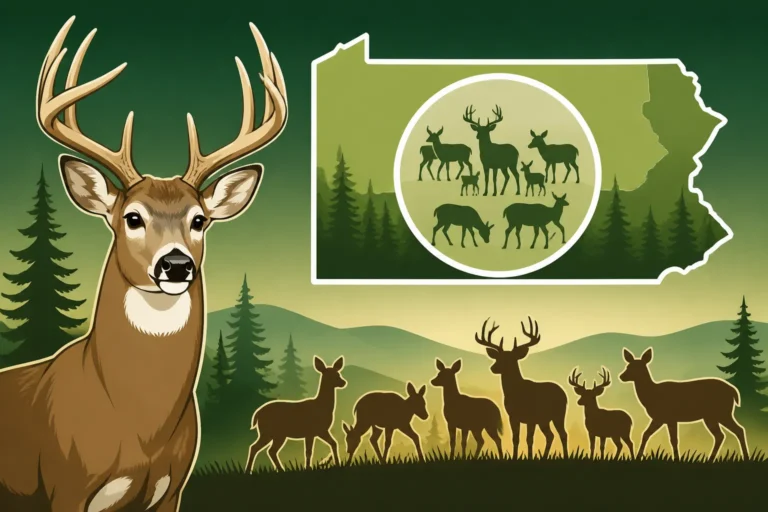
One of the questions that comes up constantly around deer camp, or really anywhere hunters gather, is about how many deer are actually out there. We all have our own observations from the stand or while scouting, and sometimes it feels like the "official" numbers don't quite line up with what we're seeing on the ground. The truth is, counting an entire population of wild, free-ranging animals like Pennsylvania's white-tailed deer is incredibly complex, but the Pennsylvania Game Commission (PGC) uses a combination of scientific methods and hunter data to make the best possible estimates. This guide will pull back the curtain on how they attempt to solve that perennial mystery, offering a clearer picture of their approach.
Why Counting Deer is Such a Challenge And Why it Matters
Trying to count every single deer in Pennsylvania is a lot like trying to count every raindrop in a thunderstorm – it's just not feasible. Deer are masters of concealment, constantly on the move, and they thrive in diverse habitats from dense forests to suburban woodlots. This inherent elusiveness makes direct, comprehensive counts virtually impossible, leading the Game Commission to rely on a suite of indirect methods and statistical models.
The Elusive Nature of Whitetails
Imagine trying to get an accurate count of deer in a thick Pennsylvania clearcut, or across thousands of acres of contiguous big woods. It's a daunting task. Whitetails are incredibly adept at disappearing into cover, especially during daylight hours. They're primarily crepuscular, meaning most active at dawn and dusk, and often nocturnal, adding another layer of difficulty to any daytime survey efforts. Their populations aren't uniformly distributed across the state either; deer density varies wildly depending on habitat quality, hunting pressure, and food availability. This patchwork distribution means that simply sampling a small area and extrapolating won't always give an accurate picture for a larger region.
Beyond their natural stealth, deer populations are also dynamic. They fluctuate due to breeding success, fawn survival, habitat changes, weather patterns, and disease outbreaks. A severe winter, for example, can drastically impact overwinter survival, especially for fawns and older deer. Knowing these factors is crucial, but it also means that a count isn't a static number; it's a moving target, constantly changing. Hunters often feel this directly when they experience a downturn in deer sightings locally, only to wonder if it's an isolated issue or part of a larger trend.
Why Accurate Counts Drive Management
Despite the immense difficulty, getting the most accurate estimate possible is absolutely vital for responsible wildlife management. Without these numbers, the PGC would be flying blind when it comes to setting seasons, issuing permits, and making habitat decisions. The primary goal is to manage the deer herd to a level that is healthy for the deer themselves, ecologically sustainable for the habitat, and socially acceptable for the public, including hunters, farmers, and motorists.
If deer numbers get too high, you start to see widespread habitat degradation, increased deer-vehicle collisions, and more crop damage complaints from farmers. Conversely, if numbers dip too low, hunting opportunities decline, and the economic benefits associated with hunting suffer. So, the PGC uses these population estimates to fine-tune things like the number of antlerless tags issued in each Wildlife Management Unit (WMU) and to adjust season lengths and structures, which you can learn more about in resources like Pennsylvania Deer Seasons and WMU Rules. The data helps them predict the impact of harvest strategies on the herd's age structure and overall health, ensuring that future hunting opportunities remain robust.
The Core Methods: More Than Just 'Eyeball Estimates'
The Pennsylvania Game Commission employs a multi-faceted approach to estimate deer populations. It's not just about flying over with binoculars, though aerial surveys do play a role. Instead, it’s a complex blend of mathematical modeling, field data collection, and essential input from hunters.
Population Modeling: The Data-Driven Approach
At the heart of the PGC's deer population estimates is a sophisticated demographic model. This isn't just a simple spreadsheet; it's a dynamic system that takes various inputs and tries to project the deer population. The core of this model is built upon harvest data – the information collected from hunters who successfully tag a deer. Every time a hunter reports a harvested deer, whether it's an antlered buck or an antlerless doe, that data point becomes a critical piece of the puzzle. This includes details like the WMU where it was harvested, the date, and whether it was antlered or antlerless. This system underscores why adhering to Pennsylvania Deer Tagging Requirements and reporting your harvest is so vital.
The model also considers factors like recruitment rates (how many fawns survive to join the adult population), overwinter survival rates, and natural mortality (from predators, disease, or accidents). By inputting annual harvest totals, combined with biological data collected from hunter-checked deer (like age, often determined by jawbone submissions from road-killed deer or voluntary hunter submissions), the model can then work backward and forward to estimate the overall population size. It’s like putting together a giant, living jigsaw puzzle where each piece of data helps to refine the picture.
Infrared and Thermal Surveys
While not used for statewide population counts, specific, targeted surveys using infrared and thermal imaging technology are employed in certain areas. These surveys are typically conducted from aircraft (helicopters or fixed-wing planes) during winter months when snow cover provides a good backdrop and deciduous trees have shed their leaves, making deer easier to spot from the air. The thermal cameras detect the heat signatures of deer, allowing researchers to count them in specific plots.
These surveys are often conducted in smaller, representative areas or in particular WMUs where more precise data is needed to validate models or address specific management concerns. For instance, if the model suggests a certain deer density in a specific habitat type, a thermal survey might be used to ground-truth that estimate. However, they are incredibly resource-intensive and expensive, making them impractical for a statewide census. They provide valuable snapshots but aren't the primary method for the overall population estimate.
Deer Health and Reproduction Assessments
Beyond direct counts and harvest data, the PGC gathers a wealth of biological information from deer carcasses. Road-killed deer are a grim but important source of data. By examining these animals, biologists can determine age, sex, and reproductive status of does (how many fawns they were carrying). This helps inform the model about fawn recruitment – how many fawns are typically born and survive in different parts of the state. Hunters also contribute to this data through voluntary jawbone submissions, which allow biologists to age harvested deer, providing crucial insights into the age structure of the buck and doe populations.
Analyzing deer health also involves monitoring for diseases like Chronic Wasting Disease in Pennsylvania and EHD (Epizootic Hemorrhagic Disease), known locally as "blue tongue." Disease outbreaks, such as EHD Die-Offs in Pennsylvania Deer, can significantly impact local deer numbers and overall population trends, and tracking these incidents provides another critical data point for the management models. All this information feeds into the big picture, helping to understand not just how many deer there are, but also how healthy they are and how many new deer are entering the population each year.
Hunter Surveys and Data Submission
Hunters are arguably the most important "data collectors" for the Game Commission. Beyond mandatory harvest reports, the PGC also conducts voluntary hunter surveys. These surveys ask hunters about their hunting effort (days spent afield), the number of deer they saw, and specific observations, such as the sex and age class of deer encountered. While subjective, when aggregated from thousands of hunters, this collective observational data can reveal trends in deer sightings and hunter success that complement the more objective harvest data.
Think of it this way: a single hunter’s observation might be anecdotal, but combine thousands of those anecdotes, and patterns begin to emerge. This is where tools like GoHunt that allow hunters to log their sightings and hunt statistics can provide invaluable personal data to help them understand their own hunting success trends over time. The PGC encourages participation in their official surveys because hunters are on the ground, day in and day out, offering a unique perspective that no aerial survey or population model alone can capture. The more hunters participate and provide accurate information, the more robust and reliable the overall data becomes.
Here's a quick look at how various data points contribute to the PGC's understanding of deer populations:
| Data Type | Source | Contribution to Deer Estimates |
|---|---|---|
| Harvest Reports | Hunters (Mandatory) | Core input for population models, provides total take and sex ratio. |
| Jawbone Submissions | Hunters, Road-killed Deer | Determines age structure of harvested and deceased deer. |
| Fawn Recruitment Surveys | Field observation, Biological analysis | Estimates fawn survival rates and future population growth. |
| Road-killed Deer Data | PennDOT, PGC | Provides insight into deer density, sex, and age ratios. |
| Hunter Observation Surveys | Hunters (Voluntary) | Indicates trends in deer sightings and hunter effort. |
| Aerial Thermal Surveys | PGC (Targeted) | Ground-truths model estimates in specific areas. |
| Habitat Assessments | PGC Biologists | Measures carrying capacity and deer impact on vegetation. |
| Disease Monitoring | PGC, Veterinarians | Tracks mortality events impacting herd health and numbers. |
Putting the Pieces Together: How the PGC Uses the Data
All this data isn't just collected for collection's sake; it's meticulously analyzed and integrated to form the basis of Pennsylvania's deer management strategy. It's a continuous cycle of data collection, analysis, and adaptation, aimed at ensuring the long-term health of the deer herd and the hunting tradition.
Developing Management Goals
The ultimate goal of all these counting efforts is to make informed decisions about deer management. The PGC utilizes the estimated deer population figures, along with habitat conditions and human tolerance levels, to set specific management goals for each of the state's 22 WMUs. These goals might include increasing the deer population in certain WMUs where numbers are deemed too low for optimal habitat health or hunter opportunity, or decreasing numbers where agricultural damage or deer-vehicle collisions are a significant concern.
The number of antlerless deer licenses allocated each year in each WMU is a direct result of these management goals and the underlying population data. This is why you see different allocations across the state, and why some WMUs sell out faster than others, as detailed in Pennsylvania Antlerless Allocation by WMU. The data also influences the timing and length of various hunting seasons, like the archery, firearms, and late antlerless seasons. This adaptive management approach means that the PGC isn't just reacting to current conditions, but proactively shaping the future of the deer herd based on scientific projections and ongoing monitoring.
Adapting to Environmental Factors
Deer populations are incredibly sensitive to environmental changes. A severe acorn crop failure, for instance, can lead to lower fawn survival and reduced deer health in subsequent years, as discussed in Hunting After the Acorn Crop Fails or What Changes When Beech Nuts Drop. Prolonged droughts or unusually harsh winters can also take a toll. The PGC's population models are designed to incorporate these environmental variables. They constantly review factors like mast crop production, winter severity, and habitat changes due to timbering or development.
Diseases like CWD, mentioned earlier, also play a significant role. When CWD is detected in a new area, the management response often includes increased surveillance and potentially higher antlerless allocations to reduce deer density, which can help slow disease transmission. This constant adaptation means that the "count" isn't just a number, but a dynamic reflection of a complex ecosystem, and the management strategies must be flexible enough to respond to these shifts.
Tools for Hunters to Understand the Data
For the curious hunter who wants to dive deeper into the PGC's data, there are numerous resources available. The Game Commission publishes annual harvest reports and population summaries for each WMU, often available on their website. These reports break down harvest numbers, antlered to antlerless ratios, and provide context for management decisions. They can be incredibly insightful for understanding local deer trends.
Beyond official reports, online mapping tools and hunting apps like GoHunt integrate public land boundaries, habitat types, and sometimes even PGC data layers, allowing hunters to visualize deer habitats and potential hot spots. These tools, when used in conjunction with official PGC resources, can help hunters make more informed decisions about where and how they hunt. Exploring resources like the Pennsylvania Mapping Center can offer further geographic context and data layers. By educating themselves with this data, hunters become better partners in the overall management of the resource, enhancing their own hunting experiences.
Limitations and the Future of Deer Management
While the PGC employs robust scientific methods, it's important to acknowledge that counting and managing wild deer populations is never an exact science. There are inherent limitations, but also exciting advancements on the horizon, many of which involve increased hunter participation.
Inherent Challenges in Wildlife Management
No matter how sophisticated the models or how comprehensive the data collection, wildlife management will always involve a degree of uncertainty. It's simply impossible to get a perfect, real-time count of every deer in the state. The models rely on assumptions and averages, and while these are based on the best available science, they are still estimates. Environmental stochasticity – unpredictable events like extreme weather, sudden disease outbreaks, or rapid habitat changes – can introduce variables that are difficult to fully account for.
Furthermore, human factors play a role. Hunter effort and reporting accuracy, while generally high, can still influence the data. This means that while the PGC strives for precision, their numbers represent the most informed estimates possible, not a definitive tally like a census of human residents. This is why hunters sometimes find the official estimates for Pennsylvania Deer Herd Size or Pennsylvania Annual Deer Harvest to be different from their personal observations, particularly in small, localized areas that might not reflect broader WMU trends. Understanding these inherent challenges helps foster realistic expectations about wildlife population figures.
The Role of Technology and Citizen Science
The future of deer counting and management will undoubtedly leverage new technologies. Advanced drone technology with thermal imaging capabilities could potentially allow for more localized, high-resolution surveys in specific areas at a lower cost than manned aircraft. Sophisticated GPS tracking of individual deer, while expensive and typically used for research rather than population counts, can provide deep insights into deer movement, habitat use, and survival rates that further refine models.
Citizen science initiatives are also gaining traction. Programs that encourage hunters to submit trail camera photos with specific data points, or to report observations of fawn numbers and deer health, can supplement official data. While not directly providing a "count," these distributed data collection efforts, sometimes facilitated by apps and platforms, build a richer understanding of deer distribution and health. Even activities like Shed Hunting on Pennsylvania Game Lands can provide valuable insights into buck age structures and herd health in specific areas over time.
Hunters as Partners
Ultimately, the success of Pennsylvania's deer management program hinges on the partnership between the Game Commission and the hunting community. Hunters are on the front lines, acting as the eyes and ears in the woods. Their mandatory harvest reports, voluntary survey participation, and general observations are invaluable. When hunters understand the methods the PGC uses, and the importance of their own role in providing accurate data, it strengthens the entire system.
This collaboration is key to addressing challenges like Hunting Pressure on Pennsylvania Game Lands and ensuring that the management strategies are well-received and effective. By staying informed, asking questions, and actively participating, hunters ensure that deer populations remain healthy, habitats are sustained, and the cherished tradition of hunting in Pennsylvania continues for generations to come.
Disclaimer
This article is for general informational purposes only and does not constitute professional advice. Laws, prices and regulations vary by location and change over time. Consult a qualified professional for guidance on your specific situation.