Best Pennsylvania Counties for Turkeys
If you've ever spent countless hours practicing your yelps and purrs, only to find the woods eerily silent on opening morning, you know the frustration of hunting an area with a low turkey population. It feels like you're playing a lottery where all the tickets are duds. This guide isn't about giving you a single secret spot (because, let's be honest, those rarely exist for long), but rather about helping you understand the factors that make certain Pennsylvania counties consistently better for turkey hunting and how to identify these prime areas for yourself.
Understanding Pennsylvania's Wild Turkey Landscape
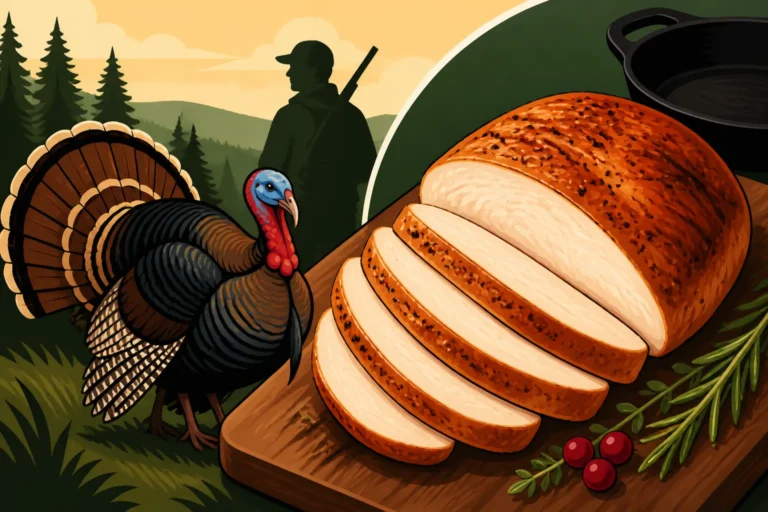
Pennsylvania's wild turkey population is truly a conservation success story. From near extirpation, these magnificent birds have made a remarkable comeback, thriving across much of the Commonwealth. However, not all counties are created equal when it comes to turkey numbers and hunting opportunities. Several factors influence where turkeys thrive and, consequently, where hunters find the most consistent success. Understanding these elements is your first step to a more fruitful turkey season.
Habitat: The Foundation of Turkey Abundance
Turkeys are quite particular about where they live. They need a mosaic of different habitat types to fulfill their annual needs, from roosting to nesting to foraging. Think of it like a carefully crafted recipe: if you're missing a key ingredient, the whole dish falls flat. For turkeys, that means mature forests for roosting, often near water, mixed with open areas for bugging and strutting, and dense cover for nesting and poult rearing. A county dominated by a single habitat type, whether it's all dense woods or all agricultural fields, usually won't hold the highest turkey densities.
Counties with large tracts of unbroken, mature timber, especially those with good oak or beech mast production, provide critical food sources in fall and safe roosting trees year-round. Conversely, areas rich in agricultural fields interspersed with woodlots offer different but equally valuable resources. Fields provide insects, waste grain, and clearings for strutting, while the woodlots offer cover and roosting sites. The "edge" habitat where these two types meet is often a hotspot. Hunting Turkeys in Pennsylvania Big Woods covers some of these concepts in detail.
Food Sources: What Keeps Turkeys Healthy
Just like us, turkeys need a consistent and varied diet to stay healthy and reproduce successfully. Acorns and other hard mast are king in the fall and winter, providing crucial energy. Where you find strong oak, hickory, and beech stands, you’re likely to find turkeys concentrating, especially as the season progresses. However, don't overlook soft mast, like berries and wild grapes, which are important during late summer and early fall.
In spring and summer, insects become incredibly vital, particularly for growing poults. Open fields, powerline cuts, and logging clearings teem with insects, which provide the high protein diet young turkeys need to survive and grow quickly. A diverse landscape that offers both abundant mast crops and insect-rich openings is usually a winner for turkeys. Think about how these food sources fluctuate; a poor mast year can scatter birds, making them harder to locate.
Harvest Data and Population Trends
One of the most straightforward ways to gauge turkey populations is by looking at harvest data and population trends. The Pennsylvania Game Commission collects and publishes this information, and it's a goldmine for savvy hunters. While a high harvest number in a county might mean a lot of hunters, it often also indicates a robust turkey population. More importantly, looking at trends over several years can tell you if a county's turkey population is stable, increasing, or, unfortunately, declining.
You can often find insights into Pennsylvania Turkey Population Estimate and Pennsylvania Spring Gobbler Harvest Numbers through the Game Commission's annual reports. Paying attention to these trends, alongside reports on Poult-to-Hen Ratios and What They Mean and Nest Predation and Turkey Hatches, can give you a clearer picture of a county's overall turkey health. A strong poult-to-hen ratio year after year is a very good indicator of future hunting success.
Top Pennsylvania Counties for Consistent Turkey Hunting
While "best" can certainly be subjective and depend on your hunting style and preferred terrain, some Pennsylvania counties consistently stand out when you look at habitat, historical harvest data, and overall turkey health. These are often counties that offer a blend of extensive public land, diverse habitat, and a strong tradition of turkey hunting.
Northcentral Pennsylvania: The Big Woods Powerhouses
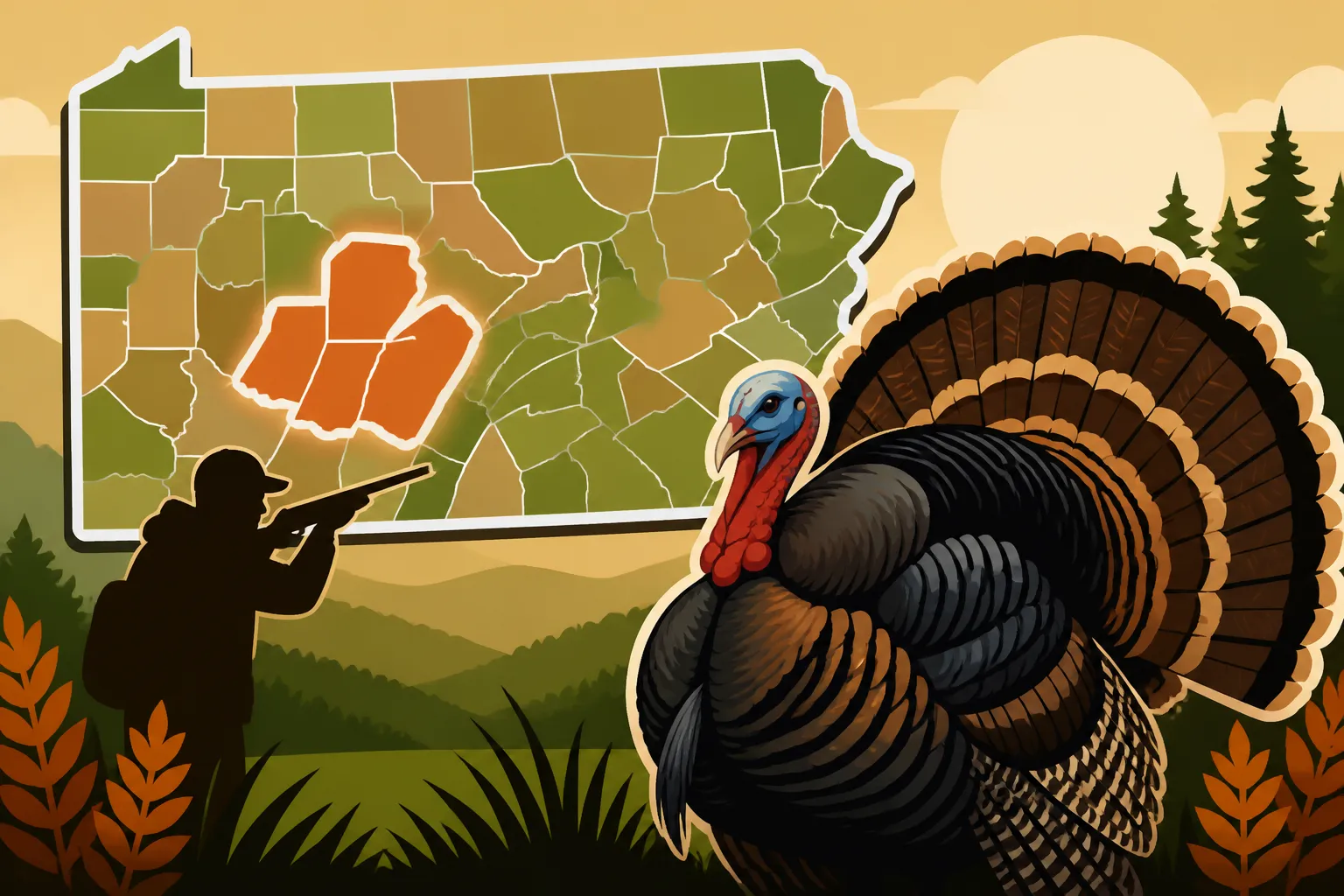
When most Pennsylvanians think of big woods turkey hunting, they picture the vast tracts of northcentral Pennsylvania. Counties like Tioga, Potter, McKean, Clinton, and Lycoming frequently rank high in turkey harvests. These areas are characterized by sprawling state forests and game lands, offering thousands of acres of contiguous timber. This kind of uninterrupted habitat is ideal for turkeys, providing plenty of room to roam, abundant mast crops, and minimal human disturbance in many areas.
These counties often boast higher elevations, rugged terrain, and a mix of mature hardwood forests (oak, cherry, maple) interspersed with hemlock and pine thickets. While the sheer density of turkeys might not always match some farm country areas, the quality of the hunting experience in these big woods is unparalleled. You'll often find turkeys that are less pressured, though getting to them might require more effort. Remember, big woods turkeys can be nomadic, especially in fall, following mast crops. Using a tool like GoHunt to study the topography and identify potential benches and ridges can be immensely helpful here.
Southwestern Pennsylvania: Rolling Hills and Mixed Habitat
Moving to the southwestern part of the state, counties such as Greene, Washington, and Fayette often present excellent turkey hunting opportunities, though the landscape differs significantly from the northcentral region. Here, you'll find a mix of agriculture, smaller woodlots, and some larger tracts of public and private timber. The rolling hills and fertile soils often lead to robust mast production in the wooded areas and ample insect life in the fields.
Turkeys in these regions tend to adapt well to living closer to human activity, often utilizing farm edges and smaller woodlots. This can make them a bit more predictable in some ways, as they might have established roosting areas and feeding patterns tied to specific fields. However, they can also be more wary due to higher hunting pressure. Turkey Tactics for Farm Country Edges can be particularly useful if you're targeting these areas. Fayette County, with its portions of Forbes State Forest and other public lands, offers some fantastic mixed habitat hunting.
Southcentral and South-Central Mountains: The Ridge and Valley Region
The ridge and valley region, encompassing counties like Huntingdon, Bedford, Franklin, and Mifflin, offers a unique blend of habitat that can be incredibly productive for turkeys. These counties feature long, parallel mountain ridges covered in mature oak and hickory forests, separated by fertile valleys with agriculture. This creates a natural funnel system for wildlife and offers varied food sources.
Turkeys here utilize the dense timber on the ridges for roosting and foraging for mast, then often move down into the valleys to feed in fields or along creek bottoms. This geographical feature can sometimes make scouting easier, as turkeys tend to move along these defined corridors. Access to public lands, including state forests and game lands, is generally good in these regions. Hunting Oak Ridges and Benches and Reading a Pennsylvania Hollow for Deer (which often applies to turkeys too) provide excellent insights into navigating this type of terrain.
How to Research and Scout for Your Own Top Spots
While knowing which counties generally hold good turkey numbers is a great start, the real success comes from doing your own boots-on-the-ground (or digital) research. Every season is different, and local conditions can change rapidly. Here’s how you can dig deeper and pinpoint those prime turkey areas.
Leveraging Digital Mapping Tools and Public Data
In today's age, digital mapping applications are indispensable for any serious hunter. Tools like GoHunt provide layers for public land boundaries, topography, satellite imagery, and even historical weather patterns. These resources allow you to scout from your couch, identifying potential roosting areas (tall timber near water), strutting zones (open fields, logging landings), and travel corridors (benches, saddles, creek bottoms) without disturbing the birds.
Start by focusing on public land within promising counties. Look for areas that are a good distance from major roads or parking areas, as these often see less pressure. Identify habitat transitions – where hardwoods meet conifers, where timber meets open fields, or where steep terrain flattens out into benches. Overlays showing timber cuts or clearcuts are also excellent indicators of new growth that attracts insects and offers good nesting cover. Scouting With the Pennsylvania Mapping Center and Reading Aerial Photos for Big Woods Deer are fantastic resources for this kind of digital reconnaissance.
| County Group | Primary Habitat Type | General Turkey Density | Hunting Pressure (General) | Notes |
|---|---|---|---|---|
| Northcentral | Vast Mature Forests (Oak, Beech) | Moderate to High | Moderate to Low (remote) | Excellent for big woods experience; turkeys can be nomadic with mast crops. |
| Southwestern | Mixed Forests, Agriculture, Rolling Hills | High | Moderate to High | Turkeys use farm edges; can be wary but predictable in patterns. |
| Ridge & Valley | Parallel Mountain Ridges, Farm Valleys | High | Moderate | Natural funnels for travel; good blend of food sources. |
| Southeastern | Smaller Woodlots, Extensive Agriculture | Moderate to High | High | Fragmented habitat; access can be challenging but birds exist. |
On-the-Ground Scouting: Observing Sign and Listening
Once you've narrowed down potential areas on your map, it's time for actual scouting. This can be done outside of hunting season to avoid spooking birds. Look for fresh turkey sign: tracks in muddy areas, droppings, feather piles (especially near roost trees), and scratchings in the leaf litter. Pay close attention to ridge lines and benches for signs of strutting activity, particularly in late winter or early spring. Finding a "scratching post" where a gobbler regularly rakes his wingtips is a huge clue.
The most exciting part of scouting for turkeys, of course, is listening. Before season opens, make early morning trips to listen for gobblers sounding off from the roost. This is an invaluable way to pinpoint exactly where birds are hanging out. Drive backroads at dawn, stop frequently, and listen. A locator call, like an owl hooter or crow call, can sometimes get a shock gobble without spooking the birds. Identifying Where Pennsylvania Gobblers Roost is critical for an effective morning setup.
Understanding Hunting Pressure and Access
Even the best turkey counties can be challenging if they're overrun with hunters. Public lands, especially those close to population centers, tend to see higher pressure. While you can't eliminate other hunters, you can learn to avoid the crowds. This often means being willing to walk farther, hunt steeper terrain, or explore less obvious access points. Use your GoHunt maps to identify those remote corners of state game lands or state forests that other hunters might overlook.
Don't discount hunting private land either. While securing permission can be a challenge, it often leads to less pressured birds. Start by knocking on doors in counties known for good turkey numbers and a mix of habitat. Sometimes, landowners dealing with nuisance birds are more than happy to grant access. Always be respectful, offer to share your harvest, and leave the property better than you found it.
Seasonal Considerations for Turkey Success
The "best" county can also depend heavily on the specific season you're targeting. Spring gobbler season presents different challenges and opportunities than fall turkey hunting, and understanding these differences can significantly impact your success.
Spring Gobbler Season: The Mating Dance
Spring gobbler season is arguably the most anticipated turkey hunt in Pennsylvania. Success hinges on understanding the turkey's breeding cycle. Early in the season, gobblers might be with hens, making them difficult to call in. As the season progresses and hens begin nesting, gobblers become more solitary and responsive to calls. Timing your hunt with the peak of this "lonely gobbler" phase can be crucial.
In spring, focus your scouting on areas with good roosting trees (often tall pines or hardwoods near water), open fields or clearings for strutting, and transition zones where gobblers might travel. Listening for that first morning gobble is paramount. Some WMUs will have earlier opening dates or extended hunting hours, so always check the latest regulations. Spring Gobbler Hunting in Pennsylvania is a pillar of information you should definitely consult.
Fall Turkey Hunting: The Flock Dynamic
Fall turkey hunting is a completely different ballgame. Instead of targeting individual gobblers, you're often hunting family flocks or bachelor groups. The strategy shifts from calling in a dominant tom to breaking up a flock and then calling individuals back. This can be a highly effective method, but it requires a good understanding of flock dynamics and keen woodsmanship.
In fall, turkeys are largely focused on food sources. After the acorn crop drops, they'll often concentrate in areas with abundant mast. Later in the season, they might shift to waste grain in agricultural fields or even find lingering soft mast. Scouting for fresh scratchings and droppings is key to locating fall flocks. Fall Turkey Hunting in Pennsylvania will give you an excellent overview of tactics for this season. Remember, a good fall county is often one with diverse mast-producing timber and scattered agricultural fields.
Disclaimer
This article is for general informational purposes only and does not constitute professional advice. Laws, prices and regulations vary by location and change over time. Consult a qualified professional for guidance on your specific situation.