Pennsylvania Deer Record Book
There's a special kind of pride that comes with harvesting a Pennsylvania whitetail, and for many hunters, that feeling is magnified when their buck carries a truly exceptional set of antlers. We've all seen those photos, heard the campfire stories, and perhaps even wondered if that buck you just harvested might be one for the books. This guide will take a deep dive into the fascinating world of the Pennsylvania Deer Record Book, explaining what it is, how to understand the scoring process, and what it means for our state's rich hunting heritage.
What is the Pennsylvania Deer Record Book and Why Does It Matter?
When we talk about the Pennsylvania Deer Record Book, we're really touching upon a cornerstone of hunting culture, not just here in the Keystone State, but across the nation. It's more than just a list of big antlers; it's a historical archive, a testament to effective wildlife management, and a celebration of the incredible natural resources we have. For many years, hunters have sought to document exceptional trophies, a way of immortalizing a truly remarkable animal and the hunt that brought it home.
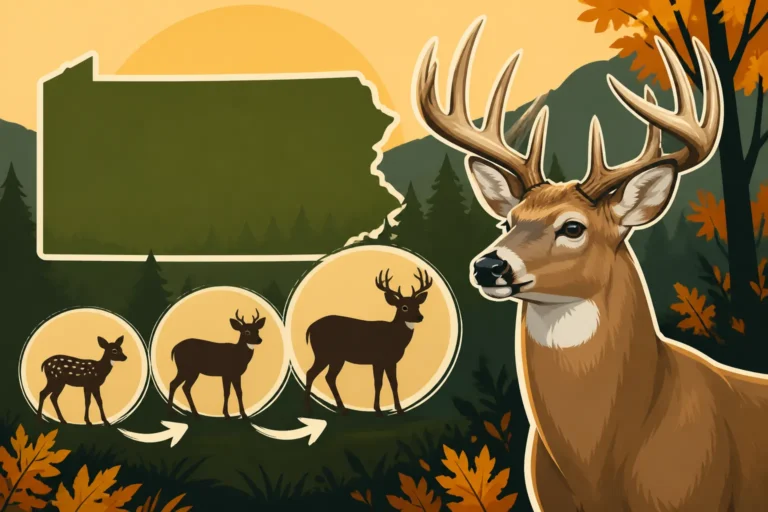
The concept behind a record book is simple: it provides a standardized way to measure and compare the size and symmetry of deer antlers, allowing hunters to see how their harvest stacks up against others from the same region or even nationally. But its significance goes far beyond bragging rights. These records offer valuable insights into deer herd health, genetic potential, and the impact of habitat and management strategies. When you see a consistent pattern of high-scoring bucks being entered, it often indicates a robust, well-managed deer population with good age structure and access to quality forage. It's a snapshot of success, showing us what's possible when conservation efforts pay off. Every entry tells a story, not just of a hunter's skill, but of the environment that allowed that buck to reach its full potential.
Understanding Scoring and Entry Requirements
Diving into the world of official antler scoring can seem a bit daunting at first, with terms like "gross score," "net score," "typical," and "non-typical" flying around. But at its heart, the process is designed to be fair and consistent, giving every set of antlers an equal evaluation. For Pennsylvania hunters, the most recognized systems are the Boone and Crockett Club for firearms-harvested deer and the Pope and Young Club for archery-harvested deer. Both systems are incredibly similar, primarily differing in the hunting method allowed for entry.
The fundamental goal of these systems is to quantify the size and symmetry of a buck's antlers. They measure everything from main beam length and circumference at various points to tine length and spread. What many don't realize is that these scores are often a net score, meaning deductions are made for any abnormal points or lack of symmetry between corresponding points on each side. This is particularly important when distinguishing between "typical" and "non-typical" deer. A "typical" buck is one with a relatively symmetrical rack, where points rise cleanly from the main beams. Deductions for typical bucks occur when there are abnormal points or significant differences in length between corresponding tines. A "non-typical" buck, on the other hand, is celebrated for its unique and often wild configuration of abnormal points, drop tines, and irregular growth. While deductions for asymmetry still apply to the typical frame of a non-typical, the abnormal points themselves add to the score, often resulting in truly massive numbers.
One of the most crucial requirements for any official scoring attempt is the drying period. After a buck is harvested, the antlers contain moisture, which causes them to shrink slightly as they dry. To ensure fair and consistent measurements, both Boone and Crockett and Pope and Young require a mandatory 60-day drying period after the date of harvest before any official measurement can be taken. Racks measured before this period will not be considered for entry. This ensures that every buck is judged under the same conditions. Also, remember that there are specific minimum scores required for entry into the record books. While specific numbers change and vary by category, you'll need a truly exceptional buck to make the cut. Many hunters use resources like GoHunt to learn more about these requirements and even connect with experienced measurers in their area.
Boone and Crockett vs. Pope and Young: A Quick Comparison
To help you get a clearer picture of the different requirements, here's a brief comparison of the two main record-keeping organizations relevant to Pennsylvania deer hunters:
| Feature | Boone and Crockett Club | Pope and Young Club |
|---|---|---|
| Harvest Method | Firearms, muzzleloaders, and handguns | Bow and arrow only |
| Minimum Scores | Generally higher for entry (check current rules) | Slightly lower than B&C (check current rules) |
| Drying Period | Mandatory 60 days after harvest | Mandatory 60 days after harvest |
| Categories | Typical and Non-Typical Whitetail Deer | Typical and Non-Typical Whitetail Deer |
| Official | Administered by certified Boone and Crockett measurers | Administered by certified Pope and Young measurers |
| Focus | North American Big Game (all methods) | North American Bowhunting Records |
The Process of Getting Your Buck Scored
So, you've taken a buck that you believe has the potential to make the record book. You've waited the requisite 60 days for the antlers to dry. Now what? The process of getting your buck officially scored is exciting, but it requires a bit of planning and attention to detail. It's not something you can just do at your kitchen table with a tape measure; it needs to be done by a certified official measurer.
Your first step is to locate an official measurer. Both the Boone and Crockett Club and the Pope and Young Club maintain lists of certified measurers on their respective websites. These individuals have undergone rigorous training to ensure they understand and apply the complex scoring rules correctly. Don't hesitate to reach out to them. They're usually passionate hunters themselves and happy to help guide you through the process. Sometimes, local sportsmen's clubs or large outdoor retailers might host scoring events, providing a convenient opportunity to get your deer measured. You might even find recommendations or shared experiences on online forums, or through your GoHunt community.
When you contact a measurer, they'll typically ask for the harvest date to confirm the drying period has passed. They'll also want to know the general size of your buck's antlers to ensure it meets rough minimums before scheduling an appointment. On the day of the measurement, you'll need to bring your buck's antlers, usually as a skull plate or a shoulder mount. You'll also need any required documentation, such as your hunting license, deer tag, and proof of harvest date. The measurer will meticulously go over every aspect of the rack, using special calipers, tapes, and other tools. They'll measure main beams, tines, circumferences, and spreads, carefully noting any abnormal points. They'll then perform the calculations to determine both the gross and net scores, along with any applicable deductions. This can take some time, as accuracy is paramount. Once the measurement is complete, if your buck meets the minimum requirements, the measurer will typically submit the necessary paperwork and scores to the respective record-keeping organization for official entry.
Beyond the Numbers: The Legacy and Future of Big Bucks in Pennsylvania
While the allure of a trophy buck in the Pennsylvania Deer Record Book is undeniable, the true legacy of these magnificent animals extends far beyond a numerical score. Each impressive rack represents not just a successful hunt, but also a testament to the health and vitality of Pennsylvania's deer herd, and the ongoing commitment of hunters and conservationists to responsible wildlife management.
Consider the journey of a mature buck – one that has survived multiple hunting seasons, evaded predators, endured harsh winters, and found ample food to fuel antler growth. This isn't just luck; it's a reflection of a well-balanced ecosystem and sound management practices. The implementation of Pennsylvania Antler Restrictions by WMU several years ago, for example, aimed to allow more bucks to survive to older age classes, increasing the likelihood of them developing larger racks. We’ve seen the positive effects of these regulations, with many hunters reporting changes in What Antler Restrictions Did to Buck Ages. It's a prime example of how thoughtful regulations can shape the future of our deer herd and, by extension, the quality of hunting opportunities.
Of course, the future isn't without its challenges. The spread of Chronic Wasting Disease in Pennsylvania is a serious concern, impacting herd health and potentially affecting antler quality in certain areas. This is why ongoing research, surveillance, and responsible hunting practices, like adherence to Pennsylvania CWD Carcass Rules, are so critical. It underscores that our role as hunters goes beyond just harvesting; we are integral partners in conservation.
Ultimately, whether your buck makes the record book or not, the experience of pursuing and harvesting a deer in Pennsylvania is deeply rewarding. The stories shared around the campfire, the memories made afield, and the venison that fills our freezers are what truly define our hunting heritage. The record book simply offers a way to acknowledge the exceptional, to highlight those animals that truly stand out, and to inspire us to continue our efforts in conservation. When you're out there, remember that while understanding Judging Antler Points Before the Shot and knowing What Counts as a Legal Pennsylvania Buck are important, the real measure of a hunt is the connection to nature and the legacy you help to uphold. You can even find community discussions on GoHunt about the impact of these changes on our deer populations and what it means for hunters seeking a truly mature buck.
Disclaimer
This article is for general informational purposes only and does not constitute professional advice. Laws, prices and regulations vary by location and change over time. Consult a qualified professional for guidance on your specific situation.