Susquehanna River Hunting Access
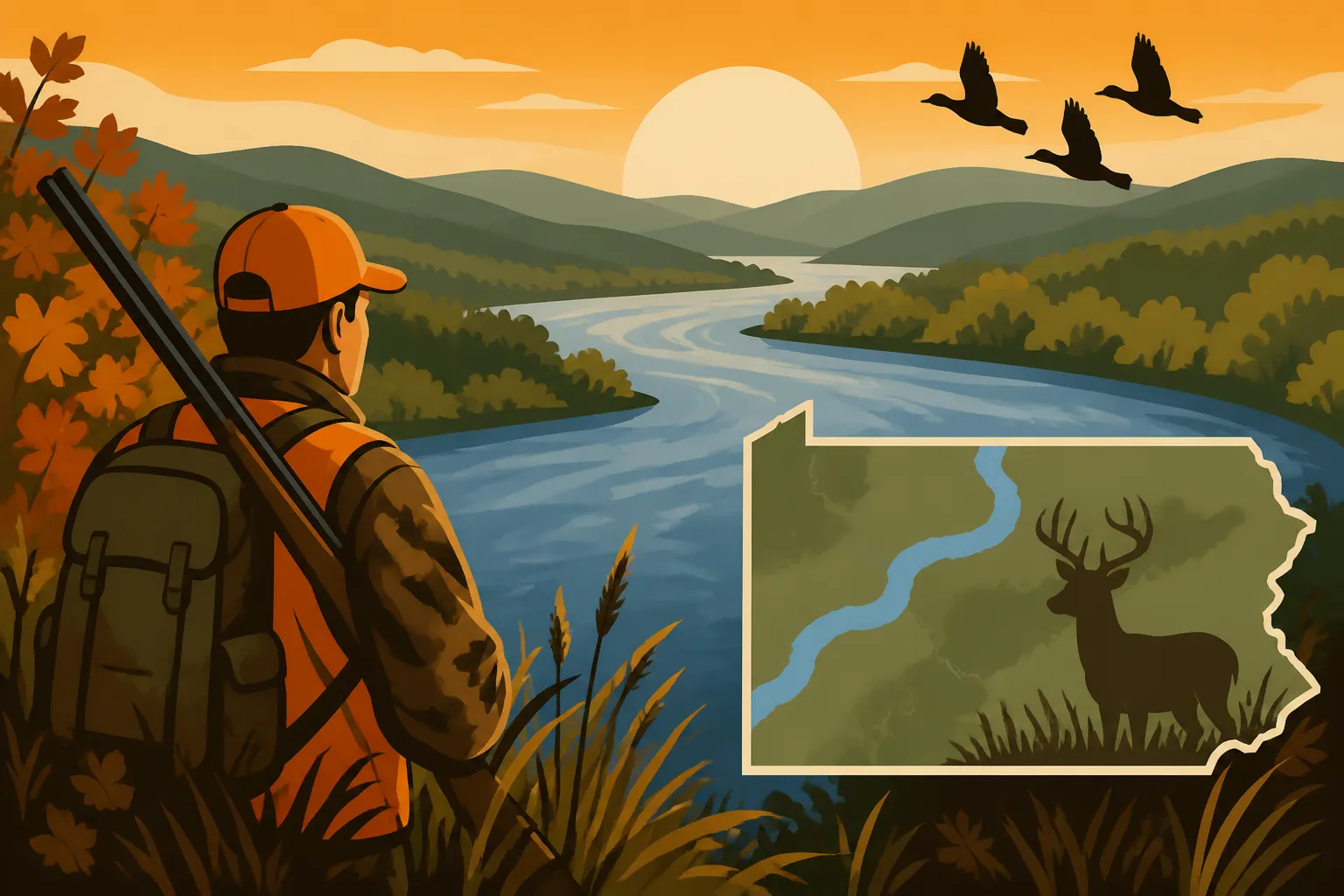
The Susquehanna River, a magnificent artery running through the heart of Pennsylvania, calls to many a hunter with promises of untouched islands and hidden pockets of wildlife. Yet, figuring out where you can legally put in a boat, or which islands are public and available for hunting, can feel like an insurmountable challenge, often deterring even seasoned outdoorsmen. This guide will unravel the complexities of accessing the Susquehanna for hunting, helping you navigate its waters and find your next prime spot.
Understanding the Susquehanna's Unique Hunting Landscape
Hunting along a major river system like the Susquehanna is a world away from still-hunting the big woods or sitting a treestand in farm country. The river creates a dynamic environment, constantly shifting with water levels, current, and seasonal changes. This unique character presents both incredible opportunities and specific challenges that hunters need to understand before they even consider launching a boat.
The Dynamic Nature of River Habitat
Unlike static upland forests or agricultural fields, the Susquehanna's ecosystem is in constant flux. Islands are formed and eroded, sandbars appear and disappear, and vegetation along the banks changes dramatically with flood cycles. This means that a prime hunting spot one year might be submerged or completely altered the next. For migratory birds, the river acts as a superhighway, drawing in ducks and geese, but their roosting and feeding patterns can be highly dependent on water levels and available food sources. Deer, too, use the river corridor for travel, bedding on islands, and seeking refuge from pressure on the mainland.
For hunters, this dynamism means that pre-season scouting isn't just a good idea, it's absolutely essential, and it often needs to be done from the water as much as from land. What looked like a promising point from an aerial map might be underwater or completely choked with debris after a heavy rain. Being adaptable and having alternative plans is key when dealing with a river environment. This ever-changing landscape is part of the allure, but it demands a different mindset and approach than traditional land-based hunting.
Primary Game Species on the River
While the Susquehanna River might not be the first place most people think of for deer hunting, it offers fantastic opportunities, especially for those willing to work for it. Deer often seek refuge on the numerous islands, escaping hunting pressure from the mainland during rifle season. These islands can become natural sanctuaries, providing food and cover. Waterfowl, however, are perhaps the most iconic species hunted along the Susquehanna. The river serves as a crucial migration corridor and wintering ground for a variety of ducks and geese. You'll find everything from mallards and wood ducks in the sloughs and backwaters to common mergansers and buffleheads on the main channel.
Small game like squirrels can also be found in the timbered areas along the banks and on larger islands, offering a fun diversion. Fall turkeys might occasionally be seen along the river bluffs, especially if good mast crops are available in the adjacent woodlands. Predator hunting, particularly for coyotes, can also be productive, as they often follow deer and other small game along the river corridor, using it as a travel route. Understanding the habits of these species in a riverine environment is crucial. For instance, knowing when Duck Hunting Pennsylvania Rivers is best or how deer react to Hunting Pressure on Pennsylvania Game Lands can inform your strategy.
Legal Access Points: Public Versus Private
One of the biggest hurdles for any hunter, especially when dealing with a linear feature like a river, is simply knowing where you can legally step foot. The Susquehanna River is a patchwork of public and private ownership, making careful planning and verification paramount. Trespassing is not just a legal risk, but a fundamental breach of hunting ethics that can jeopardize access for everyone.
Public Boat Launches and Access Areas
The easiest and most straightforward way to get onto the Susquehanna for hunting purposes is through designated public boat launches. These are typically maintained by the Pennsylvania Fish and Boat Commission (PFBC), the Pennsylvania Game Commission (PGC), or local municipalities. These launches provide reliable spots to put in kayaks, canoes, or small motorboats, giving you direct access to the water and, by extension, the public islands and shoreline adjacent to publicly owned lands.
Always check the regulations for specific launches, as some might have restrictions on overnight parking or specific hours of operation. Identifying these launches is often as simple as a quick search on the PFBC website or by using detailed mapping applications. When using public access, remember that you're sharing the space with anglers, recreational boaters, and other outdoor enthusiasts. Being courteous and mindful of others' activities ensures a positive experience for everyone.
State Game Lands and Publicly Owned Islands
Pennsylvania boasts a significant amount of public land, including many State Game Lands that border the Susquehanna River or encompass some of its islands. These are invaluable resources for hunters. Hunting on these lands follows the general PGC regulations, which can simplify things considerably. The challenge, however, often lies in confirming that a specific island or stretch of shoreline is indeed part of a State Game Land. Property boundaries can be tricky to discern from the water.
This is where advanced mapping tools really shine. Applications like onX Hunt are game-changers, allowing you to clearly see property lines, land ownership, and even flood plain boundaries right on your phone or GPS device. Before you commit to hunting a particular island, always verify its public status. Don't assume that just because an island is in the middle of a river, it's public domain. Many islands, even small ones, are privately owned. Taking the time to confirm ownership is a small effort that prevents major headaches.
Hunter Access Program Lands
Beyond State Game Lands, Pennsylvania also has its Hunter Access Program, where private landowners permit public hunting on their property, often in exchange for incentives. While many of these are traditional farm fields or timber tracts, some may include riverfront properties. These lands are usually marked with specific signage.
These agreements are a fantastic way to gain access to areas that would otherwise be off-limits. However, it's crucial to respect the terms of the agreement and the landowner's wishes. Always consult the PGC website or local maps to identify these areas and understand any specific restrictions they might have. It’s a privilege, not a right, to hunt on these properties, and adherence to the rules helps ensure these programs continue for future generations.
Navigating Islands and Shorelines
Once you've identified your target hunting area on the Susquehanna, the real fun begins: navigating the river itself. This involves understanding currents, identifying safe landing spots, and being acutely aware of private property boundaries.
Identifying Public and Private Islands
The Susquehanna is dotted with countless islands, varying in size from tiny gravel bars to expansive, heavily timbered tracts. The key challenge, as mentioned, is determining which of these are public and which are private. Many islands are part of the State Game Lands system, but just as many are privately owned, some even dating back to colonial land grants. You might see a small, heavily wooded island that looks like perfect deer bedding, only to discover it's owned by a private party.
This is where your mapping tools become your best friend. Load up onX Hunt before you leave home and meticulously mark every island you're interested in. Zoom in to identify property lines. Pay close attention to any structures or signs of human activity, even on seemingly remote islands, as these can be indicators of private ownership. A landowner may not appreciate you setting up a duck blind or Brushing In a Blind on a Field Edge on their private piece of river paradise, even if it looks wild and untamed. Always err on the side of caution. If you can't definitively confirm public access, it's best to move on.
Utilizing River Shoreline Access
Beyond the islands, the river's shoreline itself offers hunting opportunities. Many stretches of the Susquehanna are bordered by State Game Lands or other public holdings, granting hunters access to both the water's edge and the adjacent upland timber. This can be fantastic for jump-shooting ducks, accessing deeper pockets for deer, or even for setting up for turkeys or small game that might be using the riparian corridor.
However, just like with islands, private property lines frequently extend right down to the river's edge. You might be able to float past, but landing a boat or stepping onto the bank could constitute trespassing. Even if the land is publicly owned, steep banks, thick vegetation, or private docks can make access difficult or impossible. Scouting from the river is important here; identify any natural breaks in the bank, small coves, or less steep areas that would allow for a safe and legal landing. Always keep an eye out for "No Trespassing" signs or purple paint marks, which are common indicators of private property.
Safety Considerations for River Hunting
Hunting on the Susquehanna River introduces a whole new layer of safety considerations that go beyond what you'd typically encounter in a treestand or still-hunting through the woods. The water, weather, and potentially isolated nature of river islands demand extra vigilance and preparation.
Boat Safety and Navigation
First and foremost, boat safety is paramount. Whether you're in a canoe, kayak, or small motorboat, always wear a U.S. Coast Guard-approved personal flotation device (PFD). The river's current can be surprisingly strong, especially after heavy rains or in narrower sections. Cold water immersion is a serious risk, even on warmer days, and can quickly incapacitate you. Carry all required safety equipment, including lights (if operating before sunrise or after sunset), a whistle or horn, and bailing equipment.
Before heading out, check river conditions. The PFBC website often provides real-time gauges for water levels and flow rates. High water can create dangerous currents, sweep away shallow obstacles, and make navigating tricky. Low water can expose hidden rocks and make propeller damage a real concern. Always be aware of other boat traffic, especially during popular fishing seasons. Visibility can be limited in fog or low light, so bright navigation lights are non-negotiable. Knowing the river, reading the current, and respecting its power are fundamental to a safe hunt.
Weather and Environmental Hazards
Weather on the river can change rapidly and often feels more intense than on land. A gentle breeze can become a strong headwind that makes paddling exhausting. Rain can quickly turn into a downpour, making everything slick and cold. Fog can roll in fast, obscuring landmarks and making navigation perilous. Always check the marine forecast for your specific section of the Susquehanna before you leave home.
Beyond immediate weather, consider environmental hazards. Submerged logs, rock formations, and shallow riffles can pose serious threats to your boat and person. Carry a detailed map and understand the river's characteristics in your chosen area. Be mindful of wildlife that might be present – not just the game you're after, but also snakes, aggressive insects, or even venomous plants along the banks. In the colder months, hypothermia is a constant threat if you get wet, so proper layering and dry bags for essential gear are critical. You should also be aware of rules regarding Pennsylvania Hunter Orange Rules, especially when hunting from or near the river.
| Access Type | Pros | Cons | Target Species (Typical) |
|---|---|---|---|
| Public Boat Ramps | Easy vehicle access, direct water entry | Can be crowded, shared with other users, limited parking | Waterfowl, deer (via boat to islands) |
| State Game Lands (Riverfront/Islands) | Legal hunting access, managed habitat | May require boat access, boundaries can be unclear, pressure | Deer, waterfowl, small game, turkey |
| Hunter Access Program | Private land access, potentially less pressure | Limited availability, specific landowner rules, marked signage | Deer, small game, turkey, waterfowl |
| Private Land (with permission) | Exclusive access, often prime habitat, low pressure | Requires landowner relationship, hard to secure | All game species |
Gear and Logistics for Susquehanna River Hunts
A successful Susquehanna River hunt demands not only knowledge of the terrain and regulations but also the right equipment and a solid logistical plan. This isn't a "grab your rifle and go" kind of hunting; it requires forethought and preparation.
Essential River Hunting Gear
Your gear list for a river hunt will differ significantly from a typical woods hunt. First, a reliable boat is non-negotiable. Whether it's a sturdy canoe, a stable kayak, or a small johnboat, it needs to be appropriate for the size of the river and the conditions you expect. Beyond the boat itself, invest in high-quality dry bags to protect your clothing, electronics, and ammunition from getting wet. Waterproof binoculars are also a smart choice. Optics for Pennsylvania Timber Hunting talks about overall choices, but for river hunting, waterproof is paramount.
Waders or waterproof boots are essential for landing on shallow banks or retrieving downed game in the water. For waterfowl hunters, decoys and a portable blind or camouflage netting will be necessary. Even for deer hunters targeting islands, lightweight camo netting can turn a fallen log into a quick, effective blind. Always carry a first-aid kit, emergency signaling devices (like a whistle or flare), a reliable knife, and a headlamp for navigating in low light. A rope or tie-downs for securing your boat is also critical, especially if leaving it unattended on an island.
Planning Your Expedition
Logistics are king on a river hunt. Before you even leave home, you should have a detailed plan. This includes:
- Access Points: Where will you launch, and where will you take out? Sometimes, these are different locations, requiring a shuttle plan.
- Target Areas: Precisely which islands or stretches of shoreline are you going to investigate? Have backup spots. Use your detailed maps from onX Hunt to mark these points.
- Tides/Currents: While the Susquehanna isn't tidal, currents can vary. Understand how they might affect your travel time and effort.
- Emergency Plan: What will you do if your boat capsizes, you get lost, or someone gets injured? Have communication devices (fully charged phone, perhaps a satellite messenger if in remote areas), and let someone know your float plan and expected return time.
- Game Recovery: If you harvest a deer on an island, how will you get it back to the mainland and your vehicle? This is a significant logistical challenge. Consider options like a deer sled for dragging, or even quartering the animal for easier transport. Getting a Deer Out of a Pennsylvania Hollow has some crossover advice for challenging extractions.
- Weather Monitoring: Continuously monitor weather forecasts. Don't hesitate to pull the plug or seek shelter if conditions turn nasty.
Optimizing Your Susquehanna River Hunting Strategy
Hunting the Susquehanna is more than just finding public land; it’s about adapting your tactics to the unique river environment. The movements of game, the presence of current, and the constantly changing landscape require a specialized approach.
Waterfowl Hunting Tactics
For waterfowl, the Susquehanna offers prime hunting, particularly for various duck species. Jump-shooting ducks by slowly floating or paddling down stretches of the river can be incredibly effective, especially in areas with good cover like fallen trees, brushy banks, or small tributaries. Pay close attention to bends in the river and slack-water pockets where ducks might be resting or feeding. When Duck Hunting Pennsylvania Rivers, quiet movement is key.
Decoy setups are another popular method, particularly for geese and puddle ducks. Look for areas with established flight patterns, such as cut cornfields adjacent to the river, or on larger islands with open water nearby. Setting up a blind along a secluded bank or on a small island often allows for more successful decoy work. Remember to retrieve all spent shotgun shells; leaving them behind is both bad form and potentially illegal littering. Also, be aware of specific regulations regarding migratory bird hunting, including bag limits and specific Pennsylvania Waterfowl Seasons and Zones.
Deer Hunting on River Islands
Hunting deer on Susquehanna River islands can be an exciting, yet demanding, proposition. These islands often serve as natural sanctuaries, providing deer a sense of security from land-based pressure. During peak seasons, especially the firearms season, deer will often swim to islands to escape hunting pressure. This is where your scouting and mapping really pay off. Look for fresh tracks, rub lines, and bedding areas on the islands.
The challenge comes with access and recovery. You'll need a stable boat to get to the island, and if you harvest a deer, getting it off the island can be a monumental task. Consider the "gutless method" for field dressing to reduce weight, or bring a sturdy sled for dragging if the terrain allows. Plan your entry and exit routes carefully to avoid spooking deer already on the island. Often, early morning or late evening sits are best, targeting deer moving between bedding and feeding areas. During Pennsylvania's Two-Week Firearms Deer Season, these islands can be incredible spots, but they demand a high level of commitment.
Legal and Ethical Considerations on the Water
Just like hunting anywhere else in Pennsylvania, river hunting comes with its own set of rules and ethical guidelines that must be followed. These ensure safety, respect for resources, and a positive public image for hunters.
Hunter Orange and Safety Zones
While on the water, hunter orange requirements might differ slightly from land-based hunting, but it's always wise to err on the side of caution. When you're actively hunting from a boat or blind, the primary concern is concealment. However, when moving to and from your hunting spot, especially if you're visible to others on the river or shoreline, wearing hunter orange is a smart safety practice. Check the current PGC regulations for specific requirements during different seasons.
Safety zones also apply, particularly when hunting near inhabited structures or public access points. You cannot discharge a firearm within a certain distance of buildings without permission. This is especially relevant on a river where private homes might be close to public water or islands. Always be aware of your surroundings and ensure a safe backdrop for every shot. These rules are in place for a reason: to protect people and property.
Respecting Private Property and Other River Users
Even if you're legally on public water or a public island, you still need to respect adjacent private property. This means not anchoring your boat on private land, not retrieving downed game from private property without permission, and certainly not shooting onto private property. Mapping apps like onX Hunt or even the PGC's Scouting With the Pennsylvania Mapping Center are invaluable for knowing where those lines are. If a bird falls on private land, you must gain permission from the landowner to retrieve it. This can be awkward, but it's the law and the right thing to do.
Beyond private property, remember you are sharing the Susquehanna with a host of other users: anglers, kayakers, recreational boaters, and nature observers. Practice courtesy and respect. Avoid shooting towards occupied boats or homes. Clean up after yourself, leaving no trash, spent shells, or other evidence of your presence. A positive image of hunters helps maintain access for everyone. Be a good ambassador for hunting.
Disclaimer
This article is for general informational purposes only and does not constitute professional advice. Laws, prices and regulations vary by location and change over time. Consult a qualified professional for guidance on your specific situation.