Tuscarora State Forest Access
Hunting in a vast public land like Tuscarora State Forest can feel overwhelming, especially when you're trying to figure out where to even start. It’s not like walking onto a manicured farm field; the terrain is rugged, the timber is thick, and knowing how to access the best hunting spots can be a real head-scratcher. This guide is here to walk you through the ins and outs of getting into and around Tuscarora State Forest, helping you find those productive areas with confidence.
Getting Your Bearings: Understanding Tuscarora State Forest
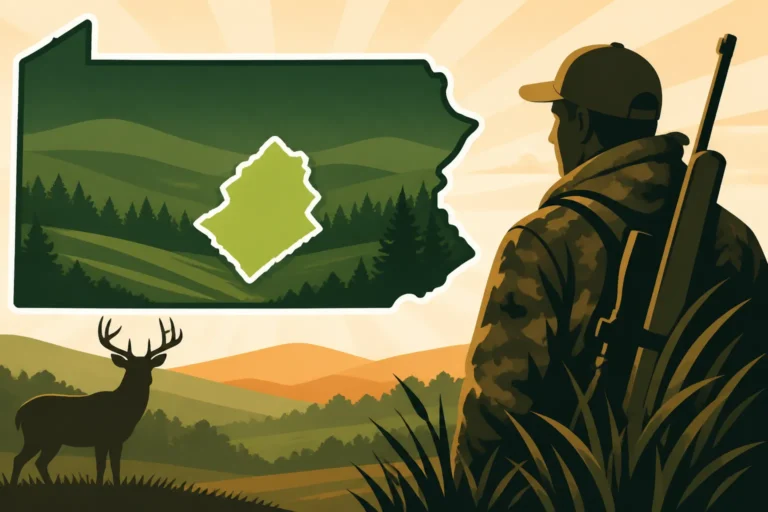
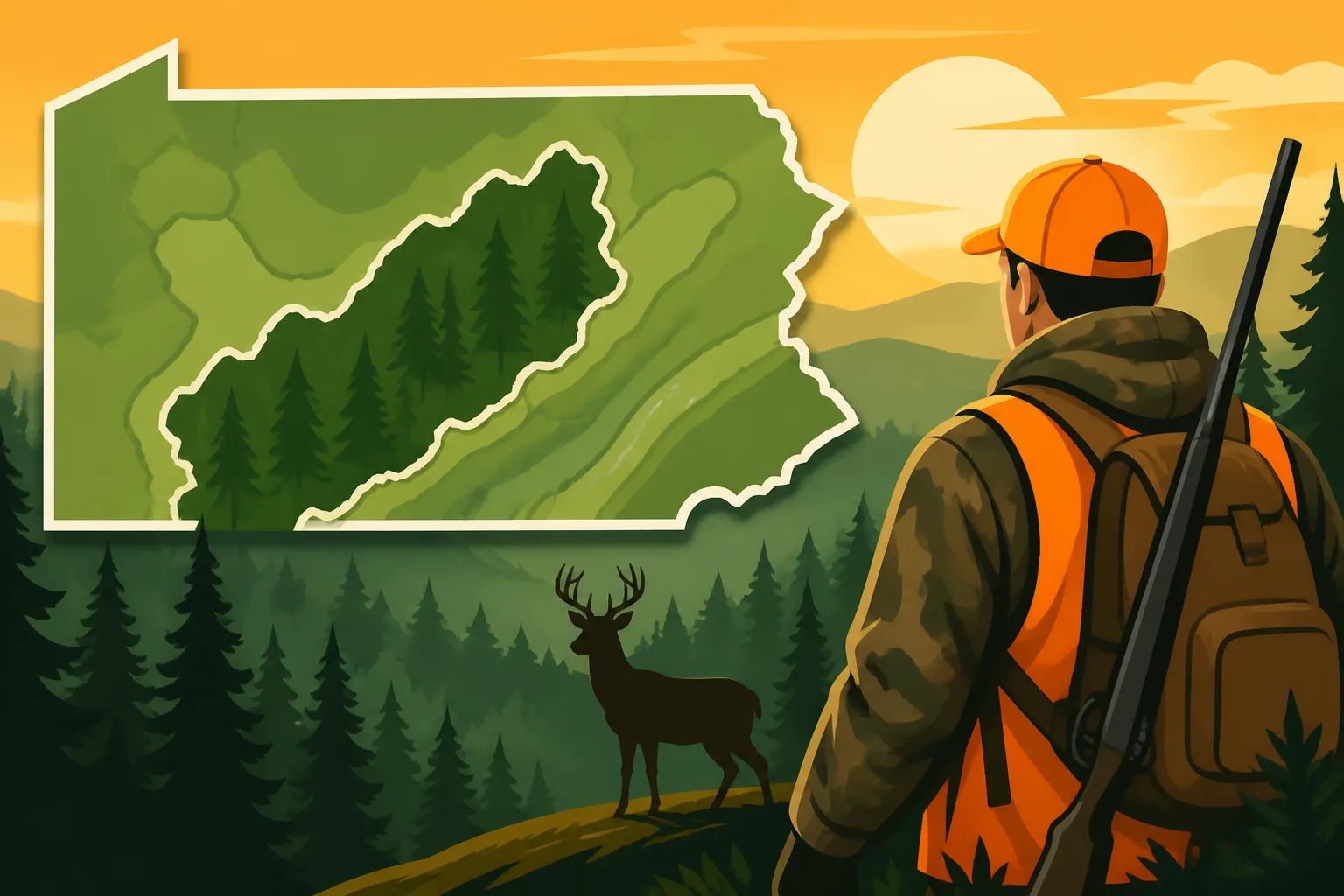
Tuscarora State Forest, nestled primarily in Perry, Juniata, and Franklin counties, is a truly magnificent stretch of public hunting ground in Pennsylvania. It's part of the Ridge and Valley physiographic province, meaning you're going to encounter a lot of steep, parallel ridges and deep, winding hollows. This isn't flat, easy hunting, but that very ruggedness often means less pressure in the interior, making it appealing for hunters willing to put in the effort.
Location and Landscape
This isn't just a big block of trees; it's a dynamic landscape shaped by geology and time. You'll find yourself navigating mature hardwoods, primarily oaks and hickories, on the ridge tops and slopes, which are critical food sources for deer and bear, especially during the fall mast crop. Down in the hollows, often along stream bottoms, you might encounter hemlock stands, rhododendron thickets, and mixed hardwoods. These dense areas provide excellent bedding cover, especially when the leaves fall off the deciduous trees.
The sheer scale of Tuscarora means that hunting can vary wildly from one drainage to the next. One area might be dominated by mature timber with scattered rock outcroppings, while another could have younger, regenerating clearcuts from past timber operations, offering diverse habitat. Understanding these general landscape features before you even step foot in the woods is crucial for successful hunting, whether you're after a big buck or a gobbler. It’s a classic example of Hunting Pennsylvania State Forests, where knowing the terrain dictates your approach.
Game Species Present
Tuscarora State Forest is a hunter’s paradise, teeming with a variety of game. The most sought-after species here is, without a doubt, the white-tailed deer. The acorn crops on the oak ridges often dictate where deer will feed, and the dense cover in the hollows provides sanctuary. You'll also find a healthy population of black bears, especially in the more remote sections. Bears love those thick laurel patches and rely heavily on acorns and other soft mast.
Wild turkeys are also abundant, offering both spring gobbler and fall hunting opportunities. They thrive in the mixed hardwood forests, often roosting along ridge lines and feeding in the valleys. Small game like squirrels are plentiful in the oak and hickory stands, and you might even stumble upon ruffed grouse in areas of thicker, younger growth, though their numbers have faced challenges in recent years. For those interested in predators, coyotes are common throughout the forest, offering a year-round hunting opportunity. The diversity of game means you can tailor your hunt to your preferences, but understanding where each species prefers to live within this varied landscape is key.
Hitting the Trail: Accessing Tuscarora's Hunting Grounds
One of the biggest hurdles when hunting large tracts of public land is simply getting to where you want to go. Tuscarora State Forest is crisscrossed with a mix of maintained and unmaintained roads, and knowing which ones are open and when can make or break your hunting day.
Primary and Secondary Road Systems
The state forest system generally features primary roads that are often paved or well-graveled and open year-round, weather permitting. These main arteries, like Tuscarora Road or Concord Narrows Road, usually offer ample parking pull-offs and provide access to the deeper parts of the forest. From these primary roads, a network of secondary gravel roads, often marked as "State Forest Roads" (SFRs), branch off. These secondary roads might be gated seasonally or only passable by high-clearance vehicles.
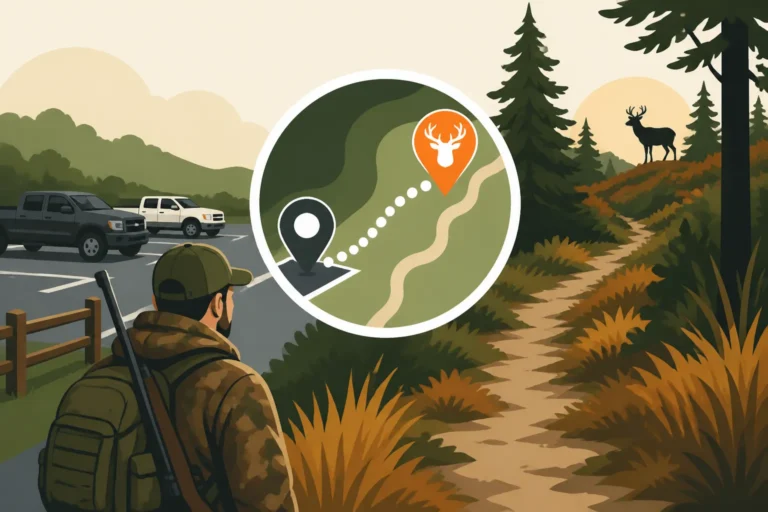
It's absolutely essential to consult the official Pennsylvania Department of Conservation and Natural Resources (DCNR) Motorized Access Maps for Tuscarora State Forest. These maps are invaluable, showing which roads are open, which are seasonal, and which are strictly gated. Don't rely on old knowledge or generic GPS alone; conditions and access rules can change. Many hunters utilize mapping apps like onX Hunt, which overlay DCNR road data with property lines and topographic features, making it incredibly easy to see your options in real-time. This combination of official maps and modern digital tools is a game-changer for navigating unfamiliar terrain.
Parking and Foot Access
Once you've identified your target area and the roads leading to it, consider parking. Most main roads have designated parking areas or wide shoulders where you can safely pull off without blocking traffic or forest access points. When using secondary or seasonal roads, pay close attention to any "No Parking" signs or areas that might impede emergency vehicle access or other forest users. Remember, these are multi-use lands.
Many of the best hunting spots in Tuscarora are going to require significant foot travel. Expect to walk. A lot. The dense forest and steep hills mean that the further you get from a vehicle, the less hunting pressure you’re likely to encounter. Don't be afraid to embrace the hike; those deep hollows and remote ridges often hold the mature animals that have learned to avoid easy-access spots. Equipping yourself with Boots and Packs for Steep Country is not just a recommendation, it’s a necessity for an enjoyable and successful hunt here.
Seasonal Road Closures
This is where many hunters get tripped up. Many State Forest Roads are subject to seasonal closures, typically from the end of antlered deer season (around mid-December) through spring gobbler season (mid-May) to protect road integrity during freeze-thaw cycles and to provide winter wildlife sanctuary. While some roads may reopen for spring gobbler or bear seasons, others remain closed until later in the year.
Always double-check the DCNR website or contact the Tuscarora State Forest office directly for current road closure schedules before heading out. Getting deep into the forest only to find your planned access road gated can be incredibly frustrating and waste precious hunting time. Plan your routes, especially for the late seasons, with these closures in mind. Understanding which roads might offer access later in the year can be key to Hunting Pennsylvania's Late Archery Season or Flintlock Season Tactics in Pennsylvania.
Here's a quick look at common Tuscarora access considerations:
| Access Type | Description | Typical Availability | Key Considerations |
|---|---|---|---|
| Primary State Roads | Paved or well-maintained gravel roads (e.g., Tuscarora Road) | Year-round (weather permitting) | High traffic, easy access, designated parking; often leads to trailheads. |
| Secondary SFRs | Gravel or dirt roads, often marked by signs with "State Forest Road" designation | Seasonal (check DCNR) | May require high clearance, sometimes gated; leads to deeper areas. |
| Gated SFRs | Roads with physical gates, often for administrative access or resource protection | Walk-in traffic only | Excellent for foot access into low-pressure areas, park at gate. |
| Hiking Trails | Designated hiking trails (e.g., Tuscarora Trail, other marked trails) | Year-round | Foot access only, can be rugged; good for deep penetration. |
Playing by the Rules: Regulations and Safety in Tuscarora
Hunting in any state forest comes with a specific set of rules in addition to the general statewide hunting regulations. These rules are in place to ensure safety, manage resources, and maintain the integrity of the land for all users. Ignoring them can lead to serious consequences and detract from everyone's experience.
General State Forest Rules
When hunting in Tuscarora State Forest, you’re on land managed by DCNR, and they have specific guidelines on top of the Pennsylvania Game Commission (PGC) regulations. These include rules regarding camping, vehicle use, off-road vehicle use (generally prohibited unless on designated routes), and permanent tree stands. While temporary stands are usually permitted, they often must be removed at the end of the season, and damaging trees is strictly forbidden. Always check the DCNR website for their latest "State Forest Rules and Regulations."
For example, when considering where to set up a stand, you need to be aware of the "leave no trace" principle. This means not leaving behind garbage, marking tape, or any permanent fixtures. This is especially important for Treestand Setups in Pennsylvania Hardwoods where responsible practices ensure access for years to come. Furthermore, understanding where Camping Rules on Pennsylvania Public Land apply can be crucial if you plan to extend your hunt over multiple days.
Specific Tuscarora Considerations
Beyond the general state forest rules, Tuscarora might have localized rules or areas of particular concern. For instance, specific management units within the forest could have ongoing timber operations. While these clearcuts can create fantastic habitat, they also mean heavy equipment and active work zones where hunting might be restricted or unsafe. Always be on the lookout for posted signs indicating active logging or other forestry work.
The remote nature of parts of Tuscarora also means cell service can be spotty or non-existent. This isn't just an inconvenience; it's a safety concern. Always carry a physical map and compass in addition to your digital mapping devices. Tell someone where you're going and when you expect to return. Being prepared for emergencies in remote, rugged terrain is paramount. Remember, even with the best planning, things can go wrong in the woods, so First Aid Kits for Remote Big Woods are not just an option, but a necessity.
Hunter Orange and Safety Zones
Pennsylvania has clear hunter orange requirements, and Tuscarora State Forest is no exception. During certain seasons, particularly firearms deer season, you are required to wear a minimum amount of fluorescent orange material visible 360 degrees. Make sure you know the specific requirements for your chosen season and game species. This is not just a rule; it's a critical safety measure, especially in heavily hunted areas. Reviewing Pennsylvania Hunter Orange Rules is always a good idea before heading out.
Furthermore, always be mindful of safety zones – these are areas around buildings, occupied dwellings, or established recreational areas where hunting is prohibited or restricted. While Tuscarora is largely wild, there are often private inholdings or public-use facilities like campgrounds, picnic areas, or trailheads that fall under these regulations. Respecting these safety zones is not only the law but also common courtesy and essential for maintaining positive relationships between hunters and other land users. Never compromise on safety; always positively identify your target and know what's beyond it.
Smart Hunting: Planning and Tools for Tuscarora
Successfully hunting Tuscarora State Forest isn't just about showing up with your gear; it's about smart planning and leveraging the right tools to gain an advantage in such a vast and challenging environment.
Leveraging Digital Maps
The advent of digital mapping tools has revolutionized how we scout and navigate public land. Services like onX Hunt and GoHunt allow you to overlay property lines, topographic maps, aerial imagery, and even historic wildfire or timber cut data right on your smartphone or GPS device. This means you can virtually scout Tuscarora from your couch, identifying potential bedding areas, travel corridors, and food sources before you ever hit the dirt.
For Tuscarora, these apps are invaluable for identifying unpressured pockets of timber. You can mark potential access points, plan your entry and exit routes, and visualize the steepness of terrain. I've personally spent countless hours pouring over aerial photos on my phone, looking for subtle benches on a ridge or a hidden creek bottom that might hold deer. When considering Reading a Pennsylvania Hollow for Deer or Hunting a Bench Above a Creek Bottom, these digital maps give you an unparalleled advantage in breaking down the landscape. Always download offline maps before you go, as cell service will likely be spotty in the deeper sections of the forest.
Scouting and Pre-Season Prep
While digital maps are powerful, there's no substitute for boots-on-the-ground scouting. Visiting Tuscarora in the off-season allows you to find fresh sign, locate rubs and scrapes, and identify specific trees that might be dropping acorns. It also gives you a feel for the terrain, the density of cover, and potential wind and thermal patterns that are crucial for setting up your stand or planning a still-hunt. Scouting Pennsylvania Public Land Before Season is not just for the pros; it's for anyone who wants to increase their odds.
Walk the access roads you intend to use and push into the areas that look promising on your maps. Look for game trails, bedding areas, and water sources. Pay attention to how the wind and thermals interact with the topography, especially on those steep ridges and deep valleys. Understanding Wind and Thermals on a Ridge is often the difference between success and a frustrating empty handed walk. Even a few hours of pre-season scouting can provide invaluable insights that simply cannot be gleaned from a screen.
Physical Maps and On-the-Ground Navigation
Despite all the incredible technology at our fingertips, carrying a physical map and compass is still a non-negotiable for hunting in a place like Tuscarora. Batteries die, phones get dropped in creeks, and signal can disappear without warning. A waterproof topographic map of your hunting area, combined with a basic compass, provides a reliable backup that never runs out of power.
Knowing how to read a topographic map is a skill every hunter should possess, especially in rugged terrain. It helps you understand elevation changes, identify saddles, and pinpoint drainages, all critical for anticipating animal movement and planning your own. Combine this with your digital tools, and you have a robust navigation system that will keep you safe and pointed in the right direction, no matter what. Always practice your compass skills before relying on them in a real-world scenario. Remember, the goal is not just to find game, but to get back to your vehicle safely after a long day of navigating Tuscarora's beautiful, but challenging, terrain.
Disclaimer
This article is for general informational purposes only and does not constitute professional advice. Laws, prices and regulations vary by location and change over time. Consult a qualified professional for guidance on your specific situation.