Which State Parks Opened Sundays to Hunters
For years, Pennsylvania hunters faced the frustrating reality of a mandatory day off every Sunday, especially when prime weather or the rut hit mid-week. It felt like we were missing out on valuable time in the woods. But with recent changes, the landscape has shifted, and now many are wondering where exactly they can take advantage of these new Sunday opportunities, particularly within our state parks. This guide will clarify the evolving rules around Sunday hunting in Pennsylvania, specifically addressing which state parks now permit it and what you need to know before planning your Sunday adventure.
The Shifting Sands of Sunday Hunting in Pennsylvania
For generations, the concept of hunting on a Sunday in Pennsylvania was largely unheard of, almost a relic of a bygone era. This wasn't just a minor inconvenience; it was a deeply ingrained tradition and, for many, a major frustration. Imagine having a perfect Saturday hunt, only to be forced to sit home on Sunday, knowing the deer were still moving, the turkeys still gobbling. The reasons for the ban were varied, ranging from historical blue laws to concerns about shared recreational space and even religious observances. It certainly sparked a lot of passionate debate over the years, and many hunters felt their voices weren't being heard.
A Historical Look at Sunday Hunting Restrictions
The origins of Pennsylvania's Sunday hunting ban stretch back centuries, rooted in a mix of religious observance, public safety concerns, and the idea of a universal day of rest. For a long, long time, it was simply "the way it was." Generations of hunters grew up knowing that Saturday was your last chance until Monday morning. This created unique hunting cultures, like the widespread popularity of deer camps where hunters would spend the full week, often forgoing a weekend trip because the Sunday closure made it less practical for those working Monday through Friday. It’s hard to overstate how much this shaped hunting patterns and traditions across the state.
The core argument against Sunday hunting often revolved around perceived conflicts with other outdoor enthusiasts. Hikers, birdwatchers, mountain bikers – they all shared the woods, and Sundays were historically their day to enjoy it without the presence of hunters. While many hunters felt this was an unfair generalization, the perception of potential conflict was a significant hurdle to overcome. It painted a picture of hunting as an inherently disruptive activity rather than a legitimate form of outdoor recreation, a sentiment that many of us found disheartening.
The Gradual Opening of Sunday Hunting
Thankfully, things have begun to change, slowly but surely. After decades of discussion, advocacy, and careful consideration, Pennsylvania has started to ease its Sunday hunting restrictions. It wasn't an overnight flip of a switch, but rather a methodical, phased approach. Initially, the changes focused on specific days and specific game animals, carefully chosen to minimize perceived conflicts and allow for a gradual integration of Sunday hunting into the state's outdoor landscape. What Sunday Hunting Changed in Pennsylvania explains more about this shift.
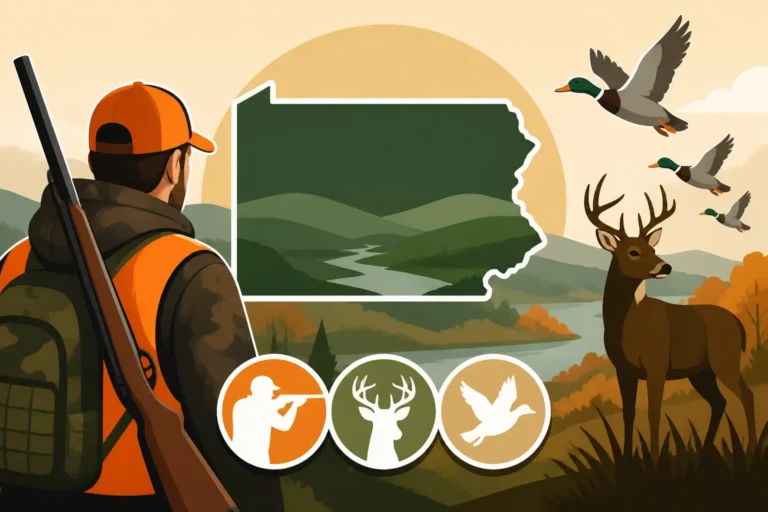
Currently, Sunday hunting is permitted for white-tailed deer, bear, and various migratory game birds. This means that during the designated seasons for these species, and in areas where hunting is otherwise legal, you can now extend your hunting weekend. This has been a huge boon for many hunters, especially those who struggle to find time off during the week or who travel a distance to their hunting spots. It means more opportunities to fill tags, more time to mentor new hunters, and simply more time enjoying the pursuit we love. It's truly a welcome change for the Pennsylvania hunting community.
The Role of the Pennsylvania Game Commission and DCNR
Understanding who makes the decisions about Sunday hunting is crucial, especially when we start talking about state parks. The Pennsylvania Game Commission (PGC) is the primary regulatory body for hunting seasons and rules across the state, managing game populations and hunter access on State Game Lands and other public hunting areas. When it came to opening Sunday hunting, the PGC played a central role in proposing and implementing those changes, carefully balancing ecological considerations with hunter desires and public input.
However, state parks fall under the jurisdiction of the Department of Conservation and Natural Resources (DCNR), which has a slightly different mission and set of priorities. While the PGC sets the statewide framework for Sunday hunting, the DCNR has the final say on whether hunting, including Sunday hunting, is permitted within the specific boundaries of a state park. This means that even if a particular species is legal to hunt on Sunday statewide, it doesn't automatically mean you can hunt it in every state park. This dual jurisdiction is often where the confusion lies for hunters. Both agencies work together, but DCNR’s primary focus on diverse recreation and conservation can lead to more restrictive hunting access within state parks compared to, say, a State Game Land. Public Hunting Land in Pennsylvania covers the different types of public land.
Navigating State Parks: Where Hunting is (and Isn't) Allowed
This is where the rubber meets the road for many hunters hoping to spend a Sunday afield in one of Pennsylvania's beautiful state parks. The honest truth is that most Pennsylvania State Parks do not permit hunting at all, and those that do usually have very specific, often limited, areas where it is allowed. It's not a blanket "yes" or "no" across the board, which can certainly make planning a little complicated if you don't do your homework. The key takeaway here is: never assume. Always check the specific park's regulations directly.
Identifying State Parks with Open Hunting
While the general rule of thumb is that hunting is restricted in state parks, there are exceptions. A select number of Pennsylvania State Parks have designated areas open to hunting, and within those designated areas, Sunday hunting for deer, bear, and migratory game birds is now permitted, adhering to statewide regulations. These areas are typically managed to accommodate multiple uses, so they often come with additional rules and safety considerations not found on State Game Lands.
The challenge is that there isn't one simple list that applies to all parks and all seasons. DCNR maintains individual management plans and maps for each state park. To find out if a particular park allows hunting, your best bet is to visit the DCNR's official website, navigate to the specific state park you're interested in, and look for their hunting regulations and maps. Many parks will have a dedicated section on their webpage detailing hunting opportunities, often including downloadable maps that delineate hunting zones, safety zones, and any specific access points. It's a bit of legwork, but it's absolutely essential to avoid a costly misunderstanding or, worse, a dangerous situation.
Understanding Specific Park Regulations
Even in state parks where hunting is allowed, the rules are often much more granular than what you might find on a State Game Land. For instance, a park might allow archery hunting for deer but prohibit firearms. Or it might designate specific times of year when hunting is permitted, outside of the regular statewide seasons. Safety zones around buildings, picnic areas, and trails are strictly enforced and often extend beyond the standard 150-yard requirement, sometimes requiring a 250-yard buffer. Safety Zone Rules Around Buildings are incredibly important to understand in these multi-use areas.
You might also find restrictions on tree stand use, specific parking areas for hunters, or even limits on the number of hunters allowed in certain zones. This level of detail is a direct result of the DCNR's mandate to balance conservation, recreation, and public safety across all park users. Ignoring these specific park rules can lead to fines, loss of hunting privileges, and even contribute to further restrictions on hunting access in the future. It’s imperative that we, as hunters, demonstrate the utmost respect for these regulations.
Accessing Up-to-Date Information
In today's digital age, there's really no excuse for not knowing the rules. The most reliable place to find current hunting regulations for Pennsylvania State Parks is directly through the Pennsylvania DCNR website. Each park typically has its own dedicated page with maps and specific hunting information. Don't rely on outdated guides or word-of-mouth; things change, and it's your responsibility to be informed.
Beyond the official DCNR site, mapping applications like onX Hunt can be incredibly useful. These tools often have property line overlays that distinguish between State Game Lands, State Forests, and State Parks, and can even show specific park boundaries or restricted areas, though you should always cross-reference with official DCNR maps. While onX Hunt provides fantastic visual aids, the written regulations from DCNR are the definitive source. Using such tools in conjunction with official documentation gives you the best chance of navigating these nuanced rules successfully.
Here's a simplified look at the distinctions in public land access for hunting:
| Public Land Type | Administering Agency | General Hunting Access | Sunday Hunting for Deer/Bear/Migratory Birds | Typical Specific Rules |
|---|---|---|---|---|
| State Game Lands | PA Game Commission | Generally wide open | Yes, for designated species | Hunter orange, certain vehicle restrictions, tree stand rules. |
| State Forests | PA DCNR | Generally wide open | Yes, for designated species | Vehicle access roads, primitive camping rules, seasonal gate closures. |
| State Parks (Designated) | PA DCNR | Limited, specific zones | Yes, for designated species (in hunting zones) | Strict safety zones, often archery-only, specific entry/exit points, no baiting, check park office. |
| State Parks (General) | PA DCNR | No hunting | N/A (hunting not permitted) | Focus on non-hunting recreation. |
Planning Your Sunday Hunt in a Pennsylvania State Park
So, you've identified a state park that allows hunting in designated areas and you're ready to try out a Sunday hunt. That's fantastic! But approaching a hunt in a state park is a little different than heading into a vast tract of State Game Lands or State Forest. Because these areas are often smaller, more accessible, and cater to a wider variety of outdoor enthusiasts, your planning needs to be even more meticulous, with an extra focus on safety and courtesy.
Essential Checks Before You Go
Before you even load your gear, your first step should always be to consult the specific state park's hunting map and regulations, ideally printed out or downloaded to your phone for offline access. These maps are critical, as they clearly delineate hunting zones, no-hunting zones, safety zones around infrastructure, and sometimes even recommended parking areas. Pay close attention to any restrictions on firearms versus archery, specific species allowed, and any unusual opening or closing times. It's not uncommon for state parks to have more limited hunting hours or specific entry/exit procedures compared to other public lands.
You'll also want to scout the area, if possible, well before your hunting day. Since state park hunting zones can be smaller and more constrained, understanding the terrain, likely game movement, and the presence of trails or high-traffic non-hunting areas is vital. You might even consider calling the park office directly with any questions; the staff are usually happy to clarify rules and point you in the right direction. Remember, being prepared helps keep you and everyone else safe. Scouting Pennsylvania Public Land Before Season is always a good idea.
Safety and Respecting Other Users
This cannot be stressed enough: when hunting in a state park, you are sharing the woods with hikers, dog walkers, photographers, and families enjoying nature. Unlike more remote State Game Lands, you will very likely encounter non-hunters. This means extreme vigilance is required. Always identify your target and what's beyond it with 100% certainty. Your shot choice and angles need to be conservative.
Furthermore, adhering to hunter orange requirements is paramount, even if it's not strictly mandated for your specific season within the park. Wearing extra blaze orange sends a clear message to other users that you are a hunter, and it helps them identify you. Courtesy goes a long way: a friendly nod or a quick "good morning" to a hiker can help foster a positive image of hunters. We are all ambassadors for our sport, and nowhere is that more evident than in a multi-use state park. Pennsylvania Hunter Orange Rules apply to many seasons, but in a state park, it's wise to consider it even when not required.
Gear and Tactics for State Park Hunting
Given the often-thicker cover, proximity to human activity, and potentially smaller hunting zones in state parks, your gear and tactics might need a slight adjustment. For deer, Bowhunting Pennsylvania's October Archery Season tactics might be particularly effective, as archery allows for quieter movement and often offers safer, shorter-range shots. If firearms are permitted, a shotgun with slugs might be a more appropriate choice than a high-powered rifle, especially in areas with limited sightlines or where over-penetration is a concern.
Quiet movement is key. Still-hunting or setting up a low-profile ground blind near known travel corridors can be effective without drawing undue attention. If you're planning to use a tree stand, verify the specific park's rules on their use – some parks may not allow them or have strict requirements for removal daily. Using a Ground Blind on Pennsylvania Game Lands offers good insights that can be adapted to state park settings. Scent control becomes even more critical due to the potential for closer encounters with both game and people. Finally, plan your egress carefully; state parks can have strict rules about dragging game across certain areas, and you'll want to be mindful of how you'll get your harvest out without disrupting other visitors. Getting a Deer Out of a Pennsylvania Hollow can be challenging, even more so in a park.
Beyond State Parks: Your Sunday Hunting Options Across Pennsylvania
While the opening of some state parks to Sunday hunting is a positive step, it's important to remember that these are just one piece of the larger Sunday hunting puzzle in Pennsylvania. For most hunters, the primary opportunities for Sunday excursions will still be found on other types of public land or private properties where permission has been granted. Understanding the full scope of what's available can help you maximize your time afield.
What Species Are Now Legal on Sundays?
The current regulations allow Sunday hunting for a specific, but significant, list of game animals. This includes white-tailed deer, black bear, and migratory game birds (like ducks, geese, doves, woodcock, and snipe). This means that during their respective open seasons, you can pursue these species on Sundays in areas where hunting is generally permitted. This was a massive change for deer and bear hunters, providing a much-needed extra day to pursue these popular big game animals. For migratory bird hunters, it means more opportunities to hit the marsh or fields during the peak of migration. Pennsylvania Deer Seasons and WMU Rules and Pennsylvania Bear Seasons and Licences detail the schedules for these hunts.
However, it's crucial to note that this doesn't apply to all game species. Small game (like squirrels, rabbits, pheasants, and grouse) and wild turkeys are not currently permitted for Sunday hunting, with the exception of migratory game birds, which often overlap with "small game" in some hunters' minds. This distinction is important and can easily be overlooked. Always check the current digest for the specific species you intend to hunt. Pennsylvania Small Game and Furbearer Seasons and Pennsylvania Spring and Fall Turkey Seasons will confirm which days are open for these species.
Areas Where Sunday Hunting is Still Restricted
Even with the new freedoms, Sunday hunting is far from a free-for-all across the entire state. Beyond the limitations within state parks, there are other important restrictions to be aware of. As mentioned, most small game and all wild turkey hunting remain closed on Sundays. This means you can't go chase pheasants or bust a fall turkey flock on a Sunday. Which Seasons Still Have No Sunday Hunting provides a clear overview.
Furthermore, private land requires explicit written permission from the landowner for Sunday hunting. This is a critical distinction from weekday hunting, where verbal permission might suffice in some instances. For Sunday hunting on private property, you absolutely must have written permission in your possession. This ensures clarity and prevents trespass issues, which are especially important on a day when many non-hunters might also be enjoying their property. Pennsylvania Trespass and Permission Law is worth reviewing.
For the most part, State Game Lands and State Forests are your most reliable options for Sunday hunting, provided the species you're after is legal to hunt on that day. These vast tracts of public land are managed primarily for hunting and other resource-based recreation, offering the most expansive opportunities.
The Future of Sunday Hunting
The journey toward broader Sunday hunting opportunities in Pennsylvania has been a long one, and it's likely not over yet. There are ongoing discussions about potentially expanding Sunday hunting to include more species, such as small game or wild turkeys. Proponents argue that it provides more recreational opportunities, generates revenue for conservation, and offers more flexibility for working families. Opponents often cite concerns about wildlife management, landowner rights, and potential conflicts with other recreational users.
The conversation is complex, involving various stakeholders and deeply held beliefs. As hunters, staying informed about these discussions, engaging respectfully, and continuing to demonstrate responsible and ethical hunting practices are vital steps in shaping the future of our sport in the Commonwealth. The changes we've seen so far are a testament to persistent advocacy, and continued engagement will be key to any further expansions.
Disclaimer
This article is for general informational purposes only and does not constitute professional advice. Laws, prices and regulations vary by location and change over time. Consult a qualified professional for guidance on your specific situation.