Treestands and Saddles on Game Lands
Navigating the world of elevated hunting on Pennsylvania's extensive State Game Lands can feel like a minefield of regulations, ethical considerations, and practical challenges. It's not just about picking a spot; it's about understanding what's allowed, choosing the right equipment for diverse terrain, and ensuring you can hunt safely and responsibly in areas often shared with many other outdoors enthusiasts. This guide aims to unravel the complexities of using treestands and saddles on public ground, offering practical advice to help you maximize your success while respecting the land and your fellow hunters.
Understanding Pennsylvania Game Lands Regulations for Elevated Hunting
When you’re heading out to hunt Pennsylvania’s State Game Lands, you’re stepping onto public property managed by the Pennsylvania Game Commission (PGC). This means there are specific rules in place to protect the habitat, ensure fair chase, and prevent conflict among hunters. Ignoring these regulations isn't just a minor oversight; it can lead to fines, loss of hunting privileges, and, most importantly, can damage the very resources we all cherish. Many hunters, especially those new to public land, are often surprised by the strictures around how and where they can set up.
Permitted Stand Types and Restrictions
The PGC is quite clear about what's allowed and what's not when it comes to elevated hunting structures. Generally, portable treestands and climbing devices are permitted, but they must truly be portable. This means no permanent structures, no modifications that leave a lasting mark on the tree, and nothing that could be construed as abandoned property after certain dates. You'll find that hang-on stands, ladder stands, and climber stands are common choices, as are various saddle hunting setups. The key is that whatever you use, it needs to be removable and temporary. Treestand Rules on Pennsylvania Game Lands provides further details on specific requirements.
The emphasis here is on non-permanent installation. You can’t drive nails, screw in steps, or cut branches excessively to clear shooting lanes, as these actions damage the tree and violate regulations. The PGC wants to ensure that when you pack up and leave, the forest looks essentially the same as it did before you arrived. This protects the trees and prevents other hunters from discovering "pre-setup" spots that might give someone an unfair advantage or simply leave a mess. It's a balance between enabling effective hunting methods and preserving the natural integrity of our public lands.
Tree Damage and Permanent Attachments
This is perhaps one of the most misunderstood and frequently violated rules on public land. The temptation to screw in a few extra steps for convenience, or to trim a "problem" branch with a saw, is strong. However, any act that causes permanent damage to a tree – driving spikes, using screw-in steps, or excessive cutting of live vegetation – is strictly prohibited. The reasoning is sound: one hunter's convenience shouldn't come at the expense of another's future enjoyment or the health of the ecosystem.
Instead, hunters are encouraged to use climbing sticks, strap-on steps, or climbing systems that rely on cam buckles or ropes. For saddle hunters, methods like the SRT (Single Rope Technique) or using various climbing sticks are perfectly acceptable. If you need to clear a shooting lane, you should only remove dead branches or use a small hand pruner to snip twigs, never a saw for substantial limbs. The goal is to leave no trace, which means avoiding anything that permanently alters the tree or surrounding vegetation. Remember, if you can’t remove it entirely when you leave, it's likely a violation.
Removal Deadlines and Abandoned Property
One of the most crucial regulations surrounds the removal of your elevated hunting equipment. Generally, all treestands, ground blinds, and any associated climbing aids must be removed from State Game Lands within a specific timeframe after the close of the respective hunting season. This deadline is strictly enforced to prevent stands from becoming abandoned property, eyesores, or potential hazards to wildlife and other users. Leaving a stand up year-round is a definite no-go and can result in confiscation of your equipment and fines.
For deer and bear seasons, this usually means taking your stand down shortly after the final day of the late archery or muzzleloader seasons, typically in mid-January. Check the current hunting digest for exact dates, as they can shift slightly. The PGC needs these deadlines to prevent the permanent occupation of prime spots and to allow for proper management of the land without interference from discarded gear. It's a shared resource, and the rule ensures no single hunter monopolizes a location, or leaves a rusting piece of metal behind for decades. Being diligent about removal not only keeps you compliant but also shows respect for the land and your fellow hunters.
Choosing Your Elevated Hunting System: Treestand vs. Saddle
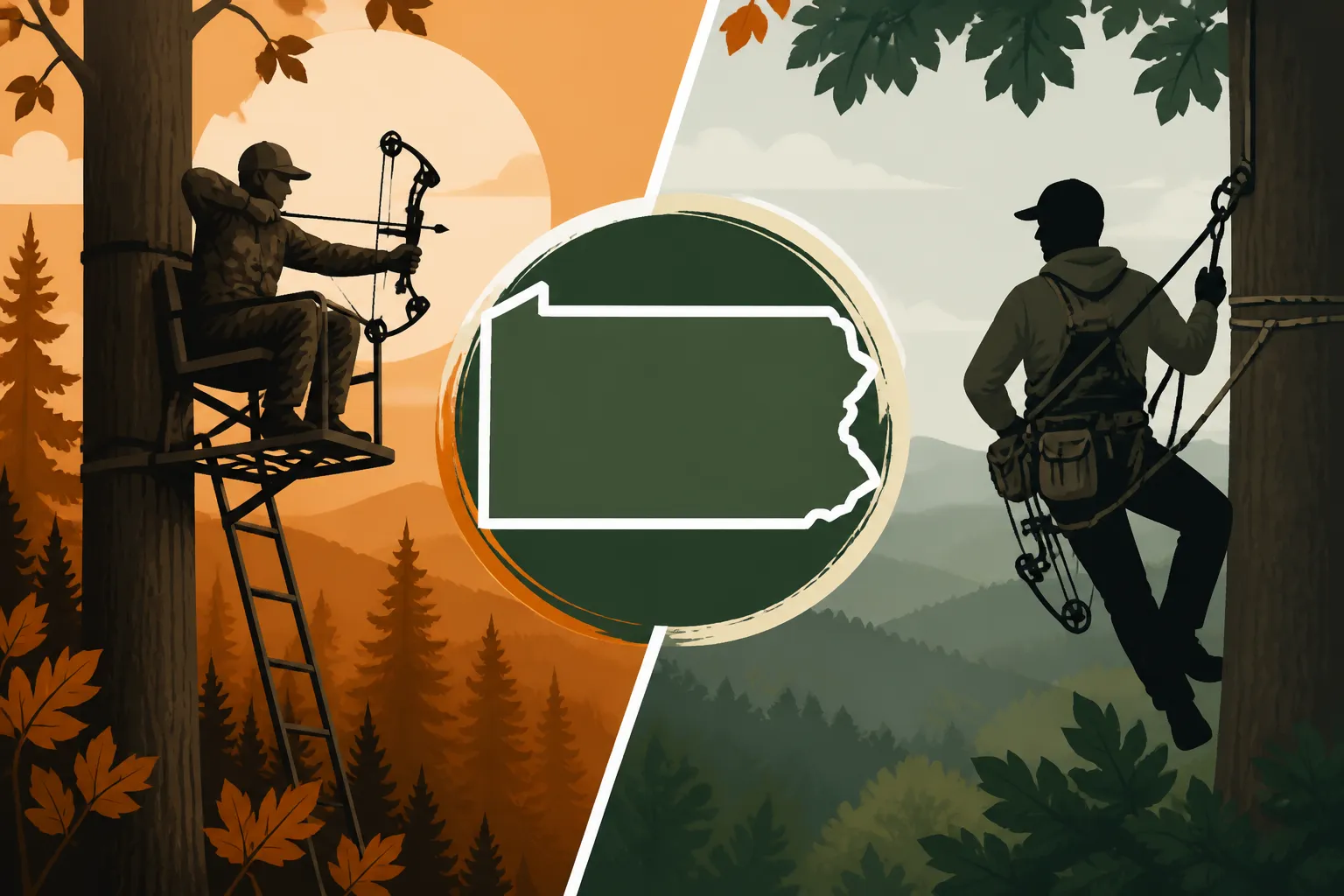
When it comes to getting off the ground in Pennsylvania's diverse hunting landscapes, you essentially have two primary camps: traditional treestands and the increasingly popular saddle hunting systems. Both have their fervent supporters and specific advantages, making the "best" choice highly dependent on your personal hunting style, the terrain you frequent, and how much gear you’re willing to carry. Many hunters find that a blend of both can be ideal for different situations across the season.
Traditional Treestand Considerations Hang-on, Climber
Traditional treestands come in a few main varieties, each with its own set of pros and cons.
- Hang-on Stands: These are probably the most versatile for public land. They require separate climbing sticks or steps to ascend the tree, but once up, they offer a solid, stable platform. They excel in timber with irregular, branching trees that a climber can't handle, which is common in many of Pennsylvania's big woods areas. The downside is the need to carry both the stand and climbing sticks, which can be heavy and bulky. However, with practice, you can get very efficient at setting them up quietly. When scouting for ideal spots, a mapping tool like GoHunt can help identify areas with suitable trees and good access.
- Climber Stands: For hunters who prioritize speed and simplicity in specific types of timber, a climber is hard to beat. They are a self-contained unit, allowing you to "walk" up straight, limbless trees fairly quickly. This makes them great for areas with uniform, mature timber, like some pine plantations or stands of hardwoods without low limbs. Their main limitation is tree choice; if the tree isn't perfectly straight and free of branches, a climber is useless. They also tend to be bulkier to carry than a hang-on stand with sticks.
- Ladder Stands: While popular on private land for their comfort and ease of access, ladder stands are rarely practical or permitted on State Game Lands. They are typically too heavy and cumbersome to transport deep into public ground, and their size can make them a target for theft or vandalism. More importantly, the PGC's emphasis on portability and leaving no trace often makes them non-compliant with the spirit, if not the letter, of the rules against permanent or semi-permanent fixtures.
Choosing a treestand often comes down to balancing stability, comfort, weight, and adaptability to the trees you expect to find. For most public land hunters, a lightweight hang-on stand paired with compact climbing sticks offers the most flexibility for varied terrain and tree types.
The Versatility and Stealth of Saddle Hunting
Saddle hunting has exploded in popularity in recent years, particularly among public land hunters, and for good reason. It offers a unique blend of mobility, concealment, and adaptability that traditional stands often can't match. Saddle Hunting in Pennsylvania Oaks delves deeper into specific tactics.
- Unmatched Mobility: A saddle system, consisting of a harness-like saddle, a short bridge rope, and climbing method (usually sticks), is incredibly lightweight and compact. This allows hunters to pack in deeper, change locations quickly, and access trees that would be impossible with a traditional stand. If you scout a promising oak flat or a hidden bench on a ridge and realize your planned tree isn't ideal, you can easily shift to another without a major production. This adaptability is invaluable when dealing with fluctuating deer movement or changing wind conditions.
- Enhanced Stealth and Concealment: Instead of sitting on a large, protruding platform, a saddle hunter is essentially "hugging" the tree. This significantly reduces your profile, making you less visible to wary deer. Your range of motion is also more fluid, allowing you to shoot around the tree, using the trunk itself as cover. This natural concealment, combined with the ability to quickly adjust your position, often provides a crucial edge in high-pressure environments like many State Game Lands.
- Tree Selection and Comfort: Saddles allow you to hunt a wider variety of trees, including smaller diameter ones or those with less-than-perfect trunk shapes. While they require a learning curve, many hunters find them surprisingly comfortable for long sits once they get accustomed to the leaning posture. The ability to shift weight and rotate around the tree can actually be less fatiguing than being static on a small stand platform. They truly open up a world of tree choices that would be impossible with a traditional stand.
For hunters who value agility, low profile, and the ability to adapt to diverse Pennsylvania terrain, a saddle system is a game-changer. It represents a significant shift in thinking from setting up on a tree to becoming part of the tree.
Matching Your System to Pennsylvania Terrain and Hunt Style
The "best" elevated hunting system isn't a one-size-fits-all answer; it's about what works for you in the specific places you hunt. Pennsylvania's hunting landscapes are incredibly varied, from the rolling farmlands of the south to the steep, rugged mountains of the north-central region, and the dense, swampy areas of the northwest.
- Big Woods and Mountain Hunting: In the vast, sprawling tracts of the state forests and larger game lands, where you might be hiking miles in and out, lighter is almost always better. Here, a saddle or a very lightweight hang-on stand with compact Climbing Sticks for Rough Bark will serve you well. These setups allow for rapid deployment and easy relocation if your initial scout was off, or if deer patterns shift due to hunting pressure or changing food sources. Mobility is king when you're covering vast distances. Consider how you'll manage Entry Routes on Steep Ground to your stand.
- Farm Country Edges and Woodlots: If you're hunting smaller woodlots or the edges of agricultural fields, tree selection might be more limited, but comfort could be a higher priority since your walk-in might be shorter. A slightly heavier, more comfortable hang-on stand might be a good choice here, especially if you plan to leave it for a few days (within regulations). However, saddles still offer an advantage for their concealment, particularly when dealing with wary farm-country deer accustomed to human presence. In these areas, where deer are often nocturnal, the ability to disappear into the canopy is invaluable.
- Pressure Management: Regardless of where you hunt, public land often means hunting pressure. Both systems can be effective, but saddle hunting arguably provides a stealthier approach due to its smaller profile and ability to use the tree as cover. Traditional stands, especially with large platforms, can stand out more. When other hunters are moving, being unseen is crucial. Tools like GoHunt can help you identify areas with less obvious access points, potentially reducing the pressure you encounter.
| Feature | Traditional Treestand (Hang-on/Climber) | Saddle Hunting System |
|---|---|---|
| Mobility/Weight | Heavier, bulkier, slower to move between trees. | Very lightweight, compact, highly mobile. |
| Concealment | Larger profile, sits on the tree. | Smaller profile, hugs the tree, uses tree for cover. |
| Tree Selection | Hang-ons versatile, climbers limited to straight trees. | Highly versatile, works on varied tree shapes/sizes. |
| Comfort | Can be very comfortable with a good seat. | Takes practice; can be comfortable for long sits, but different. |
| Stealth (Setup) | Can be noisy if not careful with metal components. | Generally quieter due to minimal metal-on-metal. |
| Cost | Varies widely, from budget to high-end. | Often requires an initial investment in multiple components. |
| Learning Curve | Easier to master basic use. | Steeper learning curve for advanced techniques. |
Ultimately, the best approach is to experiment if possible. Borrow a friend's saddle, try different treestand models, and see what feels most natural and effective for your body and your hunting style.
Strategic Placement and Setup on Public Land
Finding the perfect spot for your elevated setup on State Game Lands isn't just about finding a good tree; it's about understanding deer movement, anticipating human pressure, and planning your approach and exit meticulously. Public land deer are often more educated than their private land counterparts, so every detail, from your scent control to your quiet movement, becomes amplified. This is where diligent Scouting Pennsylvania Public Land Before Season really pays off.
Scouting for Productive Locations Without Leaving a Trace
Effective scouting is the bedrock of successful public land hunting. You're looking for signs of deer activity – rubs, scrapes, tracks, and droppings – but also food sources, bedding areas, and natural funnels that dictate deer travel. A crucial aspect is doing this without leaving a permanent footprint.
- Mapping Tools are Your Friend: Before you ever step foot in the woods, leverage mapping applications. Services like GoHunt allow you to layer public land boundaries, topo maps, aerial imagery, and even historical harvest data or timber cut zones. You can identify potential pinch points, benches, saddles, and creek bottoms from the comfort of your home. Look for areas away from obvious access points, where other hunters might not want to walk. Reading Aerial Photos for Big Woods Deer can help you interpret the landscape.
- Boots on the Ground, Eyes Wide Open: Once you have potential spots identified on your map, it's time to hit the woods. Walk quietly, paying attention to the wind, and look for fresh sign. Don't just focus on the immediate area; consider how deer will approach and leave this spot. Where are their escape routes? Where is the thickest cover they’ll feel safe in? During scouting, try to avoid leaving scent or disturbing the area too much, especially close to the season. The goal is to observe, not to alter.
- The "Unpressured" Zones: On public land, deer often gravitate towards areas that offer cover and food but are difficult for hunters to access. This might mean steep hillsides, dense thickets, or areas across a creek that most hunters are unwilling to cross. Your job in scouting is to find these spots, confirm deer sign, and then figure out a stealthy way to get in and out. Sometimes, Finding Ground Others Walk Past is the key to consistent success.
Entry and Exit Routes for Stealth on Pressured Land
This might be the most overlooked aspect of public land hunting. It doesn't matter how perfect your stand setup is if you spook every deer in the area on your walk in or out. Deer on State Game Lands are accustomed to human activity, and they quickly learn to associate certain sounds, smells, and movements with danger.
- Wind and Thermals are Paramount: Always plan your entry and exit based on prevailing wind and thermals. In hilly Pennsylvania terrain, thermals often rise in the morning and fall in the evening. This means you might need different routes for your morning and evening hunts to avoid blowing your scent into bedding or feeding areas. Your entry should keep your scent out of known deer zones until you are in your stand.
- Silent Movement: Clear your path of crunchy leaves and brittle twigs on your entry. Wear quiet clothing. Walk slowly and deliberately. If possible, use natural features like creek beds (if dry), logging roads (if permitted and unused by others), or ridge lines that offer quieter footing. The less noise you make, the less likely you are to alert deer, especially in the pre-dawn or post-dusk hours.
- Minimizing Disturbance: On your way in, try to avoid walking directly through bedding areas or heavily used trails. Instead, skirt them, creating a "buffer zone" between your path and where deer are likely to be. On your way out, resist the urge to immediately jump out of your stand at shooting light if you haven't seen anything. Give the woods time to settle, and move only when you're confident you won't bump deer that might still be in the area, or worse, heading your way. Patience on exit can be just as important as patience on the hunt.
Concealment and Shooting Lanes in Pennsylvania Timber
Once you’ve identified your tree, the actual setup needs to prioritize two things: being unseen by deer and having clear shooting lanes. This can be a tricky balance, especially when you’re limited in how much you can modify the tree or surrounding vegetation.
- Use the Tree as Your Friend: Whether you're in a treestand or a saddle, position yourself so the tree itself breaks up your silhouette. Place the stand on the side of the tree that deer are most likely to approach from. For saddle hunters, this is even more critical; you are your own cover. In hardwood forests, look for trees with good bark texture or a few strategic branches that can help you blend in.
- Natural Obstructions: Instead of cutting, look for natural obstructions that can provide cover. A cluster of saplings, a fallen log, or even a rise in the terrain can help shield your approach and mask your position. Sometimes, it's better to be slightly off the main trail but well-hidden than to be directly on it and exposed.
- Minimal Trimming: Remember the rules about tree damage. Only trim absolutely necessary branches, and only if they are small twigs that can be cleanly snipped with hand pruners. Never cut large limbs. Think about how deer perceive threats – unnatural shapes, sudden movements, and shiny objects. Keep your stand and gear dull-colored and blend it into the environment. When you're in position, slowly scan your shooting lanes and identify any small branches that truly impede a shot and can be removed without violating rules. Often, you can adjust your body position or anchor points to create a clear shot without cutting. This is particularly relevant when you are hunting during periods like Hunting the Pennsylvania Rut in November, where shot opportunities can be fleeting.
Safety First: Essential Practices for Elevated Hunting
No matter how experienced you are, safety in an elevated hunting stand is paramount. Falls from treestands are one of the leading causes of serious injury and even death for hunters. In Pennsylvania’s rugged terrain, a fall could mean being stranded far from help. It's not a matter of "if" but "when" something goes wrong if you're not diligent.
Harness Use and Lifeline Importance
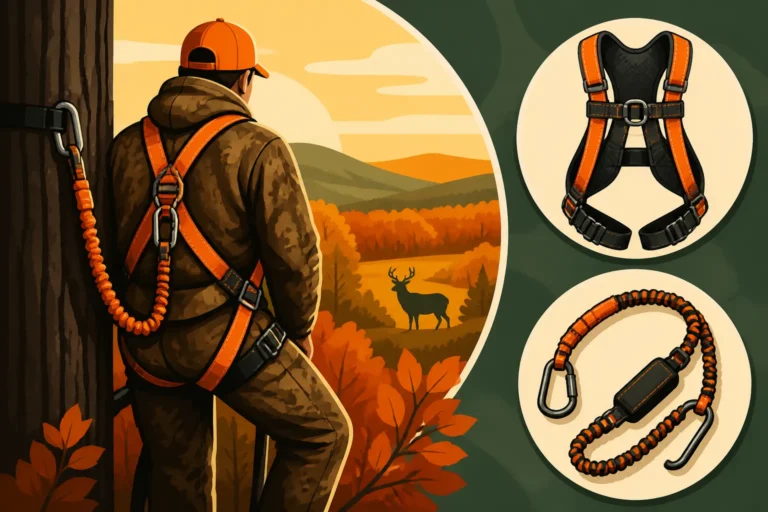
This cannot be stressed enough: always wear a full-body harness, and always be connected to the tree from the moment your feet leave the ground until they are back on solid earth. This is the golden rule of elevated hunting.
- Full-Body Harness: Invest in a comfortable, high-quality full-body harness and wear it correctly. Read the instructions, adjust it for a snug fit, and ensure all straps are secure. It might feel a little cumbersome at first, but it's literally a lifesaver. Modern harnesses are designed to be lightweight and allow for a full range of motion.
- Lifeline/Fall Arrest System: For hang-on stands, a lifeline is indispensable. This rope goes from the base of the tree all the way up to your stand level, with a prusik knot or similar device that you attach your harness to. As you climb, you slide the knot up the rope, ensuring you are constantly tethered. If you slip while climbing or transitioning into your stand, the lifeline catches you. For climber stands, make sure your harness is attached to the upper section of the stand while climbing, creating a similar safety net. Never climb or descend without being tethered.
- Suspension Relief Strap: If you do fall and are suspended, you need a way to relieve pressure on your legs to prevent suspension trauma. Most quality harnesses come with a suspension relief strap or a quick-release system. Know how to deploy and use it before you ever need it. Practice in a safe environment, close to the ground.
Pre-Season Gear Inspection and Maintenance
Just like you wouldn't drive a car with bald tires and no brakes, you shouldn't trust your life to faulty treestand equipment. A thorough inspection of all your elevated hunting gear before each season, and even before each hunt, is critical.
- Check Straps and Ropes: Inspect all straps, ropes, and webbing for fraying, cuts, sun rot, or wear and tear. Synthetic materials can degrade over time, especially when exposed to UV light. Replace any suspicious components immediately. This includes the straps that secure your stand to the tree, your climbing sticks, and especially your lifeline and harness straps.
- Hardware and Connections: Examine all buckles, carabiners, bolts, nuts, and welds for signs of rust, cracks, deformation, or loose fittings. Ensure all moving parts operate smoothly and securely. For stands with cables, check the cable for any kinks or broken strands. Don't overlook the small stuff; a loose bolt can lead to a catastrophic failure.
- Practice and Familiarity: Set up your stand or saddle system in your yard or a safe, low-to-the-ground location before the season. This allows you to identify any issues, get comfortable with the setup process, and build muscle memory. Practice putting on your harness, attaching your lifeline, and deploying your suspension relief strap. The more familiar you are with your gear, the safer you'll be in the field.
Weather Considerations and Emergency Preparedness
Pennsylvania weather can be unpredictable, especially during hunting season. Cold, rain, snow, and wind can all turn a routine hunt into a dangerous situation if you're not prepared. Cold Weather Sitting Strategy emphasizes the importance of proper planning.
- Monitor Forecasts: Always check the weather forecast before heading out. High winds can make climbing and sitting in a treestand extremely hazardous. Ice or snow can make climbing surfaces slippery and difficult to secure. Heavy rain can soak your clothing, leading to hypothermia. If conditions are questionable, it’s always better to err on the side of caution and hunt from the ground or reschedule.
- Dress for the Conditions: Layer your clothing to adapt to changing temperatures. Bring waterproof outer layers if there's a chance of rain or snow. Insulated boots and hand warmers are essential for cold weather, especially during long sits. Remember that being elevated exposes you more to wind and cold than being on the ground.
- Emergency Kit: Carry a small emergency kit with you. This should include a fully charged cell phone (and a portable power bank), a whistle, a headlamp, a small first-aid kit, and some high-energy snacks. Inform someone of your hunting location and your expected return time. If you hunt in remote areas, consider carrying a personal locator beacon (PLB) or a satellite messenger like those offered by Garmin inReach or Zoleo, especially if you're hunting alone. Being prepared means you can handle minor issues and call for help in a serious emergency.
Maintenance, Removal, and Respecting Public Land
Being a responsible public land hunter in Pennsylvania extends beyond just ethical shooting; it encompasses how you manage your gear, minimize your impact, and interact with the shared resource. Your actions reflect not only on you but on the entire hunting community.
Seasonal Stand Management and Winter Removal
As discussed earlier, adherence to removal deadlines is non-negotiable. For deer and bear seasons, this generally means that all portable tree stands, blinds, and climbing devices must be removed from State Game Lands, State Forests, and other public lands by a certain date in January.
- Timely Removal: Mark your calendar with the official removal dates published by the PGC. Don't wait until the last minute. Winter weather can make retrieval difficult, and you risk missing the deadline, which results in your equipment being confiscated and potential fines. Plan to remove your stand well before any major winter storms hit.
- Thorough Inspection Post-Season: Once your stand is down, give it a good cleaning and a thorough inspection. Are there any parts that need replacement or repair before next season? Store your stand in a dry place, ideally out of direct sunlight, to prevent rust and material degradation. Proper off-season maintenance ensures your gear is safe and ready for the next hunting cycle.
- Consider Early Removal for Stealth: Even if the regulations allow you to keep a stand up until January, consider removing it sooner if you’re done hunting a particular spot or species. This reduces the visual footprint and allows the area to rest, potentially making it more appealing to wary game for the next season. It also removes the risk of theft or damage from extreme weather.
Minimizing Impact and Leaving No Trace
The principle of "Leave No Trace" is fundamental to responsible public land use. As hunters, we have a unique responsibility to be stewards of the land, ensuring that our presence leaves minimal, if any, lasting mark.
- Pack It In, Pack It Out: This rule applies to everything. All your trash, spent broadheads, empty food wrappers, and anything else you carry in must be carried out. Leaving even a small candy wrapper is littering and detracts from the wild experience for others.
- Respect Vegetation: Avoid excessive cutting or breaking of branches, even small ones. As mentioned, only trim what is absolutely necessary for a shot, and use small pruners for clean cuts. Never damage the bark of a tree. Leave the natural environment as undisturbed as possible.
- Human Waste: Be prepared to pack out all human waste or bury it properly, away from water sources and trails, in remote areas. This might seem like a small detail, but it prevents the spread of disease and maintains the pristine nature of the woods.
- Scent Control Beyond Hunting: While scent control is often discussed in the context of avoiding detection by deer, it also applies to being respectful of other users. Avoid leaving strong unnatural odors, such as bug spray, heavy perfumes, or strong tobacco smells, particularly in areas frequented by others.
Dealing with Public Land Pressure and Ethics
Hunting on State Game Lands often means encountering other hunters. This can be a source of frustration, but with a respectful and ethical approach, these encounters can be minimized or managed constructively. Hunting Pressure on Pennsylvania Game Lands is a reality you must face.
- Communicate and Be Considerate: If you see another hunter's stand or saddle setup in an area you were planning to hunt, it's generally best to give them a wide berth. If you accidentally bump into another hunter, a friendly nod or brief, quiet conversation about intentions can often prevent conflict. Most hunters appreciate courtesy and a respectful distance.
- First Come, First Served (Respectfully): On public land, a spot is generally considered "taken" if a hunter is actively using it, or if their stand is legally placed and awaiting them for the day's hunt. There’s no legal claim to a specific tree or area on public land for the entire season. However, out of respect, most hunters avoid setting up right on top of another's established setup. Use mapping tools like GoHunt to scout alternative locations beforehand.
- Adapt Your Tactics: If you frequently encounter other hunters, you may need to adjust your tactics. This might mean walking further, hunting mid-week when pressure is lower, or focusing on areas that are harder to access. Sometimes, the deer themselves are pushed into thicker cover or nocturnal patterns by pressure, so adapting your entry and exit strategies and your hunting times can be crucial. Finding Ground Others Walk Past is a skill worth developing.
- Report Violations, Don't Confront: If you witness a clear violation of PGC regulations – such as excessive tree damage, permanent stands, or poaching – report it to the Pennsylvania Game Commission rather than confronting the individual directly. This keeps you safe and ensures the proper authorities handle the situation.
By understanding the rules, choosing the right equipment, prioritizing safety, and practicing good stewardship, you can enjoy years of successful and rewarding elevated hunting experiences on Pennsylvania’s State Game Lands.
Disclaimer
This article is for general informational purposes only and does not constitute professional advice. Laws, prices and regulations vary by location and change over time. Consult a qualified professional for guidance on your specific situation.