Packs for a Day on Game Lands
One of the most common frustrations for any hunter venturing onto Pennsylvania's vast State Game Lands or State Forests for a day hunt is the challenge of comfortably carrying all their essential gear. From extra layers and water to navigation tools and emergency supplies, an ill-fitting or poorly organized pack can turn an otherwise enjoyable day into a nagging chore. This comprehensive guide will walk you through everything you need to know about choosing and packing the perfect day pack, ensuring you're prepared, comfortable, and efficient on your next Pennsylvania hunting adventure.
The Unsung Hero of a Pennsylvania Day Hunt: Your Pack
It's easy to get caught up in the excitement of new firearms, bows, or optics, but often overlooked is the humble hunting pack. Yet, for a day spent hoofing it across varied terrain, still-hunting through thickets, or patiently waiting on a stand, your pack can make or break your experience. It’s not just a bag; it’s an extension of your hunting strategy, a mobile support system that carries everything from your morning coffee to the gear you need to field dress a deer.
Why Your Pack Matters More Than You Think
Imagine hitting the trail before dawn, the air crisp and cold, but knowing the afternoon will bring warmer temperatures. A good pack allows you to layer up and shed clothing as needed without carrying a bulky jacket in your hands. It keeps your water readily accessible, your snacks from getting crushed, and your first-aid kit exactly where you expect it. When you're miles from the truck, deep in a hollow on State Game Land 203, a well-organized pack means the difference between a minor inconvenience and a potential problem. It's about being self-sufficient, ready for sudden weather changes, an unexpected opportunity, or an unplanned delay in your outing. Having your essentials secure and reachable means you can focus on the hunt, not on your aching shoulders or rummaging for a headlamp as dusk settles.
Common Pitfalls of Poor Pack Choices
Many hunters start with an old school backpack, a hand-me-down from their college days, or something they picked up cheaply. While these might work for a short walk to a familiar stand, they quickly reveal their shortcomings when faced with the demands of Pennsylvania's diverse landscapes. Issues like uncomfortable straps that dig into your shoulders, poor weight distribution that throws off your balance on steep slopes, or a lack of external pockets for quick access to calls or binoculars are rampant. One of the biggest frustrations is often a lack of weather resistance. A sudden October downpour can soak everything inside a cheap pack, ruining snacks, dampening extra clothes, and potentially damaging electronics. Not to mention the noise: zippers that loudly clank or fabric that swishes with every step can easily alert wary whitetails to your presence. Investing in a purpose-built hunting pack addresses these issues, providing quiet materials, smart design, and robust protection.
Essential Features to Prioritize in a Game Lands Day Pack
When you're looking for a pack to accompany you on your Pennsylvania hunts, don't just grab the first one you see. Think about the specific challenges you face: steep climbs, thick briars, sudden rain, and long hours away from your vehicle. Prioritizing certain features will ensure your pack is an asset, not a burden.
Comfort and Fit for Varied Terrain
This is, without a doubt, the most critical factor. Pennsylvania hunting often involves walking significant distances over uneven ground, from rocky stream bottoms to steep, brushy ridges. A pack that doesn't fit well will cause discomfort, fatigue, and can even lead to injury. Look for adjustable shoulder straps that are well-padded and contoured to your body. A sternum strap is essential for stabilizing the load and preventing the shoulder straps from slipping. Crucially, a good hip belt should transfer most of the pack's weight from your shoulders to your hips, where your body is better equipped to carry it. This is especially vital when navigating challenging terrain or when you might be dragging a deer out later. Try on packs with some weight in them – fill them with water bottles or books – and walk around the store to get a real feel for how they sit on your back. Consider features like a ventilated back panel, which can prevent sweat buildup on warmer days, keeping you more comfortable as you move. A well-fitting pack almost disappears on your back, letting you concentrate on the hunt, not the ache. Many hunters struggle with Boots and Packs for Steep Country, and a proper fitting pack is a key part of the solution.
Strategic Organization and Accessibility
Nothing is more aggravating than needing something quickly – say, a rangefinder or a grunt call – and having to dump the entire contents of your pack to find it. Effective organization is key to efficiency in the field. Look for packs with multiple compartments and pockets, both internal and external. Side pockets are great for water bottles, while a top lid pocket can hold frequently accessed items like snacks, a headlamp, or your GPS. Internal dividers can help keep larger items separate, preventing a tangled mess. A dedicated sleeve for a hydration bladder is a huge plus, allowing you to drink on the move without stopping to grab a bottle. Some packs also feature external lashing points or compression straps, which are invaluable for securing extra layers, a rattling rack, or even a small ground blind. Think about what you carry and how you'll need to access it when seconds count. For example, a quiet, easily operable zipper is far more valuable than a noisy, cheap one when a buck steps out unexpectedly.
Durability and Weather Resistance
Pennsylvania weather is famously unpredictable. A beautiful, crisp morning can quickly turn into a cold, driving rain or a sudden snow squall. Your pack needs to withstand these conditions. Look for packs made from tough, abrasion-resistant materials like Cordura or ripstop nylon that can stand up to brush, rocks, and general abuse. Reinforced stitching at stress points, like where the shoulder straps attach, is a good indicator of quality. While many hunting packs are water-resistant, "waterproof" is a much stronger claim and often requires a specific type of fabric or treated zippers. A pack with an integrated rain cover, or at least a readily available separate one, is a wise investment to protect your gear from sudden downpours. Even if your pack claims water resistance, always place sensitive electronics, maps, and extra clothing in dry bags or Ziploc bags inside your pack for an added layer of protection. It’s better to be overly cautious than to have a ruined phone or wet clothes miles from your truck.
Matching Your Pack to Your Pennsylvania Hunting Style
Just as there's no single "best" hunting rifle, there's no single "best" day pack for every Pennsylvania hunter. Your ideal pack will largely depend on your preferred hunting style, how long you plan to be out, and the specific gear you carry.
Minimalist Packs for Mobile Hunters and Still-Hunting
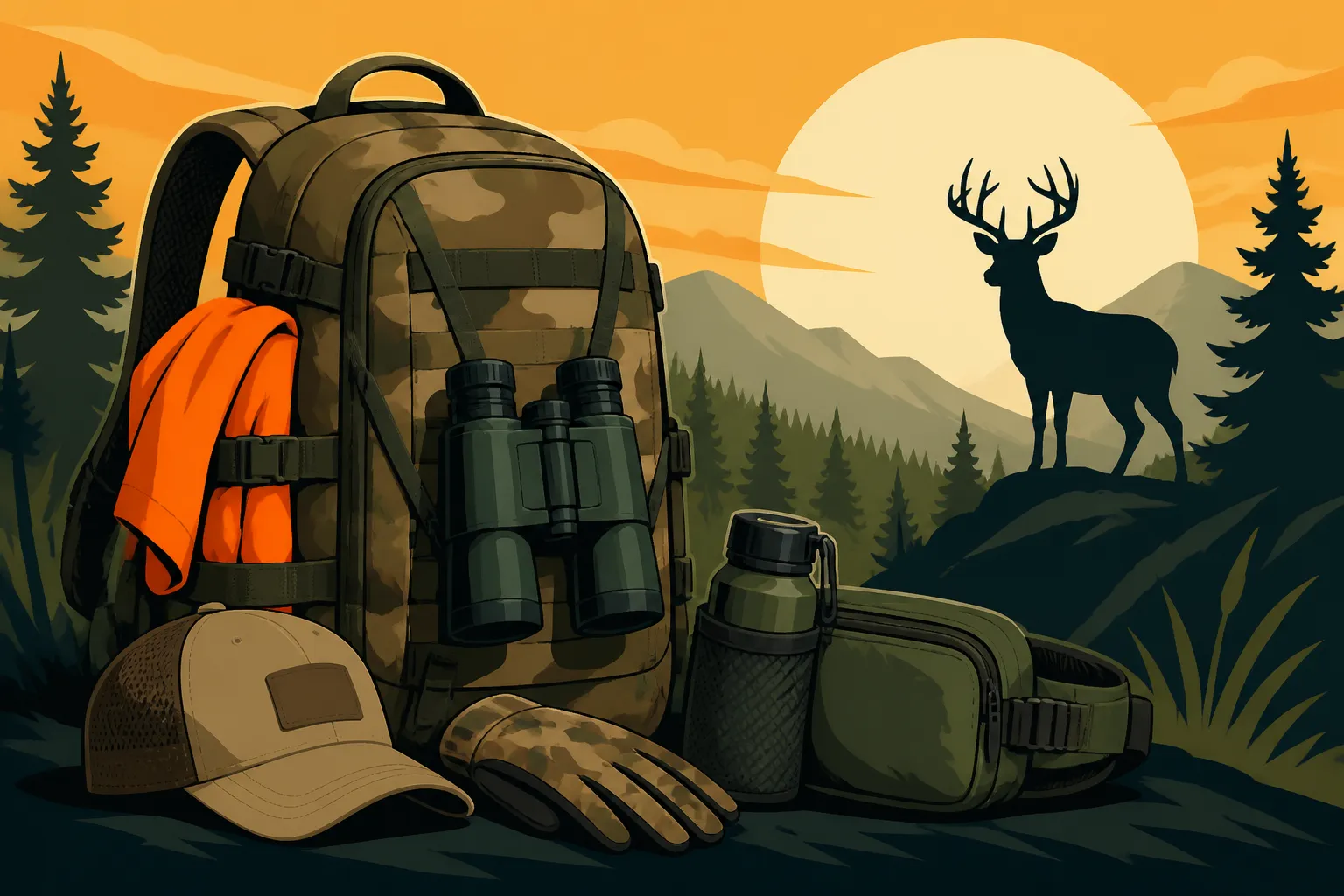
If your hunting strategy revolves around being light and agile, constantly on the move, still-hunting through big woods, or covering vast tracts of public land, a minimalist pack is probably your best friend. These packs are typically smaller, ranging from 1,000 to 2,000 cubic inches, and focus on carrying only the absolute essentials. Think a water bladder, a few high-energy snacks, a First Aid Kits for Remote Big Woods, your calls, and maybe a lightweight rain shell. The key here is streamlined design, minimizing bulk and weight to allow for quiet, unencumbered movement through thick cover or up steep ridges. You'll want something that hugs your body, doesn't snag on branches, and allows for full range of motion when climbing or taking a shot. Features like quiet fabrics and easily accessible pockets for optics or a grunt tube are highly valued. These packs are perfect for hunters who prioritize covering ground and don't plan on sitting for extended periods in one spot.
Larger Day Packs for Stand Hunting and Longer Stays
For hunters who prefer to set up in a treestand or ground blind for long hours, perhaps even an all-day sit during the peak rut, a larger day pack (2,000-3,000+ cubic inches) offers the space needed for comfort and preparedness. These packs accommodate bulkier items like extra layers for Cold Weather Sitting Strategy, a thermos of coffee, a larger lunch, a book, or even specific camera equipment. When you're spending 8-10 hours stationary, you need more creature comforts to remain focused and warm. Look for packs with robust frames that can handle heavier loads, especially if you plan to carry in a climbing treestand or heavy ground blind components. Many stand hunters appreciate packs with a flat bottom or internal frame that allows them to stand upright when placed on the ground, making it easier to access contents without spilling everything. Also, consider integrated pockets or loops for carrying a bow or rifle securely, freeing up your hands for climbing into a stand or navigating rough trails.
Hybrid Options for Versatile Hunters
What if you're a hunter who does a bit of everything? One day you're still-hunting a ridge, the next you're perched in a treestand. For this versatility, a hybrid pack might be your sweet spot. These packs often offer clever compression straps that allow a larger pack to be cinched down for a more compact profile when carrying less gear. Some feature expandable compartments or external attachment points, giving you the flexibility to increase carrying capacity when needed. For instance, a pack might have a main compartment that's perfect for a day's worth of gear, but also an external pocket that can expand to hold a shed antler or even a quartered deer in a pinch. The goal of a hybrid pack is adaptability, allowing you to quickly adjust your setup to match the demands of the day's hunt without owning multiple specialized packs. This is particularly appealing for hunters who explore various WMUs and hunting scenarios throughout the long Pennsylvania seasons.
What to Fill Your Pack With: The Game Lands Daily Essentials
Once you have the perfect pack, the next step is to fill it with the right gear. Every hunter's exact kit will vary, but there are core essentials that should always find a place in your pack for a day on Pennsylvania's public lands.
Safety and Navigation Gear
Safety should always be paramount. Even on familiar ground, it's easy to get disoriented, especially as daylight fades. Always carry a reliable navigation system. Many hunters rely on their smartphones with robust mapping apps like GoHunt, which provide detailed topographical maps and property boundaries. However, phone batteries can die, so a physical compass and a paper map of the area are indispensable backups. Don't forget a Power Banks for Long Days Afield to keep your electronic devices charged. A good Headlamps for Walking Out in the Dark is crucial, even if you plan to be back before nightfall – unexpected events happen. Whistles are great for signaling if you get lost or need help, as they carry farther than a shout. Carry a basic first-aid kit that includes pain relievers, bandages, antiseptic wipes, and any personal medications. Knowing Scouting With the Pennsylvania Mapping Center is valuable, but having the physical tools in your pack is essential.
Sustenance and Comfort Items
Hunting is physically demanding, and staying hydrated and fueled is vital for maintaining focus and energy. Always carry plenty of water, whether in bottles or a hydration bladder. High-energy snacks like granola bars, nuts, dried fruit, or a sandwich are perfect for quick boosts. If you're planning a cold-weather sit, a small thermos of hot coffee, tea, or soup can be a morale booster and help you stay warm.
| Item Type | Examples | Importance |
|---|---|---|
| Hydration | Water bottles, hydration bladder | Essential for energy and focus. |
| Snacks/Food | Granola bars, nuts, dried fruit, sandwich | Sustains energy for long days. |
| Navigation | GPS, map, compass, phone with GoHunt, power bank | Prevents getting lost, aids in planning. |
| Light | Headlamp, small flashlight | Critical for pre-dawn starts and post-dusk exits. |
| First Aid | Bandages, antiseptic, pain relievers, personal meds | Addresses minor injuries and emergencies. |
| Layers | Rain jacket, insulated vest, warm hat, gloves | Adapt to changing weather conditions. |
| Game Care | Field dressing knife, game bags, latex gloves | Prepares harvested animal efficiently and cleanly. |
| Signaling | Whistle, small mirror | For emergencies and communication. |
| Misc. | Paracord, fire starter, toilet paper | Versatile tools for various situations. |
Extra layers of clothing are non-negotiable in Pennsylvania. Even if the forecast is mild, pack a rain jacket, a warm hat, and gloves. You can always shed layers, but you can't conjure them out of thin air if the temperature drops or rain moves in. A small sit pad can make a big difference for comfort and insulation during stand hunts, preventing cold from seeping up from the ground or stand. Don't forget basic hygiene items like hand sanitizer and toilet paper.
Game Care and Recovery Tools
While you hope to use them, these items are critical for ethical and efficient game recovery. A sharp, reliable Field Dressing Knives Worth Carrying is a must. Many hunters also carry a smaller utility knife or a gut hook tool. Pack a few pairs of disposable latex or nitrile gloves for field dressing, ensuring cleanliness and preventing the spread of any potential diseases. Game bags are excellent for keeping meat clean and cool, especially on warmer early season days. If you anticipate a difficult drag out of a steep hollow, a short length of sturdy rope or paracord can be invaluable for securing the animal or creating a makeshift drag harness. Remember that the journey home for your harvest starts as soon as the animal is down, and having the right tools in your pack ensures you can handle the situation responsibly.
Disclaimer
This article is for general informational purposes only and does not constitute professional advice. Laws, prices and regulations vary by location and change over time. Consult a qualified professional for guidance on your specific situation.