Scouting Pennsylvania Public Land Before Season
Stepping onto unfamiliar public land on opening day, especially in a state like Pennsylvania with its vast forests and game lands, can feel like throwing darts blindfolded. You've got your gear, your license, and all the anticipation in the world, but without a solid understanding of the terrain and where the animals are moving, you're often just hoping for dumb luck. This comprehensive guide is here to change that, walking you through the critical steps of pre-season scouting so you can transform hope into calculated confidence for your next hunting adventure.
Why Pre-Season Scouting is Non-Negotiable on Pennsylvania Public Land
Let's face it, hunting Pennsylvania's public lands isn't always easy. It's often rugged, sometimes crowded, and the game animals are smart. Showing up cold, without having done your homework, is a recipe for frustration and, more often than not, an empty tag. Pre-season scouting isn't just a suggestion; it's a vital part of your strategy, giving you a significant edge and making your precious hunting time more effective and enjoyable.
Avoiding the Opening Day Crowds
One of the biggest headaches on public land, especially for popular seasons like deer firearms or the early archery opener, is dealing with other hunters. You've driven for hours, hiked a mile back, only to find another truck parked right where you planned to go, or worse, someone already sitting in your ideal spot. It's deflating, to say the least. Pre-season scouting allows you to identify not just where the deer are, but where the other hunters aren't. By thoroughly exploring the less accessible nooks and crannies, finding those overlooked pockets of cover, or even just understanding common access points, you can avoid the frustrating scramble that often characterizes opening morning on high-pressure tracts. Knowing a handful of solid backup spots, all pre-scouted and ready, can be the difference between a productive morning and a long walk back to the truck. It’s about being proactive, not just reacting to the influx of orange. We've all seen the impact of too many hunters, which is why a deep understanding of Opening Day Crowds on Pennsylvania Game Lands is crucial for planning your approach.
Understanding Habitat and Game Movements
The woods are a dynamic place. Food sources come and go, water levels change, and animals adapt their routines based on a myriad of factors, including human pressure, weather, and the availability of sustenance. What was a hot spot last year might be a barren wasteland this year. Pre-season scouting is your chance to take the pulse of the current season. Are the acorns dropping? Is there a fresh clearcut offering new browse? Where are the thermal hubs that provide cover on cold mornings? By observing these changing dynamics firsthand, you can piece together a much clearer picture of where the game animals are likely to be concentrating. It allows you to predict their movements from bedding to feeding and back, helping you set up in a way that intercepts them rather than just hoping they wander by. This understanding extends beyond just deer; bear sign, turkey roosts, and even small game activity can all be located and understood before the season officially begins, giving you a complete overview of the potential opportunities.
Developing a Confident Hunting Strategy
There's a massive difference between blindly walking into the woods and stepping out of your truck with a well-researched plan. When you've put in the pre-season legwork, you know the terrain. You know the prevailing winds, you've identified multiple routes to your stand, and you have contingency plans for changing conditions. This knowledge translates directly into confidence. Instead of second-guessing every step, you're making informed decisions. You know that dark timber pocket holds bedding deer, or that the south-facing slope will warm up earlier, pulling turkeys out into the sun. This confidence allows you to hunt more effectively, sit longer, and react smarter when an opportunity arises. It takes the guesswork out of the equation and replaces it with a strategic approach, which is invaluable when time in the woods is precious. Knowing you've done everything in your power to prepare makes the hunt itself so much more rewarding, regardless of the outcome.
Essential Tools for the Modern Pennsylvania Scout
Gone are the days when a paper topo map and a compass were your only scouting aids. While those foundational skills remain incredibly important, modern technology has provided us with an arsenal of digital tools that can save countless hours and reveal insights that were once only accessible after years of walking the same ground. Embracing these tools is not cheating; it's smart hunting.
Mapping Applications and Satellite Imagery
Before you even tie your boots, you should be spending significant time digitally scouting from the comfort of your home. Mapping applications like GoHunt, OnX Hunt, or even the basic Google Earth are absolute game-changers for any public land hunter in Pennsylvania. These platforms offer high-resolution satellite imagery that can reveal hidden features in the landscape you might otherwise miss. You can zoom in and identify subtle terrain changes, logging roads, clearcuts, dense cover, water sources, and even potential access points that aren't obvious from a road.
One of the best resources for Pennsylvania hunters is the Pennsylvania Mapping Center. It provides detailed aerial photos, parcel data, and game lands boundaries that can be invaluable. When you combine this with a premium app like GoHunt, you gain an even deeper perspective, layering public and private land boundaries, topo lines, and historical satellite imagery to see how the landscape has changed over time. For example, a clearcut that was prime bedding five years ago might now be too thick to hunt effectively, or a mature oak flat could have recently been timbered, changing everything. Learning how to effectively utilize these tools, especially when it comes to Reading Aerial Photos for Big Woods Deer, is a skill that pays dividends. Look for transitions – where hardwoods meet conifers, where steep slopes ease into benches, or where thick cover meets open timber. These "edges" are often high-activity zones.
The Power of Topographical Maps and Terrain Features
While satellite imagery shows you what's on the surface, topographical maps tell you the story of the land's bones. Contour lines on a topo map might seem intimidating at first, but once you learn to read them, they unlock a whole new dimension of scouting. They reveal elevation changes, showing you steep cliffs, gradual slopes, saddles between ridges, and benches (flat spots on a hillside). Animals, especially deer and bear, often use these terrain features to their advantage. A saddle on a ridge, for instance, acts as a natural funnel, channeling game movement from one side of the ridge to the other. A bench offers a relatively flat travel path across steep terrain, making it a natural corridor.
Understanding how thermals work in relation to topography is also critical, particularly in the mornings and evenings. As the sun rises, air warms and lifts up slopes; as it sets, cooler, heavier air sinks down. Knowing this allows you to predict wind currents that might not be evident at ground level, helping you choose stand locations that keep your scent out of a deer's nose. By studying topo maps, you can identify natural travel routes, ambush points, and safe, quiet entry and exit routes that minimize your disturbance. Pairing your digital mapping with a thorough understanding of topo lines will give you a strategic advantage that few other tools can match.
Boots on the Ground and Game Cameras
Digital scouting is a powerful first step, but it is never a substitute for getting your boots on the ground. The real magic happens when you confirm your digital findings in person. What looked like dense cover on a satellite image might be too open, or a seemingly insignificant patch of timber could hold incredible sign. Walking the terrain allows you to feel the steepness, evaluate the density of undergrowth, and discover micro-features that maps simply can't convey. It's also where you'll find fresh rubs, scrapes, droppings, and tracks that confirm current animal activity.
Game cameras are another invaluable asset for public land scouting. Once you've identified promising areas through digital maps and initial boots-on-the-ground recon, strategically placing cameras can provide continuous, low-impact intelligence. They tell you what animals are using an area, when they're using it, and even which specific animals (like a mature buck) are present. This information is gold for patterning game. However, remember the rules regarding game camera placement on public lands, as regulations can vary. Knowing Where to Hang a Camera on a Ridge effectively can significantly increase your chances of capturing useful data without impacting the animals' natural routines too much. By combining all three—digital maps, topographical understanding, and physical reconnaissance with cameras—you create a powerful, multi-layered scouting strategy.
Decoding the Pennsylvania Landscape: Food, Cover, and Travel
Understanding how game animals use the landscape boils down to three primary needs: food, cover, and safe travel routes between them. Your scouting efforts should be laser-focused on identifying these elements and connecting the dots to predict animal movement. Pennsylvania's diverse habitat, from sprawling big woods to scattered farm country, presents a unique puzzle in each region.
Identifying Key Food Sources Throughout the Seasons
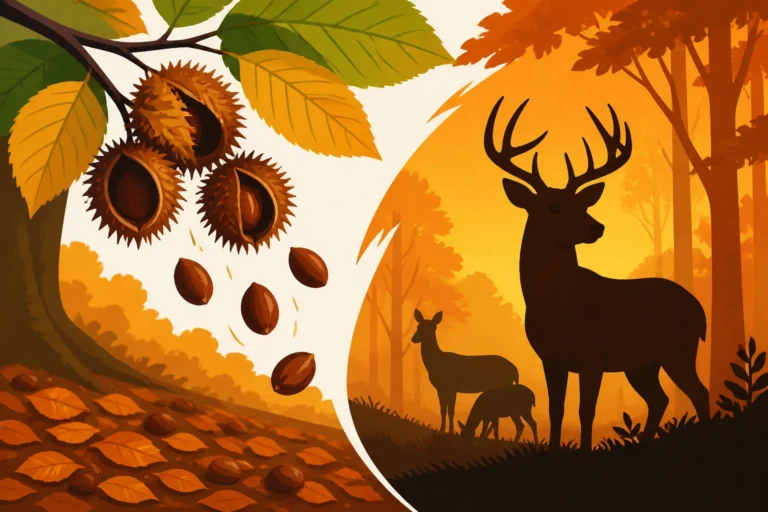
Food is arguably the biggest driver of animal movement. What animals are eating can change drastically from early archery season to the late muzzleloader hunt. In early fall, soft mast like apples, grapes, and black cherries can be magnets, especially on public lands adjacent to old homesteads or neglected clearings. As October rolls in, the focus shifts heavily to hard mast, primarily acorns. Understanding the various oak species – red, white, black – and when their acorns drop is critical. White oaks, for instance, drop first and are often preferred due to their lower tannin content. If you're wondering what to do Hunting After the Acorn Crop Fails, or what changes When Beech Nuts Drop, then your scouting needs to adapt to those realities.
Later in the season, if acorns are scarce, animals will turn to other browse like green briar, witch hazel, or regenerating clearcuts. Don't overlook agricultural fields on the fringes of public land, either. Cut cornfields, alfalfa, or winter wheat can be major draws, especially if they offer some security cover nearby. Your scouting mission should be to pinpoint these current, active food sources. Look for fresh droppings, chewed browse, and disturbed ground around mast trees. A keen eye can spot which specific trees are dropping heavy, leading you to a prime ambush location.
Pinpointing Bedding Areas and Security Cover
Animals, particularly mature bucks and bears, prioritize security. They'll spend their daylight hours in the thickest, nastiest cover they can find, especially on heavily pressured public land. This often means thickets of mountain laurel, dense conifer stands, recent clearcuts with regenerating saplings, or steep, inaccessible hillsides that hunters tend to avoid. Your scouting should involve actively seeking out these sanctuary areas.
Look for bedding sign: matted-down grass or leaves, fresh droppings nearby, and escape routes leading out of the cover. In the big woods, Where Big Woods Bucks Bed is often on benches or ridges that offer a commanding view of their back trail, allowing them to detect danger from multiple directions. For turkeys, roosting areas are key, usually tall mature trees along a ridge or creek bottom. Bear dens or daybeds can often be found in rock crevices, dense laurel thickets, or under root balls of fallen trees. Pinpointing these areas gives you a crucial piece of the puzzle, allowing you to set up on the travel corridors leading to or from these sanctuaries. The harder it looks to get into, the more likely it is to hold undisturbed game.
Uncovering Travel Corridors and Pinch Points
Once you've identified food sources and bedding areas, the next step is to figure out how game animals travel between them. This is where terrain features and natural funnels become incredibly important. A "travel corridor" could be a well-worn game trail along a contour line, a deer run through a clearcut, or a path along a creek bottom. "Pinch points" or "funnels" are areas where the landscape naturally constricts animal movement into a smaller area, making them ideal ambush sites.
These can include saddles in ridges, narrow strips of timber between open fields, points of land jutting into a swamp, or even fences and man-made obstacles that force animals to pass through a specific opening. Learning to identify Scrape Lines Along a Logging Road or major crossings in a creek bottom can point you to these valuable spots. When scouting, look for multiple game trails converging into one, or fresh rubs and scrapes concentrated in a narrow band. The goal is to find spots where you can intercept animals moving predictably, rather than waiting for them to stumble by. These corridors are the highways and byways of the deer woods, and knowing them is like having a secret map to success.
Interpreting Game Sign on Public Land
Understanding the difference between fresh sign and old sign, and what specific clues tell you about the animals, is fundamental to effective pre-season scouting. It’s like being a detective, piecing together a story from tracks, rubs, droppings, and other subtle hints left behind. The woods are full of messages if you know how to read them.
Reading Deer Sign: Rubs, Scrapes, and Trails
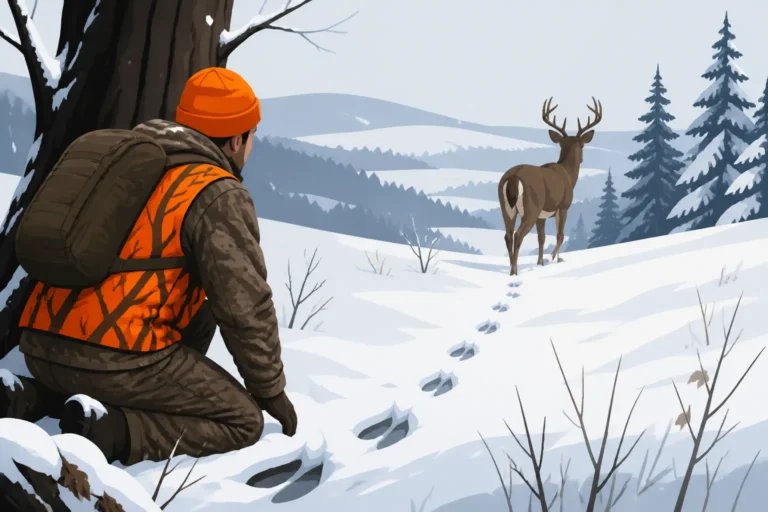
Deer sign provides a direct line into their daily lives. Fresh tracks in mud or soft earth, especially those with dew claws showing, indicate a heavy, often larger animal has passed recently. Look for the direction of travel to understand their routines. Rubs – where bucks have scraped their antlers on saplings or small trees – tell you bucks are in the area. Fresh rubs will have splintered wood and still smell like sap, while older rubs will be weathered and grey. A line of rubs indicates a travel route or a "rub line."
Scrapes are perhaps the most exciting sign. These are patches of disturbed earth where bucks paw the ground, often under an overhanging branch (the "licking branch") which they chew and scent-mark. Scrapes are communication hubs. Active scrapes will be wet in the pawed earth, with a strong musky scent, and the licking branch will be chewed and broken. Finding an active scrape line, especially one that continues into thicker cover or leads towards a food source, is a huge scouting victory. These signs, combined with fresh droppings (which indicate recent feeding and presence), help you paint a picture of current deer activity and preferred areas.
Finding Bear and Turkey Clues
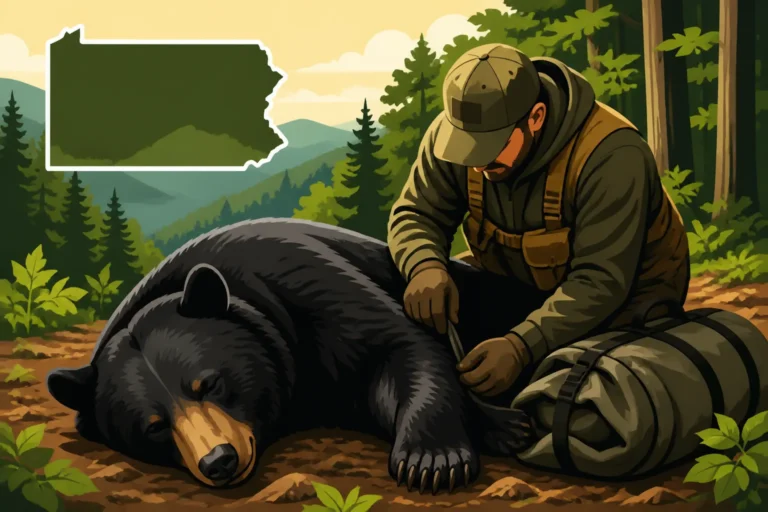
Deer aren't the only game on Pennsylvania's public land, and scouting for bear and turkey requires looking for different kinds of clues. For black bears, look for claw marks on beech or oak trees where they've climbed to get nuts or bark. These marks will be higher up the trunk than a deer rub and often go all the way around. Bear scat is another dead giveaway, and its contents can tell you what they've been eating – berries, nuts, or even corn. Bear tracks are distinctive, with a larger heel pad and five toes. Finding Bear Sign in Mountain Laurel often means you're in a thick, dense bedding area they frequent. Water sources, especially small creeks or springs, are also excellent places to find bear tracks.
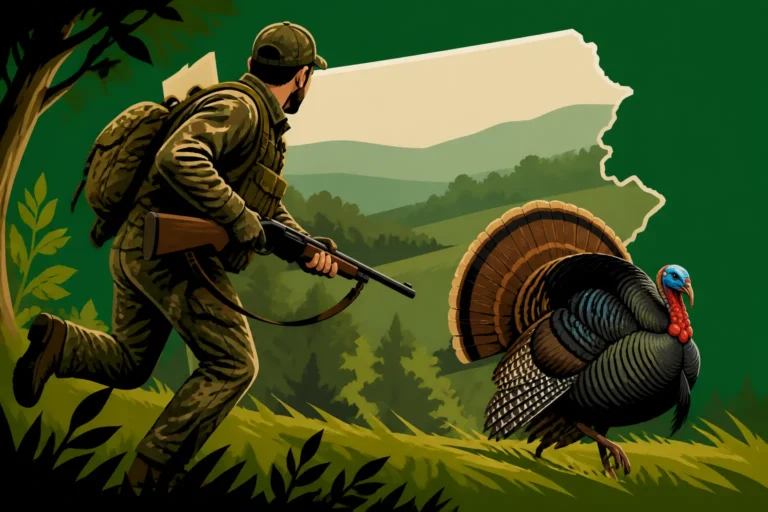
Wild turkeys leave behind equally clear, though sometimes more subtle, clues. Droppings are a good indicator – gobbler droppings are typically J-shaped, while hen droppings are more coiled or globular. Dusting bowls, where turkeys bathe in dry soil to rid themselves of parasites, indicate an area they frequent. Feather piles can point to a roost site or a predator kill. Listening for gobblers on the roost during early spring mornings or fly-down cackles can confirm their presence. Knowing Where Pennsylvania Gobblers Roost by scouting for large, mature trees along ridges or near water can give you a major advantage come spring season.
Understanding Pressure and Human Impact
Public land means shared land, and with sharing often comes pressure. One of the most critical aspects of pre-season scouting is not just finding game, but finding game that isn't being hammered by other hunters. Look for signs of human activity: old boot tracks, discarded energy bar wrappers, poorly placed treestands from previous seasons, or even worn trails leading directly from parking areas. These are all clues that an area sees significant hunting pressure. If you're encountering these, it's a good indicator that the deer in that immediate vicinity are likely more nocturnal or have moved deeper into more secure cover.
Conversely, finding areas with minimal human sign can be incredibly rewarding. This often means walking further, hiking into steeper terrain, or exploring those less obvious access points you identified during your digital scouting. Remember, deer are incredibly adaptable, and they quickly learn to associate human presence with danger. By scouting for areas that other hunters overlook or are unwilling to access, you're more likely to find deer that are still on their natural patterns, even during intense hunting seasons. A deep dive into Hunting Pressure on Pennsylvania Game Lands will show you how vital it is to understand these dynamics. Ultimately, the goal is to be effective, and sometimes that means Finding Ground Others Walk Past.
Strategic Timing and Techniques for Pre-Season Scouting
Scouting isn't a one-and-done event; it's an ongoing process that changes with the seasons and adapts to conditions. Knowing when to scout and how to do it without disturbing the game you hope to hunt is just as important as knowing what to look for.
The Best Times to Hit the Woods
Different times of the year offer unique scouting opportunities, each with its own advantages.
- Late Winter/Early Spring (Post-Season): This is arguably the best time for foundational scouting. With leaves off the trees and undergrowth minimized, visibility is excellent. You can easily spot old rubs, scrapes, faint trails, and even sheds. This period is perfect for identifying bedding areas, finding hidden benches, and mapping out entry/exit routes before the woods green up. The game animals are also less sensitive to human presence during this time, allowing you to cover ground more thoroughly without spooking deer that will be there in the fall.
- Summer: As everything greens up, summer scouting focuses more on food sources. Monitor soft mast crops like berries and apples, and keep an eye on agricultural fields adjacent to public land. This is also a great time to check on mineral licks or identify areas where bucks might be hanging out in velvet. Be more cautious during summer scouting, as game is actively feeding and less tolerant of intrusion. Trail cameras excel during this period, providing intel without disturbing the animals.
- Early Fall (Pre-Season): This is your last chance for critical adjustments. As the leaves begin to turn and acorns start to drop, you need to confirm current food sources and fresh sign. This is when you'll find the most relevant, current rubs and scrapes indicating buck activity. This scouting should be done with extreme stealth, as the season is nearing, and you don't want to alert the deer to your presence. Focus on edges, transitions, and areas you plan to hunt directly.
Stealth Scouting and Minimizing Your Impact
When scouting, especially close to the season, you need to think like a hunter trying to avoid detection. Your goal is to gather information without altering the behavior of the animals you're pursuing. This means paying close attention to your scent, noise, and visibility. Always hunt the wind when scouting, just as you would when hunting. A shifting wind can carry your scent into bedding areas, spooking deer and making them harder to hunt later. Understanding Wind and Thermals on a Ridge is paramount; know when the air is rising and falling to plan your routes.
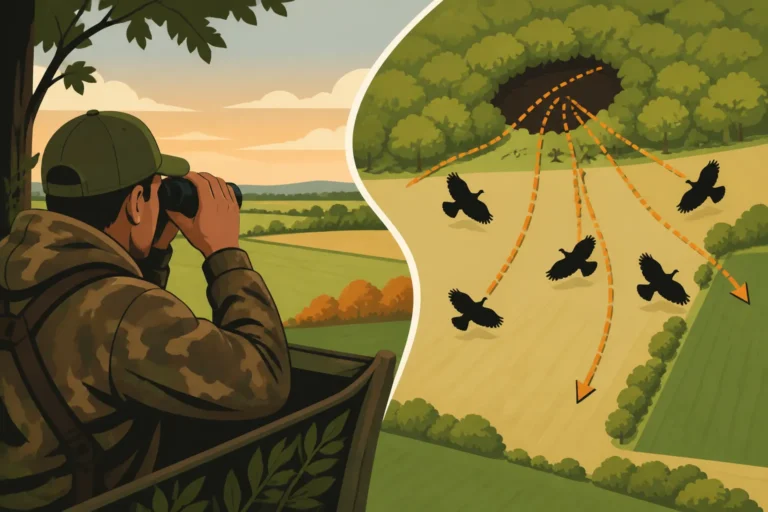
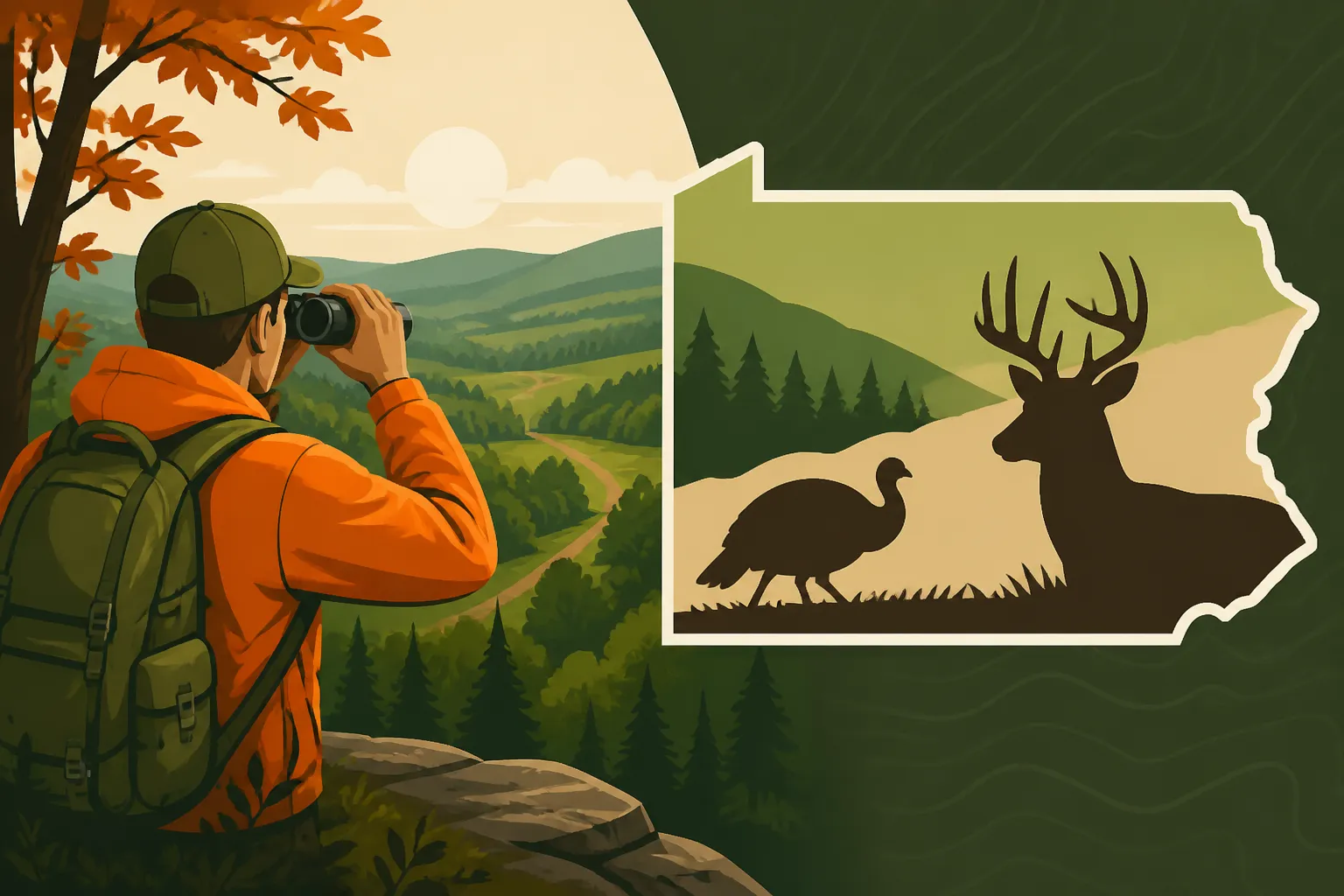
Move slowly and deliberately, scanning the woods ahead of you. Avoid breaking branches or crashing through thickets. If you're checking a specific area, approach it from a direction that allows you to see the maximum amount of terrain before you enter the core area. Wear quiet clothing and consider using scent-control sprays, especially if you're venturing into known bedding or feeding zones. The less impact you have during scouting, the more natural and predictable the game will remain when the season opens. Sometimes, the best scouting is done from a distance with binoculars, observing from a vantage point without ever stepping foot into a potential hot zone.
Adapting to Changes and Developing Backup Plans
Pennsylvania's weather can be notoriously unpredictable, and so can its food sources. A late-season frost can wipe out a soft mast crop, heavy winds can drop all the acorns prematurely, or an unexpected rain can make a creek impassable. Your well-laid plans can go sideways in an instant. This is why flexibility and having multiple backup plans are crucial.
Your pre-season scouting shouldn't just identify one perfect spot; it should identify several. What if your primary oak flat isn't producing? Do you have an alternative food source identified? What if your planned access route is flooded or blocked by fallen trees? Have you scouted a secondary path? What if other hunters beat you to your favorite ridge? Do you have a quieter, deeper sanctuary identified that you can pivot to? Always scout more spots than you think you'll need. This not only gives you options but also builds your confidence that no matter what the woods throw at you, you have a solid contingency. A well-scouted hunter is a prepared hunter, ready to adapt to whatever conditions present themselves on opening day or throughout the season.
Comparing Digital Scouting Tools
Many mapping applications can aid in your pre-season scouting efforts. While GoHunt is an excellent option for detailed layers and specific hunting insights, here’s a comparison of some popular digital tools for Pennsylvania hunters.
| Feature / Tool | GoHunt | OnX Hunt | Gaia GPS | Google Earth / Maps |
|---|---|---|---|---|
| Primary Use | Hunting-specific map, species data | Hunting-specific map, land ownership | Outdoor navigation, backpacking | General mapping, satellite imagery |
| Land Ownership | Yes (Public, Private, GMU) | Yes (Public, Private, GMU) | Yes (Public/Private with subscription) | Limited, requires external data |
| Topographical Maps | Yes | Yes | Yes | Yes (Terrain view) |
| Satellite Imagery | High-res, historical options | High-res, historical options | High-res | Very high-res, 3D views |
| Offline Maps | Yes | Yes | Yes | Limited |
| 3D Terrain View | Yes | Yes | Yes | Yes |
| Waypoints/Tracks | Yes | Yes | Yes | Yes (Google Earth) |
| Game Specific Layers | Yes (habitat, species range, historical harvest data for some states) | Yes (crop fields, timber cuts, often crowdsourced info) | No | No |
| Cost | Subscription (various tiers) | Subscription (various tiers) | Subscription (various tiers) | Free (basic), Pro version for more features |
| Pros for PA Hunter | Excellent for detailed game planning, integrates PA data. | Very popular, robust land ownership tools, good for finding access. | Great for detailed topo and custom map overlays. | Free, easy to use, excellent for macro view of landscape. |
| Cons for PA Hunter | Can be pricey, learning curve for all features. | Subscription needed for advanced features. | Not hunting-specific, fewer hunting-centric layers. | Basic, lacks hunting-specific layers or offline functionality. |
For serious Pennsylvania hunters, a combination of these tools often yields the best results. Using Google Earth for an initial broad overview, then diving into GoHunt or OnX Hunt for detailed layers and land ownership information, and finally confirming everything with boots on the ground is a highly effective approach.
Disclaimer
The information provided in this guide is for general informational purposes only and does not constitute professional hunting advice. Hunting regulations, seasons, and licensing requirements are subject to change. Always consult the official Pennsylvania Game Commission website and relevant local authorities for the most up-to-date and accurate information before planning any hunting trip. Safety should always be your top priority in the field.