Calling a Pennsylvania Gobbler Off the Roost
There’s almost nothing more frustrating in spring turkey hunting than a gobbler hammering away on the roost, making your heart pound, only to have him fly down silently in the opposite direction or get whisked away by a jealous group of real hens. It’s a gut-wrenching experience many Pennsylvania hunters know all too well. This guide will meticulously break down the strategies for calling a Pennsylvania gobbler off the roost, from precise pre-dawn scouting and silent entry to strategic calling and crucial post-fly-down adjustments, helping you turn those morning longbeards into successful encounters.
Understanding Roosting Habits and Pre-Dawn Scouting
Before you can even think about calling a gobbler off the roost, you have to understand why he's there in the first place, and more importantly, where "there" actually is. Turkeys, especially gobblers, are creatures of habit and safety. They fly up to roost in tall trees, often mature oaks or pines, providing them with a commanding view of their surroundings, protecting them from nocturnal predators like coyotes and bobcats. They want a clear flight path up and down, and often, their chosen roost trees are near food sources or water, making their morning routine as efficient as possible.
Effective roost hunting starts long before the sun even thinks about rising. It begins with diligent pre-season and even in-season scouting. You need to listen for evening gobbles as birds fly up to their roost, and dawn gobbles as they wake up. Sometimes, you'll hear "wing beats" as they ascend or descend, giving away their exact tree. Look for fresh turkey droppings and shed feathers at the base of large trees, especially those on ridge lines or along creek bottoms. This sign tells you it's a regular roosting spot. Don't be afraid to use mapping tools like GoHunt to analyze terrain features. You can often spot potential roosting areas – high points, benches, or mature timber stands – that turkeys favor. Identifying these areas beforehand gives you a massive advantage, allowing you to plan your approach and setup long before the season even starts. Understanding the local turkey population trends in your Wildlife Management Unit (WMU) can also help you predict general turkey behavior.
The Art of a Silent Entry and Strategic Setup
Once you've pinpointed a potential roosting gobbler, your next challenge is the pre-dawn infiltration. This is perhaps the most critical stage, and any mistake here can unravel your entire hunt. Silence is paramount. Turkeys have incredible hearing, and even a snapping twig can send them into alert mode, causing them to fly down and away from your position. Plan your route to the roost tree using topographical maps, ideally walking uphill to your setup spot when possible, as that generally creates less noise. Pay attention to how Wind and Thermals on a Ridge might carry your sound or scent. Avoid crossing open fields or anything that might silhoutte you against the dim pre-dawn sky. A good headlamp with a red or green light setting can help you navigate without spooking game.
Choosing your setup spot is a strategic decision that depends on the terrain and the gobbler's exact location. You want to be close enough to hear and be heard, typically 100-150 yards from the roost, but not so close that you risk bumping the bird. Pick a tree that provides excellent back cover to break up your silhouette, allows for clear shooting lanes in the direction you expect the gobbler to approach, and ideally offers some visibility without making you conspicuous. Think about the gobbler's likely fly-down direction; they often fly to the lowest ground or towards a known feeding area. If he's on a ridge, he might fly down into the valley or a bench. A strong setup against a Setting Up Against a Big Oak or similar substantial cover is often ideal. You also need an escape route, just in case a hen brings him in from an unexpected direction, or he hangs up, requiring a slight repositioning.
The Delicate Dance of Roost Calling
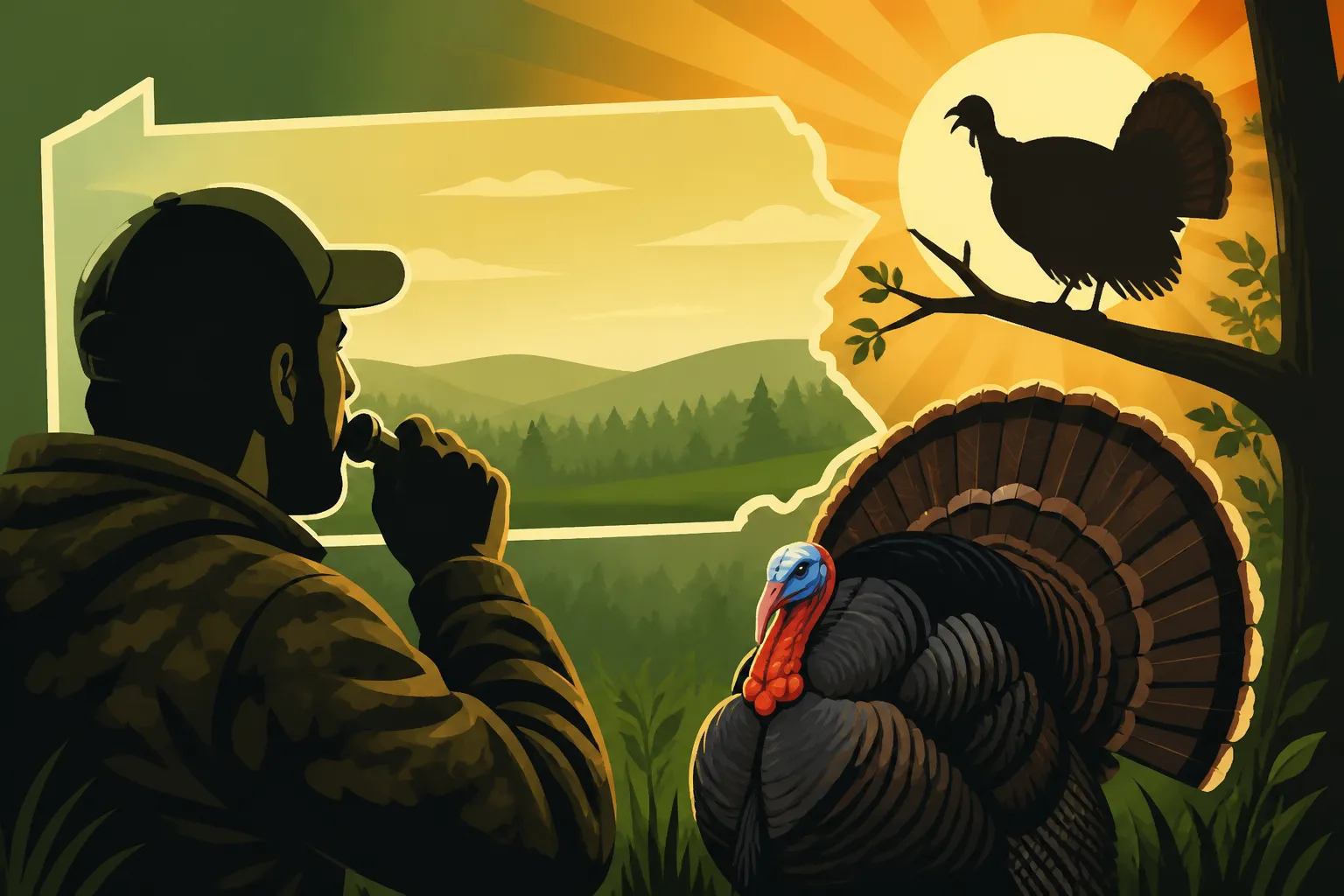
With the gobbler still on the limb, the calling game is all about finesse and restraint. Many hunters make the mistake of overcalling, which can quickly turn a hot gobbler cold. Your goal is not to have a full conversation, but to let him know a hen (you!) is nearby and interested. Start with soft, sleepy tree yelps and gentle clucks as legal shooting hours approach and the woods begin to lighten. These calls mimic a hen waking up on the roost. Don't call aggressively or too frequently. Gauge his response; if he gobbles hard at your soft calls, you've got his attention. If he ignores you or only gives a half-hearted gobble, scale back even more.
The crucial moment often comes just before fly-down. When you hear him start to pitch down, or other hens begin to cackle, a subtle fly-down cackle can be deadly. This call simulates a hen flying off the roost and hitting the ground, an invitation he'll be hard-pressed to ignore, especially if he's alone. However, if he's roosted with hens, this strategy can backfire, as his real hens might just lead him away. Patience is a virtue here. You’re competing with nature, and real hens are often the ultimate magnet. Sometimes, the best call is no call at all, just listening and letting him make the first move after hearing your initial soft sounds. Every gobbler is different, and adjusting your Turkey Calls Worth Carrying in Pennsylvania based on his mood is key. Remember, you're trying to convince him to come to you, not just gobble at you from afar.
Post-Fly-Down Patience and Adjustments
The sound of a gobbler flying down, especially if he lands in your direction, is an exhilarating moment. But the hunt is far from over. This is where many hunts get derailed. Once he's on the ground, your calling strategy needs to shift. Resist the urge to call aggressively immediately. He knows where you are. Let him come looking. Often, a few soft clucks or purrs after he's landed are all you need to keep him interested. He might strut, drum, and gobble, trying to get you to come to him. This is where your patience truly pays off. Many gobblers will "hang up" at 80-100 yards, expecting the hen to close the distance. This is a common frustration, particularly when Hunting Turkeys in Pennsylvania Big Woods.
If he hangs up, you have a few options. One is to stay put, remaining absolutely still, and offer occasional soft calls, making him think you might be losing interest. Sometimes, this subtle psychological play is enough to tip him over the edge. Another option, especially if the terrain allows for it and you have good cover, is a slow, strategic repositioning. This is where Run-and-Gun Turkey Tactics on Game Lands can come into play, but it's incredibly risky on a hung-up bird. You might try to circle, using a rise or dense timber to obscure your movement, and then re-establish your setup closer to him.
If he flies down with a group of hens, your challenge becomes significantly harder. Those real hens are his priority. In this scenario, you might have to play aggressive, trying to "call off" the lead hen or irritate her into coming to investigate. However, it’s often a low-percentage play. Sometimes, your best bet is to let them move off and then attempt to call the gobbler later in the morning when the hens might have dispersed or gone to nest. Understanding When Pennsylvania Gobblers Go Quiet and why they might do so after flying down with hens is crucial for making these on-the-fly decisions. Regardless of the scenario, observing his body language and listening to his intensity will tell you when to call and when to simply let the quiet woods work their magic.
| Call Type | Key Purpose on Roost | Key Purpose Post-Fly-Down | Common Pitfalls |
|---|---|---|---|
| Soft Tree Yelp | Announce presence, simulate waking hen | Reaffirm location if he hesitates | Too loud, too frequent |
| Soft Cluck/Purr | Realistic hen chatter, contentment | Keep him interested, sound natural | Sounding too aggressive, unnatural |
| Fly-Down Cackle | Mimic hen pitching off roost | Entice him to follow hens to the ground | Poor timing, unnatural cadence |
| Assembly Yelp | If separated/alone, draw him in from distance | Re-engage a gobbler who has moved off | Overdoing it, scaring him away |
| Gobbles (Mouth/Tube) | Challenge other gobblers, assert dominance | Answer his gobbles, make him jealous (risky) | Overly aggressive, sounding too close |
Disclaimer
Hunting is an inherently dangerous activity. Always prioritize safety, understand and adhere to all Pennsylvania Game Commission regulations, and be aware of your surroundings. The information provided in this guide is for educational purposes only and should not be taken as a guarantee of success or safety. Always consult official hunting regulations and practice responsible hunting ethics.