Fall Turkey Tactics in the Big Woods
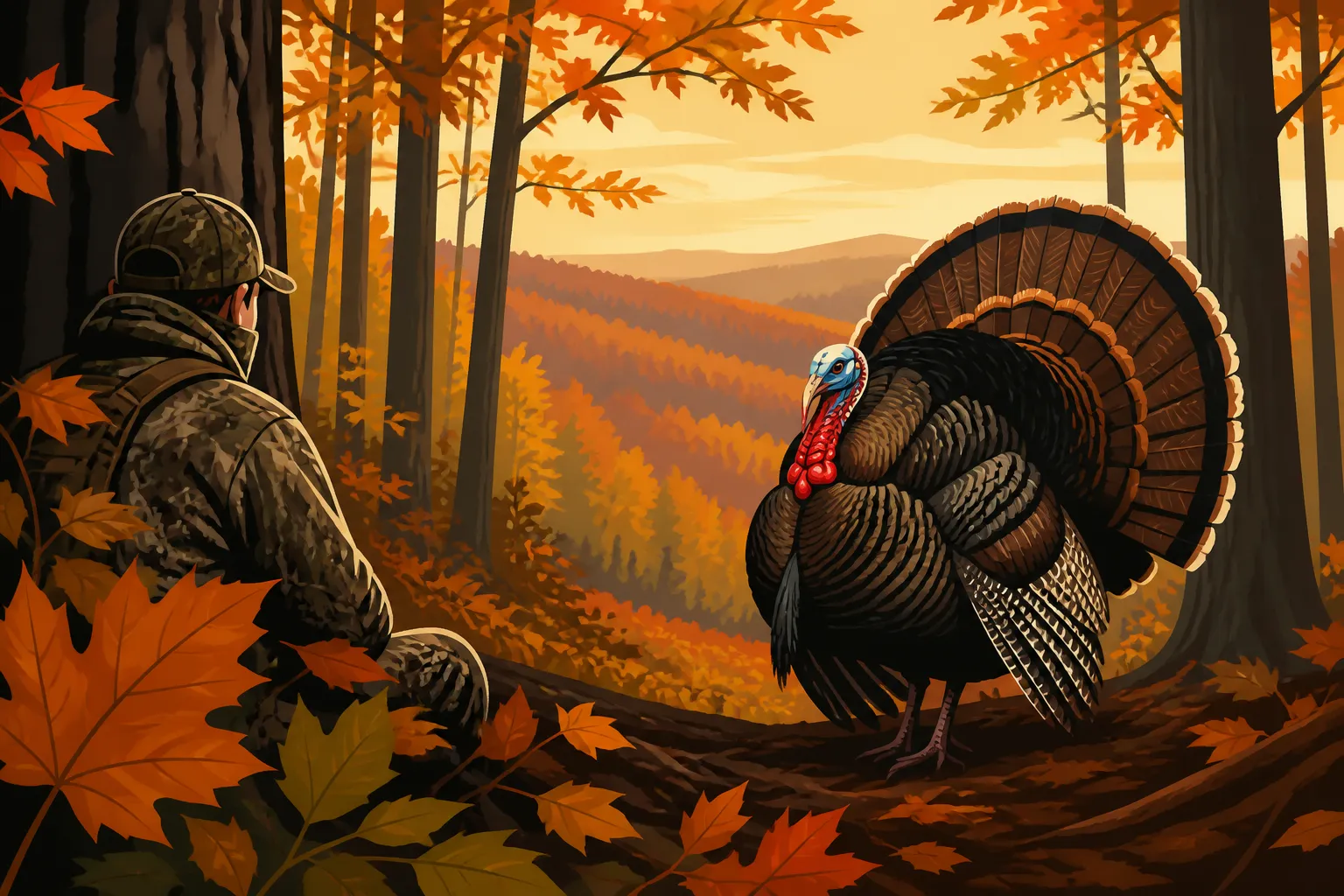
The rustle of autumn leaves underfoot and the crisp mountain air signal a unique challenge for Pennsylvania hunters: chasing fall turkeys in the vast, often daunting big woods. It's a completely different game than the spring gobbler season, and many hunters feel frustrated trying to locate these elusive birds once they've grouped up. This comprehensive guide will walk you through the distinct behaviors of fall turkeys in Pennsylvania's expansive forests and equip you with the most effective tactics to bring one home.
Understanding Fall Turkey Behavior in Pennsylvania's Big Woods
Fall turkey hunting isn't about calling a love-sick gobbler to your setup; it's a strategic chess match against an entire flock. The big woods, with their dense cover and abundant mast crops, dictate a completely different playbook for these wily birds.
The Dynamics of Fall Flocks
Unlike the scattered, breeding-focused birds of spring, fall turkeys are all about survival and sticking together. Hens, their poults from the spring hatch, and often a few jakes will form sizable family groups. These flocks, sometimes numbering a dozen or more birds, rely on safety in numbers. They're constantly on the move, covering vast tracts of timber in search of food and water, which makes pinpointing their exact location a real head-scratcher. When you're trying to find these groups, remember that their daily patterns are less about strutting and more about sustained foraging. The key here is realizing that a solitary bird is a rare find; you're looking for a communal unit.
Seasonal Food Sources and Their Impact
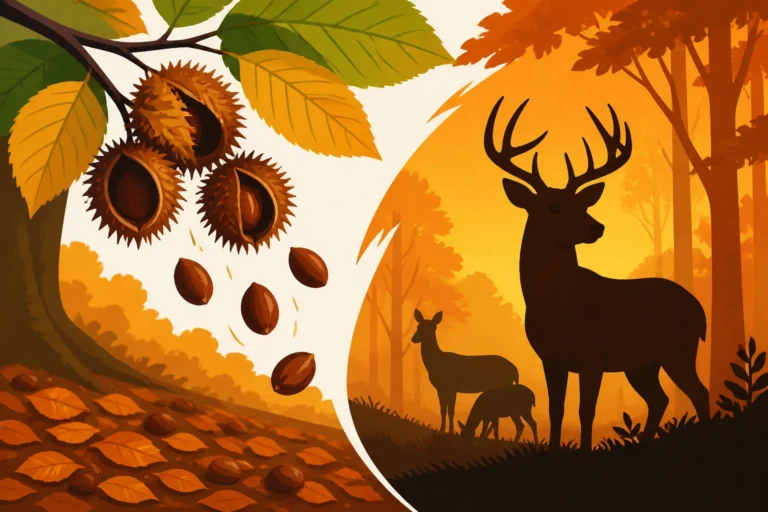
Food is king for fall turkeys, especially as they pack on weight for the colder months ahead. In Pennsylvania's big woods, acorns are usually the primary draw. White oaks tend to drop first, offering a sweeter, less tannic nut, followed by the red oaks. However, don't overlook other mast crops like beechnuts, hickory nuts, or even wild grapes and dogwood berries. These birds are opportunistic, and if the acorn crop fails in one area, they'll quickly move to another. This constant shifting for food sources is why you can't rely on last year's hotspots. Knowing what the current year's mast crop looks like and where it's abundant is absolutely crucial. You might find some excellent insight on this topic in our guide to Hunting After the Acorn Crop Fails.
Roosting Habits and Daytime Movement
Turkeys in the big woods are masters of evasion, and their roosting habits are no exception. They prefer to fly up into tall, sturdy trees – often pines or mature hardwoods – on high ridges or along creek bottoms, providing a clear view of their surroundings for safety. They'll generally fly down around dawn and immediately begin foraging, often following the contours of the land down into valleys or along benches to feed. Their daytime movements can cover miles, especially if food is scarce, but they typically return to higher ground to roost well before dusk. Observing these patterns, even from a distance, can give you a significant advantage in figuring out their travel corridors.
Essential Scouting for Fall Big Woods Turkeys
Successful fall turkey hunting hinges almost entirely on meticulous scouting. You can't just wander into the woods and expect to bump into a flock; these birds are too smart and too spread out in the vastness of Pennsylvania's forests.
Locating Food and Water Sources
Your first priority when scouting should be finding where the turkeys are eating and drinking. Start by identifying dominant mast trees – especially oaks – and look for fresh scratchings in the leaf litter. Turkeys will methodically rake through leaves to uncover acorns and other edibles. Don't forget to check the edges of clearcuts or recent timber sales, as new growth can offer berries and insects. Water sources are also critical; look for tracks in soft mud around seeps, springs, or small creek bottoms. These areas often serve as natural congregation points. Use tools like the mapping features on platforms such as GoHunt to identify different forest types and potential food plots or water sources before you even step foot in the woods.
Identifying Roosting Areas and Travel Corridors
Finding a fresh roost site is like hitting the jackpot. Look for droppings and feathers under large trees, particularly on ridges or steep hillsides. Turkeys will often use the same roost trees or general area for several nights if undisturbed. Once you've found a roost, backtrack their likely morning travel routes. These often follow subtle terrain features like benches, logging roads, or drainage systems. Think about how turkeys would move safely and efficiently between their roost, feeding grounds, and water. Identifying these corridors can help you set up ambushes or intercept them as they move. A detailed breakdown on Scouting Pennsylvania Public Land Before Season can offer additional tips.
Using Topographic Maps and Aerial Photos
In the big woods, technology is your friend. Topographic maps reveal elevation changes, ridges, and saddles – key features that dictate turkey movement. Aerial photos, easily accessible through platforms like GoHunt, provide an overhead view, showing forest density, clearcuts, power lines, and open fields, all of which can be crucial for locating flocks. Look for natural funnels, pinch points, or areas where different forest types meet. These are often high-traffic zones. You can even use these tools to identify potential areas for Hunting Oak Ridges and Benches or Hunting Pennsylvania Clearcuts and Regrowth, which are common turkey haunts. Don't just look at the map; try to visualize the terrain and imagine how a flock of turkeys would navigate it.
Proven Fall Turkey Hunting Strategies
Once you've done your scouting homework, it's time to put a plan into action. Fall turkey hunting is less about finesse calling and more about strategic movement and bold action.
Breaking Up a Flock and Calling Them Back
This is arguably the most classic and effective fall turkey tactic. The idea is to locate a flock, then aggressively run or charge into them to scatter them in every direction. The element of surprise is key. After the birds have scattered, wait patiently for 20-30 minutes. The young birds, especially, will be anxious to regroup. Start with soft hen yelps and kee-kees (the lost call of a young turkey) to simulate a lost bird trying to find its family. As they respond, you can increase the intensity, but always gauge their reactions. The goal is to draw them back to your position. For a deeper dive, check out Breaking Up a Fall Turkey Flock.
Still-Hunting and Stalking Tactics
Sometimes, scattering a flock isn't an option, or you might be hunting solo. This is where still-hunting and careful stalking come into play. Move incredibly slowly through the woods, stopping every few steps to scan the forest, listen intently, and call softly. Use the terrain and cover to your advantage, always being aware of the wind direction if there's a breeze. Turkeys have incredible eyesight, so any unnatural movement will instantly spook them. Focus on areas you've identified as likely feeding or travel routes. When you hear a distant yelp or a subtle scratching, try to move silently into a position where you can get a visual, then plan your next move, perhaps trying to call them closer with soft clucks or purrs, or even trying to cut off their movement. Our guide on Still-Hunting Pennsylvania Big Woods might offer valuable insights.
Decoy Use and Setup in Open Woods
While often associated with spring hunting, decoys can be surprisingly effective in the fall, particularly in more open timber or along field edges adjacent to the big woods. A single hen decoy, or a jake decoy paired with a hen, can provide a visual target that helps reassure returning birds after a breakup. Set your decoy where it's visible but not exposed, ideally where a bird would have to come into your shooting lane to investigate. Remember that fall birds are often wary, so natural placement is key. If you're Hunting Pennsylvania Farm Country Edges, where open woods meet agriculture, decoys can be especially useful for drawing birds out of dense cover.
Gear and Considerations for Big Woods Fall Turkey Hunting
Beyond the tactics, having the right gear is essential for comfort, safety, and success in the expansive and often challenging big woods of Pennsylvania.
Calling Techniques and Call Types
For fall turkeys, the "kee-kee run" is your bread and butter. This series of high-pitched whistles followed by a yelp is the quintessential lost call of a young turkey. A slate call, box call, or even a mouth call can produce this sound effectively. While loud, aggressive calling works for scattering, soft clucks, purrs, and quiet yelps are often more effective for coaxing scattered birds back in. Remember, you're trying to sound like a lost, anxious turkey looking for its flock, not a dominant gobbler. Practice these calls extensively before heading into the woods. You might find our piece on Turkey Calls Worth Carrying in Pennsylvania helpful.
Clothing, Footwear, and Navigation Tools
Comfort and concealment are paramount. Layering is crucial for fall hunting, as mornings can be chilly and afternoons surprisingly warm. Opt for quiet, durable camouflage. Good quality, waterproof boots with excellent ankle support are non-negotiable for navigating steep, uneven terrain and wet leaves. As for navigation, a reliable GPS unit or a smartphone with a robust mapping app (like GoHunt, which allows for offline map downloads) is indispensable in the big woods. Don't forget a compass and a physical map as a backup – batteries die! A headlamp for pre-dawn walks in or post-dusk walks out is also critical. When considering your gear, think about the unique challenges of the big woods, as discussed in Boots and Packs for Steep Country.
Table: Fall Turkey Calling Guide
| Call Type | Sound Description | Purpose in Fall Hunting | Optimal Scenario |
|---|---|---|---|
| Kee-Kee Run | Three to five high-pitched whistles followed by a yelp | Locating scattered young turkeys, signaling a lost bird | After breaking a flock, initial regrouping calls |
| Lost Yelp | Series of 5-7 plaintive yelps | Indicating a lost hen or jake, trying to regroup | When trying to draw scattered birds back, soft and persistent |
| Assembly Yelp | Loud, persistent series of yelps | Hens calling their flock back together, often used by dominant hens | Used when closer to scattered birds or to draw in a distant flock |
| Cluck & Purr | Soft, contented clucking and purring sounds | Reassuring nearby turkeys, simulating contentment | When birds are close and you want them to commit, final calls |
| Gobble (rarely) | Characteristic gobble | Locating other turkeys (hens may respond), challenging jakes | Very early morning to locate a roost, sparingly thereafter |
Navigating Public and Private Lands
Pennsylvania offers a wealth of public land opportunities for fall turkey hunting, from sprawling State Game Lands to vast State Forests. These areas, particularly in the northern tier and central mountains, are prime big woods habitat. Before you go, familiarize yourself with specific regulations for Pennsylvania State Game Lands or Hunting Pennsylvania State Forests, as rules can vary. If you're considering private land, always secure permission well in advance. Understanding the lay of the land, whether public or private, is key to developing your hunting strategy.
Final Thoughts on Fall Turkey Hunting
Fall turkey hunting in Pennsylvania's big woods is a challenging but incredibly rewarding experience. It demands patience, persistence, and a deep understanding of turkey behavior. It's not always about bringing a bird home, but about the thrill of the chase, the immersion in nature, and the satisfaction of outsmarting one of the savviest game birds out there. Embrace the challenge, enjoy the journey, and you'll find a profound connection to the wild heart of Pennsylvania.
Disclaimer
Please note that hunting regulations, seasons, and licensing requirements can change. Always consult the latest official Pennsylvania Game Commission digest and regulations before planning any hunting trip. This guide is for informational purposes only and should not be considered a substitute for official legal guidance or hunter education.