Mentored Adult Permits in Pennsylvania
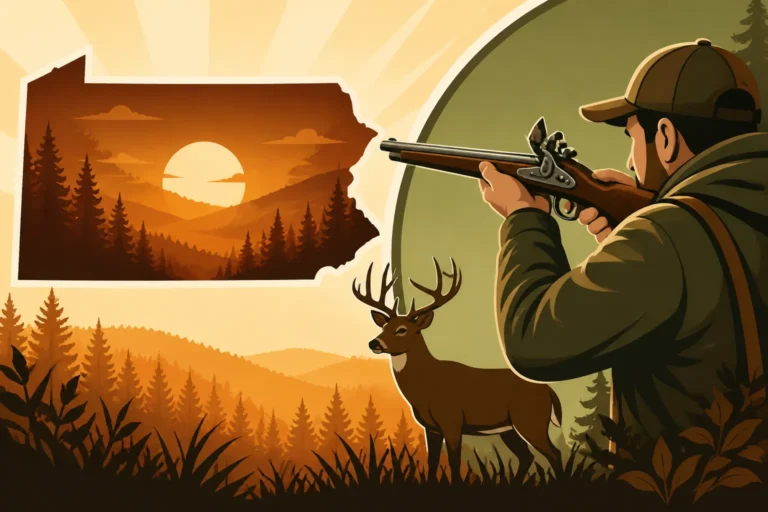
Many adults in Pennsylvania find themselves drawn to the rich tradition of hunting later in life, perhaps after their kids show interest, or a friend shares a successful harvest story, or simply due to a renewed desire to connect with nature and source their own food. However, the prospect of starting from scratch—understanding complex regulations, learning safe firearm handling, and navigating licensing requirements—can feel overwhelming. This guide is here to demystify the Pennsylvania Mentored Adult Hunting Permit, offering a clear pathway for new adult hunters to experience the field under the guidance of an experienced mentor.
The Growing Appeal of Hunting for New Adults
It’s a common misconception that hunting is something you have to start doing as a child, carried on through generations. While that's certainly a beautiful tradition, more and more adults are discovering the joys and responsibilities of hunting for the first time well into their twenties, thirties, and beyond. This isn't just a trend; it's a reflection of a deeper yearning for self-sufficiency, a desire to understand where our food comes from, and a fundamental connection to the outdoors that many feel is missing in modern life.
Why More Adults Are Turning to Hunting
The reasons for this growing interest are varied and deeply personal. For some, it's about the pure challenge and skill involved in stalking game, understanding animal behavior, and the satisfaction of a successful hunt. Others are drawn to the tranquility of spending time in the woods, away from the constant noise and demands of daily life. There's a profound sense of peace that comes from sitting quietly in a treestand at dawn, watching the forest awaken. Then there's the incredibly impactful aspect of harvesting wild game, providing lean, organic meat for their families, and developing a stronger sense of responsibility for wildlife conservation. It can also be a wonderful way to bond with existing hunter friends or family members, creating new shared experiences and memories.
Initial Hurdles and How Mentored Permits Help
However, this newfound interest often comes with a steep learning curve and a fair bit of intimidation. Where do you even begin? How do you learn to safely handle a firearm or a bow? What are the bewildering array of seasons, zones, and tag requirements? The traditional path of completing a full hunter education course before ever stepping foot in the woods can feel like a significant barrier, especially if you're not even sure if hunting is for you. This is precisely where Pennsylvania’s Mentored Adult Hunting Permit shines. It’s designed to lower that initial hurdle, allowing an adult to try hunting, to gain crucial hands-on experience in a safe, supervised environment, before committing to the full hunter education course and annual license purchase. It allows you to "test the waters," so to speak, and see if this lifestyle truly resonates with you.
Understanding Pennsylvania's Mentored Adult Hunting Permit
The Mentored Adult Hunting Permit isn't just a piece of paper; it's a carefully structured program designed to introduce new adult hunters to the sport responsibly. It provides a unique opportunity to learn directly from an experienced hunter, gaining practical skills and understanding the nuances of the outdoors that no classroom can fully teach.
Who Qualifies for a Mentored Adult Permit
To be eligible for a Mentored Adult Hunting Permit in Pennsylvania, you must be 18 years of age or older. This is specifically for adults who have never held a valid Pennsylvania hunting license or successfully completed a hunter education course. This is a crucial distinction. If you’ve hunted before or taken the course in another state, or if you had a license years ago, you likely won't qualify for this specific permit. The idea is to provide a supervised entry point for genuine newcomers to the sport. It's essentially a temporary, provisional license that allows you to hunt specific game under strict supervision, acting as a bridge to full licensure.
The Role of the Mentor: More Than Just Supervision
The mentor's role is absolutely critical and goes far beyond merely being present. The Pennsylvania Game Commission outlines specific legal responsibilities that a mentor must uphold. The mentor must be at least 21 years old and possess a valid, current Pennsylvania hunting license. They are responsible for ensuring the mentored adult adheres to all hunting laws and regulations. This means constant, direct supervision in the field—they must be close enough to the mentored adult to hear, see, and communicate with them effectively at all times.
Beyond the legalities, a good mentor is an educator and a guide. They teach proper firearm or archery equipment handling, shot placement, game recovery, and ethical hunting practices. They introduce the mentored adult to the intricacies of Scouting Pennsylvania Public Land Before Season, reading terrain, understanding animal sign, and respecting wildlife. They also impart knowledge about relevant information available through resources like GoHunt, which can provide maps, landowner data, and detailed regulations that are invaluable for new hunters. It’s an apprenticeship in the truest sense, building a foundation of knowledge, skills, and values.
What You Can Hunt with a Mentored Adult Permit
The Mentored Adult Hunting Permit allows you to hunt certain species, primarily focusing on common game animals to provide a broad introductory experience. As a mentored adult, you are permitted to hunt deer, turkeys, and small game (like rabbits and squirrels). This broad range gives you a taste of different hunting styles and challenges, from sitting quietly for deer to more active pursuit of small game.
However, there are important restrictions to note. This permit does not authorize you to hunt bear, elk, or any migratory game birds (such as ducks, geese, or doves), as these typically require additional permits or federal stamps. It also does not allow for the harvest of antlerless deer using a specific antlerless deer license or DMAP (Deer Management Assistance Program) tags, as those require a full general hunting license. For deer, a mentored adult may only hunt antlered deer (bucks) and their mentor’s antlered deer tag can be used to tag the mentored adult’s harvest, if applicable, or the mentored adult can use a junior tag if under 17 and also participating in the Mentored Youth program. It is crucial to check the current hunting digest for the most up-to-date and specific regulations regarding what can be harvested and how it should be tagged, as these rules can change.
Navigating the Permit Process and Regulations
Getting started with the Mentored Adult Permit is relatively straightforward, but understanding the specific rules and what it takes to eventually get your full license is key to a successful journey.
How to Obtain a Mentored Adult Permit
The process for acquiring a Mentored Adult Permit is designed to be accessible. You can purchase it either online through the Pennsylvania Game Commission's website or in person at a licensed agent, which includes many sporting goods stores and county treasurers' offices across the state. The cost of a Mentored Adult Permit is generally quite affordable, usually around the same price as a Pennsylvania Resident Hunting Licence Cost, but verify current fees on the PGC website.
When purchasing, you will need to provide basic identification information. Crucially, you will attest that you have never held a valid Pennsylvania hunting license and have not completed an approved hunter education course. Remember, this permit is specifically for first-time adult hunters who need that initial supervised experience. Mentioning GoHunt again here, it’s a valuable resource that can often guide you through the digital purchase process or help locate the nearest license issuing agent. Always double-check that all your information is accurate before finalizing the purchase.
Key Rules and Restrictions for Mentored Adults
Hunting under a Mentored Adult Permit comes with a set of specific regulations that are designed to ensure safety and ethical conduct. Understanding these rules is paramount.
- Hunter Orange: Mentored adults, just like regular hunters, must adhere to Pennsylvania Hunter Orange Rules. During certain seasons, specific amounts of visible fluorescent orange material are required to be worn on the head, chest, and back. This is non-negotiable for safety.
- Legal Shooting Hours: All hunting activities must take place within the established Legal Shooting Hours for Pennsylvania Hunting for the specific species and season. Your mentor will be able to guide you on these times.
- Firearm/Archery Restrictions: While the permit allows for various hunting methods, the legal firearms and archery equipment that can be used must comply with general Pennsylvania hunting regulations. For instance, specific calibers or bow draw weights might apply. Your mentor should instruct you on appropriate and legal gear, such as Rifle Setups for Pennsylvania Deer.
- Distance to Mentor: This is one of the most critical rules. The mentored adult must remain within a close, direct line of sight and communication of their mentor at all times. The exact distance is typically defined as being able to hear, see, and communicate without issue, often implying no more than an arm's length or a few yards apart, especially when actively hunting. This isn't a program for casual supervision; it's hands-on instruction.
- One-on-One Mentoring: Each mentor can only supervise one mentored adult (or mentored youth) at a time. This ensures that the mentor's full attention is dedicated to the safety and instruction of the individual under their care.
- DMAP/Antlerless Tags: As mentioned previously, the Mentored Adult Permit does not grant eligibility for purchasing additional antlerless deer licenses or DMAP permits. These require a full general hunting license.
Adhering strictly to these rules not only keeps you safe but also respects the wildlife and other hunters in the field.
The Pathway to a Full Hunting License
The Mentored Adult Hunting Permit is not meant to be a permanent solution; it’s a temporary stepping stone. To eventually obtain a full Pennsylvania Resident Licence Options and hunt independently, you must successfully complete an approved Pennsylvania Hunter Education Requirements course.
Think of the permit as your introduction, a practical experience that reinforces the theoretical knowledge you'll gain in the hunter education course. After experiencing hunting firsthand, the classroom instruction will likely make more sense and be more impactful. Once you've completed the hunter education course, you can purchase a standard general hunting license, which will grant you full hunting privileges in Pennsylvania (subject to species-specific licenses and tags, of course). This structured progression ensures that all hunters, regardless of when they start, are educated, safe, and responsible members of the hunting community.
| Feature | Mentored Adult Permit (MAP) | Regular Resident Hunting License (RHL) |
|---|---|---|
| Eligibility | 18+ years old, never held PA license or hunter education | 12+ years old, requires hunter education (or previous license) |
| Hunter Education Required? | No, but required for RHL | Yes, for first-time hunters |
| Mentor Required? | Yes, 21+ with valid RHL | No |
| Species Allowed | Deer, Turkey, Small Game | Most legal game species, furbearers |
| Antlerless Tags | No | Yes, eligible to purchase |
| Migratory Birds | No | Yes, with federal/state stamps |
| Cost (approx.) | ~$20-25 | ~$20-25 (plus stamps/tags) |
| Purpose | Trial/introduction | Full hunting privileges |
Maximizing Your Mentored Hunting Experience
Just getting the permit is only the first step. To truly make the most of this unique opportunity, you need to be proactive in your learning and preparation. A successful mentored experience is a partnership between you and your mentor, and it’s about absorbing as much as you can.
Finding the Right Mentor
Choosing the right mentor is arguably the most important decision you'll make. Look for someone who is not only an experienced hunter but also patient, safety-conscious, and an effective communicator. A good mentor will prioritize your learning and safety over their own hunting success. They should be willing to explain why they do things, not just how. Consider reaching out to local hunting clubs, conservation organizations, or even trusted friends and family members who hunt. Don't be afraid to ask questions about their approach to teaching and safety. A mentor who is enthusiastic about sharing their knowledge and passion will make your learning journey infinitely more rewarding. This could even lead to joining a Pennsylvania hunting camp.
Essential Gear and Preparations
Before you head afield, you'll need some basic gear. Your mentor can help you select appropriate equipment, but here are some general considerations:
- Clothing: Layered clothing is crucial for Pennsylvania's unpredictable weather. Think moisture-wicking base layers, insulating mid-layers, and a waterproof/windproof outer shell. Camouflage is helpful but less critical than warmth and silence.
- Boots: Comfortable, waterproof, and supportive boots are essential, especially if you plan on navigating varied terrain like in Hunting Pennsylvania's Big Woods for Deer.
- Firearm/Bow: Work with your mentor to determine the right equipment. For a rifle, a common caliber like a .270, .30-06, or .308 is versatile for deer. If archery, ensure your bow has an appropriate draw weight and you've practiced extensively. Safety first always.
- Safety Equipment: Always carry a first-aid kit, a reliable flashlight or headlamp, and a map/compass or GPS device (like the mapping features available through GoHunt). Your mentor will have their own, but it's good to be prepared independently.
- Hunter Orange: Have the legally required amount of hunter orange.
Before each outing, check the weather, inform someone of your hunting location and expected return time, and ensure all your gear is in working order.
Learning Beyond the Field
Your education shouldn't stop when you leave the woods. There's a vast amount of knowledge to absorb, and being proactive will make you a more capable and ethical hunter.
- Study Regulations: Continuously review the Pennsylvania Hunting & Trapping Digest. Understanding Pennsylvania Deer Seasons and WMU Rules, Pennsylvania Antler Restrictions by WMU, and specific tagging requirements like Pennsylvania Deer Tagging Requirements is vital. Laws change, so always check the most current digest.
- Species Identification: Learn to identify game animals by sight, sound, and track. Understand their habits, preferred habitats, and food sources.
- Habitat Knowledge: Learn about the different types of terrain and vegetation where game species live. GoHunt is an excellent resource for aerial maps and public/private land boundaries, which are invaluable for understanding habitat and planning your hunts.
- Conservation Principles: Understand the role of hunters in conservation funding and wildlife management. This isn't just a sport; it's a commitment to the future of wildlife.
- Practice: If using a firearm, practice regularly at a shooting range to ensure proficiency and ethical shot placement. If using archery equipment, consistent practice is even more critical.
Benefits and Challenges of the Mentored Adult Program
Like any program, the Mentored Adult Hunting Permit has distinct advantages and some points to consider. Understanding both sides will help you approach the experience with realistic expectations.
The Advantages for New Hunters
The benefits of the Mentored Adult Hunting Permit are substantial for aspiring hunters. First and foremost, it significantly reduces the initial barrier to entry. Instead of having to commit to a multi-hour hunter education course before ever knowing if hunting is truly for them, adults can gain real-world, hands-on experience in the field. This immersive learning environment under direct supervision means that safety practices, ethical considerations, and practical skills like tracking or field dressing are taught in context, making them much easier to grasp and internalize.
It also fosters confidence. Imagine learning to drive a car by simply reading a manual versus having an experienced driver beside you, guiding your hands and feet. The mentored approach builds comfort with firearms or bows, familiarity with the woods, and understanding of game behavior in a supportive setting. It’s also a fantastic way to bond with a family member or friend, strengthening relationships through shared outdoor pursuits. The program helps preserve hunting traditions by making them more accessible to a new generation of adult participants, ensuring the future of conservation efforts in Pennsylvania.
Potential Drawbacks and Considerations
While highly beneficial, the Mentored Adult Hunting Permit does come with certain limitations and considerations. The most obvious is the reliance on a mentor. You cannot hunt independently with this permit; you are always tied to your mentor's presence and their adherence to the rules. This means your hunting opportunities are restricted to your mentor's availability and preferences. If your mentor cannot make it to the woods, neither can you, under this permit.
Another point to remember is the limited scope of hunting opportunities. While you can hunt deer, turkey, and small game, you're excluded from pursuing popular species like bear, elk, or waterfowl. Furthermore, you cannot purchase your own antlerless deer tags or DMAP permits, limiting some deer hunting opportunities, such as Hunting Pennsylvania Concurrent Antlerless Days. While a good start, it’s not the full hunting experience.
Finally, it’s crucial to understand that this permit is a temporary solution. To become a fully licensed, independent hunter, you will still need to complete an approved hunter education course. For some, after experiencing the woods with a mentor, this becomes a welcome next step, but it’s an important hurdle to acknowledge from the outset. It's a stepping stone, not the final destination, in your journey to becoming a full-fledged Pennsylvania hunter.
Disclaimer
Please note: Hunting regulations and laws can change. Always consult the most current Pennsylvania Game Commission Hunting & Trapping Digest or their official website for the latest and most accurate information before participating in any hunting activities. This guide is for informational purposes only and should not be considered legal advice.