Which WMUs Have Increasing Turkey Numbers
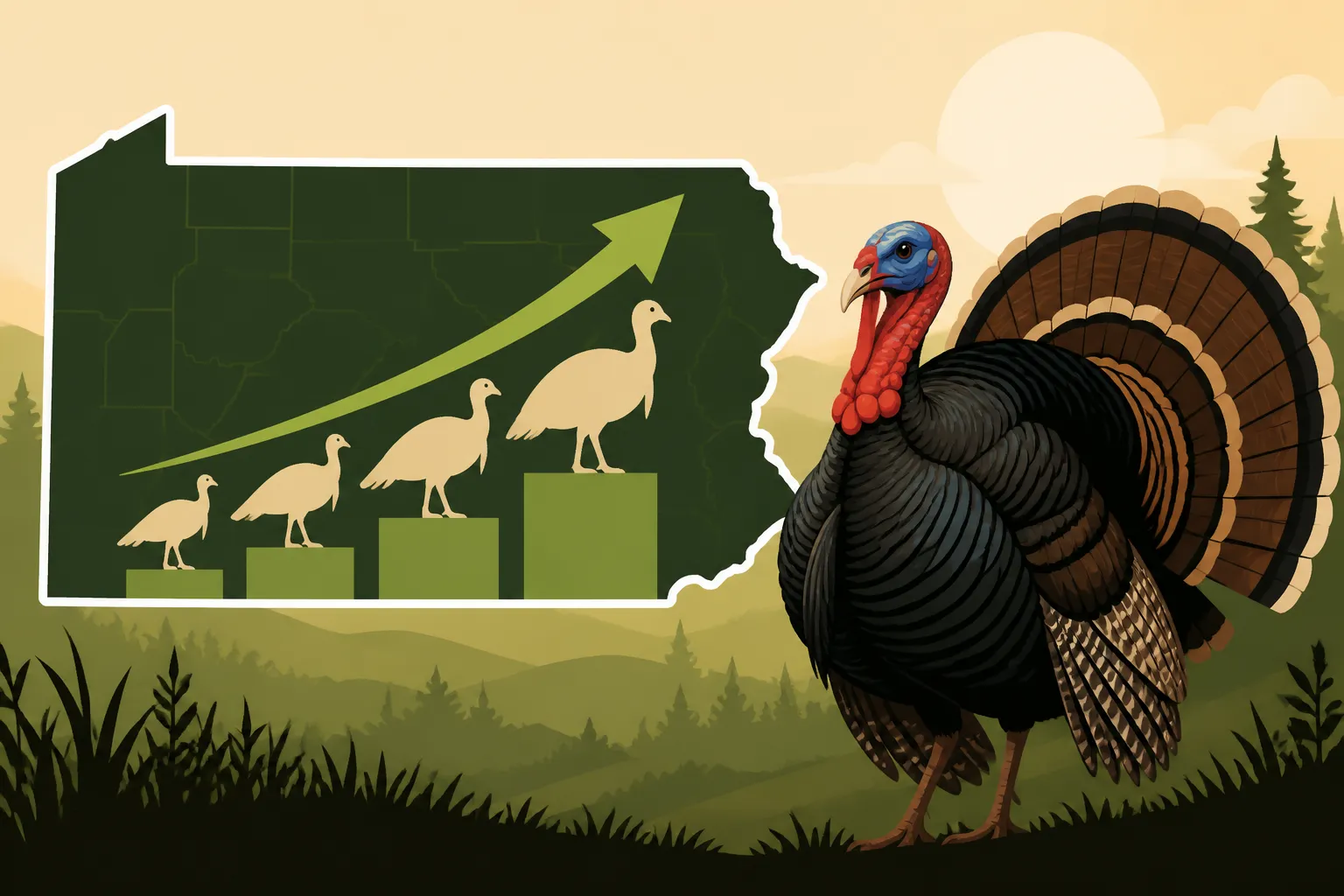
It can be incredibly disheartening to hit the woods for spring gobblers or a fall flock hunt, only to find the woods eerily quiet. Many Pennsylvania hunters have felt the sting of declining turkey numbers in certain areas, leaving us wondering where the birds have gone. But don't despair! This guide is all about shedding light on those specific Wildlife Management Units (WMUs) in Pennsylvania that are bucking the trend and showing promising signs of increasing turkey populations, helping you plan your next successful hunt.
The Rollercoaster of Pennsylvania's Wild Turkey Populations
Pennsylvania's wild turkey populations have always been a dynamic beast, subject to the whims of weather, habitat changes, and various other pressures. As veteran hunters, we've seen the pendulum swing from boom to bust and back again in different parts of the state. It’s never a simple, statewide phenomenon; what’s happening in one valley might be completely different from a ridge just a few miles away.
Understanding the Broader Trends and Local Nuances
Generally speaking, many areas across the Commonwealth have experienced periods of decline in wild turkey numbers over the last few decades. This isn't unique to Pennsylvania; it's a trend seen in various states. Factors like habitat maturation, changes in land use, increased predation pressure, and even consecutive years of poor nesting success due to harsh spring weather can all play a role. However, it's crucial to understand that these are broader trends. Within this larger picture, there are always localized success stories, pockets where turkeys are not just holding their own, but actually thriving and increasing. These often come down to very specific conditions that favor the birds. When we look at Pennsylvania Turkey Population Trends, it's clear that it's not a uniform story across all WMUs.
Hunting turkeys in these robust areas can be a completely different experience than scratching out a bird in a struggling WMU. In areas where turkeys are doing well, you might hear more gobbling, see more fresh sign, and generally encounter birds more frequently. This isn't just about luck; it's about finding those specific pockets where the turkeys have everything they need to flourish, from food sources to nesting cover and refuge. It’s those local nuances that make all the difference, and understanding them is key to consistently filling a tag.
The Pennsylvania Game Commission's Role in Monitoring
The Pennsylvania Game Commission (PGC) diligently monitors wild turkey populations through various methods. They conduct brood surveys, where citizen scientists and PGC staff report sightings of hens with poults during the summer months. This data is vital for calculating the Poult-to-Hen Ratios and What They Mean, which provides a strong indicator of reproductive success for that year. A high poult-to-hen ratio suggests good nesting conditions and survival rates for young birds, often leading to increased populations in subsequent years.
The PGC also analyzes harvest data, although this can be a lagging indicator. Consistent or increasing harvest numbers in a WMU, especially when combined with favorable brood reports, can suggest a healthy and growing population. They also consider long-term habitat changes, disease monitoring, and anecdotal reports from field staff and hunters. While the PGC isn't going to release a list of "hot" WMUs, by understanding what factors contribute to turkey success and looking at their published data, you can start to piece together a picture of where birds might be doing better. These efforts help manage the resource sustainably, ensuring that we have turkeys to pursue for generations to come.
Pinpointing WMUs Showing Promising Turkey Growth
So, how do we identify these elusive WMUs where turkey numbers are on the rise? It's not always as simple as looking at a map, but there are definite characteristics and indicators that point towards healthier, growing populations.
Decoding the Metrics of Turkey Population Health
When we talk about increasing turkey numbers, we're really looking for a combination of consistent good news. As mentioned, a strong poult-to-hen ratio is perhaps the most critical short-term indicator. If hens are successfully nesting and raising robust broods, that's the fuel for future population growth. You can often find reports on Pennsylvania Turkey Brood Survey Results which give insights into this. Look for WMUs that consistently report higher average poult-to-hen ratios compared to the statewide average, especially over several seasons. This suggests sustained reproductive success, which is the engine of population growth.
Another metric to consider, though not always directly tied to increasing numbers but rather stable health, is the harvest trend over several years. A WMU that maintains steady or slightly increasing harvest numbers, without a significant jump in hunter effort, might suggest a healthy and resilient population. Conversely, a sharp decline could indicate issues. It's about looking for consistency and positive trends rather than single-year anomalies. Furthermore, areas with fewer reported cases of Nest Predation and Turkey Hatches will naturally see more birds entering the population each year.
Regions and Habitat Types that Foster Growth
Turkeys, especially wild turkeys, thrive in diverse habitats. WMUs that possess a mosaic of mature timber for roosting, open fields or recent clearcuts for brooding and foraging, and dense understory for nesting cover tend to support healthier populations. These areas often have:
- Mixed Hardwood Forests: Providing consistent mast crops like acorns and beech nuts, which are crucial food sources, particularly in fall and winter. Hunting Oak Ridges and Benches often puts you in prime turkey habitat.
- Active Timber Management: WMUs where timber harvesting creates new growth, regenerating forests, and edge habitats are often hotspots. These clearcuts and young stands provide vital bugging areas for poults and thick cover from predators. You might find good turkey numbers when Hunting Pennsylvania Clearcuts and Regrowth.
- Agricultural Interface: Areas with a mix of woodlands and farm fields can be very productive. Turkeys utilize crop fields for food, especially waste grain after harvest, and retreat to nearby timber for roosting and security. Hunting Pennsylvania Farm Country Edges can be highly effective.
- Large, Unfragmented Blocks of Public Land: While pressure can be a factor, extensive public lands like State Game Lands or State Forests often contain the diverse habitat necessary for turkeys to spread out and find sanctuary, especially in WMUs that see less overall human encroachment. WMUs with large tracts of Hunting Pennsylvania State Game Lands or Hunting Pennsylvania State Forests often hold good turkey populations, provided the habitat is right.
When examining WMUs, look for those with these ecological characteristics. These are the foundations upon which strong turkey populations are built and sustained. You'll often find that the Best Pennsylvania Counties for Turkeys share these characteristics.
Specific WMU Examples and Their Unique Advantages
While I can't give you a precise "hot list" of WMUs with guaranteed increasing numbers right now, based on historical patterns and habitat suitability, we can point to types of WMUs that consistently show strong potential for healthy turkey populations.
WMUs with significant portions of the state's "Big Woods" country, particularly in the north-central regions, often maintain robust turkey populations. Areas like parts of WMU 2G, 3A, or 3B, for example, with their vast tracts of mixed hardwoods, extensive public lands, and often less intense hunting pressure than more accessible areas, tend to offer excellent turkey habitat. While these regions might not see the highest densities of birds as some farm-country WMUs, the habitat quality and reduced pressure often allow for strong reproductive success and higher survival rates. Hunters in these areas might find success with methods like Hunting Turkeys in Pennsylvania Big Woods.
Conversely, some WMUs in the more agricultural and less forested parts of the state, particularly in the southeast and southwest, can also hold strong turkey numbers due to abundant food sources. WMUs like 5C, 5D, or parts of 4A or 4B, with their mix of timber and agricultural fields, provide ample sustenance. However, hunter access and pressure can be a greater factor here. The key in these areas is often finding private land access or less-pressured pockets on smaller public tracts.
It's about finding that balance of quality habitat, food availability, and reasonable pressure that allows turkeys to thrive. WMUs that have benefited from sustained habitat improvement projects by the PGC or conservation groups often show more resilient populations.
Why Certain Areas See an Uptick in Turkey Numbers
It’s not just random chance that some WMUs are seeing more turkeys. There are usually clear, interconnected reasons rooted in ecology and management that allow these populations to rebound or grow. Understanding these factors can help you predict where your best chances for future success might lie.
The Critical Role of Diverse and Quality Habitat
A healthy turkey population absolutely relies on diverse, quality habitat. Think of it as a turkey's grocery store, nursery, and safe house all rolled into one. WMUs with increasing turkey numbers nearly always boast a patchwork of different cover types. This means mature, tall trees for secure roosting at night, ensuring safety from ground predators. It also means areas of younger forest growth, brambles, and thickets that provide crucial nesting cover for hens in the spring. Without good nesting cover, hens are vulnerable, and their nests are easily found by predators. This directly relates to Nest Predation and Turkey Hatches – fewer safe nesting spots mean fewer poults.
Beyond nesting, those younger forest stages and open fields are vital bugging grounds for poults, providing the protein-rich insects they need to grow quickly in their vulnerable first weeks. As they mature, a mosaic of timber types, from oaks and hickories to beeches and cherry, ensures a varied diet throughout the seasons. This diversity prevents total food failures from year to year. When one mast crop fails, another might succeed, providing a buffer for the birds. A WMU that consistently produces these varied food sources and has the right mix of cover is inherently better positioned for turkey growth.
Weather Patterns, Mast Crops, and Nest Success
Weather plays an enormous, often overlooked, role in turkey populations. Mild winters mean less stress on birds, better overwinter survival, and hens going into spring in better condition to lay eggs. But it’s spring weather that truly makes or breaks a year's hatch. Warm, relatively dry springs are ideal for nesting and poult survival. Heavy, cold, and wet springs can be devastating, leading to abandoned nests and high poult mortality, as young turkeys are very susceptible to hypothermia. These yearly weather fluctuations directly impact the Poult-to-Hen Ratios and What They Mean you see in PGC reports.
Beyond weather, the abundance of mast crops – acorns, beechnuts, and other hard fruits – is a critical determinant of turkey health, especially going into winter. A bumper crop of acorns in the fall provides turkeys with a rich energy source, allowing them to put on weight, better withstand cold temperatures, and enter the breeding season in prime condition. WMUs with robust, consistent mast production year after year are much more likely to see stable or increasing turkey numbers, as food scarcity is a major stressor. In areas where the Hunting After the Acorn Crop Fails is a common problem, turkey numbers might struggle.
The Impact of Hunting Pressure and Predator Dynamics
While not always the primary driver of increasing numbers, both hunting pressure and predator dynamics certainly influence turkey populations. In WMUs where hunting pressure is relatively light, turkeys might be less wary, allowing them to feed more openly and potentially conserve more energy. Conversely, heavily pressured areas can make birds more scattered and harder to hunt, and could, in extreme cases, contribute to localized declines if harvest rates are too high on a vulnerable population.
Predator dynamics are also key. While predators like foxes, raccoons, opossums, and coyotes are a natural part of the ecosystem and certainly play a role in maintaining healthy prey populations, an imbalance can impact turkey numbers. High densities of certain nest or poult predators, combined with poor nesting habitat, can severely hamper reproductive success. WMUs with a good balance of predator and prey, along with ample escape and nesting cover, are more likely to see their turkey populations flourish. The PGC carefully studies these dynamics as part of their overall management strategy for Pennsylvania Turkey Population Trends.
Strategizing Your Hunt in Productive Turkey WMUs
Even in a WMU with increasing turkey numbers, you can't just walk into the woods and expect a gobbler to run right to you. Success still comes down to smart strategy, diligent scouting, and adapting to the local conditions. Knowing that the numbers are in your favor simply boosts your odds and helps focus your efforts.
Pre-Season Scouting and Utilizing Digital Tools
Scouting, both before the season and even the day before a hunt, is paramount. In areas with high turkey numbers, you still need to find where those birds are habitually feeding, roosting, and strutting. Start by studying maps, focusing on areas with that ideal mix of mature timber, young growth, and open areas. Look for pinch points, old logging roads, and ridge lines that turkeys might use for travel. Online mapping tools are incredibly helpful here. Platforms like GoHunt can overlay property boundaries with topographic and aerial maps, allowing you to identify likely turkey habitat and verify public access points, such as Finding Ground Others Walk Past on Game Lands.
Don't underestimate the power of "boots on the ground" scouting. Look for fresh turkey sign: tracks, droppings (especially large j-shaped gobbler droppings), strut marks in dusty spots, and scratched-up areas where they've been feeding. Listen for gobblers at dawn from different vantage points to locate roosting areas. In the fall, focus on mast-producing ridges and areas where soft mast (like grapes or dogwood berries) is abundant. This early effort, informed by good data and mapping, pays dividends by narrowing down your search, even in a target-rich environment. Using tools like GoHunt can seriously cut down on aimless wandering, helping you pinpoint high-potential zones more quickly.
Adapting Tactics to Local Terrain and Turkey Behavior
Once you've identified a promising area within a healthy WMU, your tactics need to match the terrain and the birds' behavior. If you're hunting in expansive Big Woods country, a mobile, "run-and-gun" approach often works best. This involves covering ground, calling frequently, and being ready to set up quickly if you get a response. Techniques like Run-and-Gun Turkey Tactics on Game Lands are perfectly suited for these environments. Focus on ridge systems, saddles, and creek bottoms where turkeys might travel. Patience and persistent calling, particularly in the mid-morning lull, can be key.
In WMUs that feature more farm country with woodlots and field edges, your approach might shift. Decoys can be highly effective here, especially when set up along field edges or in woodlot openings. Focus on setting up near known roosts at dawn, aiming to Calling a Pennsylvania Gobbler Off the Roost as soon as legal shooting hours begin. During the day, turkeys will often move between feeding in fields and retreating to timber, so positioning yourself along these travel corridors can be productive. Blinds, whether pop-up or brushed-in natural setups, can also be useful for concealing movement in more open agricultural landscapes, as discussed in Turkey Tactics for Farm Country Edges. Regardless of the terrain, understanding the seasonal differences for Pennsylvania Spring and Fall Turkey Seasons and adjusting your calls and setups accordingly is crucial. Whether it's the aggressive gobbling of spring or the flocking behavior of fall, adapting to the birds' current state will lead to more opportunities. You can use platforms like GoHunt to study terrain features and potential travel routes, even marking potential setups before you ever step foot in the woods.
| Characteristic | WMUs with Increasing Turkey Numbers | WMUs with Declining Turkey Numbers |
|---|---|---|
| Poult-to-Hen Ratio | Consistently High or Improving | Consistently Low or Declining |
| Habitat Diversity | Diverse mix of mature timber, young growth, fields | Monoculture, fragmented, or mature habitat lacking regeneration |
| Mast Production | Consistent, varied hard mast availability | Inconsistent or poor mast crops |
| Spring Weather | Often experiences mild, dry springs (favorable for hatch) | Frequent cold, wet springs (detrimental to hatch) |
| Hunting Pressure | Moderate to Low; or birds adapt well to pressure | High, often concentrated in limited accessible areas |
| Predator Influence | Balanced predator-prey dynamics, ample cover | Imbalanced, high predator densities, poor cover for nests |
| PGC Management | Benefits from ongoing habitat work, balanced harvest | May need targeted intervention or habitat restoration efforts |
Disclaimer
This article is for general informational purposes only and does not constitute professional advice. Laws, prices and regulations vary by location and change over time. Consult a qualified professional for guidance on your specific situation.