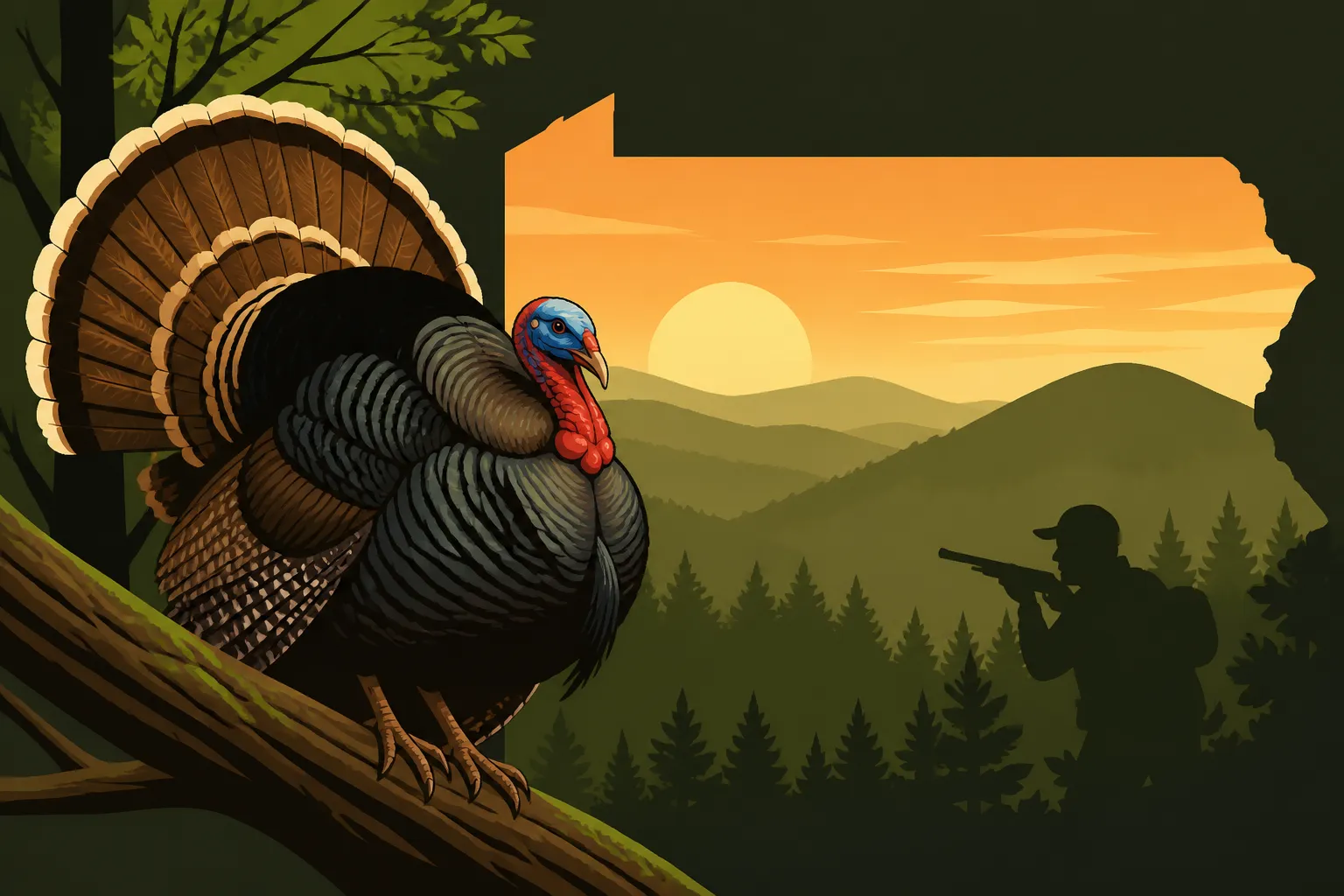
Where Pennsylvania Gobblers Roost
It's an age-old struggle for Pennsylvania turkey hunters: you hear that glorious morning gobble, marking the presence of a tom, but then he flies down, and vanishes like a phantom in the hardwoods. Knowing where Pennsylvania gobblers roost is far more than just a curiosity; it's often the key to unlocking consistent success, providing a crucial starting point that eliminates much of the guesswork. This guide will delve into the specific criteria that influence a gobbler's choice of nighttime abode, arming you with the knowledge and tactics to locate these vital spots and put yourself in a better position for that morning rendezvous.
The Critical Importance of Locating a Gobbler's Roost
Many hunters mistakenly believe that simply knowing a general area where turkeys live is enough. While that's a start, neglecting to pinpoint their evening roosting habits means you're often playing catch-up, reacting to a gobbler's movements rather than anticipating them. Understanding where a gobbler spends the night gives you an undeniable advantage, setting the stage for a much more controlled and strategic hunt.
Why Knowing the Roost is Half the Battle
Think about it: when you head out in the dark before dawn, stumbling through the woods hoping to bump into a turkey, you're essentially walking into a blind situation. You might hear a gobble, sure, but how far away is it? What's the terrain like between you and him? Are there obstacles? All these unknowns create chaos and often lead to rushed, ineffective setups. When you know exactly where a gobbler is roosted, you've removed the biggest variable. You know his starting position. This allows you to plan your approach with precision, considering wind direction, terrain features, and optimal setup locations long before legal shooting light. It’s about being proactive rather than reactive, giving you a calm, calculated edge over the birds. This confidence can dramatically improve your chances, especially when dealing with pressured birds that are quick to identify a hunter's mistake.
The Advantage of an Early Morning Setup
The morning fly-down is perhaps the most vulnerable time for a gobbler. He’s in a tree, exposed, and often vocal. By knowing his exact roost location, you can orchestrate a silent, stealthy approach in the predawn darkness, positioning yourself within striking distance before his feet even hit the ground. The ideal scenario involves setting up within 100-150 yards, placing yourself where your calling sounds natural and enticing, without having to move frantically once he starts gobbling.
An early setup near a known roost allows you to choose your tree, clear shooting lanes, and get your decoys perfectly placed. It means you can be settled, calm, and ready when that first gobble cracks the morning stillness. This is especially true if you are hunting public land where competition can be fierce; getting to a roosted bird first, and setting up quietly, can make all the difference. Imagine the frustration of hearing another hunter bust a gobbler off the roost because they didn't have a planned, quiet entry. Don't be that hunter. For more on how to approach these situations, consider exploring Calling a Pennsylvania Gobbler Off the Roost or Setting Up Against a Big Oak.
Understanding Preferred Roosting Habitat and Trees
Pennsylvania's diverse landscape, from the steep ridges of the Big Woods to the sprawling farm fields of the southern tier, offers a variety of roosting options for gobblers. However, turkeys aren't random in their choices. They seek specific tree types and terrain features that provide safety, good visibility, and easy access for both flying up and flying down.
Tree Species and Characteristics
When a gobbler picks a roost tree, he’s not just looking for any old branch. He’s looking for security and comfort. Often, you’ll find them in large, mature trees that provide sturdy, horizontal limbs capable of supporting their weight and offering unobstructed views. Here are some of the common preferences:
- Large Oaks (Red, White, Black): These are absolute prime real estate. Their strong, often widespread horizontal branches provide excellent perches. Turkeys also feed heavily on acorns, so roosting near a consistent food source makes perfect sense. They’ll use these giants year after year if the area remains undisturbed.
- Tall Pines and Hemlocks: In areas dominated by conifers, especially along ridge lines or in sheltered valleys, turkeys will readily roost in tall pines or hemlocks. The dense needles can offer some protection from wind and weather, and their height provides excellent vantage points.
- Poplars/Tulip Poplars: These fast-growing trees, often found in mixed hardwood stands, can also be favored, particularly for their height and relatively strong limbs.
- Sycamores: Especially near water sources, sycamores with their massive, spreading branches make excellent roost trees.
- Dead Snags (with Caution): While less common due to safety, occasionally a very stout, large dead tree with strong, remaining horizontal limbs will serve as a roost. However, these are less reliable long-term.
The key characteristic across all these species is usually a large diameter trunk and strong, wide-spreading horizontal limbs that provide stability and a clear flight path into and out of the tree. The highest limb that offers good stability and an open flight path is usually preferred. They want to be above potential ground predators like coyotes and bobcats, so height is a major factor.
Topography and Cover Considerations
It's not just the tree itself; the surrounding landscape plays a huge role. Gobblers are strategic, choosing spots that offer maximum protection and a tactical advantage.
- Ridge Tops and Sides: Turkeys love to roost along the crowns or on the upper third of ridges. This gives them excellent visibility and allows them to gain elevation easily when flying up. In the morning, they can often pitch down into a valley or flat area below without much effort. The wind and thermals on a ridge can also play into their choice, offering a clear flight path. Hunting Oak Ridges and Benches delves deeper into these terrain features.
- Overlooking Water: Roosts are frequently found overlooking rivers, creeks, or ponds. Water offers a natural barrier to some predators, and the open canopy above water allows for easy fly-up and fly-down. Plus, water sources often coincide with lush vegetation and insect activity, especially during bugging season, providing a quick meal after fly-down. Duck Hunting Pennsylvania Rivers offers insight into how waterways attract different game species.
- Edges of Clearings or Fields: Turkeys often roost on the edge of a large field, clearcut, or food plot. This allows them to pitch down directly into an open area in the morning where they can strut, feed, and display. This is a common pattern in both big woods clearcuts and Turkey Tactics for Farm Country Edges.
- Sheltered Hollows or Benches: In some of the deeper, steeper country, gobblers might utilize trees on sheltered benches or in hollows, particularly if those spots offer large, mature timber and some protection from harsh winds. These spots might not be as high, but they offer isolation.
Consider this table summarizing common roost tree locations:
| Roost Location Type | Preferred Tree Characteristics | Terrain Features | Strategic Advantages for Turkeys |
|---|---|---|---|
| Ridge Tops/Sides | Tall, mature oaks, pines, poplars with sturdy horizontal limbs. | High elevation, good visibility, often near steep drops. | Predator avoidance, easy fly-down into valleys, good vantage point. |
| Water Edges | Sycamores, large hardwoods, pines directly over or very near water. | Riverbanks, creek bottoms, lake edges. | Water as a predator barrier, open flight path, access to post-fly-down food. |
| Field/Clearcut Edges | Large, mature trees bordering open areas. | Transition zone between dense cover and open feeding areas. | Immediate access to feeding/strutting grounds, good visibility. |
| Sheltered Benches | Very tall, strong hardwoods; often protected from prevailing winds. | Mid-slope benches, deep hollows, less exposed areas. | Protection from severe weather, relative isolation. |
Water Sources and Food Proximity
While turkeys can travel to food and water, their roosting habits often reflect a desire for convenience and safety. Roosting within a reasonable distance of reliable food sources, especially during the fall when acorns are abundant, is a common pattern. In the spring, they might roost closer to strutting zones or areas where hens tend to congregate after fly-down. Being near water is beneficial not just for drinking, but because the associated vegetation can hold insects, and the open area allows for clear flight. They often like to land in a spot that offers a ready meal or a place to display right away. This understanding is crucial for both Spring Gobbler Hunting in Pennsylvania and Fall Turkey Hunting in Pennsylvania.
Practical Scouting Techniques for Finding Roosts
Finding a gobbler's roost isn't always easy, and it rarely happens by accident. It requires diligent effort, keen observation, and smart use of modern tools. It’s a process of elimination and pattern recognition that significantly increases your odds of success.
Listening for Roost Gobbles and Fly-Up
The most straightforward way to locate a roost is by listening. Turkeys, especially gobblers, are notorious for gobbling right before flying up to roost at dusk and again right after flying down at dawn. They also often gobble multiple times from the limb before pitching down.
- Evening Roosting: Head out to likely turkey areas an hour or so before sunset. Position yourself quietly in a spot with good listening capabilities, perhaps on a ridge overlooking a valley, or on the edge of a large timber block. Listen intently for "yelps" or "clucks" as birds gather, and then the distinct sound of a gobble as they fly up to their chosen tree. Once you hear it, mark the general direction. Listen for the distinct thump and wing beats as they fly up.
- Morning Fly-Down: Before dawn, get into the same general area, but move more cautiously. Listen for the tree calls and fly-down gobbles. Even if you don't hear a distinct gobble, the sound of their wings beating as they descend, or the heavy thump as they land, can give away their position. This is how many hunters confirm a general area has turkeys. Remember, not all gobblers gobble on the roost every morning, particularly if they are pressured, or if the weather isn't cooperating.
Visual Cues and Sign Scouting
Sometimes you can find a roost without ever hearing a bird on it. Visual scouting is key, especially in the off-season or just before the season opens.
- Droppings: Turkey droppings are a dead giveaway. They accumulate directly under a favored roost tree. Look for a concentrated area of droppings, particularly the white-capped black droppings of adult birds. If you find multiple piles, you know it's a consistently used spot.
- Feathers: You might find primary wing feathers or body feathers scattered under the tree. This is especially common during molting periods or if a bird has preened extensively on the limb.
- Scratch Marks on Trunks: Sometimes, birds will leave faint scratch marks on the bark of the tree as they fly up or down, especially if it's a heavily used roost tree.
- Dusting Bowls: While not directly under a roost, finding nearby dusting bowls indicates active turkey presence, and often leads you closer to their nighttime haven.
You can also use specialized scouting tools. Programs like GoHunt can be incredibly helpful for this. Using their satellite imagery, you can identify large timber stands on ridge lines, areas bordering fields, or timber blocks near water that fit the profile of ideal roosting habitat. This allows you to narrow down your boots-on-the-ground scouting efforts, focusing on the most promising areas. You can virtually scout before you ever step foot in the woods, saving you valuable time and effort. Scouting Pennsylvania Public Land Before Season provides more insight into using these tools.
Utilizing Mapping Tools and Aerial Imagery
Modern technology has revolutionized how we scout. Gone are the days of only relying on paper topographic maps (though they still have their place!). Apps and online mapping tools are invaluable for identifying potential roosting locations.
- Topographic Maps: These maps reveal elevation changes. Look for distinct ridge lines, benches, and steep slopes. Gobblers often choose the highest available timber for roosting, so identifying these elevated features is crucial. They also show water sources like creeks and rivers, which, as we discussed, are often associated with roosts.
- Aerial Photography/Satellite Imagery: This is where the magic happens. Zoom in and look for clusters of large, mature trees, especially those standing taller than surrounding vegetation. Pay close attention to the edges of clearcuts, fields, or dense timber where a few "super trees" might stand out. Compare this to the topography. Is that cluster of huge oaks on the highest point of a ridge overlooking a field? That's a prime suspect!
- Property Lines: When scouting, especially on public land or near private land boundaries, be mindful of where the birds might be roosting. You don't want to find yourself crossing property lines illegally. Tools like GoHunt can overlay property boundaries directly onto aerial imagery and topo maps, ensuring you stay on the right side of the law. This is particularly relevant when scouting near Pennsylvania State Game Lands or when looking into Hunting Small Private Tracts in Pennsylvania.
By combining these methods – listening, visual cues, and technological aids – you can effectively pinpoint where Pennsylvania gobblers roost, transforming a wild goose chase into a focused, high-probability hunt.
Tactical Approaches When Hunting a Roosted Gobbler
So, you've done your homework. You know where a gobbler is roosted. Now comes the exciting part: planning your attack. Hunting a roosted gobbler requires patience, stealth, and a clear understanding of the bird's likely behavior.
Strategic Approach and Setup Location
Your approach is paramount. A careless entry can ruin the hunt before it even begins.
- Silent Entry: Arrive at your general setup area well before first light, at least an hour before you expect the gobbler to fly down. Move as silently as possible, using the cover of darkness and natural terrain to mask your presence. If you’re crunching leaves loudly, that gobbler will know you’re there. Avoid walking directly under the roost tree or on any obvious travel paths.
- Wind Direction: Always consider the wind. While turkeys don't rely on scent like deer, a strong gust can carry your sound or even the subtle whoosh of your clothing right to them. More importantly, turkeys prefer to fly with the wind at their backs, which can influence their fly-down direction.
- Optimal Setup Zone: Aim to set up 100 to 150 yards from the roost tree. This distance is close enough to hear him and for him to hear your calls, but far enough not to spook him during your approach or when he flies down. Choose a setup that offers:
- Good Back Cover: A wide tree, a brush pile, or a rock face that breaks up your silhouette. Setting Up Against a Big Oak is often a perfect choice.
- Clear Shooting Lanes: Ensure you have unobstructed views and shooting lanes in the direction you expect the turkey to approach from or fly down into.
- Natural Funnels: Look for terrain features that might naturally funnel a gobbler in a particular direction after he flies down, such as a bench edge, a field corner, or a subtle dip in the terrain.
- Decoy Placement: Set up your decoys (if using them) where they are visible from the roost, but not so close that the gobbler can immediately identify them as static or artificial before flying down.
Calling Strategies and Decoy Placement
Once you're set up, your calling and decoy strategy needs to be precise.
- Subtle Calling Early On: Before full light, start with soft, contented tree yelps, clucks, and purrs. Mimic a hen waking up on the roost. Don't go crazy with loud gobbling or aggressive calling right away. The goal is to let the gobbler know a hen is nearby and interested.
- Responding to His Gobbles: If the gobbler starts gobbling on his own, respond sparingly. A few soft yelps after his gobble is often enough. Let him work himself up. As it gets brighter, you can gradually increase the volume and intensity of your calls, transitioning to fly-down cackles once you expect him to pitch off the limb.
- Decoy Placement: Decoys can be incredibly effective when hunting a roosted bird, especially for getting him to commit that final distance after fly-down.
- Strutter/Jake Decoy: Place a strutter or jake decoy facing away from your position, perhaps 20-30 yards out. This presents a challenge to the incoming gobbler, making him want to come in and investigate or fight. Ensure it's visible from the roost.
- Hen Decoys: Add one or two hen decoys (feeding or breeding posture) near the strutter/jake, positioned to draw the gobbler past your shooting lane. Decoy Placement for Pressured Birds is vital to get right.
- Patience is Key: Once he flies down, a gobbler may land and strut for a while, or he might circle to try and get a visual on the "hen." Resist the urge to call too much or move. Let him work. Many a hunt has been ruined by impatience.
Post-Fly-Down Contingency Plans
Even with the perfect roost setup, things don't always go according to plan. Having a backup strategy is crucial.
- When He Hangs Up: Sometimes a gobbler will fly down and just strut in a field 150 yards out, refusing to come closer. This is where a little patience and a strategic adjustment might be needed. You might need to move, trying a "run-and-gun" tactic if he's not committing. If you plan to move, wait until he's out of sight or moving away, and then make your move quickly and quietly to a new setup closer to his line of travel. This is where knowing the terrain from your GoHunt app helps, identifying that subtle ridge or patch of timber you can use for a stealthy move.
- When He Goes Silent: Turkeys can go silent for a variety of reasons – pressure, a predator, or simply a change of mind. If your roosted bird flies down and stops gobbling, don't despair. Keep calling softly, periodically. He might just be walking your way quietly. If after 15-20 minutes he's still silent and you haven't seen him, it might be time to pack up your decoys and start still-hunting or trying some Run-and-Gun Turkey Tactics on Game Lands.
- Moving to a New Location: If the roosted bird completely spooks or moves off in a direction you can't intercept, don't let it ruin your morning. Pick up your gear and move to a new area you've scouted. Often, there are other birds in different drainage systems or on adjacent ridges. Hunting Turkeys in Pennsylvania Big Woods sometimes requires covering a lot of ground. Don't be afraid to put some miles on your boots. The knowledge you gained about that roosted bird is still valuable for future hunts, and there's always another gobbler to chase.
By understanding where Pennsylvania gobblers roost, and applying these diligent scouting and tactical approaches, you'll dramatically increase your chances of tagging a tom this season. It's about preparation, patience, and knowing the habits of these magnificent birds.
Disclaimer
This article is for general informational purposes only and does not constitute professional advice. Laws, prices and regulations vary by location and change over time. Consult a qualified professional for guidance on your specific situation.