How Many Coyotes Pennsylvania Has
The sound of a distant coyote howl echoing through the Pennsylvania hills can send a shiver down your spine, or perhaps, a surge of determination. Many hunters and landowners in our great state wonder just how many of these adaptable predators roam our woods, fields, and even suburban fringes. It’s a question that sparks lively debates around campfires and coffee shop counters, and it’s a valid one, especially when you consider their impact on deer, turkey, and even local livestock. This guide aims to shed some light on the elusive nature of Pennsylvania's coyote population, exploring their prevalence, behavior, and the ongoing challenges of understanding their exact numbers.
Understanding Pennsylvania's Coyote Population
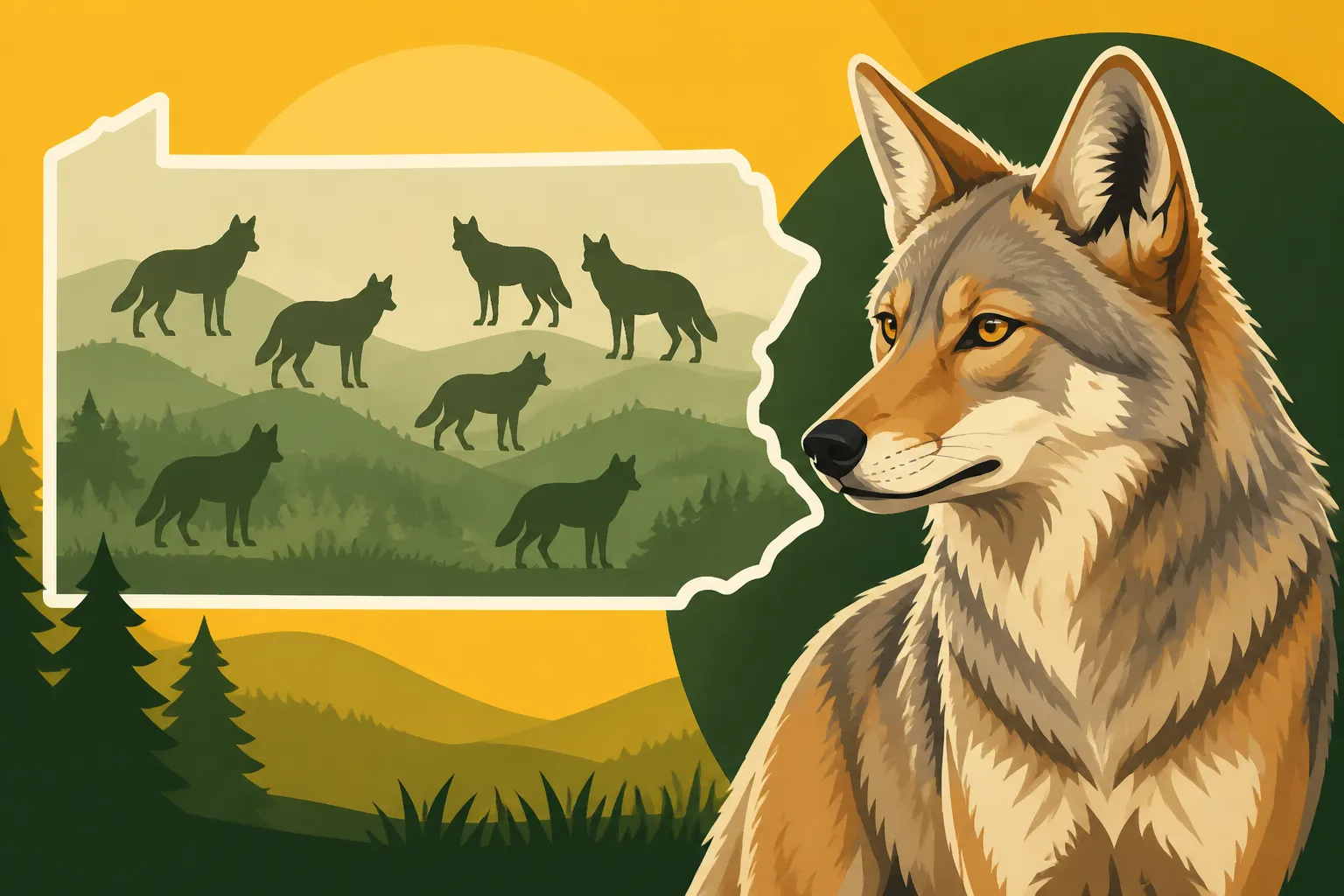
When it comes to understanding how many coyotes call Pennsylvania home, we're not talking about a precise census like we might conduct for human residents. Coyotes are incredibly elusive, wary, and often nocturnal creatures, making accurate headcounts nearly impossible. What we do know, however, paints a picture of a robust and widely distributed population that has firmly established itself across the entire state.
The Elusive Nature of Coyote Counting
Unlike more stationary game species, coyotes don't gather in easily observed herds or occupy small, predictable territories that allow for straightforward aerial surveys. They are constantly on the move, covering vast amounts of ground, and their populations are fluid, fluctuating with food availability and other environmental factors. This means that biologists and wildlife managers rely more on indirect indicators to estimate their numbers and distribution. These indicators include annual harvest data from hunters and trappers, reports of roadkill, anecdotal sightings, and sophisticated tracking studies in specific areas. These methods provide trends and population indices rather than definitive numbers, making the precise "how many" a persistent mystery. It’s a bit like trying to count raindrops in a thunderstorm – you can get a good idea of the intensity, but an exact figure is incredibly hard to pin down.
Historical Spread and Current Range
Coyotes aren't native to Pennsylvania in the same way white-tailed deer or black bears are. Their journey into the Commonwealth is a fascinating tale of adaptation and expansion, filling ecological niches left vacant by extirpated wolves and mountain lions. Historically, coyotes pushed eastward from the Great Plains and northern states, gradually colonizing new territories over many decades. It wasn't until the mid-20th century that they became truly established in Pennsylvania, and their numbers have only grown since. They are now found in all 67 counties, from the wildest stretches of the Allegheny National Forest Hunting to the most densely populated farmlands of the southeast. You might encounter them anywhere from the high mountain ridges, where they compete with bobcats, to the thick cover along creek bottoms in farm country. Their incredible adaptability to diverse landscapes has allowed them to thrive, making them a permanent fixture in our state's ecosystem. If you're wondering How Coyotes Reached Pennsylvania, it was a slow but steady expansion, capitalizing on changing landscapes and food sources.
Factors Influencing Coyote Numbers and Distribution
The resilience of the coyote population in Pennsylvania is a testament to their adaptability and opportunistic nature. Several key factors contribute to their thriving numbers and wide distribution, from their varied diet to the limited impact of traditional management efforts.
Food Sources and Habitat Adaptability
One of the primary reasons coyotes have been so successful in Pennsylvania is their incredible ability to adapt their diet and thrive in virtually any habitat. They are true opportunists, meaning they'll eat just about anything they can get their paws on. Their menu often includes an abundance of white-tailed deer fawns, especially during the spring birthing season, small game like rabbits and voles, wild berries, insects, and carrion left by other animals or roadkill. This broad diet allows them to sustain themselves even when certain prey species are scarce.
From the dense forests of the Pennsylvania Wilds to the fragmented woodlots and agricultural fields of Hunting Southeast Pennsylvania Farm Country, coyotes find suitable places to live, hunt, and raise their pups. They utilize dense cover for bedding and denning, but are equally comfortable traversing open fields under the cover of darkness. This habitat flexibility means that unlike some other species that require very specific environments, coyotes can establish themselves almost anywhere there's food and some form of cover, making them a constant presence across our diverse landscapes. Tools like GoHunt can be invaluable for pinpointing remote areas and mapping potential travel corridors for these adaptable predators, helping hunters understand their movements.
Management Strategies and Hunter Impact
In Pennsylvania, coyotes are considered an unprotected species, meaning there is no closed season and no bag limit for hunting them. This open-ended approach reflects a management philosophy that recognizes their robust population and the need for year-round control options for landowners and hunters. Hunters and trappers play a significant role in attempting to manage coyote numbers, and various methods are employed throughout the year. Coyote Calling in Pennsylvania Winter is a popular tactic, as is trapping during the Pennsylvania Small Game and Furbearer Seasons.
However, despite continuous hunting and trapping pressure, it's widely accepted that these efforts generally don't significantly reduce the overall statewide coyote population. Coyotes have a remarkable reproductive capacity; when their numbers are thinned, they often respond by having larger litters and higher survival rates for their pups. This compensatory reproduction makes them incredibly resilient to sustained pressure. While individual hunters can certainly be successful and help manage local populations, especially around farms experiencing depredation, eradicating or drastically reducing the statewide population through hunting alone has proven to be an uphill battle. Many hunters participate in Predator Hunting Contests in Pennsylvania not just for sport, but also to help control local populations and potentially reduce fawn predation.
The Impact of Coyotes on Pennsylvania's Ecosystem
The presence of a widespread coyote population naturally leads to questions about their role and impact on Pennsylvania's delicate ecological balance, particularly concerning other game animals and agricultural interests. Their reputation as predators often precedes them, and for good reason, as they certainly influence the lives of many other species.
Predator-Prey Dynamics with Deer and Turkeys
Coyotes are undeniably effective predators, and their impact on other wildlife populations, especially white-tailed deer and wild turkeys, is a frequent topic of discussion among Pennsylvania hunters. While adult, healthy deer are generally too quick and strong for a single coyote, fawns are particularly vulnerable. During the spring fawning season, coyotes can take a significant toll on newborn deer, which are often hidden and left alone by their mothers for extended periods. This predation can contribute to lower fawn recruitment rates in some areas, though its overall impact on the Pennsylvania Deer Population Estimate is complex and varies by region and year, often influenced more heavily by habitat quality and harsh winters.
Similarly, coyotes are known to prey on wild turkeys, especially during the nesting season when hens are vulnerable, and on young poults. The struggle for Pennsylvania Turkey Population Trends in some areas might be linked to predation pressures, though habitat loss and other environmental factors are often more significant. While coyotes fill an important ecological role as opportunistic predators and scavengers, helping to remove weak or diseased animals, their increased presence means they are a factor that hunters and wildlife managers must consider. It's not a simple equation, but their influence on these game species is a tangible reality in the Pennsylvania woods, a truth that dedicated hunters often witness firsthand while scouting or hunting on public lands like Hunting Pennsylvania State Game Lands.
Concerns for Livestock and Domestic Animals
Beyond their role in wild ecosystems, coyotes pose a very real concern for farmers and rural homeowners across Pennsylvania. Their opportunistic nature means that livestock, particularly smaller animals like sheep, goats, and poultry, can become easy targets if not adequately protected. Young calves can also be at risk, especially during birthing season in open pastures. The financial and emotional toll on farmers experiencing livestock depredation is significant, leading to a constant battle to protect their herds and flocks.
For homeowners, especially those living on the fringes of wilderness or in rural areas, the concern often extends to domestic pets. Small dogs and outdoor cats can unfortunately fall victim to coyotes, particularly if left unsupervised, especially after dark. This is a profound frustration for many residents, and it underscores the need for vigilance and preventative measures, such as secure fencing and keeping pets indoors, especially at night. Understanding the coyote's pervasive nature through tools like GoHunt can help property owners assess risk and plan protective strategies. While efforts like Night Hunting Rules for Pennsylvania Coyotes offer ways for licensed hunters to help manage problem coyotes, proactive measures remain crucial for protecting domestic animals.
Coyote Presence Across Pennsylvania's Landscapes
The adaptability of coyotes means they are not confined to a single type of terrain but are instead spread across the entire Commonwealth, albeit with varying densities and impacts depending on the specific landscape.
| Landscape Type | Typical Coyote Density | Primary Prey | Impact on Game Species | Challenges for Hunters |
|---|---|---|---|---|
| Big Woods/Mountains | Moderate to High | Deer fawns, small mammals, carrion | Significant fawn predation, competition with bobcats | Vast terrain, difficult to locate, wary animals |
| Farm Country | High | Rodents, rabbits, deer fawns, livestock | Pressure on fawns, turkeys, direct livestock depredation | Fragmented cover, permission issues, nocturnal activity |
| Ridge and Valley | Moderate to High | Deer fawns, small game, wild turkey poults | Moderate impact on game, depends on habitat quality | Steep terrain, dense cover, thermals can be tricky |
| Suburban Fringes | Low to Moderate (but present) | Rodents, rabbits, domestic pets, garbage | Minor impact on game, high human conflict potential | Highly nocturnal, urban evasion, restricted hunting |
In the vast tracts of the state's northern tier, commonly referred to as the "Big Woods," coyotes thrive by targeting deer fawns in the spring and scavenging winter-killed deer. In these areas, they are truly wild, elusive creatures that require significant scouting and persistence to hunt effectively. Here, they are part of a larger predator guild, sometimes interacting with Bobcats and Fishers in Pennsylvania.
Conversely, in the heavily agricultural southern and eastern regions, coyotes have learned to exploit farm fields and fragmented woodlots. Here, their diet might include more rodents, rabbits, and unfortunately, livestock. Their presence is often felt more directly by landowners in these areas. While hunting regulations permit their pursuit, finding them on limited private land often requires gaining permission from often frustrated farmers.
Regardless of where you are in Pennsylvania, the coyote is a permanent resident. Their numbers are sustained by their intelligence, reproductive capacity, and incredible ability to find food and shelter in an ever-changing environment. While we may never have an exact headcount, their presence is undeniable, shaping the lives of other wildlife and impacting the daily routines of many Pennsylvanians. This reality means that learning about these wily predators, understanding their habits, and adapting our hunting and land management strategies is essential for anyone who spends time outdoors in the Commonwealth.
Disclaimer
This article is for general informational purposes only and does not constitute professional advice. Laws, prices and regulations vary by location and change over time. Consult a qualified professional for guidance on your specific situation.