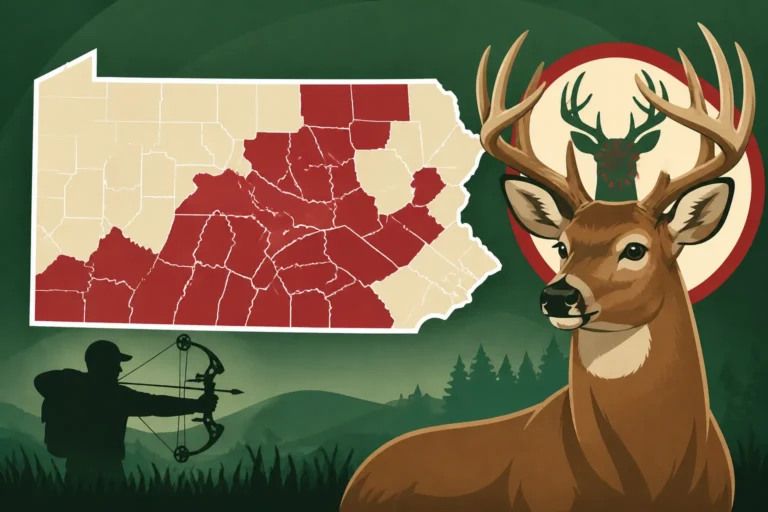
Protected Species in Pennsylvania Hunting Country
Stepping into Pennsylvania's vast woodlands and agricultural fields, we hunters often have our sights set on deer, bear, or turkey. But beneath the rustling leaves and through the thickets, there's a whole ecosystem teeming with life – some of which is strictly off-limits. It can be a real headache to keep track of what's fair game and what's not, and the last thing any responsible hunter wants is to accidentally harm a protected animal. This guide will walk you through the common protected species you might encounter in Pennsylvania hunting country, helping you identify them, understand your responsibilities, and avoid any unintended missteps in the field.
Understanding Pennsylvania's Protected Wildlife Landscape
Pennsylvania is a diverse state, from the rugged mountains of the north-central region to the rolling farmlands of the south, and this diversity means a rich tapestry of wildlife. While many species are managed for hunting, fishing, or trapping, a significant number are protected under state and federal laws. This protection is often due to declining populations, unique ecological roles, or their status as rare or endangered. For us as hunters, it's not just about avoiding legal trouble; it's about being good stewards of the land and respecting the natural world we cherish. Sometimes, it feels like the rules are endless, but knowing these distinctions is a fundamental part of ethical hunting.
Federally Protected Species in Pennsylvania
When we talk about protected species, we often start with federal classifications. These are animals whose populations are deemed vulnerable, threatened, or endangered across their entire range in the United States, as designated by the U.S. Fish and Wildlife Service. Encountering these in Pennsylvania is less common for the average hunter focused on game species, but it's crucial to be aware.
The most iconic federally protected birds in Pennsylvania are undoubtedly the bald eagle and the peregrine falcon. While eagles have made an incredible comeback, and it's truly a sight to behold one soaring over a river or perched in a towering pine, they are still fully protected. You'll never mistake them for a turkey, but sometimes, a quick, fleeting glimpse of a bird of prey can cause a momentary lapse. Similarly, peregrine falcons, known for their incredible speed, are often found nesting on urban skyscrapers or high rock ledges in more remote areas. Accidental encounters are rare, but knowing they are out there and protected reinforces the need for positive identification before a shot is ever considered, even if you are out Crow Hunting Seasons and Tactics.
Beyond these majestic birds, you might also find federally protected bats, like the Indiana bat or the northern long-eared bat, hibernating in caves or roosting in trees. While you're unlikely to encounter them during daylight hunting hours, understanding their presence is part of the broader conservation picture, especially if you're exploring older timber stands or rock outcrops. These tiny creatures play vital roles in insect control, and their protection highlights the interconnectedness of our ecosystems.
State Protected Species and What They Mean for Hunters
Pennsylvania also has its own list of endangered, threatened, and rare species managed by the Pennsylvania Game Commission and the Fish and Boat Commission. This state-specific protection is often more relevant to hunters as these species may share habitats with game animals or could potentially be confused with legal game in certain circumstances. The goal here is to keep our wild places vibrant and diverse for generations to come.
Many raptors, beyond the bald eagle and peregrine falcon, are protected at the state level. This includes various hawks, owls, and ospreys. While you're usually focused on terrestrial game, seeing a great horned owl silently glide through the woods or a red-tailed hawk circling overhead is a common occurrence. It's simply good practice to identify anything clearly before drawing a bow or shouldering a firearm, especially when targeting small game like Squirrel Hunting Pennsylvania Hardwoods. Knowing the difference between a legally hunted game bird and a protected bird of prey is non-negotiable.
Another group of animals often overlooked by hunters but crucial to state conservation efforts are certain reptiles and amphibians. Think about various salamanders, turtles, or snakes. For instance, the bog turtle, a tiny and critically endangered turtle, lives in specific wetland habitats. While you're unlikely to accidentally shoot one, you might encounter their habitat while tracking a deer or Hunting Pennsylvania Bear on Acorns. It’s a good reminder that even walking through certain areas demands awareness of what lies underfoot. This extends to things like timber rattlesnakes, which, despite being venomous, are protected in many parts of the state due to declining numbers and habitat loss. If you encounter one, it's best to give it a wide berth and admire it from a safe distance.
Pennsylvania also has several species of concern that may not be federally or state-listed as endangered but are still monitored and protected from hunting or trapping. This includes certain furbearers like bobcats, which require a special permit to hunt or trap, highlighting that even managed species can have specific regulations. Bobcat Hunting in Pennsylvania is strictly regulated for a reason, showing the careful balance between harvest and conservation.
| Species Group | Protection Level | Common Examples | Where Hunters Might Encounter Them | Hunter's Responsibility |
|---|---|---|---|---|
| Birds of Prey | Federal & State | Bald Eagle, Peregrine Falcon, Various Hawks, Owls, Osprey | Soaring overhead, perched in trees, near water sources, any wooded habitat | Positive identification before shooting; no harassment |
| Bats | Federal & State | Indiana Bat, Northern Long-eared Bat | Caves, tree cavities, old buildings; mostly nocturnal | Avoid disturbing hibernating/roosting bats; be aware of habitat |
| Reptiles & Amphibians | State | Bog Turtle, Timber Rattlesnake, Various Salamanders | Wetlands, rocky outcrops, decaying logs, stream bottoms | Avoid disturbance; identify before stepping/reaching into cover |
| Small Mammals | State (Specific Cases) | Certain Shrews, Voles, Allegheny Woodrat | Dense undergrowth, rocky areas, remote timber | Be aware of small mammal habitat; no targeting |
| Furbearers | State (Permit-based) | Bobcat, River Otter, Fisher | Remote wooded areas, stream corridors | Understand specific permit requirements and seasons; no accidental harvest |
Navigating Grey Areas and Unforeseen Encounters
It's one thing to know that bald eagles are protected, but what happens when you're in the moment, focused on a target, and something unexpected occurs? The woods are wild, and sometimes, you might see something you're unsure about, or worse, have an accidental encounter. This is where vigilance, preparation, and knowing the right steps to take become incredibly important. Our responsibility as hunters extends beyond just pulling a trigger; it's about being informed and acting ethically every single time. Pennsylvania Hunter Education Requirements covers a lot of these ethical considerations.
What to Do If You're Unsure About a Species
Imagine you're still-hunting slowly through a mature timber stand, perhaps exploring Hunting Oak Ridges and Benches, and you glimpse a flash of movement. It's small, quick, and disappears into the undergrowth. You didn't get a clear shot, but you're not sure if it was a legal game species like a rabbit or something protected, like a unique shrew or a rare rodent. In these situations, the answer is always to err on the side of caution. If you can't make a positive identification, you cannot take the shot.
Modern mapping tools, like those offered by GoHunt, can sometimes provide layers showing critical habitats or areas of special concern, which might clue you into regions where rare species are known to reside. While not foolproof, such tools, combined with your own scouting, can help build a mental picture of what to expect in a given area. It's about taking that extra moment, even when your heart is pounding, to ensure what you're seeing is what you think you're seeing. This might mean lowering your binoculars, waiting for the animal to present itself more clearly, or simply letting it walk if doubt persists. There's no shame in passing on a questionable shot; in fact, it's a mark of a truly responsible hunter.
Accidental Harms and Reporting Protocols
Despite our best efforts, accidents can happen. Perhaps you're tracking a wounded deer, or you stumble upon a nest or den that you didn't see. Or, in a truly unfortunate scenario, you might accidentally harm a protected animal, even if unintentionally. The Pennsylvania Game Commission (PGC) takes these incidents very seriously, but they also understand that honest mistakes can occur. The critical thing in such a situation is to immediately report the incident. Hiding it or ignoring it can lead to far more severe consequences.
If you believe you have accidentally harmed or found a protected species that is injured or deceased, your first step should be to contact the Pennsylvania Game Commission's regional office for the area you are hunting in, or their statewide dispatch number. Provide them with as much detail as possible: the species (if you can identify it), the exact location, and the circumstances. They will instruct you on what to do next. Do not attempt to move the animal unless instructed to do so, especially if it's a raptor or a larger animal that could pose a risk. This transparency is crucial for protecting yourself and contributing to wildlife management. Reporting a Poacher in Pennsylvania is the same mechanism, and it's essential to understand that distinction between an accident and deliberate illegal activity.
Empowering Yourself: Knowledge and Resources
Being a responsible hunter means being a perpetual student of the outdoors. The rules, the species, and the habitats are constantly evolving, and staying informed is part of the commitment we make to conservation. There's a lot of information out there, and sometimes it feels overwhelming, but breaking it down makes it manageable.
Essential Resources for Pennsylvania Hunters
The Pennsylvania Game Commission (PGC) website is your primary source for official regulations, species lists, and reporting information. They publish annual hunting and trapping digests that detail all legal game, seasons, and licensing requirements. It's a goldmine of information, from Pennsylvania Antler Restrictions by WMU to Pennsylvania Black Bear Hunting seasons. Before you even set foot in the woods, a thorough review of the current digest is essential.
Additionally, organizations focused on specific species or habitats can offer valuable insights. Local Audubon chapters, conservation districts, and even state park naturalists can be excellent resources for understanding the protected wildlife in your specific hunting areas. Utilizing tools like the Pennsylvania Mapping Center or GoHunt can help you visualize land features, habitat types, and even identify potential areas where unique species might thrive. Knowing the lay of the land, beyond just deer runs, can give you an edge in both success and responsible hunting.
Becoming a More Informed and Responsible Hunter
Beyond just reading the digest, actively seek out knowledge about the non-game species in Pennsylvania. Spend time identifying birds, learning about local amphibians, or understanding the role of various insects. This not only makes you a more knowledgeable hunter but also deepens your connection to the environment. The more you know, the better equipped you are to make informed decisions in the field.
Consider taking advanced identification courses, or simply carry a small field guide with you on your hunts. The knowledge gained from Scouting Pennsylvania Public Land Before Season isn't just about finding deer sign; it's about observing the entire ecosystem. A healthy hunting culture is built on respect for all wildlife, not just the species we pursue. By taking the time to learn about and respect protected species, we uphold the integrity of hunting and ensure our beloved wild places remain vibrant and full of life for future generations.
Disclaimer
This article is for general informational purposes only and does not constitute professional advice. Laws, prices and regulations vary by location and change over time. Consult a qualified professional for guidance on your specific situation.