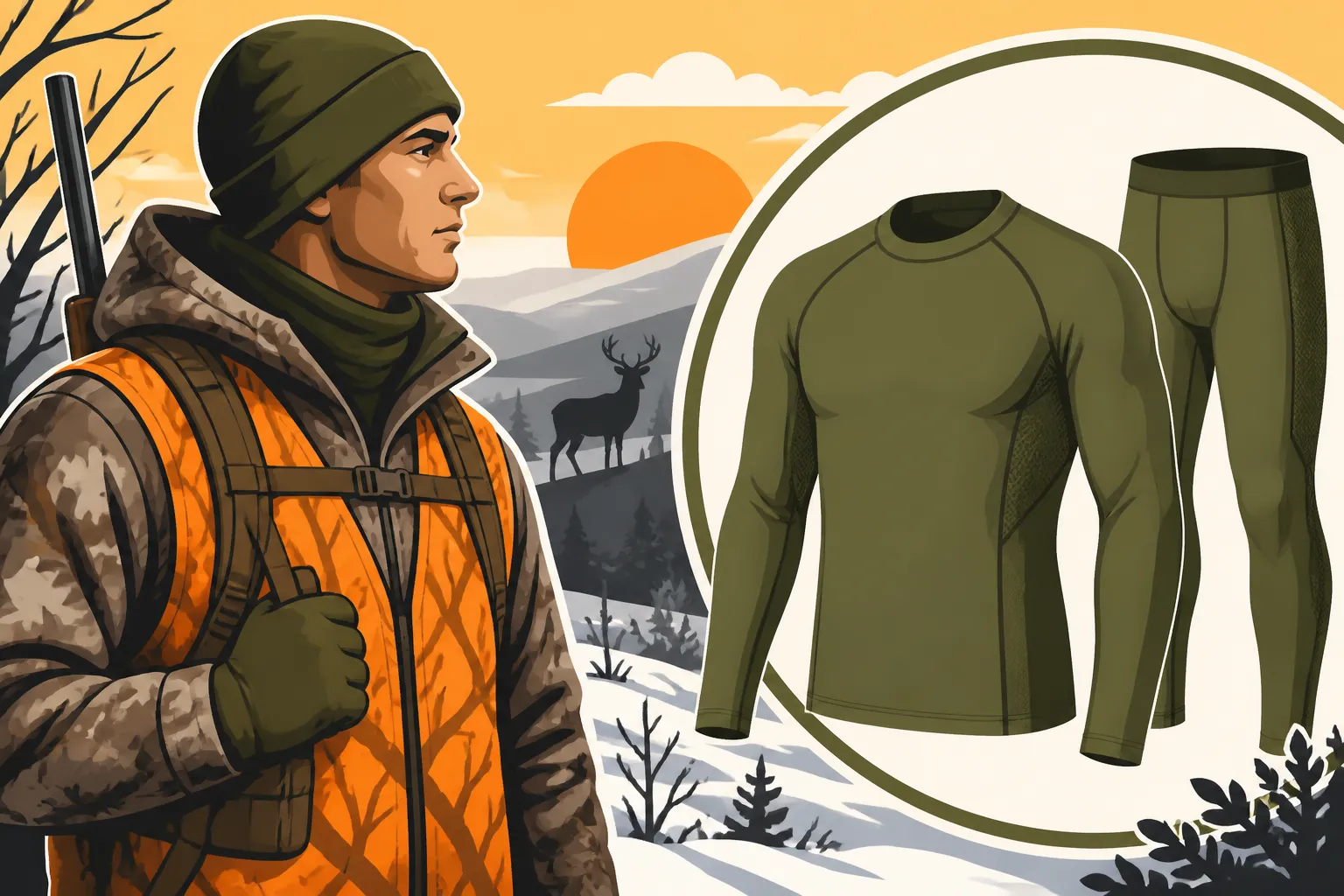
Base Layers for a Pennsylvania December
December in Pennsylvania is a truly magical time to be in the woods, but let's be honest, it can also be absolutely brutal if you're not dressed right. The cold bites deeper, the dampness seeps into your bones, and sitting still for hours in a treestand can feel like an arctic expedition. This guide is all about giving you the knowledge to build a solid foundation with base layers, ensuring you stay warm, dry, and comfortable enough to focus on the hunt, not the shivers.
Why Your Base Layers Are the Unsung Heroes of a December Hunt
Many hunters focus on their outer shell – the big, bulky, insulated coat – and completely overlook the critical role of what’s closest to their skin. In Pennsylvania, especially as winter truly sets in during December, your base layers aren't just an afterthought; they're the absolute foundation of your entire warmth system. They are the first line of defense against both the external cold and your own internal moisture (sweat!). Without the right base layers doing their job, even the most expensive outer gear can fail you, leaving you chilled and miserable.
Think about those crisp, still mornings when the thermometer struggles to get above 20 degrees, and a light breeze cuts right through you. Or the days when a flurry of snow turns to freezing rain, leaving everything a slick, icy mess. If your base layer traps sweat against your skin, that moisture quickly turns cold, and you'll feel every bit of that chill right down to your core. Your ability to stay on stand longer, move quietly, and react when a deer finally steps out often hinges entirely on how effectively your base layers are managing moisture and retaining heat. It’s not just about comfort; it's about extending your effective hunting time and ultimately, your success.
Understanding the Fundamental Role of Base Layers
Base layers aren't just long underwear; they're a technical part of your hunting system designed to perform specific functions. Their primary job is to manage moisture and provide initial insulation. This means actively wicking sweat away from your skin to the outer layers where it can evaporate, preventing that clammy, cold feeling that sets in after a hike to your stand or an adrenaline rush. At the same time, they need to trap a thin layer of warm air close to your body, providing a crucial barrier against the cold.
The concept of layering is paramount in cold weather hunting, and the base layer kicks it all off. Without it performing correctly, every layer stacked on top is compromised. Imagine wearing a cotton t-shirt under your insulation – that cotton will absorb sweat like a sponge and hold it there, drawing heat away from your body and making you colder than if you had worn nothing at all. That's why understanding the science behind moisture-wicking and thermal retention is so vital, especially when dealing with Pennsylvania's notoriously unpredictable December weather. You want to stay dry and warm, and it all starts right against your skin.
Moisture Management: Keeping You Dry
The number one enemy of warmth in cold weather is moisture. Whether it's sweat from an uphill climb to your favorite ridge or the humidity seeping into your clothing from the damp woods, moisture robs your body of heat at an alarming rate. Good base layers are engineered to quickly pull this moisture away from your skin, a process known as wicking. This isn't just a marketing buzzword; it's a critical function that keeps your microclimate (the air right next to your skin) dry and warm.
When you're trudging through heavy snow or working up a sweat dragging a deer back to the truck, your body's natural cooling system kicks in, producing perspiration. If that sweat has nowhere to go, it sits on your skin, and when you stop moving and your body cools down, that moisture turns icy cold. It's a quick trip from comfortable to hypothermic, especially in sustained December temperatures. A high-quality base layer acts like a one-way street, moving that liquid vapor outwards, ensuring your body stays as dry as possible, which is absolutely crucial for any long sit in a tree stand or still-hunt through a Pennsylvania's Two-Week Firearms Deer Season.
Thermal Regulation: Trapping Your Warmth
Beyond keeping you dry, base layers also serve a crucial role in trapping and retaining your body heat. The material and weave of a good base layer are designed to create tiny air pockets. These air pockets become insulated with your body's warmth, forming a protective barrier against the colder air outside. It's not about the fabric itself being "hot," but its ability to efficiently hold the heat your body naturally produces.
This thermal regulation is a dynamic process. As you exert yourself, your body produces more heat, and a good base layer helps distribute and retain that warmth evenly. When you're sitting still for hours, perhaps waiting for that wary buck in Hunting the Peak Rut Week in Pennsylvania, the base layer becomes your primary insulator, preventing that heat from simply dissipating into the frosty air. This is especially important for areas like your core, arms, and legs, which are critical for maintaining overall body temperature in harsh conditions. Without this initial layer trapping warmth, you’d need significantly more bulky outer layers to achieve the same level of comfort, hindering movement and stealth.
Choosing the Right Base Layer Material for December
When it comes to base layers, not all materials are created equal, especially when you're battling the deep cold and dampness of a Pennsylvania December. Your choice of fabric can make or break your hunting experience. The two main contenders are Merino wool and various synthetic blends, each with its own set of advantages and considerations for our specific hunting environment.
The key is to consider what kind of hunting you'll be doing. Are you primarily still-hunting, making slow, deliberate movements through the woods, or are you planning a long, stationary sit in a stand? Will you be covering a lot of ground, breaking a sweat on the hike in, or staying relatively static? The answers to these questions will guide your decision between these excellent, but distinct, material choices.
Merino Wool: The Natural Performer
Merino wool has become a beloved choice for cold-weather hunters, and for good reason. Unlike traditional wool, Merino fibers are incredibly fine, making them soft against the skin, not scratchy. Its natural properties are almost perfectly suited for the demands of a Pennsylvania December hunt. It excels at both moisture management and thermal regulation, even when wet.
One of the standout features of Merino wool is its ability to retain warmth even after it's gotten damp or wet from sweat or light precipitation. This is a huge advantage when you might be working up a sweat packing into a remote spot, only to sit for hours in the bitter cold. The fibers can absorb a significant amount of moisture vapor before feeling wet, and importantly, they continue to insulate. Plus, Merino wool is naturally odor-resistant, meaning you can wear it for multiple days without it smelling like a locker room – a huge bonus on longer hunting trips or at deer camp. Many seasoned hunters will tell you that the investment in quality Merino, perhaps from brands often discussed on forums like GoHunt, pays dividends in comfort and stealth. It breathes well, helping to prevent overheating when you're on the move, and then traps warmth efficiently when you're stationary. Wool Versus Synthetics in Wet Cold delves into this comparison more.
Synthetics: The Technical Advantage
Synthetic base layers, typically made from polyester, nylon, or blends thereof, offer a different set of benefits that can be highly effective for December hunting. Modern synthetics are engineered for rapid moisture wicking and quick drying. They often feel slicker and are more durable than Merino wool, standing up to repeated washing and hard use without losing their shape or performance.
For hunters who anticipate very high-exertion activities – such as a vigorous Deer Drives With Three or Four Hunters or a long trek up steep terrain – synthetics can be an excellent choice because they move sweat away from the body almost instantly and dry incredibly fast. This rapid drying can be critical in preventing a chill from setting in during periods of inactivity after exertion. While they don't retain warmth quite as well as Merino when wet, their quick-drying nature can counteract this if you're managing your activity levels appropriately. However, synthetics tend to hold odors more readily than Merino, which means you might need fresh layers more often. When searching for reliable synthetic options, checking reviews on outdoor gear sites like GoHunt can often point you towards reputable brands known for their performance in cold, damp conditions.
| Feature | Merino Wool | Synthetic (Polyester/Nylon) |
|---|---|---|
| Warmth (Dry) | Excellent | Very Good |
| Warmth (Wet) | Good (insulates even when damp) | Fair (dries quickly but insulates less when wet) |
| Moisture Wicking | Good (absorbs vapor, moves liquid) | Excellent (moves liquid quickly) |
| Drying Time | Moderate | Fast |
| Odor Resistance | Excellent (natural antimicrobial properties) | Poor to Moderate (often requires treatments) |
| Comfort/Feel | Very Soft, non-itchy | Smooth, often stretchy |
| Durability | Good (can be prone to holes with hard use) | Excellent (resists abrasion, holds shape) |
| Weight | Can feel heavier when saturated | Generally lightweight |
| Cost | Typically Higher | Varies, often more affordable |
Selecting the Right Weight and Fit
Beyond material, the weight and fit of your base layers are crucial considerations for optimizing your comfort and performance in a Pennsylvania December. A thick, baggy base layer won't wick moisture effectively, and a thin, tight one might not provide enough insulation for a bitter cold morning. It's about finding that sweet spot that complements your activity level and the specific weather you expect.
Remember, the goal is to create an efficient system. A well-chosen base layer should feel like a second skin – snug enough to be effective, but not so constricting that it restricts blood flow or movement. Consider the duration of your hunt and the varying temperatures throughout the day. A full day of Cold Weather Sitting Strategy will demand a different approach than a morning of active still-hunting.
Base Layer Weights for Pennsylvania Winters
Base layers typically come in light, mid, and heavy weights, each designed for different temperature ranges and activity levels. For December in Pennsylvania, you'll likely find yourself reaching for mid-weight or heavy-weight options, sometimes even a combination.
- Lightweight: While great for early season or high exertion, lightweight base layers usually don't cut it for December's deep cold. They are best for managing sweat during very strenuous activity in milder conditions, serving more as a wicking layer than an insulating one. If you're doing a lot of hiking in minimal gear and then adding layers, they might work, but for anything resembling a sit, they'll fall short.
- Mid-weight: This is often the sweet spot for many Pennsylvania December hunts. Mid-weight base layers provide a good balance of warmth and breathability. They're versatile enough for days with moderate activity and stationary periods in temperatures ranging from just below freezing down to the teens. Many hunters find a quality mid-weight Merino top and bottom to be their go-to for most of the season. They offer enough insulation to take the edge off the chill while still allowing moisture to escape without making you feel too bulky. This is particularly good if you're doing a mix of still-hunting and stand hunting, providing flexibility in varying conditions.
- Heavy-weight: When the mercury truly plummets, or you anticipate long, stationary sits in bitter cold, heavy-weight base layers become indispensable. These are designed for maximum insulation and are perfect for those truly frigid mornings when Hunting Deer in Deep Pennsylvania Snow is on the agenda. They're often thicker, sometimes with a fleeced interior, to trap more warm air. While they provide superior warmth, they can be less breathable, so they're best reserved for minimal-exertion hunting or when layered over a lighter wicking layer during intense activity. If you're planning an all-day sit in a box blind or a very cold treestand, don't skimp on heavy-weight base layers. Pairing them with good outer layers for Layering for a Pennsylvania Deer Stand will keep you significantly more comfortable.
The Importance of Fit and Features
The fit of your base layer is almost as important as the material and weight. For maximum effectiveness, base layers should fit snugly against your skin. This close contact is crucial for efficient moisture wicking, as it allows the fabric to draw sweat away from your body effectively. If the base layer is too loose, there will be air gaps where sweat can pool, and it won't be able to pull moisture away as intended. It also won't create those crucial air pockets for thermal regulation. However, "snug" doesn't mean "constricting." You still need a full range of motion for drawing a bow, should you be out for Hunting Pennsylvania's Late Archery Season, or shouldering a rifle.
Look for features like flatlock seams, which prevent chafing and irritation, especially important when you're wearing multiple layers and carrying a pack. A quarter-zip or half-zip neck on a base layer top can be incredibly useful for dump heating when you're exerting yourself, allowing you to regulate your temperature without completely delayering. Thumbholes are another great addition, helping to keep sleeves in place and provide a little extra warmth for your wrists and the back of your hands. For bottoms, an elastic waistband that doesn't dig in, along with a full-length design that tucks into your socks, is key to preventing cold spots around your ankles. When you’re evaluating different brands and models, reputable hunting gear resources like GoHunt often highlight these types of practical features that make a real difference in the field. Don't overlook these small details; they contribute significantly to your overall comfort and success in the Pennsylvania woods.
Caring for Your Base Layers: Longevity and Performance
You've invested in good base layers to keep you warm and dry during those tough December hunts, but their performance and longevity heavily depend on how you care for them. Proper washing and drying aren't just about cleanliness; they're about maintaining the integrity of the fibers and the technical properties that make them so effective. Neglecting care can lead to reduced wicking ability, diminished insulation, and premature wear, leaving you exposed to the elements when you can least afford it.
Think about the conditions these garments endure: sweat, mud, blood, and sometimes even the distinct odor of deer scent spray. They need to be cleaned, but harshly washing them can destroy their delicate fibers or break down the synthetic treatments that enhance their performance. Understanding the right way to care for your specific base layer material will ensure it continues to serve you faithfully, season after season.
Washing and Drying Best Practices
For Merino wool base layers, gentle care is the name of the game. Most manufacturers recommend washing in cold water on a delicate cycle with a mild, wool-specific detergent. Harsh detergents can strip the natural lanolin from Merino fibers, reducing their softness and inherent odor resistance. Avoid using fabric softeners, as they can coat the fibers and impair their wicking capabilities. When it comes to drying, always air dry Merino wool flat or hanging. Tossing it in a hot dryer is a recipe for shrinkage and damage to the delicate fibers. The heat can break down the wool, making it less effective at trapping warmth and wicking moisture.
Synthetic base layers, while generally more robust, also benefit from specific care. Wash them in cold water with a sports-specific detergent that's designed to remove odors and preserve technical fabric properties. Again, avoid fabric softeners, as they can clog the pores of synthetic fibers, hindering their wicking performance. For drying, synthetics can often go into a dryer on a low heat or tumble dry setting, but air drying is always the safest bet to extend their lifespan and prevent heat damage that can degrade elastic and other properties. Regardless of material, turning base layers inside out before washing can help protect the outer surface from abrasion in the washing machine.
Extending the Life of Your Base Layers
To truly get the most out of your base layers, a little preventative care goes a long way. Beyond proper washing, storage is key. Ensure your base layers are completely dry before putting them away for an extended period to prevent mildew and odor build-up. Store them in a cool, dry place, ideally in breathable garment bags or drawers where they won't be subject to extreme temperatures or direct sunlight. If you use scent-free storage for your hunting clothes, include your base layers in there too, as they are the first layer against your skin and can pick up unwanted smells.
Regular inspection for wear and tear can also extend their life. Small holes in Merino wool, for instance, can often be carefully mended to prevent them from growing larger, saving you from having to replace an expensive item. For synthetics, check seams and elastic bands. Rotating between a few sets of base layers throughout the season will also reduce the wear and tear on any single item, spreading the load and ensuring you always have fresh, performing layers ready for those crucial December hunts. By taking these steps, your foundational layers will continue to perform at their peak, keeping you comfortable and focused when you need it most in the challenging Pennsylvania woods.
Disclaimer
This article is for general informational purposes only and does not constitute professional advice. Laws, prices and regulations vary by location and change over time. Consult a qualified professional for guidance on your specific situation.