Knives and Saws Worth Carrying
When you're out in the rugged terrain of Pennsylvania, whether you've just dropped a buck deep in a hollow or you're miles from the truck with a bear on the ground, the tools you carry to field dress and process your game become absolutely critical. Too often, hunters overlook the importance of quality knives and saws until they're struggling with a dull blade or a flimsy saw, making an already tough job even harder. This guide will walk you through the types of knives and saws that truly stand up to the demands of Pennsylvania hunting, helping you make smarter choices for your kit.
The Essential Field Knife for Pennsylvania Hunters
Your field knife is arguably the most important tool you'll carry, next to your firearm or bow. It's not just for gutting; it's for skinning, quartering, and countless other tasks that might arise in the woods. Choosing the right one can make the difference between a quick, clean job and a frustrating, messy ordeal.
Fixed Blade vs. Folding Knives in the Woods
This is a classic debate among hunters, and for good reason. Both fixed blade and folding knives have their staunch advocates, and each shines in different scenarios.
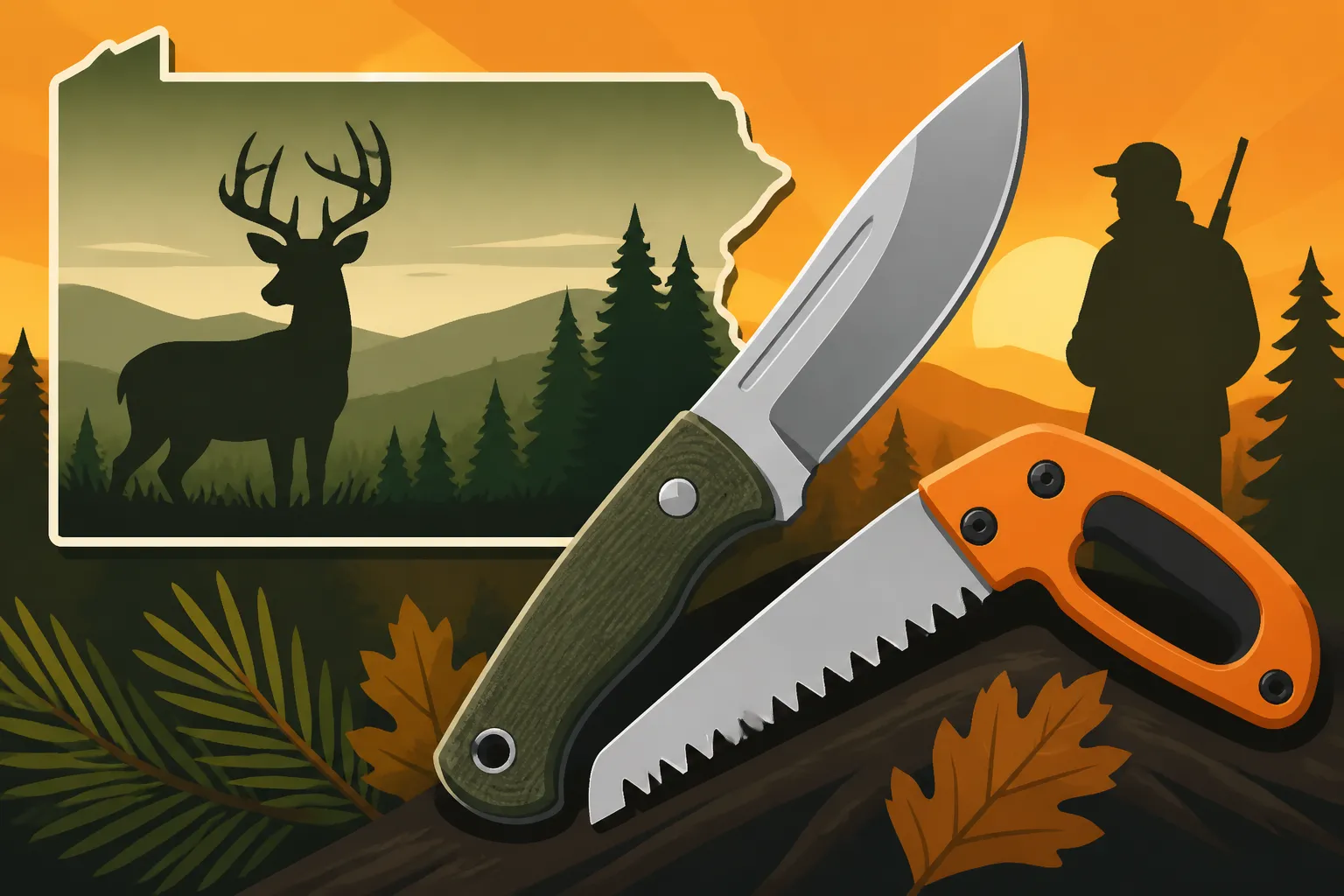
A fixed blade knife offers unparalleled strength and reliability. There are no moving parts to break, no locking mechanisms to fail, and they generally feel more robust in hand, especially when you're exerting force. For serious field dressing, like splitting a sternum or working through tough joints on a deer or even a bear, that solid, unyielding feel is a huge confidence booster. They're also incredibly easy to clean thoroughly; just rinse, wash, and dry, with no hidden crevices for blood and grime to collect. This ease of cleaning is a big deal when you're focusing on hygiene and meat quality, especially after processing game that will end up on your dinner table. The downside, of course, is that they tend to be larger and require a sheath, which can be a bit more cumbersome to carry than a compact folder. However, for many Pennsylvania hunters venturing into remote areas like those described in Hunting Pennsylvania's Big Woods for Deer, the reliability of a fixed blade far outweighs any bulk.
Folding knives, on the other hand, offer supreme portability and discretion. They tuck away neatly into a pocket or a small pouch on your pack, taking up minimal space. Modern folders with sturdy locking mechanisms have come a long way in terms of strength and safety, making them much more viable for demanding field tasks than their predecessors. They’re excellent for lighter tasks, precise cuts, or as a backup knife. However, even with the best locking mechanisms, there's always a slight inherent weakness compared to a solid piece of steel, and those intricate pivots and springs can become a real headache to clean thoroughly once they've been exposed to blood and tissue. If you're planning on doing a full field dressing job, especially if you're dealing with multiple animals or a larger one, you might find yourself wishing for the simplicity and strength of a fixed blade.
Blade Materials and Edge Retention for Pennsylvania Game
The steel your knife blade is made from dictates its performance in several key areas: how sharp it gets, how long it stays sharp (edge retention), and how easy it is to re-sharpen. These factors are crucial when you're working through the hide, muscle, and bone of a whitetail or a big black bear.
Stainless steel alloys are popular for hunting knives, and for good reason. They're highly resistant to rust and corrosion, which is a major benefit when you're working in damp, bloody conditions, or if your knife might sit for a bit before a thorough cleaning. While some softer stainless steels might not hold an edge as long as premium carbon steels, advancements in metallurgy have led to high-carbon stainless steels that offer an excellent balance of corrosion resistance and edge retention. Steels like CPM-S30V, S35VN, or AUS-8 are common and perform very well for most field tasks. They might take a bit more effort to sharpen, but they'll hold that keen edge through a good portion of your field dressing job, making successive cuts easier and safer.
Carbon steel knives are often favored by traditionalists for their incredible ability to take and hold a razor-sharp edge. They are generally tougher and easier to re-sharpen in the field with basic tools. However, they are highly susceptible to rust and will discolor easily, especially when exposed to blood and moisture. This means they require meticulous care: immediate cleaning and oiling after every use to prevent corrosion. For a seasoned hunter who is diligent with maintenance, a carbon steel knife can be an absolute workhorse, providing a level of sharpness that makes quick work of even the thickest hide. The choice often comes down to personal preference and your commitment to knife care. For many, the practical benefits of a good stainless steel often win out for a no-fuss field knife.
Handle Ergonomics and Grip in Cold, Wet Conditions
A super-sharp blade is useless if you can't hold onto the knife safely and effectively. The handle of your field knife is just as important as the blade, especially when your hands are cold, wet, or covered in blood – common scenarios when Field Dressing a Deer in Cold Weather in a Pennsylvania November.
Ergonomics refer to how well the knife fits your hand, providing comfort and reducing fatigue during prolonged use. A handle that's too small, too thin, or has sharp edges will quickly become uncomfortable. Look for a handle that fills your grip, allowing you to apply pressure without cramping or hotspots. Materials like G10, micarta, Kraton, or textured polymers are excellent choices for handle scales because they offer superior grip, even when wet. They are also non-absorbent, making them easy to clean and less prone to harboring bacteria. Avoid highly polished or slick materials for a primary field knife, as they can become dangerously slippery when wet or bloody.
Consider the hilt or guard – a small but crucial feature that prevents your hand from sliding forward onto the blade during a powerful thrust or pull. This is a critical safety feature when working in slippery conditions. A well-designed handle, perhaps with a slight finger groove or a textured surface, provides a secure grip that instills confidence when performing critical cuts. After all, you want to focus on the task at hand, not worry about your knife slipping and causing injury.
Specialized Knives for Different Game and Tasks
While a good general-purpose field knife can handle most situations, there are specialized blades that can make certain tasks much easier and more efficient. Think of it like a mechanic’s toolbox – you wouldn't use a crescent wrench for every bolt.
Gut Hooks and Their Place in Field Dressing
The gut hook is a highly specialized tool integrated into some hunting knives, or sometimes offered as a standalone tool. It’s designed specifically to make the opening cut down the belly of an animal without puncturing the intestines.
The primary benefit of a gut hook is speed and cleanliness. By hooking the skin and pulling upwards, the internal organs are pushed down and away from the cutting edge, greatly reducing the risk of accidental punctures that can spoil meat or make cleanup a nightmare. For hunters who value efficiency and minimizing mess, especially on relatively thin-skinned animals like whitetail deer, a gut hook can be a real time-saver. It's particularly useful when you're trying to get a deer processed quickly before the meat heats up too much on an unseasonably warm October day.
However, gut hooks also have their drawbacks. They are single-purpose tools, meaning they don't contribute to any other cutting tasks. They can also be notoriously difficult to sharpen effectively, especially for those not accustomed to sharpening curved edges. If the hook becomes dull, it can drag and tear rather than cut cleanly, negating its primary benefit. For many hunters, a careful hand with a sharp, standard drop-point blade achieves the same result without the added complexity or dedicated tool. It truly comes down to personal preference and how often you find yourself needing to open up the body cavity.
Caping Knives and Fine Detail Work
If you're planning to have your trophy mounted, a standard field dressing knife might be too large and unwieldy for the intricate work required for caping. This is where a dedicated caping knife shines.
Caping involves skinning out the animal's head, neck, and shoulders with extreme care to preserve the hide for taxidermy. This requires small, nimble blades, often with a pointed tip and a fine edge, to work around delicate areas like the eyes, ears, and muzzle. These knives allow for precise cuts, minimizing the chance of cutting through the hide or leaving excess meat and fat attached that will need to be scraped off later. Think of it like surgery – you need precision. Trying to perform this delicate work with a large, thick-bladed field knife is like trying to draw with a crayon when you need a pencil; it's possible, but far from ideal.
While you might only use a caping knife a few times a season (or even less frequently if you don't mount every animal), having one in your kit can save you headaches and potentially a costly mistake on a trophy-worthy animal. It's the kind of specialized tool that speaks to a hunter's respect for the animal and the desire to honor its memory with a quality mount.
Bone-Out Knives for Processing in the Field
Sometimes, you find yourself in a situation where packing out an entire animal isn't feasible or desirable, especially when you've tagged a big deer or bear in a remote, steep hollow. This is where the "gutless method" and a good bone-out knife become invaluable.
A bone-out knife, often resembling a flexible fillet knife or a boning knife used in a kitchen, typically features a thinner, more flexible blade than your standard field knife. This flexibility allows the blade to hug the contours of the bone, efficiently separating muscle tissue (meat) from the skeletal structure. When you're breaking down an animal far from the truck, perhaps utilizing a method like the Bone Saws Versus the Gutless Method, a sharp, flexible bone-out knife helps you recover as much meat as possible with minimal waste. It allows you to strip off quarters and backstraps, leaving the heavy bone behind, making your pack-out significantly lighter. Many hunters find this method indispensable for animals taken in places like the deep parts of State Game Lands where the nearest road might be miles of steep climb away. Packs and Drags for Steep Ground become much more manageable when you're only carrying meat.
When you're trying to reduce pack weight, every ounce counts, and efficiently de-boning an animal in the field is one of the best ways to lighten your load. Companies like GoHunt often emphasize lightweight gear and efficient field processing techniques, and a quality bone-out knife is a key component of that philosophy. It's about working smarter, not harder, especially when you're facing a long, arduous hike out of the Pennsylvania mountains.
Field Saws: Beyond Just Cutting Bones
While knives handle the slicing and dicing, a good field saw tackles the tougher, heavier work of cutting through bone, gristle, and even wood. A saw can save your knife blade from unnecessary abuse and make certain processing steps much cleaner and easier.
Compact Bone Saws for Pelvic and Sternum Cuts
For field dressing, a compact bone saw is a game-changer. Trying to split the pelvic bone or sternum of a mature deer with a knife is a grueling task that can dull your blade quickly and leave you frustrated. A purpose-built bone saw, whether it's a folding model or a small fixed-blade hand saw, makes these cuts quick and clean.
Splitting the pelvis helps to fully open the cavity for better cooling, which is essential for meat preservation, especially in warmer early season archery hunts or during an unseasonably warm rifle season. A clean sternum cut also allows for easier removal of the internal organs and helps with air circulation. The sharp, aggressive teeth of a bone saw glide through bone much more efficiently than a knife, preventing unnecessary strain on your hands and wrists. This efficiency is particularly valuable when you're performing tasks like Field Dressing a Deer in Cold Weather and your dexterity might be reduced due to the chill. It ensures you can complete the field dressing quickly and properly, protecting the quality of your harvest.
Pruning Saws for Blind Building and Trail Clearing
The utility of a good field saw extends far beyond just processing game. A compact folding saw, often designed for pruning, can be an incredibly versatile tool to have in your hunting pack for other essential tasks.
One common use is for clearing shooting lanes. If you've set up a treestand or found a perfect spot for a ground blind, but a few small branches obstruct your view or a critical shooting lane, a saw allows you to quietly and efficiently remove them. This is far better than trying to hack them with a knife or break them by hand, which can be noisy and leave jagged edges. Similarly, if you're building a natural ground blind, a saw helps you cut branches and small saplings for cover. It makes the job of Brushing In a Blind on a Field Edge much easier and more professional, creating better concealment.
These saws are also invaluable for maintaining access. If you find a downed tree blocking a logging road or an old deer trail you rely on, a saw can help you clear enough of a path to get through. This multipurpose utility means a single tool can serve several important functions, minimizing the amount of gear you need to carry into the woods.
Saw Blade Design: Tooth Aggressiveness and Material
Just like knives, the effectiveness of a saw largely depends on its design, specifically its blade material and tooth pattern. Not all saws are created equal, and understanding these differences can help you choose the right one for your needs.
For bone saws intended for game processing, you generally want an aggressive tooth pattern with relatively coarse teeth. These teeth are designed to bite into bone quickly and efficiently, minimizing resistance. They should also be sharp and durable enough to withstand the abrasive nature of bone without dulling too quickly. Blades made from high-carbon steel are common for their hardness and ability to hold a sharp edge, though they may require more care to prevent rust. Some saws feature a specialized tooth geometry, sometimes called a "triple grind," which allows for faster cutting with less effort.
For utility saws that might also be used for wood, a hybrid tooth pattern might be beneficial. However, if your primary goal is bone, stick with specialized bone saws. The material of the blade should be robust enough to prevent bending or breaking under pressure, which can happen with cheaper, flimsier saws. Investing in a quality saw with a durable, well-designed blade ensures that when you need to make those critical cuts, your tool won't let you down.
The Art of Knife and Saw Maintenance in the Field
Having the best knives and saws means nothing if they aren't sharp and clean when you need them. Proper maintenance, both in the field and back at camp, is paramount for safety, effectiveness, and longevity of your tools.
Sharpening Systems for On-the-Go Touch-Ups
A truly sharp knife is a safe knife. A dull knife requires more force, increases the chance of slipping, and makes a mess of your cuts. While you'll do major sharpening at home, having a compact, effective sharpening system in your pack for quick touch-ups in the field is a brilliant idea.
Small diamond sharpeners, ceramic rods, or even a fine grit sharpening steel can restore a working edge in minutes. After field dressing one deer, you might notice your knife's edge isn't quite as keen. A quick pass over a field sharpener can bring it back to life, allowing you to maintain efficiency if you're lucky enough to fill a second tag or if someone else in camp needs to borrow a sharp blade. This proactive approach saves you from struggling through subsequent cuts and ensures that your tool is always performing at its best. Think of it as preventative maintenance for your most important cutting tool.
Cleaning and Sanitizing Tools After the Harvest
Hygiene is critical when handling game meat. Blood and tissue can harbor bacteria, and if not properly cleaned, your knives and saws can become a vector for contamination, not to mention a source of rust and unpleasant odors.
Immediately after field dressing, rinse your knife and saw as best you can with water, if available. Even a bottle of drinking water can make a big difference in rinsing off the bulk of the blood and tissue. Back at camp, a thorough cleaning with hot, soapy water is essential. Pay close attention to any crevices in folding knives or saw hinges where blood might accumulate. Scrub all surfaces, rinse thoroughly, and then dry them completely. For metal blades, a light coating of food-grade mineral oil or even cooking spray can help prevent rust, especially for carbon steel tools. This meticulous cleaning is not just about preserving your tools; it's about preserving the quality and safety of the meat you'll be putting on your table. It's a non-negotiable step to ensure you're Handling Bear Meat Safely or any other game.
Safe Carry and Storage in the Woods
Carrying sharp tools in the woods requires careful consideration for your safety and the longevity of the tools themselves. A moment of carelessness can lead to a serious injury.
Fixed blade knives should always be carried in a sturdy sheath that protects both the blade and the user. The sheath should have a secure retention system to prevent the knife from falling out, especially when moving through dense brush or up steep inclines. For folding knives, a reliable locking mechanism is crucial to prevent accidental opening, and they should ideally be carried in a designated pocket or pouch where they won't snag or open unexpectedly. When you're packing your bag for a long hunt, especially when you're looking at routes using a tool like GoHunt's mapping features, ensuring that your sharp objects are safely secured within your Packs and Drags for Steep Ground is a top priority.
Proper storage also extends to protecting your tools from the elements. Don't leave knives or saws exposed to rain or dampness, as this will lead to rust. After cleaning, store them in a dry place. Some hunters prefer to keep their knives in a protective case or roll when traveling to and from camp. By treating your cutting tools with respect and care, you ensure they'll be ready and reliable for every hunt, season after season.
Combining Your Tools for Maximum Efficiency
Every hunter develops their own system, and when it comes to knives and saws, there's a balance to be struck between carrying too much and carrying too little. The key is to have the right tools for the job without being weighed down.
The "One Knife" Hunter vs. the Specialized Kit
Many veteran hunters swear by the "one knife" philosophy: a single, high-quality, general-purpose fixed blade that can handle every task from field dressing to cutting paracord. This approach prioritizes simplicity, minimizing weight, and mastering one tool. For those who hunt closer to home or prefer to quarter at camp, a robust drop-point fixed blade often suffices for field dressing. It’s effective, reliable, and removes the mental burden of choosing which knife to use.
On the other end of the spectrum is the hunter who carries a specialized kit: a primary field knife, a gut hook, a caping knife, and perhaps a small bone-out blade, alongside a sturdy folding saw. This approach offers optimal tools for each specific task, potentially leading to cleaner cuts, more efficient processing, and better preservation of the hide and meat. This can be especially beneficial if you're hunting larger game, plan on having an animal mounted, or frequently find yourself in situations where you need to break down an animal in the field. For instance, when you've got a big animal down deep in a remote area, having a flexible bone-out knife to do the "gutless method" can save hours of dragging. The right approach depends on your hunting style, the game you pursue, and how far you venture from civilization.
Tools for the "Gutless Method"
The "gutless method" of field dressing has gained significant popularity, especially among hunters who pursue game in steep, rugged terrain, or during warmer weather when quick cooling is critical. This method involves skinning and quartering the animal without opening the body cavity, greatly reducing the weight you need to pack out and minimizing contact with internal organs.
To execute the gutless method efficiently, you'll want a combination of tools. A sharp, durable primary fixed blade knife is essential for the initial skinning and breaking down major muscle groups. However, a thinner, more flexible bone-out knife, as discussed earlier, becomes the hero for separating meat from bone along the ribs and spine, maximizing meat recovery. A good bone saw is also crucial for cleanly removing legs at the joint, or if you need to remove the skull cap for antlers. This systematic approach, facilitated by the right tools, transforms what could be an impossible Dragging a Deer Off a Pennsylvania Mountain into a manageable pack-out of clean meat. It’s a method that truly highlights the value of having the right tools for specialized tasks.
Emergency Uses Beyond Game Processing
Beyond their primary function of processing game, your knives and saws can serve as vital emergency tools in the backcountry. Their versatility can literally be a lifesaver.
A sturdy fixed blade knife can be used to baton wood for a fire if you're caught out after dark in unexpected cold, or to fashion primitive shelter components. It can cut through thick rope, slice bandages from clothing for first aid, or even be lashed to a stick to create a makeshift spear for defense in an extreme situation. A folding saw, while designed for bone or wood, can quickly gather firewood, clear a path through unexpected obstacles, or even create notches for trap building in a true survival scenario. Many hunters, when planning for remote trips, might consult resources that, like GoHunt, emphasize not just hunting strategy but also general backcountry preparedness, recognizing that every tool in your pack can have multiple uses. These tools aren't just for success; they're for survival.
| Tool Type | Primary Use | Key Benefit | Considerations |
|---|---|---|---|
| Fixed Blade Knife | Field dressing, skinning, general utility | Strength, reliability, easy to clean | Bulkier, requires sheath |
| Folding Knife | Light field dressing, precise cuts, backup | Portability, discretion | Less robust, harder to clean |
| Gut Hook Knife | Opening body cavity (belly cut) | Speed, reduces organ puncture risk | Single-purpose, hard to sharpen |
| Caping Knife | Fine detail skinning for trophy mounting | Precision, ideal for intricate cuts | Specialized, small blade, not for heavy work |
| Bone-Out Knife | Separating meat from bone (gutless method) | Maximizes meat recovery, reduces pack weight | Flexible blade requires careful handling |
| Compact Bone Saw | Splitting pelvis/sternum, de-boning | Clean cuts, saves knife edge, aids cooling | Can be bulky, aggressive teeth |
| Folding Pruning Saw | Clearing shooting lanes, blind building, firewood | Versatility, quiet cutting for wood | Less effective on bone, wood-specific tooth design |
Disclaimer
This article is for general informational purposes only and does not constitute professional advice. Laws, prices and regulations vary by location and change over time. Consult a qualified professional for guidance on your specific situation.