Resident Goose Problems in Pennsylvania
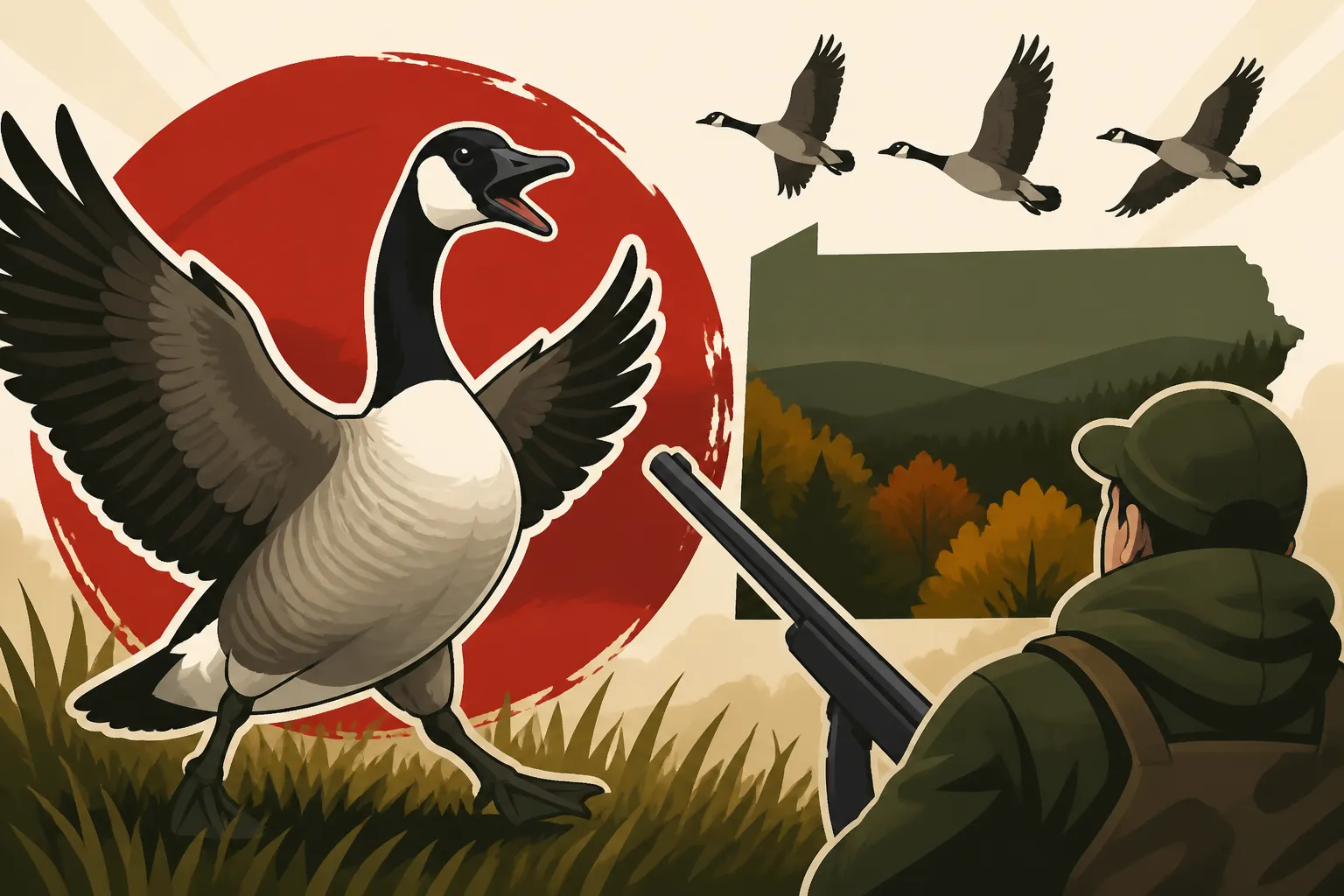
It's become a familiar sight for many of us here in Pennsylvania: flocks of Canada geese, not just passing through on their way north or south, but making themselves right at home, often year-round. What was once a seasonal treat to observe has, for many, turned into a persistent problem, impacting everything from pristine golf courses to vital agricultural fields and even our local swimming ponds. This guide dives deep into the phenomenon of resident Canada geese in our beloved Commonwealth, exploring why their populations have soared, the tangible issues they create, and the various strategies, especially the crucial role hunters play, in managing these sometimes-overabundant birds.
Understanding the Rise of Resident Canada Geese in Pennsylvania
The presence of Canada geese isn't new to Pennsylvania, but the sheer numbers and their year-round residency certainly are. For generations, we associated these magnificent birds with the changing seasons, their V-formations a classic sign of migration. However, a significant shift has occurred, leading to what we now commonly refer to as "resident geese."
Who Are These Resident Geese, Anyway?
The fundamental difference between resident and migratory Canada geese is right there in the name: residency. Migratory geese are true snowbirds of the avian world, breeding in the northern reaches of Canada and the northern United States, then traveling south to Pennsylvania and beyond for the winter. They follow ancient flyways, driven by instinct and the seasons.
Resident geese, on the other hand, are a different story. These are geese that either hatched here in Pennsylvania or in nearby states and have simply chosen not to migrate. They live, breed, and often die within a relatively small geographic area, sometimes just a few square miles. They've found everything they need right here, often in close proximity to human activity, and see no reason to undertake the arduous journey north and south. This means we're dealing with them during spring nesting, summer molting, and throughout the fall and winter, making their presence a constant factor in many communities.
Why They Thrive in Our Landscape
Our modern Pennsylvania landscape, with its mix of suburban sprawl, manicured parks, and fertile farmlands, is practically a goose paradise. It's truly a testament to their adaptability and our unintentional hospitality. Several factors contribute to their booming success:
First, an abundance of easily accessible food. Geese are primarily grazers, and what do we have in spades across Pennsylvania? Lush, green lawns. Golf courses, suburban parks, corporate campuses, and even residential yards offer an endless buffet of short, tender grass – exactly what geese prefer. Beyond that, our agricultural fields, particularly cut corn and wheat stubble after harvest, provide high-energy forage that sustains them through colder months.
Second, there's a lack of significant natural predators in many developed areas. While foxes, coyotes, and eagles might take a gosling or an unwary adult in wilder settings, the predators that would naturally keep goose populations in check are often absent or less effective in suburban and urban environments. This means higher survival rates for young geese and longer lifespans for adults.
Third, plentiful and safe water sources are everywhere. Stormwater retention ponds, lakes in housing developments, golf course water features, and public park ponds offer ideal nesting sites with minimal disturbance. The islands and secluded banks within these water bodies provide protection from ground predators, and the water itself offers an escape route from perceived threats. These are often the same places where people gather for recreation, leading to direct conflicts.
Finally, we can't ignore the historical context. Decades ago, efforts were made to reintroduce Canada geese into areas where their populations had dwindled. These programs were incredibly successful – perhaps too successful in some regions. The descendants of these reintroduced birds, coupled with those that simply stopped migrating, have created the robust resident populations we see today. It’s a classic example of an ecological success story turning into a management challenge.
The Tangible Impacts of Overabundant Resident Geese
While a few geese gracing a pond can be picturesque, large, year-round flocks of resident Canada geese bring a host of real problems. These aren't just minor inconveniences; they have significant ecological, economic, and even public health consequences for Pennsylvanians.
Agricultural Damage and Economic Strain
For farmers across the Commonwealth, geese can be far more than just a nuisance; they can represent a direct hit to their livelihood. Geese are voracious grazers, and when they descend on a field in large numbers, the damage can be substantial. They'll eat emerging corn and soybean sprouts, which necessitates replanting and increases costs. They graze on winter wheat and pasture grasses, reducing yield and quality.
Consider a farmer in Lancaster County with a field of winter wheat just starting to green up. A flock of 200 resident geese takes up residence, grazing continuously. Over a few weeks, that field's potential yield can be significantly reduced, impacting the farmer's bottom line. Beyond direct crop consumption, their droppings can foul pastures, making them unpalatable or even unhealthy for cattle and other livestock. This forces farmers to use more land or supplemental feed, adding further economic strain. For landowners, identifying patterns of damage or scouting large tracts of land might involve utilizing mapping resources, and platforms like GoHunt can offer useful layers for understanding property boundaries and terrain that might impact goose movement. Understanding these movements is critical for effective deterrence or hunting strategies.
Water Quality and Public Health Concerns
One of the most visible and concerning impacts of high goose populations is their effect on water quality. Geese are prolific poopers; a single goose can produce over a pound of droppings per day. Multiply that by hundreds of geese frequenting a small pond or section of a lake, and you've got a serious problem.
These droppings are rich in nutrients, particularly phosphorus and nitrogen. When these nutrients enter water bodies, they act as fertilizer, leading to excessive algae blooms. These blooms can turn water green, deplete oxygen when they decompose, and create an unsightly, smelly mess that makes recreational activities like swimming, fishing, and boating unpleasant or impossible. More critically, goose droppings can introduce harmful bacteria like E. coli into water. This poses a direct public health risk, especially in areas used for recreation or where children play. Local health departments often have to issue advisories or close beaches due to elevated bacterial counts, directly impacting our ability to enjoy our beautiful Pennsylvania waterways. Pennsylvania Waterfowl on the Atlantic Flyway touches on the broader migration, but it's the resident populations that contribute most directly to localized water quality issues.
Nuisance and Property Damage
Beyond farming and water quality, resident geese create a multitude of everyday nuisances and can cause significant property damage. Anyone who has walked across a park or golf course after a large flock has been through knows the feeling: you're navigating a minefield of droppings. This isn't just unpleasant; it can make surfaces slippery and lead to constant cleaning expenses for property managers.
During nesting season, typically in spring, Canada geese can become quite aggressive. Protecting their nests and goslings, they've been known to hiss, chase, and even peck at people, posing a particular threat to small children or pets. Their persistent grazing can also damage meticulously maintained landscaping, eroding banks around ponds or causing turf damage in high-traffic areas. The sheer volume of their presence can simply make an area feel less inviting and clean, diminishing the quality of life for residents and visitors alike.
Strategies for Managing Resident Goose Populations
Addressing the challenges posed by resident Canada geese requires a multi-faceted approach, combining deterrence, habitat modification, and, where necessary, direct population control. It's rarely a one-size-fits-all solution, and success often hinges on community-wide cooperation.
Non-Lethal Deterrence and Habitat Modification
The first line of defense often involves trying to make an area less appealing to geese without harming them. Hazing techniques can be effective if applied consistently. This can include using trained dogs (often Border Collies) to gently herd geese away, employing noisemakers, or even using lasers at dawn and dusk to disrupt roosting patterns. The key here is persistence; geese are smart and will quickly learn if the deterrent isn't a real threat.
Habitat modification is another powerful tool. Geese love short, manicured grass and easy access to water. By allowing a buffer strip of taller vegetation, like native grasses or shrubs, to grow along the edges of ponds and lakes, you can make the area less attractive. The taller vegetation provides less desirable food and creates a barrier that makes geese feel less secure from predators when entering and exiting the water. Fencing can also be used around sensitive areas, though it needs to be tall enough to prevent geese from flying over easily. Even simple "Don't Feed the Geese" campaigns are vital, as supplemental feeding can habituate geese to humans and dramatically increase local populations, overriding any other management efforts.
Lethal Management and Population Control
When non-lethal methods aren't enough, or when populations reach critical levels, direct intervention becomes necessary. One common technique is egg addling and nest destruction. This involves coating eggs with corn oil or shaking them early in incubation, which prevents them from hatching. The adult geese continue to incubate the non-viable eggs, preventing them from re-nesting and laying a new clutch. This method requires permits and precise timing to be effective and humane.
In extreme cases, controlled culls may be authorized by wildlife agencies, often targeting specific problematic flocks in sensitive areas. These are highly regulated and typically a last resort. However, by far the most widespread and effective form of lethal management is regulated hunting. Hunting plays a critical role in controlling resident goose numbers, especially when managed effectively through specific seasons and generous bag limits. If you're considering management options beyond personal hunting, a platform like GoHunt can also be a valuable resource for finding detailed regulatory information and understanding permit requirements specific to your area, ensuring you stay compliant with all local wildlife laws.
Local Regulations and Community Involvement
Effective goose management often requires a coordinated effort. Individual landowners, municipalities, homeowner associations, and even corporations need to work together. Understanding local regulations and permitting processes is crucial before undertaking any management actions. For instance, egg addling or nest destruction typically requires a federal permit, even on private land.
Municipalities might implement specific ordinances to prohibit feeding or manage public spaces to deter geese. Community involvement, through education and coordinated volunteer efforts, can significantly amplify the impact of management strategies. A unified approach across a larger geographical area is far more effective than isolated efforts, as geese can simply move from a managed area to an unmanaged one nearby.
The Hunter's Critical Role in Mitigating Goose Problems
For those of us who hunt waterfowl, resident Canada geese present a unique opportunity to directly contribute to wildlife management while enjoying a thrilling pursuit. Hunters are a key component of population control, stepping up where non-lethal methods fall short.
Hunting Seasons, Bag Limits, and Opportunities
Pennsylvania offers generous hunting seasons and bag limits for resident Canada geese, specifically because of their overpopulation and the problems they cause. Unlike migratory geese, which often have more restricted seasons, resident geese are frequently targeted in a special early resident goose season, typically in September. This season is specifically designed to allow hunters to target these local birds before the main migratory flocks arrive, minimizing impact on the less abundant migratory populations.
These early seasons often have high daily bag limits, sometimes significantly more than what's allowed during the regular waterfowl season. This reflects the wildlife agency's objective to reduce resident goose numbers. Beyond the early season, resident geese can also be hunted during the general waterfowl seasons. Opportunities abound in agricultural fields, especially cut corn and wheat stubble, where geese feed heavily. Goose Hunting Pennsylvania Fields provides invaluable tactics for these situations. You'll also find them on various waterways. For specific dates and limits, always consult the official Pennsylvania Waterfowl Seasons and Zones publications. Don't forget, a Pennsylvania Migratory Game Bird Licence and federal duck stamp are required, along with being HIP-registered, as detailed in Pennsylvania HIP Registration for Migratory Birds. Hunters are truly doing a service by participating in these seasons.
Accessing Hunting Areas and Ethical Practices
Finding places to hunt resident geese often means focusing on the areas where they cause the most problems: private agricultural land and specific public waterfowl areas. Getting permission on private land is paramount. Farmers, golf course superintendents, and private landowners who are experiencing goose damage are often very receptive to ethical hunters who can help alleviate their problems. A polite, respectful approach, clearly stating your intent to help manage geese, can open many doors. Hunting Pennsylvania Farm Country Edges offers tips on connecting with landowners.
When you're trying to find new spots, especially on larger tracts of public or private land, tools found on platforms like GoHunt can be incredibly helpful for mapping out potential flight paths, identifying water sources, or understanding land ownership boundaries for permission. This allows hunters to target problem areas efficiently.
For those relying on public lands, numerous State Game Lands and designated waterfowl management areas offer opportunities. Areas near large rivers, lakes, and reservoirs, mentioned in Waterfowl Hunting on Pennsylvania Waters, are often prime spots. However, public land can be busy, so scouting is key to finding less pressured areas.
Regardless of where you hunt, ethical hunting practices are non-negotiable. This means clean, humane shots, diligent retrieval of all downed birds, and strict adherence to all regulations regarding safety zones, bag limits, and shooting hours. It's not just about harvesting birds; it's about responsible hunting that reflects positively on the entire hunting community.
Gear and Tactics for Successful Resident Goose Hunting
To be an effective goose hunter, a bit of preparation and the right gear go a long way. Resident geese, especially those in more urbanized areas, can become quite habituated to human presence, but they're still sharp.
Decoys are essential. Full-body goose decoys, shells, or even silhouettes placed strategically in feeding fields can draw geese in close. Varying your spread and having a mix of feeding and sentinel poses can make your setup look more natural. Blinds are equally important, especially when hunting in open fields. Layout blinds are a favorite for field hunting, allowing you to conceal yourself completely within the decoy spread. Layout Blinds for Pennsylvania Cut Corn covers this in detail. Natural cover, if available, can also be utilized effectively.
You'll need a reliable shotgun (10 or 12 gauge are popular) and nontoxic shot, which is legally required for all waterfowl hunting. Choose a shot size appropriate for geese, usually BB or larger, to ensure clean kills. Don't forget your calls; a good goose call can be the difference between a distant flock passing by and them committing to your spread. Waterfowl Loads for Pennsylvania Ducks gives insight into shot considerations.
Finally, understanding goose behavior and flight patterns is paramount. Geese often follow predictable patterns from roosting areas to feeding grounds. Scouting before a hunt day, observing their movements and preferred landing zones, can significantly increase your success. Reading Roost-to-Field Flight Lines provides excellent advice on this. Using tools for scouting and mapping, sometimes found on platforms like GoHunt, can further enhance your ability to predict these movements and plan your setup accordingly. By embracing the role of a responsible hunter, you become an integral part of the solution to Pennsylvania's resident goose challenges.
| Characteristic | Resident Canada Geese | Migratory Canada Geese |
|---|---|---|
| Presence | Year-round in PA, breeds here | Seasonal (spring/fall), breeds north of PA |
| Population Trend | Generally increasing or stable, locally abundant | Stable or fluctuating, dependent on northern breeding grounds |
| Habitat Use | Urban parks, golf courses, farms, suburban ponds, local waterways | Larger wetlands, agricultural fields, traditional staging areas, follow Atlantic Flyway |
| Behavior | Often habituated to human activity, less wary of people | Typically more wary of human presence, follow traditional routes |
| Primary Problems | Agricultural damage, water pollution, property nuisance | Less direct impact on specific local problems, but contribute to overall population |
| Hunting Season | Special early season (e.g., September), generous general season limits | General waterfowl season, often more restrictive daily bag limits |
Disclaimer
This article is for general informational purposes only and does not constitute professional advice. Laws, prices and regulations vary by location and change over time. Consult a qualified professional for guidance on your specific situation.