Safety Harnesses and Lifelines
For many of us, the thrill of hunting from a treestand in Pennsylvania's diverse landscapes is unmatched. However, this vertical advantage comes with a serious, often underestimated risk: falling. This guide isn't about scaring you, but about equipping you with the vital knowledge to make every climb and sit safer by truly understanding and properly utilizing safety harnesses and lifelines.
The Critical Need for Fall Protection
It's easy to get complacent when you've been doing something for years. We've all seen, or perhaps even been guilty of, a quick hop into a stand without fully securing ourselves. But the cold, hard truth is that falls from treestands are one of the leading causes of serious injury and fatalities among hunters. Pennsylvania's woods, with their slippery leaves, icy branches, and often steep terrain, only add to the danger.
Understanding the Risks of Treestand Hunting
Think about a typical morning hunt. You're waking up before dawn, probably a little groggy, carrying gear, and navigating through the dark woods. You arrive at your stand, possibly cold, perhaps rushing to get set up before legal shooting light. All these factors – fatigue, low light, cold hands, slippery conditions – dramatically increase the chance of a misstep. It’s not just the fall itself, but what you might hit on the way down, or how long you might be incapacitated before help arrives, especially if you're hunting alone in remote areas. A broken bone is bad enough, but a head injury or internal trauma could be life-threatening. The risk isn't hypothetical; it's a stark reality many hunters have faced, often with life-altering consequences. This is why having proper safety gear isn't optional; it's absolutely non-negotiable.
The "Why" Behind Every Hunt
Ultimately, we hunt for many reasons: the connection to nature, the challenge, the venison for the freezer, and the camaraderie. But none of these reasons are worth a serious injury or worse. Every time you leave for a hunt, someone is expecting you to come home. Your family, your friends – they count on it. The "why" behind using a safety harness and lifeline isn't just about preserving your life, it's about preserving your quality of life, and ensuring you can continue to enjoy the outdoors for years to come. It’s about being responsible not just to yourself, but to those who care about you. It's an investment in your future hunts, your family, and your well-being. Think about what your family would go through if you didn't come home from that hunt in the Pennsylvania's Two-Week Firearms Deer Season or Bowhunting Pennsylvania's October Archery Season. That sobering thought alone should be enough to make you commit to using your safety gear every single time you leave the ground.
Deciphering Safety Harnesses: Types and Features
When you start looking at safety harnesses, it might seem like a lot of different straps and buckles, but they all serve a crucial purpose: distributing the force of a fall and keeping you upright. Gone are the days of simple waist belts that could do more harm than good; modern harnesses are designed for maximum safety and comfort.
Full-Body Harnesses: Your Primary Defense
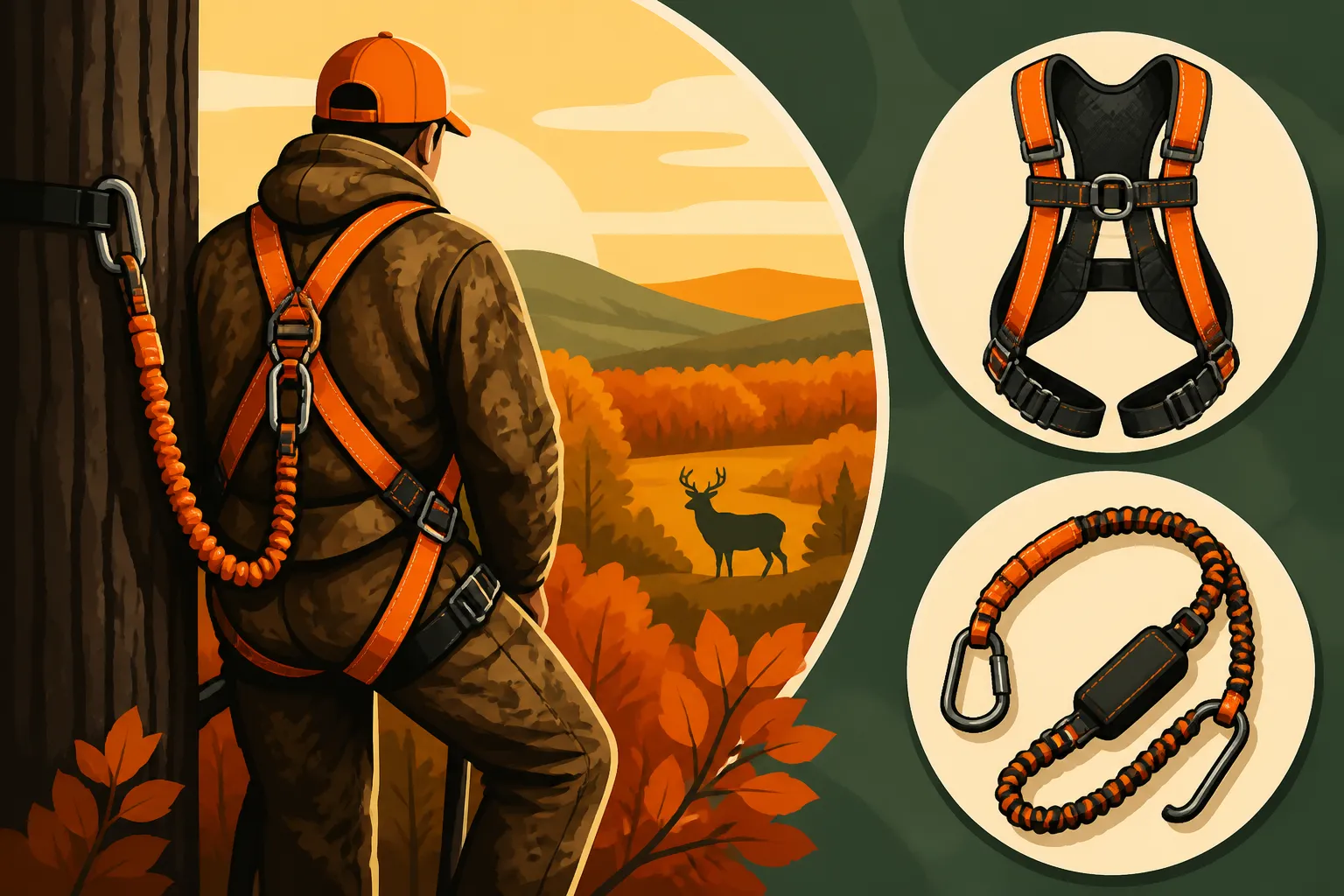
A full-body harness is exactly what it sounds like: a system of straps that encircle your upper torso, shoulders, and legs. This design is critical because it distributes the impact of a fall across multiple points of your body, rather than concentrating it in one area. If you were to fall while wearing only a waist belt, the force could severely injure your internal organs, spine, or pelvis. A full-body harness aims to keep you in an upright position, preventing head trauma and minimizing the risk of "suspension trauma," which we'll discuss shortly. They typically feature a strap that runs up your back to connect to your treestand or lifeline, often with a quick-connect system. Many modern harnesses are lightweight and designed to be worn over or under your hunting clothing without impeding your movement, which is a common concern among hunters. For those long, cold sits during Hunting the Pennsylvania Rut in November, comfort is key to staying focused, and a well-designed harness should allow for that.
Essential Harness Features to Look For
When choosing a safety harness, several features stand out as essential for both safety and usability:
- Comfort and Fit: This is paramount. A harness that's uncomfortable will be a harness you don't wear, or wear improperly. Look for adjustable straps that allow for a snug, yet not restrictive, fit over your hunting clothes. Padded shoulder straps and leg loops can make a huge difference, especially during prolonged sits.
- Lightweight Design: You're already carrying enough gear. A harness that adds unnecessary bulk or weight will be a deterrent. Modern materials make harnesses surprisingly light and packable.
- Quick-Connect Buckles: Fumbling with buckles in the dark with cold fingers is a recipe for frustration. Look for buckles that are easy to operate, even with gloves on, and provide a secure connection.
- Suspension Relief Strap: This is a small, but incredibly important, deployable strap that allows you to stand or push off with your feet if you fall. It alleviates pressure on your femorals and groin area, preventing suspension trauma. Make sure the harness you choose has one, and that you know how to deploy it quickly.
- Durable Materials: Your harness needs to withstand the elements and the rigors of hunting. Look for high-strength webbing and corrosion-resistant hardware. While I can't recommend specific brands by name, many reputable outdoor gear companies focus on these qualities. Checking reviews on sites like GoHunt for durability feedback can be really helpful.
- Padded or Integrated Storage: Some harnesses come with small pouches or pockets for carrying essential items like your phone, a knife, or a small flashlight, adding convenience without bulk.
- Ease of Adjustment: You'll likely wear different layers throughout the season. A harness that's easy to adjust on the fly is a big plus.
| Feature | Why It Matters | Consideration for PA Hunters |
|---|---|---|
| Full-Body Design | Distributes fall impact, keeps you upright. | Essential for preventing serious injury in any fall. |
| Suspension Relief Strap | Prevents circulation cut-off if suspended. | Crucial for extended hang times, especially when hunting alone. |
| Easy-to-Use Buckles | Quick, secure connection, even with gloves. | Important in cold, dark conditions common in PA. |
| Comfortable Fit | Ensures you'll actually wear it throughout the hunt. | Allows for long sits in a treestand without distraction. |
| Durable Materials | Withstands weather, wear, and tear. | Longevity and reliability in varied PA environments. |
| Quiet Operation | Minimizes noise when moving or adjusting. | Prevents spooking deer when Rattling and Grunting in Pennsylvania or making small movements. |
Lifelines and Suspension Relief: Completing the System
A safety harness is only half of the equation. Without a reliable way to connect it to the tree from the moment you leave the ground until you are safely back on it, you still have critical unprotected moments. That's where lifelines come in.
The Role of a Continuous Lifeline
A continuous lifeline is a rope or strap that extends from the base of the tree all the way up to your treestand platform. You attach your harness to a Prusik knot (or similar knot/device) on this lifeline before you even start climbing. As you ascend using Climbing Sticks for Pennsylvania Hardwoods or a climbing stand, the Prusik knot slides up with you. If you slip or fall at any point during the climb or descent, the knot cinches down, instantly catching you. This eliminates the vulnerable moments when you're transitioning from climbing aid to stand, or vice-versa, which are often when falls occur. Without a lifeline, you'd be exposed during these critical phases. Many lifelines come with a heavy-duty carabiner for easy attachment to your harness. Some systems, like those you might find on GoHunt, also integrate reflective markers to make them easier to locate in the pre-dawn darkness. Investing in a quality lifeline for every stand you hunt from, whether it's a fixed stand you’ve had for years or a quick hang-and-hunt setup for Hunting Oak Ridges and Benches, is truly a lifesaving decision.
Suspension Trauma and How to Prevent It
This is a really important, but often overlooked, aspect of treestand safety. If you fall while wearing a harness and become suspended, your legs will hang down, and the harness straps can cut off circulation to your lower extremities. This restricted blood flow, combined with gravity pulling blood into your legs, can lead to what's known as suspension trauma (also called orthostatic intolerance or harness hang syndrome). Symptoms can include lightheadedness, dizziness, nausea, loss of consciousness, and in severe cases, even death. It can happen surprisingly quickly, sometimes within 15-30 minutes.
This is precisely why a suspension relief strap or a footrest system is so crucial. If you fall, immediately deploy your suspension relief strap and stand up in it, even if it's just to take pressure off your legs for a moment. Wiggle your toes and legs, and try to move as much as possible to maintain circulation. If you're using a climbing stand, sometimes you can use the lower platform as a footrest. The goal is to avoid hanging motionless for any extended period. Always carry a cell phone (in a waterproof bag!) and an emergency signal device, especially when hunting in remote areas where cell service is spotty. It's also a good idea to let someone know exactly where you're hunting and when you expect to be back, so they know if something is wrong. For solo hunters venturing deep into Hunting Pennsylvania's Big Woods for Deer, this preventative planning is even more critical.
Proper Usage and Maintenance for Lifesaving Gear
Having the best safety harness and lifeline means nothing if you don't use them correctly or if they're not in good working order. Proper protocol and regular inspections are just as vital as the gear itself.
Installation and Attachment Best Practices
First and foremost, read the manufacturer's instructions for your specific harness and lifeline system. They often have nuances that are important for optimal safety.
- Harness Donning: Always put on your harness before you leave the ground. Double-check that all buckles are securely fastened and adjusted for a snug fit. You don't want any slack that could allow a hard jolt in a fall.
- Lifeline Installation: When installing your lifeline, ensure it's securely anchored to the base of the tree and extends all the way to your treestand platform. The Prusik knot should be attached to your harness's tether loop and slide freely up and down the main lifeline rope, but cinch tightly if put under pressure. Make sure the carabiner or attachment mechanism is locked.
- Treestand Attachment: Once you're on your stand platform, disconnect the Prusik knot from the main lifeline, but immediately attach your short tether from your harness to the tree itself, around the trunk above your head. This ensures you're always connected. The tether should be short enough that if you were to fall, you wouldn't hit the stand platform, but long enough to allow comfortable movement. Remember, for rules on Treestand Rules on Pennsylvania Public Land, you need to ensure any methods of attachment are non-damaging to the tree.
- Practice Makes Perfect: Practice donning your harness, attaching to the lifeline, and even deploying your suspension relief strap at ground level. This way, if an emergency happens, muscle memory takes over. Do this before your first hunt of the season, and certainly before going out for Hunting the Pre-Rut in Late October when adrenaline might be high.
Inspecting and Caring for Your Equipment
Your safety gear is literally what stands between you and a potentially catastrophic fall. Treat it with the respect it deserves through regular inspection and proper care.
- Pre-Season Inspection: Before the hunting season even begins, pull out all your harnesses and lifelines. Look for any signs of wear and tear: frayed webbing, cut straps, rust or corrosion on metal hardware, cracked plastic buckles, or stretched elastic. Check stitching for loosening or breakage. If anything looks compromised, replace it immediately. It's cheap insurance compared to the alternative.
- Pre-Hunt Inspection: Before each use, give your harness and lifeline a quick visual once-over. Are the ropes still good? Are the buckles working? Is there any animal damage (squirrels love to chew on ropes!)? This quick check only takes a minute but can save your life.
- Cleaning and Storage: If your gear gets wet or dirty, clean it according to the manufacturer's instructions, typically with mild soap and water, and allow it to air dry completely before storing. Never use harsh chemicals, as they can degrade the webbing. Store your harness and lifeline in a cool, dry place, away from direct sunlight, pests, and any chemicals. Leaving it out in the shed or garage where rodents might get to it, or where it's exposed to extreme temperatures, will drastically shorten its lifespan.
- Lifespan: Safety equipment often has a recommended lifespan, even if it looks fine. Check your manufacturer's guidelines for when to retire a harness or lifeline. Materials degrade over time, even with proper care. It’s better to replace gear preemptively than to find out it failed when you needed it most. Many safety gear manufacturers, and even hunting resource sites like GoHunt, provide information on typical product lifespans.
Using safety harnesses and lifelines isn't just a suggestion; it's a fundamental responsibility for every treestand hunter. By understanding the risks, choosing the right gear, and maintaining it diligently, you ensure that your passion for White-Tailed Deer Across Pennsylvania can be enjoyed safely, year after year.
Disclaimer
This article is for general informational purposes only and does not constitute professional advice. Laws, prices and regulations vary by location and change over time. Consult a qualified professional for guidance on your specific situation.