Blind Bags and Cold-Weather Gear
There's nothing quite like the crisp air of a Pennsylvania autumn morning, but that pleasant chill can quickly turn into a bone-numbing cold, especially when you're static in a duck blind or hunkered down on a late-season deer stand. Many hunters have experienced the misery of a hunt cut short because they couldn't stay warm and dry, leading to shivering teeth and a premature hike back to the truck. This guide is dedicated to ensuring those experiences are a thing of the past, offering a deep dive into selecting the right blind bags and essential cold-weather gear to keep you comfortable, focused, and effective, no matter what Mother Nature throws your way in the Pennsylvania woods or on her waterways.
The Critical Role of a Quality Blind Bag
A blind bag isn't just a carry-all; it's a mobile command center for your hunt. Especially in Pennsylvania's often damp and unpredictable weather, the difference between a successful, comfortable outing and a frustrating ordeal can often come down to how well your essentials are protected and organized. Think of it as your portable home base, keeping everything you need within arm's reach and away from the elements.
Keeping Essentials Dry and Organized
Imagine sitting in a marshy area near the Susquehanna River, the fog thick and the dew heavy on everything. Or maybe you're tucked into a ground blind on the edge of a cut cornfield during a drizzly late-season goose hunt. In these situations, your gear needs to be more than just contained; it needs to be actively protected. A quality blind bag will feature robust, waterproof or highly water-resistant materials, often with sealed zippers or storm flaps to prevent moisture ingress. This isn't just about protecting your lunch; it's about safeguarding critical items like your phone, wallet, hunting license, and any electronic calls you might be carrying.
Internal compartments are equally vital. It's frustrating to fumble around in a single, cavernous bag for a specific shotgun shell load when a flock of ducks is banking. Look for bags with multiple pockets, dividers, and even specialized pouches. Dedicated shell loops keep your ammunition readily accessible and organized by gauge or load type. Pockets for thermos bottles, a small first-aid kit, and even a padded compartment for optics or a rangefinder can make all the difference. Organization reduces noise, prevents scrambling, and keeps you focused on the hunt rather than rummaging. For hunters who rely on detailed planning, using a platform like GoHunt can help you scout specific locations, informing what kind of weather protection your blind bag might need.
Portability and Durability in the Field
Pennsylvania hunting often involves navigating challenging terrain. From muddy trails on State Game Lands to rocky creek bottoms, your gear needs to withstand abuse. A blind bag should be constructed with heavy-duty fabrics that resist tears and abrasions. Reinforced stitching at stress points, like where straps attach, is a must. Hard bottoms or reinforced bases can keep the bag upright in wet conditions and protect contents from sharp debris on the ground.
The way you carry your bag is also crucial. Some prefer a traditional shoulder strap, which can be convenient for shorter treks to a static blind. However, for longer hauls, especially if you're carrying decoys or other heavy equipment, a blind bag with backpack-style straps or a padded back panel can be a game-changer. This distributes weight more evenly and frees up your hands for firearms or other gear. For those Duck Hunting Pennsylvania Rivers or other waterways, the ability to quickly secure the bag in a boat or kayak, or even have it float if accidentally dropped, can be incredibly valuable. Durability also extends to hardware—robust zippers that won't seize up with mud or ice, and sturdy buckles that won't snap under stress. When you're assessing gear online, consider checking forums or reviews on platforms like GoHunt for real-world user experiences on durability in challenging environments.
Layering for Pennsylvania's Unpredictable Cold
Pennsylvania weather is famously fickle. A morning that starts below freezing can warm up significantly by midday, only to plummet again as the sun sets. The key to staying comfortable through these fluctuations isn't one heavy coat, but rather a versatile system of layers that can be added or removed as conditions change. This strategy prevents overheating and subsequent chilling, which can be a hunter's worst enemy.
Understanding Base, Mid, and Outer Layers
Think of your clothing system as a series of specialized defenses, each with a distinct job.
- Base Layer (The Wicker): This is the layer directly against your skin. Its primary function is to wick moisture (sweat) away from your body. When sweat stays on your skin, it cools rapidly, leading to hypothermia even in moderate cold. Materials like merino wool or synthetic blends excel here. Merino wool offers natural odor resistance and warmth even when damp, while synthetics are often quicker drying. Avoid cotton at all costs; it absorbs moisture and holds it against your skin, making you cold. For detailed choices, you might find our guide on Base Layers for a Pennsylvania December helpful.
- Mid Layer (The Insulator): This layer's job is to trap air, providing insulation and warmth. Fleece, down, or synthetic puff jackets are common choices. The thickness of your mid-layer will depend on the expected temperatures and your activity level. If you're Still-Hunting Pennsylvania Big Woods, you might need less insulation than if you're waiting in a Treestand Setups in Pennsylvania Hardwoods for hours. Having multiple mid-layers of varying thicknesses allows for fine-tuning your warmth.
- Outer Layer (The Protector): This is your shield against the elements. Its main role is to protect you from wind, rain, and snow while ideally allowing some breathability to prevent internal moisture buildup.
The Importance of Waterproof and Windproof Outerwear
Pennsylvania's climate demands a serious outer layer. You can have the warmest mid-layers, but if a biting wind slices through them or a steady rain soaks you to the bone, you'll still be miserable. Look for outerwear that features high-performance waterproof and windproof membranes, which are often breathable to allow moisture vapor (sweat) to escape. While some truly waterproof materials might sacrifice a bit of breathability, the protection they offer from a downpour or persistent sleet is invaluable.
The cut and fit of your outerwear are also important. It should be roomy enough to accommodate your base and mid-layers without restricting your movement, especially when raising a firearm or drawing a bow. Articulated knees and elbows can greatly enhance comfort and mobility. Silent fabrics are crucial for hunting, especially for deer and bear, as crunchy or swishy material can give you away. While Wool Versus Synthetics in Wet Cold delves into material specifics, for an outer layer, synthetics with advanced membrane technology often provide the best combination of weather protection and durability for Pennsylvania's diverse hunting conditions.
Essential Cold-Weather Accessories for Hunters
Beyond your core clothing layers, a handful of specific accessories can dramatically boost your comfort and endurance in cold Pennsylvania weather. These are the small but mighty heroes that often get overlooked until you desperately need them.
Head, Hands, and Feet Protection
Heat loss from your head can be substantial, so a good insulated hat or balaclava is non-negotiable. For static sits, a thicker, windproof beanie is excellent. If you're moving, a lighter fleece cap might suffice, with a balaclava ready to pull up over your face as the temperature drops or the wind picks up. Face masks are vital for protecting exposed skin from frostbite and for scent control.
Your hands are critical for handling gear and firearms, but they're also highly susceptible to cold. A multi-glove system often works best: thin, form-fitting shooting gloves for dexterity, and larger, insulated mittens or heavy gloves to wear over them for warmth when not actively shooting. Many hunters also use hand muffs, often with a chemical hand warmer inside, for quick access to warmth.
Cold feet can ruin any hunt. Layering socks is key—a thin liner sock to wick moisture, and a thicker wool or synthetic sock for insulation. Ensure your boots are adequately sized to accommodate these layers without being too tight, which can restrict circulation. For truly wet environments, like Waders for River Duck Hunting, ensuring your waders are well-insulated and paired with proper socks is paramount. For general woods hunting, selecting the right pair of Insulated Boots for All-Day Sits can make a huge difference in comfort and warmth during those long hours on stand or tracking through snow.
Hand and Body Warmers
These little packets of warmth can be a lifeline. Chemical hand warmers, foot warmers, and body warmers provide hours of gentle heat and are an absolute must-have for cold-weather hunting. Tuck them into pockets, gloves, or even against core body areas inside your mid-layers. Beyond the disposable kind, reusable warmers or even small, propane-powered catalytic heaters (used cautiously and with proper ventilation in enclosed blinds) can provide additional comfort. Remember, warmth helps maintain focus and patience, which are crucial for success in the field.
Thermoses and Hot Food
The power of a hot beverage or a warm meal on a frigid day cannot be overstated. A good quality insulated thermos, filled with hot coffee, tea, cocoa, or soup, provides both internal warmth and a much-needed morale boost. Sometimes, just the act of holding a warm cup can make you feel more comfortable. Packing a warm lunch, perhaps chili or stew in an insulated food container, can re-energize your body and fight off the chill far more effectively than cold sandwiches. These aren't just luxuries; they're essential tools for maintaining core body temperature and keeping spirits high during challenging conditions, especially when Hunting the Second Week of Rifle Season or Flintlock Hunting in Pennsylvania Snow.
Integrating Gear for Specific Pennsylvania Hunts
The specific gear you choose will often depend heavily on the type of hunting you're doing and the typical conditions associated with that season in Pennsylvania. What works for a stationary waterfowl hunt might be overkill or impractical for a mobile deer drive.
Waterfowl Hunting Considerations
Waterfowl hunting in Pennsylvania often means being exposed to the harshest conditions: cold water, biting winds, and often rain or snow. Your gear must prioritize waterproofness and insulation above almost everything else.
Your blind bag for waterfowl should be designed with the specific challenges of waterfowling in mind. Look for bags made from tough, completely waterproof materials that can withstand being set in a puddle or having gear retrieved from a boat. Dedicated shell loops, external pockets for calls, and an easy-access main compartment are all key. Some bags even have hard, molded bottoms that help them stand upright in muck and offer extra protection from sharp objects. For those hunting marshes or rivers, having a bag that can easily attach to a decoy sled or be secured in a boat is a major plus. Platforms like GoHunt can help you scout potential waterfowl spots, allowing you to anticipate the specific gear needs for those unique terrains.
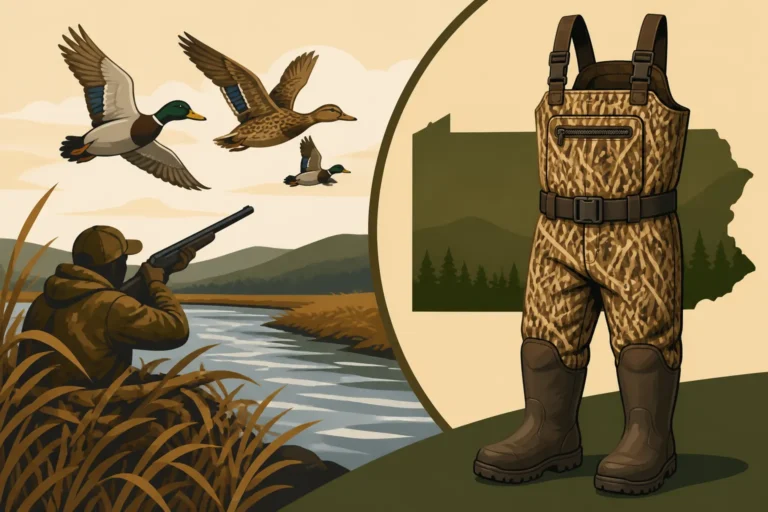
Layering for waterfowl usually leans towards heavier insulation, especially for static blind sits. Insulated waders are a must, providing protection from cold water and acting as a lower body insulating layer. Your outer shell needs to be completely waterproof and windproof, often in camouflage patterns suited for your environment, whether that's a flooded timber pattern for Duck Hunting the Susquehanna River or a field pattern for Goose Hunting Pennsylvania Fields. Don't forget waterproof gloves or mittens that allow you to operate your firearm while keeping hands warm. For setups like Layout Blinds for Pennsylvania Cut Corn, you'll want gear that packs down easily and offers maximum concealment without sacrificing warmth or dryness.
Late-Season Deer and Bear Hunting
Late-season deer and bear hunting in Pennsylvania can present some of the coldest and most challenging conditions, often involving snow and single-digit temperatures. The focus shifts slightly from waterfowl hunting; while waterproofness is still crucial, silent fabrics and strategic layering for variable activity levels become paramount.
For late-season deer and bear, your blind bag might be more of a pack, designed for mobility and quiet access. You'll need enough space to carry extra layers that you might shed during a walk to your stand and then put back on once you're stationary. Silent zippers and fabrics are essential to avoid spooking game. Items like a thermos, extra gloves, and hand warmers will be key. Our article on Packs for a Day on Game Lands offers more insight into selecting the right carry system.
When it comes to clothing, the ability to regulate your temperature is critical. You might be hiking uphill to your stand in the dark, generating a lot of body heat, only to sit completely still for hours. Effective layering, as discussed earlier, allows you to vent heat while moving and add insulation when stationary. Wool outer layers are highly favored for their warmth, quietness, and ability to still insulate when wet. A high-quality insulated jacket and pants, again, with silent, often brushed, fabrics are vital. For extended sits, especially if you're targeting Late-Season Food Sources for Whitetails, you might even consider insulated leg gaiters or a large "sleeping bag" style cover to pull over your lower body once on stand, providing an incredible boost in warmth. Don't underestimate the need for robust footwear, as detailed in Insulated Boots for All-Day Sits, especially when trudging through snow or frozen ground. Our guide on Cold Weather Sitting Strategy offers more advice on how to endure those long, frigid hunts.
| Gear Category | Primary Function | Key Features for PA Hunting | Common Materials / Considerations |
|---|---|---|---|
| Blind Bag | Organize & Protect Gear | Waterproof/resistant, multiple compartments, durable zippers, various carry options | Heavy-duty synthetic fabrics (e.g., Cordura, nylon), reinforced bottoms, padded straps |
| Base Layers | Wick Moisture | Snug fit, quick-drying | Merino wool, synthetic blends (polyester, polypropylene). Avoid cotton. |
| Mid Layers | Insulate / Trap Heat | Varying thickness, quiet fabric, compressible | Fleece (polyester), synthetic insulation (e.g., PrimaLoft), down. |
| Outer Layers | Protect from Elements | Waterproof, windproof, breathable, quiet, durable | Laminated fabrics (e.g., GORE-TEX, eVent), DWR finish, brushed fabrics. |
| Headwear | Retain Heat | Insulated, windproof, ear coverage, face protection (balaclava) | Fleece, wool, synthetic blends, often with membrane for wind. |
| Gloves/Mittens | Hand Warmth & Dexterity | Layered system (liner, shooting, insulated), waterproof | Fleece, wool, synthetic insulation, waterproof membranes, leather palms. |
| Socks | Foot Warmth & Moisture Mgt. | Wicking liner + insulated outer, proper fit | Merino wool, synthetic blends. |
| Boots / Waders | Foot Protection & Warmth | Insulated, waterproof, good traction, comfortable fit | Rubber, leather, synthetic uppers; Thinsulate or similar insulation; neoprene waders. |
| Warmers | Supplemental Heat | Long-lasting, safe | Chemical packets (air-activated), catalytic heaters (with caution). |
| Thermos | Hot Drinks/Food | Vacuum-insulated, durable | Stainless steel. |
Disclaimer
This article is for general informational purposes only and does not constitute professional advice. Laws, prices and regulations vary by location and change over time. Consult a qualified professional for guidance on your specific situation.