Hunting the Pre-Rut in Late October
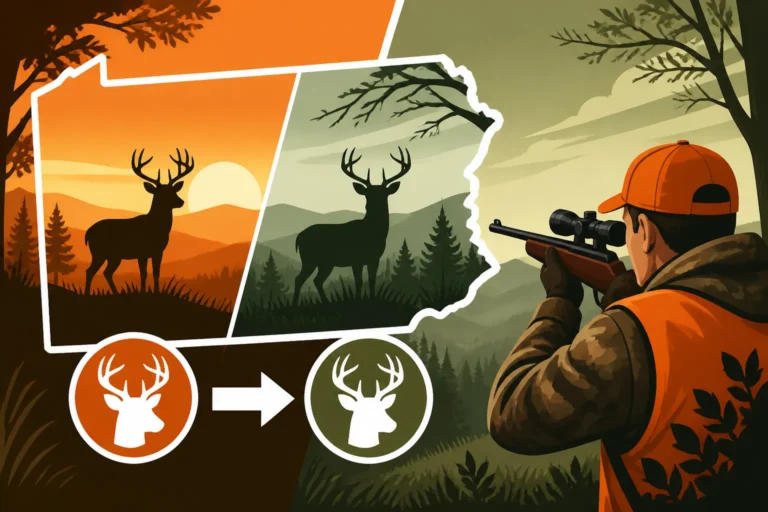
Late October in Pennsylvania can be a frustrating time for deer hunters. The initial excitement of early archery season has often worn off, and the full-blown chaos of the November rut hasn't quite kicked in. It feels like deer have gone into hiding, leaving many of us scratching our heads and wondering if we've missed our window. But fear not, this quiet period, known as the "pre-rut," is actually a golden opportunity if you know how to read the signs and adjust your tactics. This guide will walk you through unlocking the secrets of hunting the pre-rut in late October, helping you understand deer behavior, find active bucks, and implement strategies that work.
Understanding the Pre-Rut Period in Pennsylvania
The pre-rut is that magical, often overlooked phase that bridges the gap between early season patterns and the peak of breeding. It's a time of transition where buck behavior shifts dramatically, becoming more aggressive and focused on finding does, even if those does aren't quite ready to breed yet. Missing these subtle cues can mean missing out on some of the best hunting opportunities of the entire year.
When Bucks Start to Roam
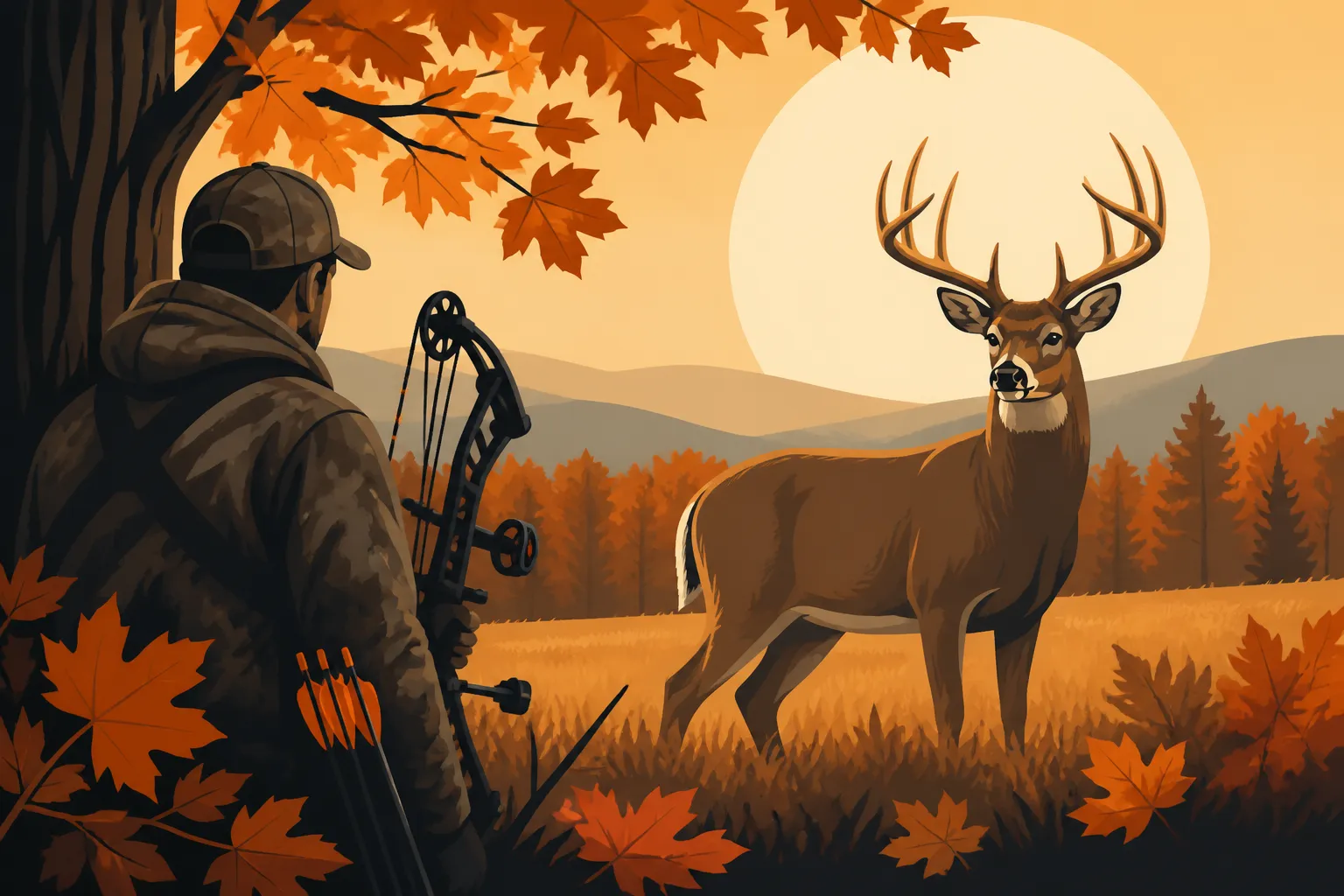
As late October progresses, daylight hours continue to shorten, and the testosterone levels in mature bucks surge. This isn't the full-on, nose-to-the-ground pursuit you see in mid-November, but rather a ramp-up in activity. Bucks that were mostly nocturnal during the early archery season, sticking to predictable food sources and bedding areas, start to throw caution to the wind. They're becoming bolder, covering more ground during daylight, and checking known doe bedding and feeding areas with increasing frequency. It's like the deer equivalent of teenagers getting their first driver's license – they're feeling their oats and eager to explore, even if they're not quite sure where they're going yet. For those of us who spend hours in a treestand, this means the chances of seeing a mature buck moving outside of primetime vastly increase.
Behavioral Shifts Leading to the Peak Rut
During the pre-rut, bucks aren't just roaming more; their entire demeanor changes. They become more confrontational with other bucks, leading to sparring matches and, occasionally, serious fights. This increase in aggression is directly tied to the rising testosterone and the impending breeding season. You'll notice a significant uptick in rubs – fresh ones, mind you – on saplings and small trees. These aren't just for shedding velvet anymore; they're signposts, scent markers, and a way for bucks to vent their pent-up energy and assert dominance. Similarly, scrape activity explodes. Bucks will paw the ground, urinate over their tarsal glands into the scrape, and often work an overhead licking branch, leaving behind a potent calling card for other deer. Understanding that this behavior is about competition and communication, rather than just random acts, helps us pinpoint where the action is happening. This period is a prelude to the intense action of Hunting the Peak Rut Week in Pennsylvania, offering a unique challenge where strategy trumps sheer luck.
Key Deer Sign and Locating Bucks During the Pre-Rut
Finding pre-rut bucks isn't about sitting over a food plot and hoping. It's about being a detective, reading the landscape, and interpreting the signs deer leave behind. Late October is when those signs become screaming billboards, if you know what to look for. Your scouting efforts from before the season, perhaps using tools like those offered by GoHunt to analyze terrain and potential travel corridors, really pay off now.
Interpreting Rub Lines and Scrape Lines
Forget about old, dried-up rubs from September. During the pre-rut, you're looking for fresh sign. Rubs will have sap still oozing, bark scraped clean, and sometimes even fresh hair caught in the shredded wood. These active rub lines often run parallel to travel corridors, along ridge lines, or leading to and from bedding areas. They're essentially buck highways, marked by their presence. Following a fresh rub line can often lead you directly to a buck's core area or a key funnel he uses.
Scrapes are even more telling. A truly active scrape will be pawed clear of leaves, often damp from urine, and the licking branch above it will be frayed and torn. Bucks will visit these scrapes repeatedly, especially at night, but during the pre-rut, they're increasingly bold and might hit them in daylight. Look for these scrapes on field edges, along logging roads, or in strategic spots where deer traffic naturally funnels. A string of active scrapes, known as a scrape line, can be an absolute goldmine. If you find one along a Scrape Lines Along a Logging Road, you've likely found a buck's cruising route.
Finding Pre-Rut Bucks in Key Habitats
Bucks during the pre-rut are expanding their range, but they’re not just wandering aimlessly. They're systematically checking doe heavy areas, transitioning between bedding and feeding, and utilizing specific terrain features that offer security and efficiency.
- Ridges and Benches: Pennsylvania's topography, with its endless ridges and benches, becomes particularly important. Bucks will often travel just off the top of a ridge, using benches as natural highways. These areas offer good visibility, scent-checking opportunities, and cover. Learning to read these subtle elevation changes can be a game-changer. For a deeper dive into this, check out Hunting Oak Ridges and Benches.
- Hollows and Drainages: These natural funnels often connect different parts of a deer's world – bedding areas on high ground to food sources in valleys. Bucks will use these sheltered pathways to move discreetly. Learning Reading a Pennsylvania Hollow for Deer can reveal hidden travel routes.
- Transition Zones: The edges where two habitat types meet are always productive. Think about where a clear-cut meets mature timber, or where a brushy thicket transitions into an open woodlot. These "soft edges" provide both cover and visibility, making them ideal for a cruising buck.
- Food Sources: While bucks are distracted by the upcoming rut, food is still a motivator. Acorns, if they're still dropping, are prime. However, if you've already experienced Hunting After the Acorn Crop Fails, deer will shift to other mast crops like beechnuts or soft mast, or even agricultural fields like standing corn. Identifying these preferred late-October food sources is crucial.
- Bedding Areas: Bucks will still have bedding areas, but during the pre-rut, they might be more inclined to bed strategically in locations that allow them to scent-check doe activity or intercept moving deer. Often these are thick, nasty spots, well hidden and offering good escape routes. Understanding Where Big Woods Bucks Bed can help you narrow down your search.
Effective Hunting Strategies for Late October Pre-Rut
The pre-rut demands a blend of patience and aggression. You need to be patient enough to let the deer reveal their patterns, but aggressive enough to capitalize on the heightened activity. This isn't the sit-and-wait game of early season, nor the all-out chase of the peak rut. It’s a nuanced dance.
Stand Placement for Cruising Bucks
Selecting the right stand location is paramount. During the pre-rut, bucks aren't necessarily hitting food sources at precise times. Instead, they are cruising. This means you want to be in areas that funnel deer movement, places where a buck would naturally pass through when searching for does.
- Pinch Points and Funnels: These are natural constrictions in the landscape that force deer into a narrower travel path. Think about a saddle in a ridge, a narrow strip of woods between two open fields, or a small draw connecting two larger timber blocks. These are high-odds spots for intercepting cruising bucks. A good mapping app, like one you'd find through GoHunt, can help you identify these topographical features even before you step foot in the woods.
- Doe Bedding Area Edges: Bucks will be checking these areas. Position your stand downwind of known doe bedding spots, especially if there's a good travel corridor leading into them. You want to be close enough to catch a buck scent-checking, but not so close that you disturb the does.
- Active Scrape Lines: If you find a hot scrape line, especially one with multiple fresh scrapes, setting up nearby is a no-brainer. Bucks are likely to visit these. Place your stand where you can observe the scrapes without being detected, paying close attention to wind direction.
Remember, deer activity can span longer daylight hours during the pre-rut, so all-day sits, while grueling, can be incredibly productive. You might see buck activity mid-morning or early afternoon that would be unheard of just a few weeks prior.
Calling and Decoying Strategies
This is where you can start to get a bit more assertive. The pre-rut is prime time for calling, as bucks are feeling competitive and are receptive to sounds that indicate another buck or a hot doe.
- Grunt Calls: A simple grunt tube can be incredibly effective. Bucks are listening for other deer, and a well-timed grunt can pique their curiosity or challenge their dominance. Start with soft, infrequent grunts, mimicking a buck cruising or feeding. If you spot a buck at a distance or need to stop one for a shot, a louder, more assertive grunt can sometimes do the trick. For advice on how loud to be in different environments, consult tips on Grunt Calls in Mature Timber.
- Rattling: Light rattling can simulate sparring bucks and draw in curious or aggressive deer. You don't need to bash antlers together like a freight train. During the pre-rut, subtle clicking and light sparring sounds are often more realistic and effective, especially if you're in thicker cover. A little bit of clashing and grinding of antlers, followed by silence, can make a buck think he's missing out on a potential fight or a hot doe. If you're wondering about intensity, consider the guidance on Rattling Volume in Thick Cover.
- Decoys (Use with Caution): A single buck decoy, or even a doe decoy in a dominant posture, can sometimes entice a buck to come closer. However, decoys are a double-edged sword. While they can work wonders, they can also spook deer if the setup isn't perfect, or if the deer picks up on something unnatural. Always use a decoy where visibility is good, giving the approaching buck confidence, and ensure you're downwind.
Weather, Wind, and Other Influences on Pre-Rut Action
No matter how well you scout or how perfectly you set your stand, the weather and wind always have the final say in deer movement. Understanding these factors and how they impact pre-rut behavior is crucial for maximizing your chances.
Cold Fronts and Temperature Swings
A significant drop in temperature, especially following a period of warmer weather, often kickstarts deer activity during the pre-rut. These cold fronts bring with them a crispness in the air that seems to invigorate deer. Bucks especially will be on their feet, scent-checking, rubbing, and scraping with renewed vigor. Pay close attention to weather forecasts for a sharp drop in mercury; plan your hunts accordingly. A hard frost is often a good sign for increased daylight movement.
Conversely, unusually warm spells can cause deer activity to plummet. Bucks may go back to a more nocturnal pattern, conserving energy. If you find yourself in a warm spell during late October, focus your efforts on the early morning and late evening, and prioritize shaded, cooler bedding areas.
The Ever-Important Wind Direction
Wind direction is always critical in deer hunting, but it's even more so during the pre-rut when bucks are actively cruising and scent-checking. A buck relies heavily on his nose to find does and detect danger.
- Playing the Wind: Always, always hunt with the wind in your favor, blowing your scent away from where you expect deer to approach. If your stand location is perfect but the wind is wrong, find an alternative or risk busting every deer in the area.
- Thermals: In Pennsylvania's hilly and mountainous terrain, thermals play a significant role. In the morning, as the air warms, thermals rise. In the evening, as the air cools, thermals fall. This means your scent will travel uphill in the morning and downhill in the evening. Factor this into your stand placement, especially if you're hunting along a ridge or in a hollow. The wind might be blowing generally one way, but thermals can carry your scent in surprising directions. Learn to understand Wind and Thermals on a Ridge for better success.
- Crosswinds: Often, a crosswind can be your best friend. It allows bucks to travel downwind of likely doe hangouts, using their nose to scent-check without having to expose themselves directly. Setting up on the downwind side of a known travel corridor with a crosswind can be deadly effective.
Table: Pre-Rut Sign vs. Peak Rut Sign
| Feature | Pre-Rut (Late October) | Peak Rut (Mid-November) | Implications for Hunters |
|---|---|---|---|
| Rub Activity | Increased, fresh rubs on smaller saplings. Active rub lines. | Explosive, bigger rubs on larger trees. Bucks more focused on does, less on marking. | Focus on active rub lines as travel routes. |
| Scrape Activity | Highly active, fresh scrapes. Bucks frequently visiting. | Scrapes might wane as bucks directly pursue does. Fewer fresh, maintained scrapes. | Scrape lines are key ambush points; bucks visit them regularly. |
| Buck Movement | Cruising, searching for early estrous does. Bolder in daylight. | Direct pursuit of hot does. Less predictable, often erratic. Bucks may be run ragged. | Sit longer, target travel corridors between doe zones. Use calls. |
| Doe Behavior | Generally still in family groups, some early estrous. | Does actively seeking or being sought by bucks. Often solitary if in estrous. | Focus on areas with higher doe density. |
| Calling | Grunts and light rattling very effective. | Aggressive grunting and rattling effective, but can be ignored if a hot doe is present. | Use calls to pique curiosity and challenge. |
| Food Sources | Still important, but secondary to finding does. | Almost entirely secondary to breeding. Bucks barely eat. | Position stands near diverse food sources, especially if cold. |
The Importance of Stealth and Patience
Even with all the increased activity, pre-rut bucks are still intelligent animals. They've survived this long by being wary. Scent control, quiet entry and exit, and minimizing movement in your stand are still non-negotiable. This is especially true when hunting close to bedding areas or active scrape lines.
Patience also means having the discipline to wait for the right shot and to resist over-calling. Sometimes, a single grunt is enough to bring a buck in; too much calling can make him suspicious. If you've done your Scouting Pennsylvania Public Land Before Season diligently, you'll know the subtle terrain features that demand extra stealth.
The pre-rut is a dynamic, exciting time to be in the Pennsylvania woods. By understanding the shifts in deer behavior, meticulously reading the sign, and employing adaptable hunting strategies, you can turn this often-overlooked period into one of your most successful hunts of the year. So, grab your gear, put on your best detective hat, and get ready to intercept a cruising buck this late October!
Disclaimer
Hunting is an inherently dangerous activity. Always prioritize safety, follow all Pennsylvania Game Commission regulations, and be aware of your surroundings. This information is for educational purposes and should not replace professional guidance or official hunting regulations. Ensure you have all required licenses and permits before heading afield.