Why Sundays Are Closed for Waterfowl
Many hunters in Pennsylvania feel the sting of frustration when planning their weekend hunts, especially when it comes to waterfowl. Just when you've got a perfect forecast for ducks and geese, Sunday rolls around, and you're left wondering why certain seasons are open while your favorite river blind stays empty. This guide will dive deep into the specific reasons why waterfowl hunting remains prohibited on Sundays in the Commonwealth, exploring the historical context, legal intricacies, and the ongoing discussions surrounding this unique regulation.
The Lingering Shadows of Blue Laws and Shifting Regulations
For generations, Sunday hunting was largely a no-go across Pennsylvania, a remnant of old "Blue Laws" that dictated moral conduct and commerce on the Sabbath. While many of these laws have faded or been repealed, their spirit, particularly regarding hunting, held a strong grip on the Commonwealth for a very long time, shaping our hunting traditions in ways that are still evident today.
A Long History of Restrictions
Think about it – for decades, the only things many Pennsylvanians could legally hunt on a Sunday were coyotes, foxes, and crows. Everything else was strictly off-limits, which felt incredibly restrictive for folks who work Monday through Friday and only have weekends to get out into the woods. This historical aversion to Sunday hunting wasn't really about wildlife management initially; it was more about societal norms and religious observance deeply rooted in our state's past. Even as other states embraced Sunday hunting, Pennsylvania was remarkably slow to change, creating a lot of pent-up demand and frustration among hunters who saw valuable hunting time slip away each week, especially when migration patterns or weather conditions made Saturday a washout.
The Gradual Opening of Sunday Hunting for Big Game and Small Game
Thankfully, times have changed, albeit slowly and deliberately. Over the past few years, we've seen significant movement on the Sunday hunting front, a testament to persistent advocacy from hunter groups. It started with deer and bear, then gradually expanded to certain small game species. For instance, the first Sunday of the firearms deer season, a Sunday during the archery deer season, and a Sunday for bear season were among the initial openings. This was a massive win for hunters, finally allowing them to extend their pursuit of whitetails and bruins into a day previously reserved for scouting or chores. The momentum continued, adding more Sunday opportunities for other species, demonstrating a clear shift in public and legislative opinion. You can read more about what actually changed on our dedicated page about What Sunday Hunting Changed in Pennsylvania. These changes were the result of years of tireless effort from organizations like the Unified Sportsmen of Pennsylvania and the National Rifle Association, who pushed to modernize Pennsylvania's hunting laws.
Why Waterfowl Remained Exempt from Expanded Sunday Hunting
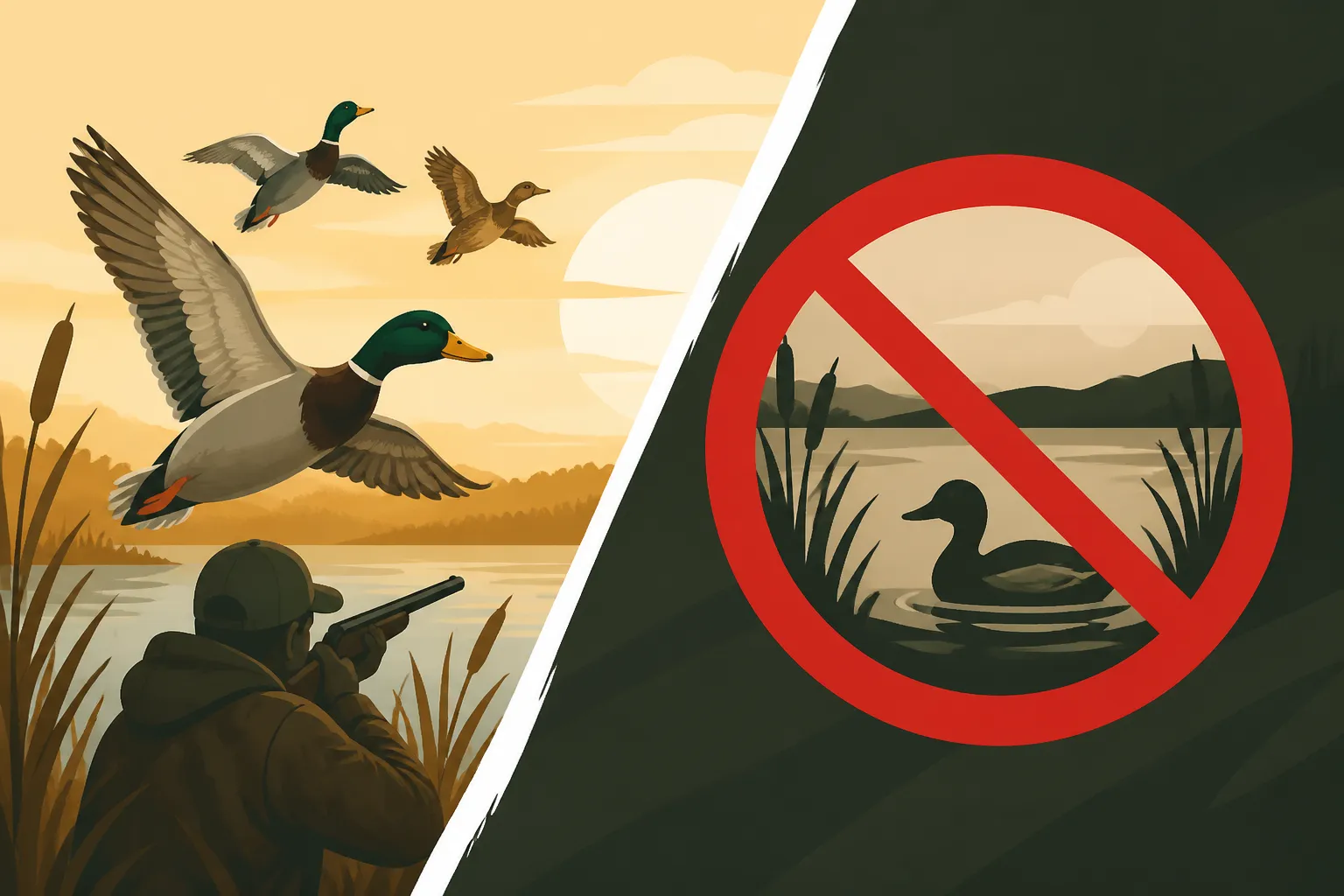
Despite these positive changes, migratory bird hunting, including ducks and geese, continued to be excluded from Sunday allowances. This creates a confusing patchwork of regulations: you can hunt deer on some Sundays, but you can't hunt mallards on any Sunday. This distinction isn't arbitrary, though it certainly feels that way to a hunter shivering in a duck blind at 6 AM on a Monday morning wishing they could have been there the day before. The reasons for this specific exclusion are tied to a combination of federal mandates and a more conservative approach at the state level when it comes to highly mobile, federally regulated species. It's a key point of contention and a source of ongoing discussion among waterfowl enthusiasts across the state, and it highlights the complex layers of authority that govern hunting in the Commonwealth.
The Unique Regulatory Hurdles for Waterfowl Hunting on Sundays
Unlike deer or bear, which are managed predominantly at the state level by the Pennsylvania Game Commission (PGC), migratory birds like ducks and geese fall under a dual management system. This requires significant federal oversight in addition to state regulations, adding a significant layer of complexity to any changes in hunting seasons, particularly concerning Sunday hunting.
Federal Laws and the Migratory Bird Treaty Act
The primary reason why Pennsylvania (and many other states) faces restrictions on Sunday waterfowl hunting stems from federal law, specifically the Migratory Bird Treaty Act (MBTA) of 1918. This landmark legislation, enacted to protect migratory birds, gives the U.S. Fish and Wildlife Service (USFWS) the authority to establish broad frameworks for migratory bird hunting seasons. While individual states propose their specific season dates and bag limits, these proposals must operate strictly within the parameters set by the USFWS, which often dictates the maximum number of hunting days allowed for these species.
Historically, federal regulations have included a provision that limits the number of hunting days per week for migratory game birds to six. This "six-day rule" was a long-standing component of federal migratory bird hunting guidelines. Even as individual states have pushed for more Sunday hunting opportunities for resident game, this federal rule has been the immovable object for waterfowl. It means that even if the Pennsylvania General Assembly and the PGC wanted to allow Sunday waterfowl hunting, they legally couldn't as long as this federal regulation was in place. It's a stark reminder that while we have autonomy for deer, bear, and turkey, ducks and geese are playing by a different, federal rulebook. You can learn more about this by exploring Why Migratory Birds Stayed Closed on Sundays.
State-Level Decisions and Conservation Considerations
Beyond the federal constraints, the Pennsylvania Game Commission also plays a significant role in the decisions regarding waterfowl seasons. Even in instances where federal frameworks might allow some flexibility, states often choose to maintain more conservative approaches for various reasons. For waterfowl, these reasons often center on conservation and managing hunter opportunity.
Waterfowl populations, while generally robust, face unique challenges like habitat loss, changes in agricultural practices, and disease outbreaks. The PGC carefully considers factors like breeding success on the nesting grounds, migration patterns across the Atlantic Flyway, and overall population health when setting season dates and bag limits for Pennsylvania Waterfowl on the Atlantic Flyway. While the federal six-day rule is the biggest hurdle, the PGC also weighs in on public sentiment and the potential biological impacts of an additional hunting day. Some argue that opening Sundays could concentrate hunting pressure, especially on popular waters like those you'd find when Duck Hunting Pennsylvania Rivers or when targeting birds in specific areas through Goose Hunting Pennsylvania Fields. This could potentially lead to localized overharvest or increased disturbance in key resting areas. The PGC's role is to balance recreational opportunity with sustainable wildlife management, and in the past, this balance has leaned towards maintaining the traditional Sunday closure for waterfowl.
Hunter Effort and the Hunting Calendar
Another subtle, yet impactful, consideration in these regulatory discussions is hunter effort. Waterfowling often requires specialized gear, considerable scouting, and dedication. Opening an additional day could increase overall hunter participation and effort across the state. While this sounds good from an opportunity standpoint, it could also influence how hunting days are distributed throughout the season. For example, if a state is allotted a specific number of hunting days by the USFWS for a given species, adding Sundays might mean shortening the overall season length or adjusting other parameters to stay within those federal guidelines. It’s often a zero-sum game within the federal framework. GoHunt's mapping tools, which many hunters use to plan their week, clearly show these federal land restrictions and local regulations, highlighting just how critical it is to know the specific rules for your intended hunting spot. The management of these seasons is a delicate dance between federal guidelines, state desires, and biological realities.
The Impact of Sunday Closures and the Path Forward
The continued prohibition of Sunday waterfowl hunting isn't just a minor inconvenience; it has tangible impacts on hunters, wildlife management, and even the broader economy. It's a topic that regularly sparks passionate debate among the waterfowling community, who often feel that their specific pursuit is being unfairly singled out.
Hunter Frustration and Advocacy Efforts
There's no sugarcoating it: the Sunday closure for waterfowl is a consistent source of frustration for many Pennsylvania hunters. For those who can only hunt on weekends, losing an entire day of prime hunting during a relatively short season can feel like a significant missed opportunity. Imagine the perfect cold front rolling through on a Saturday evening, pushing new birds into your area, only for you to have to pack up your decoys and sit out the action on Sunday morning. This feeling of being sidelined by regulations that don't apply to other game species fuels strong advocacy efforts from organizations like Ducks Unlimited, the Pennsylvania Federation of Sportsmen & Conservationists, and various local sporting groups. These groups continually lobby the Pennsylvania Game Commission and federal authorities to reconsider the regulations. Their arguments often center on hunter recruitment and retention, noting that limited weekend access can deter new hunters from taking up the sport, and push existing, dedicated hunters to other states that offer more liberal Sunday opportunities. The detailed information on GoHunt's platform helps hunters stay informed about these ongoing regulatory discussions and track potential changes, ensuring they are aware of any shifts that might affect their season planning.
Economic Considerations and Local Impact
Beyond hunter opportunity, there are significant economic implications to the Sunday closure. Every day a hunter spends in the field translates to spending on gas, food, lodging, ammunition, decoys, and other specialized gear. When a full day of hunting is removed from the equation, especially for a popular pursuit like waterfowl, it means less revenue flowing into local businesses in rural areas that often rely heavily on hunter dollars during the colder months. Think about small towns nestled near popular waterfowl locations along the Susquehanna or Delaware rivers, or in the western part of the state near Lake Erie; these communities often thrive on hunter traffic and the associated expenditures. Opening Sundays could provide a much-needed boost to these local economies, especially during the colder months when other forms of tourism might be slower. The economic argument is a powerful one in the legislative process, and it's certainly a point that hunter advocates consistently raise.
Future Outlook: Shifting Federal Landscape
The good news is that the federal landscape for migratory bird hunting might be shifting. In recent years, the USFWS has shown a willingness to re-evaluate the long-standing "six-day rule" and offer states more flexibility. Some states have already been granted exceptions or greater latitude in setting their migratory bird hunting calendars. This means that while the restriction is still very much in place for Pennsylvania waterfowl, the door for future change might be slowly opening. It will require continued, persistent advocacy from Pennsylvania hunters and a willingness from the PGC to actively pursue these opportunities with federal authorities. Keep a close eye on the Pennsylvania Game Commission's annual meeting agendas, public comment periods, and regulatory updates; that's where any potential movement on this issue would first appear. The conversation is far from over, and with continued effort, the future of Sunday waterfowl hunting in Pennsylvania could look different.
Navigating Sundays: What You Can and Cannot Do
Even with Sunday waterfowl hunting off the table, Sundays in Pennsylvania are far from "off-limits" for hunters. It's crucial to understand what is allowed so you can still make the most of your weekend and prepare diligently for the days when the ducks are flying. Smart hunters use this day strategically.
Currently Permitted Sunday Hunting Activities
While you can't be calling in geese or jump-shooting wood ducks, Pennsylvania has made significant strides in opening Sundays for other popular game species. This means that if your primary target is waterfowl, Sundays can still be used to pursue other game, providing diverse opportunities throughout the hunting calendar, or to get some valuable scouting in for your waterfowl pursuits. It's always best to consult the current Pennsylvania Hunting and Trapping Digest or use a reliable app like GoHunt to verify specific Sunday dates for your target species and WMU, as these can change year to year.
Here's a quick reference table for general Sunday hunting rules in Pennsylvania:
| Game Species / Type | Sunday Hunting Status (General) | Specifics / Notes |
|---|---|---|
| Waterfowl | CLOSED | Due to federal migratory bird regulations. |
| White-tailed Deer | OPEN (select Sundays) | Specific Sundays during Archery, Rifle, and Youth seasons. |
| Black Bear | OPEN (select Sundays) | Specific Sundays during Bear Archery and Firearms seasons. |
| Wild Turkey | OPEN (select Sundays) | Specific Sundays during Spring and Fall Turkey seasons. |
| Small Game | OPEN (select Sundays) | Varies by species (e.g., squirrels, rabbits, pheasants, grouse). |
| Furbearers / Predators | OPEN (generally year-round) | Coyotes, foxes, etc., generally open with specific exceptions. |
Planning Your Waterfowl Week and Using Sundays for Prep
So, if you can't hunt ducks on Sunday, what can you do? Sundays become invaluable days for preparation, scouting, and maintaining your gear, ensuring you're fully ready to hit the water when Monday morning arrives. Maximizing these "off-days" is a hallmark of a successful waterfowl hunter.
- Scouting: This is perhaps the most critical activity. Use Sundays to drive backroads, walk public access points, and glass potential feeding or loafing areas. Observe flight patterns, identify new water sources, and pinpoint where birds are resting. Whether you're planning on Hunting the Susquehanna River or a small farm pond, understanding bird movement without the pressure of having a gun in hand is invaluable. GoHunt's mapping features can be a huge asset here, allowing you to mark potential roosting and feeding areas, plan your entry and exit routes, and identify property lines. This kind of detailed scouting gives you a massive advantage come opening day or the next legal hunting day.
- Gear Maintenance: Take this time to clean shotguns, organize your decoys, mend waders, and perform any necessary repairs. Check your calls for function, ensure your blind materials are ready, and prep your boat, kayak, or ATV if you use one for access. Making sure everything is in top working order on Sunday means less scrambling on a dark, cold morning.
- Learning and Practice: Watch educational videos, read up on new tactics for Pennsylvania Waterfowl Seasons and Zones, or even practice your calling sequences away from the field. A good, realistic call sequence can make or break a hunt, and Sunday is the perfect day to refine those skills without disturbing real birds or other hunters.
- Obtaining Licenses and Stamps: Ensure all your paperwork is in order. This includes your Pennsylvania Resident Hunting Licence Cost (or non-resident equivalent), state migratory game bird license, and federal duck stamp. Missing any of these could ruin a hunt, so use Sunday to double-check everything and make purchases online if needed.
- Networking: Connect with other hunters. Share scouting intel (within reason, of course!), discuss strategies, or even plan future hunts together. Sometimes, the best way to learn and improve is from those who've been doing it for years or by pooling resources with a reliable hunting partner.
- Physical Preparation: Sundays are also a great day to get some exercise, whether it's a long walk through the woods, a hike up a mountain, or a workout. Keeping yourself in shape is essential for those long hauls of decoys and gear to your blind, especially in challenging terrain or thick muck.
By intelligently using Sundays for preparation and alternative hunting, you can significantly increase your success and enjoyment during the week, making every legal moment in the duck blind count. It transforms a day of frustration into a day of strategic advantage.
The Value of Unpressured Scouting
An often-overlooked benefit of the Sunday closure, from a pure scouting perspective, is the ability to observe waterfowl in an entirely unpressured environment. With no hunting taking place, birds might be more likely to exhibit natural behaviors in their preferred resting and feeding areas. This allows you to gain insights into their patterns and preferences that you might not get during a regular hunting day. You can really get a feel for how they use specific potholes, where they jump from, what subtle cues they respond to in terms of wind and weather, or which fields they prefer to feed in. Using tools like GoHunt can help you overlay public land boundaries and habitat types, aiding in this crucial Sunday reconnaissance. It makes those weekday mornings, when you can hunt, much more productive because your scouting intelligence is fresh, accurate, and uninfluenced by recent hunting pressure.
Disclaimer
Please remember that hunting regulations in Pennsylvania can change. While this guide provides comprehensive information, it is essential to consult the most current Pennsylvania Hunting and Trapping Digest or the official Pennsylvania Game Commission website before any hunting activity to ensure full compliance with all laws and regulations.