Hunting Pressure on Pennsylvania Game Lands
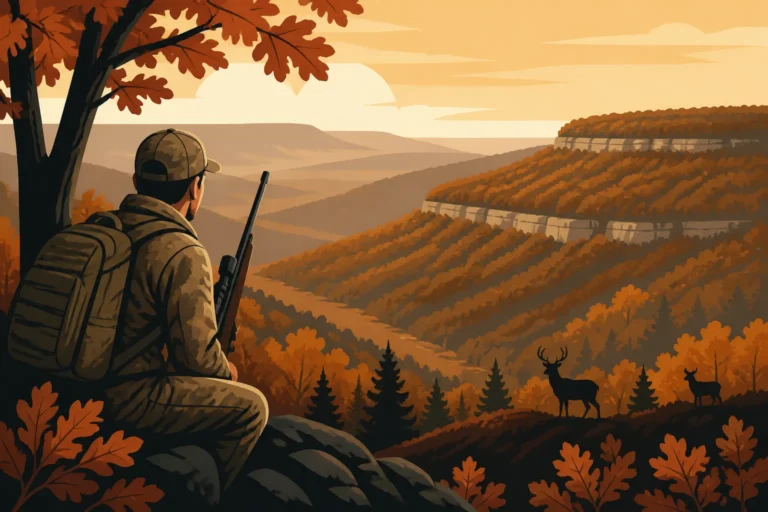
It can be incredibly disheartening to hit your favorite piece of State Game Lands in Pennsylvania, full of anticipation, only to find every parking spot taken or, worse, to jump deer that are already bolting from another hunter's approach. This common frustration makes hunting feel like a competition rather than a communion with nature. This guide will walk you through the realities of hunting pressure on Pennsylvania Game Lands and, more importantly, equip you with the strategies and mindset needed to find success, even when it feels like every other hunter has the same idea as you.
Understanding the Reality of Hunting Pressure in Pennsylvania
Let's face it, Pennsylvania is a hunting state, and our public lands are a precious resource that many of us rely on. While that's a beautiful thing in many ways, it also means that prime areas can see a lot of boots on the ground, especially during peak seasons.
Why Game Lands See So Much Action
The reasons are pretty straightforward, but understanding them helps us anticipate where and when the pressure will be most intense. First and foremost, access is a huge factor. Our Pennsylvania State Game Lands offer thousands upon thousands of acres of public hunting ground, often with convenient parking areas and established trail networks. For many, these lands are the most accessible option, especially if private land access is hard to come by. This accessibility, while a blessing, inevitably draws crowds.
Secondly, cost plays a role. Obtaining a Pennsylvania hunting license is relatively affordable, and once you have it, these public lands are yours to explore without additional fees. This makes them a go-to for many hunters, from seasoned veterans to those just starting out. Finally, there's a strong tradition of hunting on public lands, passed down through generations. Many hunters have favorite spots they return to year after year, further concentrating efforts in well-known areas. These factors combine to create a dynamic where popular Game Lands, especially those easily reached from major population centers, often bear the brunt of hunting pressure.
The Impact on Deer and Other Game
So, what happens when dozens or even hundreds of hunters are pushing through the same woods? The game changes. Deer, especially, are incredibly adept at adapting to pressure. They become more nocturnal, moving primarily under the cloak of darkness when hunters are not in the woods. Their daytime activity shrinks, and they learn to use the thickest, nastiest cover as their sanctuary. You might still find tracks, but seeing a buck in the middle of the day becomes a much rarer occurrence. Instead of feeding openly, they'll sneak through heavy brush, always with an ear cocked for human activity.
This isn't just about deer, either. Wild turkeys, particularly wary old gobblers, will get quiet, roost in even more remote locations, and become exceptionally difficult to call in once they've been bumped a few times. Black bears, known for their incredible sense of smell and hearing, will seek out the deepest, most inaccessible parts of the mountains, often moving long distances to avoid human encounters. The bottom line is that pressured game animals learn fast. They develop escape routes, utilize hidden travel corridors, and become masters of evading detection. It requires a different approach from hunters to consistently find success.
Strategies to Escape or Mitigate Pressure
The good news is that even on the most heavily hunted Game Lands, there are always opportunities. It just takes a bit more effort, some clever thinking, and sometimes, a willingness to be uncomfortable.
Go Deeper, Go Further: The Distance Advantage
This is perhaps the oldest and most consistently effective tactic for escaping pressure: walk farther than everyone else. Most hunters, statistics show, don't venture more than a quarter to half-mile from their vehicle. If you're willing to put in the miles and tackle more challenging terrain, you dramatically increase your chances of finding unpressured pockets of woods. This often means bypassing the obvious trails and heading into areas that look "too thick" or "too steep" for the average hunter.
Before you even step foot in the woods, though, smart hunters are employing powerful tools. Digital mapping apps like GoHunt are invaluable for identifying these remote areas. You can use their satellite imagery to spot distant clearcuts, hidden benches, or overlooked swamps that might deter others. The Pennsylvania Game Commission's own Using the Pennsylvania Mapping Center is also a fantastic resource for this, allowing you to identify property lines and terrain features. Look for areas where topography creates natural barriers, like steep ravines, dense laurel thickets, or vast swaths of continuous timber. By Reading Aerial Photos for Big Woods Deer, you can pinpoint features like saddles, points, and benches that are far from common access points and often hold deer seeking refuge. These remote spots become natural sanctuaries for game trying to escape the noise and intrusion closer to roads.
Hunting Mid-Week and During Off-Peak Hours
Another straightforward way to reduce human encounters is to hunt when most other people aren't. The opening days of archery, rifle, and muzzleloader seasons, as well as Saturdays, are typically the busiest. If your schedule allows, hunting mid-week – Tuesday, Wednesday, Thursday – can offer a vastly different experience. The woods often feel quieter, and deer may resume more natural patterns of movement. Even a Monday can be less pressured than a Saturday or Sunday.
Beyond the day of the week, consider the time of day. While dawn and dusk are always prime times, the middle of the day can be surprisingly productive on pressured ground. Many hunters return to their trucks for lunch or head home by mid-morning, creating a lull. This is often when deer, pushed by morning hunters, might be slowly filtering into new bedding areas or moving cautiously to a secure food source. Don't overlook hunting through a light rain or during other less-than-ideal weather conditions. Most fair-weather hunters will stay home, leaving you with more solitude and often more active game, as the rain can mask scent and sound. Consider extending your hunt into the afternoon on days when you might normally head in early. If you're looking to capitalize on this, check out Hunting the Second Week of Rifle Season as hunters generally thin out after the opener.
Leveraging Overlooked Habitat and Terrain Features
This strategy is about actively seeking out the places that other hunters either don't notice or choose to avoid. On Game Lands, these are the honey holes. Thick, nasty cover is a prime example. Think briar patches, regenerating clearcuts, swamps, dense stands of mountain laurel, or thickets of young conifers. These areas are difficult and noisy to move through, making them less appealing to the casual hunter, but they are exactly where pressured deer feel safe. Bucks will often bed down in the thickest part of these areas, knowing they can hear or smell an approach long before being seen.
Steep terrain is another excellent ally. Many hunters stick to flatter ground or established trails. But by learning to Reading a Pennsylvania Hollow for Deer or Hunting a Bench Above a Creek Bottom, you can find hidden pockets where deer escape the pressure. Deer are accustomed to navigating steep hillsides and will often use subtle benches, draws, and points as travel corridors or bedding areas that are easily missed by hunters who only look for flat ground. For example, a small bench halfway up a steep ridge, hidden by a fold in the topography, can be an incredible bedding area, especially if it's far from roads. These are the places Where Big Woods Bucks Bed after being pushed from more accessible areas. Use mapping apps (GoHunt is excellent for this) to zoom in on these contours and identify potential escape routes and hidden sanctuaries. Finding these less-traveled spots is often the key to Finding Ground Others Walk Past.
Advanced Tactics for Pressured Game
Beyond simply going where others don't, success on pressured Game Lands often demands a more nuanced approach to how you hunt. It's about thinking like the deer and anticipating their reactions to human presence.
Adapting Your Hunting Style
When hunting pressured areas, the "sit and wait" approach can still work, but you often need to be more strategic about your stand placement. Instead of setting up on obvious food sources or well-worn trails, look for escape routes, pinch points, or bedding areas deep within heavy cover. Deer will use these routes to flee from other hunters, and you can intercept them. This might mean setting a stand in a thick transition zone between two clearcuts or along a subtle bench that provides a secure travel corridor through dense timber.
However, often the most effective style in pressured woods is Still-Hunting Pennsylvania Big Woods. This involves moving incredibly slowly, taking a few steps, then stopping and observing for long periods—10 to 15 minutes at a time. This allows you to pick apart the cover, detect subtle movements, and be ready when a deer, moving cautiously, reveals itself. It’s about being a predator, not a trespasser. In areas of extreme thick cover, consider Using a Ground Blind on Pennsylvania Game Lands. A well-brushed-in ground blind can offer excellent concealment in dense briars or young evergreens, allowing you to sit undetected where deer feel safe. The key is to minimize your own impact – move quietly, manage your scent, and always be aware of the wind.
Scouting Smart to Find Unpressured Pockets
Scouting is always crucial, but on pressured Game Lands, it becomes an art form. It's not just about finding sign; it's about finding fresh sign in unlikely places. Begin your scouting well before the season, ideally during the late winter or early spring after snow melt. Look for old rub lines or established travel corridors that are far from typical hunter access. When season approaches, focus on current sign: fresh tracks, droppings, and recently opened scrapes or rubs. These indicate current deer activity.
Pay close attention to how deer are using the terrain. Are they crossing open fields in daylight, or sticking to the edges of thick timber? Are they bedding on high ridges or in dense swamps? Mapping applications like GoHunt can again be indispensable here, allowing you to mark observations, track your movements, and identify patterns over time. Look for those small, isolated patches of cover, perhaps a half-acre briar patch in the middle of a larger timber stand, or a forgotten strip of hemlocks along a creek. These are the places deer will seek out when the pressure is on. When scouting, think about where you would hide if you were a deer, and then go there. Finding sign that is off the beaten path, away from the main trails and obvious funnels, is a good indicator that you've found an unpressured pocket. Remember, Scouting Pennsylvania Public Land Before Season is your most powerful tool. Once you've found a promising area, you can then consider Where to Hang a Camera on a Ridge to monitor activity without further disturbing the area.
Understanding Deer Movement Under Pressure
Deer, when pressured, become highly tactical. They don't just run blindly; they use the terrain and cover to their advantage. They will often parallel human activity, staying just out of sight and scent range. If hunters are pushing through a valley, deer might skirt the top of the ridge, moving quickly but cautiously. If a group of hunters walks a flat, they might drop into a steep hollow or a dense thicket just below.
To succeed, you need to anticipate these movements. Think about how deer will react to a typical hunting scenario. If you hear shots or voices in a particular area, consider where the deer are most likely to go to escape. They will almost always head for the path of least resistance that also offers the most security. This often means dense cover, steep inclines, or areas with a thick canopy that limits visibility from above. Setting up on a downwind escape route or a natural funnel that leads into a known sanctuary can be highly effective. The key is to be patient and silent, letting the pressure from other hunters push deer towards you rather than trying to push them yourself.
| Pressure Level | Typical Hunter Behavior | Deer Behavior Adaptation | Recommended Hunter Strategy |
|---|---|---|---|
| High | Close to roads/parking, predictable routes | Nocturnal, tight bedding in thickest cover, use escape routes | Walk deeper, hunt mid-week/bad weather, target escape routes |
| Moderate | Focus on obvious funnels, morning/evening | Cautious movement mid-day, use secondary cover | Still-hunt slowly, focus on overlooked habitat, extended sits |
| Low | Very remote areas, off-season | More natural movement, less nocturnal | Focus on food/water sources, traditional ambush points, aggressive calling |
Navigating Specific Pressure Scenarios
Different times of the season bring different levels and types of pressure. Tailoring your approach to these specific scenarios can make all the difference.
Opening Day and Peak Season Crowds
Ah, opening day in Pennsylvania – a tradition revered by many, and dreaded by those who seek solitude. This is when public lands, especially easily accessible ones, are absolutely swarming. The sheer number of hunters often creates a chaotic environment where deer are constantly on the move, bumped from one woodlot to the next. For many, Opening Day Crowds on Pennsylvania Game Lands are part of the experience, but for those focused on deer, it demands a specific strategy.
Trying to hunt a traditional stand over a food plot on opening day is often a recipe for frustration. Instead, leverage the movement. Position yourself along known escape routes, tight to bedding areas, or in deep, thick cover that deer are likely to filter into when pushed. If you hear a deer drive starting on a neighboring ridge, think about where those deer will go to find safety, and get into position before they get there. Don't be afraid to put in the miles early in the morning to get to a truly remote spot. While everyone else is piling out of their trucks at the first parking area, you should be hiking towards a hidden hollow or a distant bench that's a good hour's walk away. The initial chaos might just push a mature buck into your lap if you've done your homework.
Post-Rut and Late Season Scenarios
As the season progresses past the frenetic rut, and especially into the late archery and flintlock seasons, the pressure often shifts and, in some ways, lessens. Many hunters have filled their tags or simply hung up their gear for the year. However, those still in the woods are often serious, dedicated hunters, so the pressure can still be intense in popular late-season spots. By this time, deer have been hunted for months, making them extremely wary and focused on survival.
The key to success in the post-rut and late season is food and thermal cover. As the weather turns colder and natural forage dwindles, deer become highly reliant on concentrated food sources like standing corn, winter wheat, mast crops (if any are left), or specific browse. Late-Season Food Sources for Whitetails become magnets. Find these food sources, especially those near thick thermal cover like dense conifer stands, south-facing slopes that catch the sun, or sheltered creek bottoms. These areas offer both food and protection from the elements, making them irresistible to deer trying to conserve energy. Pressure often consolidates around these limited resources, so finding an unpressured food source or a less obvious access point to one is crucial. Hunters who can withstand the cold and commit to long sits near these critical resources often find success in the late season.
Disclaimer
Hunting is an inherently dangerous activity. Always prioritize safety, follow all Pennsylvania Game Commission regulations, and respect private property. This guide is for informational purposes only and does not replace official hunter education or local laws. Always be aware of your surroundings and hunt responsibly.