Slug Guns in Pennsylvania Special Areas
When you're a Pennsylvania deer hunter, few things are as frustrating as trying to navigate the myriad of rules and regulations, especially when it comes to what firearm you can even use in certain areas. It can feel like you need a law degree just to understand where you can hunt with your trusted rifle and where you're suddenly restricted to a shotgun. This guide is here to untangle the complexities of using slug guns in Pennsylvania's special regulations areas, ensuring you're safe, legal, and effective in the field.
Decoding Pennsylvania's Special Regulations Areas
Pennsylvania is a diverse state, from vast tracts of "big woods" to dense suburban sprawl, and the hunting regulations reflect that reality. What works in the remote corners of the Allegheny National Forest simply isn't safe or practical in a county with a high population density. That's where the concept of "Special Regulations Areas" comes into play, creating zones with different rules to balance hunting opportunities with public safety.
What Defines a Special Regulations Area?
These areas typically encompass counties or parts of counties that are more heavily populated or have a higher concentration of residential areas. Historically, they were established to address concerns about projectile travel and potential risks to property and people in more developed regions. Think about the suburban fringes of Philadelphia, Pittsburgh, Harrisburg, or Allentown – places where houses are closer together, and stray bullets from high-powered rifles could pose a significant danger.
The Pennsylvania Game Commission designates these areas to manage wildlife, particularly deer, in a way that minimizes conflict with human populations. It's not just about density; it's about the landscape itself being more fragmented, with smaller woodlots, agricultural fields interspersed with homes, and often bustling roadways. For a hunter who primarily hunts state game lands in the northern tier, suddenly finding themselves in a special regulations area can be a real shock, as the entire approach to firearm choice changes dramatically. It requires a different mindset and, often, different gear. Understanding these boundaries is critical, and tools like the mapping features found on GoHunt or the Pennsylvania Game Commission's own resources can be invaluable for identifying exactly where these lines are drawn.
Why the Specific Firearm Restrictions?
The core reason for limiting firearms to shotguns with single-projectile slugs (or sometimes muzzleloaders or archery equipment) in these special areas boils down to safety. A rifle bullet, especially from a modern high-powered cartridge, can travel for miles. In a densely populated or developed area, that range poses an unacceptable risk. Shotgun slugs, while still powerful and capable of significant range, typically have a much shorter maximum effective and dangerous range compared to rifle bullets.
The kinetic energy of a slug drops off faster, and their ballistic coefficient means they don't maintain velocity as efficiently over distance. This isn't to say slugs are harmless; far from it. They are potent hunting rounds, but their trajectory and energy dissipation make them a safer option where homes, businesses, and public areas are more prevalent. It’s a compromise designed to allow deer hunting to continue in areas where deer populations might even be quite high, causing nuisance or damage, while protecting residents. This system allows for Suburban Deer Hunting in Southeast Pennsylvania and other populated regions, providing a vital management tool. Hunters often express frustration, feeling limited by these rules, but from a public safety standpoint, they are a necessary measure to ensure everyone can coexist.
The Rise of the Slug Gun in Regulated Zones
For many Pennsylvania hunters, especially those accustomed to a trusty deer rifle, the idea of using a shotgun for deer can feel like a compromise. However, modern slug guns, paired with the right ammunition and optics, are incredibly effective tools. They've evolved far beyond the old smoothbore scattergun that just happened to have a slug shell in its pocket.
Rifled vs. Smoothbore: Barrel Choices and Performance
When you're talking about slug guns for deer, the biggest distinction you'll encounter is between smoothbore and rifled barrels. Each has its place, and understanding their characteristics is key to maximizing accuracy and effectiveness.
-
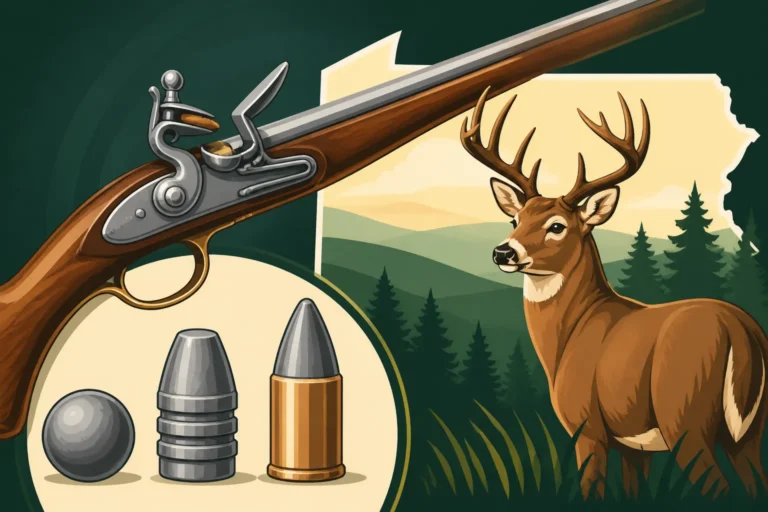
Smoothbore Barrels: These are your standard shotgun barrels, just like you'd use for bird hunting. When shooting slugs through a smoothbore, you're typically using "Foster" or "Brenneke" type slugs. These slugs are designed to stabilize aerodynamically, similar to a shuttlecock, or by having their weight concentrated in the front. They don't rely on spin for stability. While smoothbores can be surprisingly accurate at very close ranges (say, out to 50-75 yards), their precision drops off significantly beyond that. They are more forgiving if you're swapping between birdshot and slugs, but for dedicated deer hunting in special regs, they are often seen as the less accurate option. You might find success with a modified or improved cylinder choke for better accuracy, but it's crucial to test different brands and types of slugs to see what your particular shotgun likes.
-
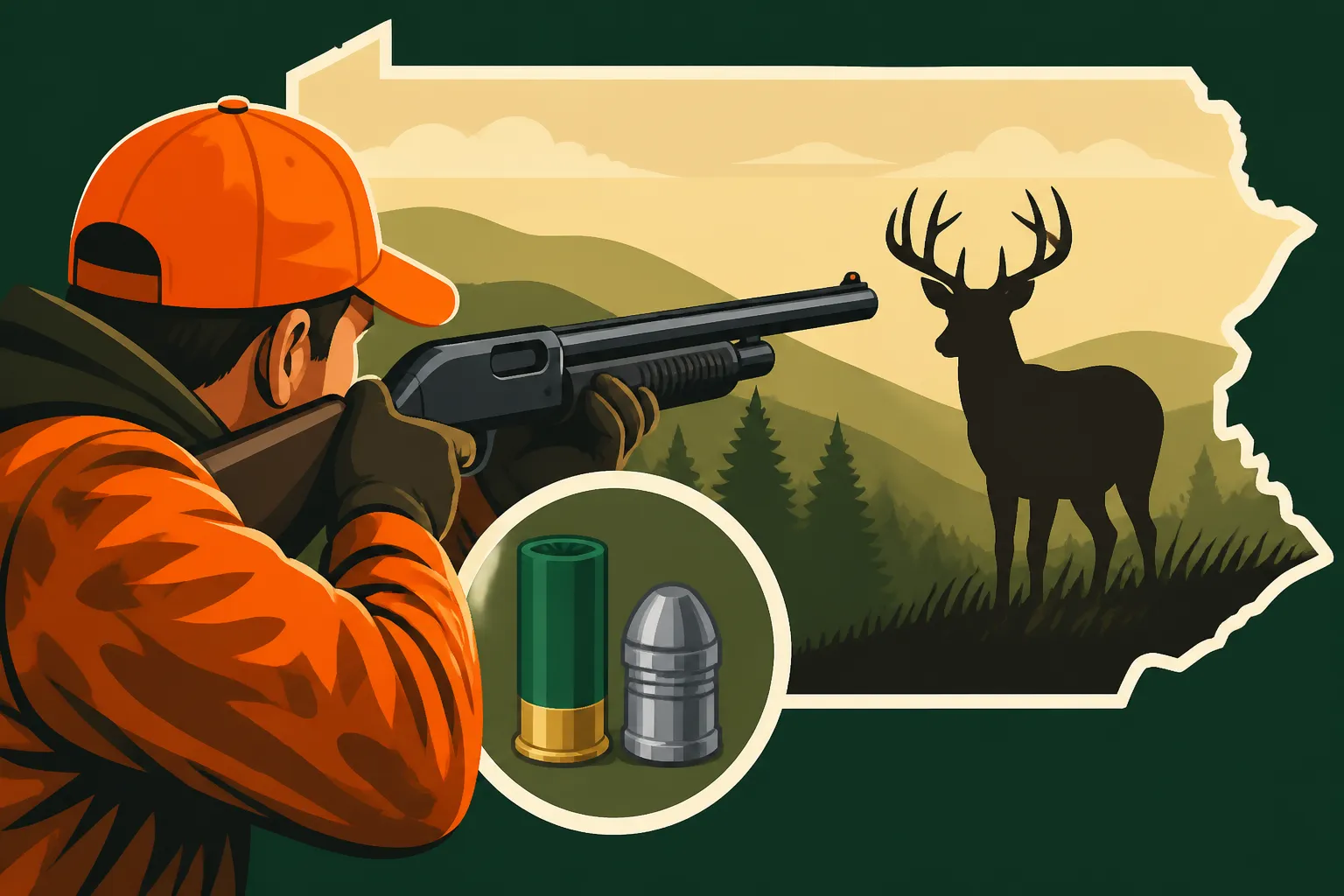
Rifled Barrels: This is where slug guns truly shine for deer hunting. A rifled barrel has spiral grooves cut into the bore, just like a rifle. These grooves impart a spin on the projectile, much like a rifle bullet, which vastly improves accuracy and extends effective range. For rifled barrels, you'll use "sabot" slugs. These slugs are smaller, typically bullet-shaped projectiles encased in a plastic sabot (pronounced "SAY-bow"). The sabot engages the rifling, and once the slug leaves the barrel, the sabot separates, allowing the slug to fly true. A well-matched rifled barrel and sabot slug combination can deliver accuracy comparable to many deer rifles out to 150-200 yards, sometimes even further with advanced setups. This makes them formidable deer hunting tools and the preferred choice for serious slug gun hunters in special regulations areas.
Choosing the Right Ammunition: Sabots, Foster, and Beyond
The type of slug you choose is paramount to your success, and it's inextricably linked to your barrel choice. Don't just grab any box of slugs off the shelf; research and testing are essential.
| Slug Type | Barrel Type Recommended | Key Characteristics | Typical Effective Range | Best Use Case |
|---|---|---|---|---|
| Foster | Smoothbore | Hollow base, weight forward, flies like a shuttlecock | 50-75 yards | Older shotguns, brush hunting, close quarters |
| Brenneke | Smoothbore (or Rifled) | Attached wad for stability, solid design, high penetration | 75-100 yards | Dense cover, heavy game, good penetration |
| Sabot | Rifled | Bullet-shaped projectile in plastic sabot, spin-stabilized | 100-200+ yards | Accuracy-focused hunting, longer shots, open country |
For hunters in special regulations areas, if you're serious about your range and accuracy, a rifled barrel paired with sabot slugs is almost always the way to go. Brands like Remington AccuTip, Hornady SST, and Federal TruBall (which is actually a smoothbore slug designed for enhanced accuracy) are popular choices, but every gun is different. You need to invest the time and money to try several brands and bullet weights to find what groups best out of your specific shotgun. This often means buying a few different boxes, heading to the range, and meticulously sighting in. It's a commitment, but it pays off when that big buck steps out.
Optimizing Your Slug Gun Setup
Just like with a rifle, a slug gun needs to be properly set up and sighted in to be an effective hunting tool. You can't just slap a scope on it and call it a day; there's a specific art to optimizing a shotgun for deer hunting.
Optics for Slug Guns: Scope or Red Dot?
The right optic can dramatically improve your accuracy and confidence when hunting with a slug gun. The choice often comes down to personal preference, typical shot distances, and light conditions.
-
Rifle Scopes: For rifled slug guns, a traditional low-power rifle scope is often the best choice. Magnifications like 1-4x, 2-7x, or 3-9x are common. You don't need high magnification, as your shots are generally going to be inside 200 yards. The key is to find a scope with good light-gathering capabilities, a wide field of view, and robust construction to handle the recoil of heavy slug loads. Many scopes designed for muzzleloaders or crossbows also work exceptionally well on slug guns due to similar ballistic profiles. A clear, crisp reticle that allows for quick target acquisition is crucial in the often-brushy conditions of Hunting Pennsylvania Farm Country Edges or smaller woodlots. You want something that will let you make an ethical shot quickly when that deer presents itself. Look for good eye relief, too, as slug gun recoil can be stout. You can get more insights from Rifle Scopes for Low-Light Timber on general scope considerations.
-
Red Dot Sights: For smoothbore slug guns or for hunters whose typical shots are under 75 yards, a red dot sight can be an excellent option. They offer lightning-fast target acquisition, are typically very durable, and are parallax-free (meaning your point of aim doesn't shift much if your head position changes slightly). Red dots excel in thick cover where quick, instinctive shooting is often necessary. They don't offer any magnification, which can be a drawback for longer shots or identifying antler points in low light. However, for a hunter focused on close-range encounters in dense cover, or on Deer Drives With Three or Four Hunters in thickets, a red dot can be incredibly effective.
Patterning Your Shotgun for Deer
This is arguably the most critical step in preparing your slug gun. Unlike a rifle where you might just confirm your zero, with a slug gun, you need to "pattern" it, especially if you're using a smoothbore or experimenting with different sabot brands.
Start by setting up a large paper target at 25 yards. Fire a few shots, adjusting your optic until you're consistently hitting the bullseye. Once you're grouping well at 25 yards, move back to 50 yards, then 75, and finally 100 yards (or your intended maximum ethical range). You'll likely find that different brands and weights of slugs perform wildly differently in your gun. One brand might group beautifully, while another spreads like birdshot. This is normal! Stick with the ammunition that gives you the tightest, most consistent groups.
It's also a good idea to shoot from various positions – off a bench, but also kneeling or standing if those are realistic hunting scenarios for you. Recoil can be significant, so practicing proper shooting form is crucial for accuracy. Don't wait until opening day to do this; give yourself plenty of time to get comfortable and confident with your setup. For more general advice on sighting in, consider topics like Zeroing a Rifle for Woods Distances, much of which translates directly to slug guns.
Effective Hunting Tactics in Special Regulations Areas
Hunting in special regulations areas often means adapting your traditional big woods tactics to smaller, more fragmented landscapes. These areas might be close to homes, have more "no hunting" zones, and often contain deer that are very accustomed to human activity, making them notoriously wary.
Scouting and Accessing Fragmented Cover
Special regulations areas are often characterized by a patchwork of small woodlots, creek bottoms, overgrown fields, and suburban green spaces. Finding huntable land can be a challenge. Public access might be limited to smaller state game lands parcels or tracts of state forest, while private land often requires diligent door-knocking for permission.
-
Permission is Key: Gaining access to private land is often the most effective strategy in these areas. Farmers and landowners dealing with deer damage are often receptive to ethical hunters. Always ask for permission well in advance, and make sure you understand the exact boundaries where you are allowed to hunt. Offering to help with chores or sharing venison can go a long way in building relationships. Checking out resources like Getting Private Land Permission in Pennsylvania can offer more insights.
-
Mapping Tools: This is where modern technology truly shines. Use online mapping tools or apps like GoHunt to identify property lines, landowner names, and potential access points. These tools can also help you pinpoint small, overlooked pockets of cover that might hold deer, such as thick creek bottoms, isolated woodlots, or brushy fence rows that connect larger pieces of habitat. Deer in these areas often use very specific, tight travel corridors between bedding and feeding areas, making these "pinch points" prime stand locations. Look for areas close to residential zones but just outside the safety zones, where deer might feel pressure-free during daylight hours.
-
Scouting for Sign: Focus on finding subtle deer sign: rubs, scrapes, well-worn trails, and especially bedding areas in dense thickets. Deer in these areas often bed incredibly close to human activity, relying on the cover and their ability to slip away unnoticed. Reading a Pennsylvania Hollow for Deer can be adapted to smaller scale terrain features often found in special regs zones.
Adapting Your Hunting Strategy for Shorter Ranges
Given the shorter effective range of slug guns and the often-dense, fragmented cover, your hunting strategies will likely need some adjustments. Forget about those 300-yard clear-cut shots; think closer, quieter, and more patient.
-
Stand Placement: Position your treestand or ground blind to capitalize on those shorter ranges. Focus on pinch points, trail intersections, and edges of thick cover that funnel deer past you within your effective slug gun range. Remember, deer in these areas are used to human scent and sounds, so meticulous scent control and silent entry/exit routes are paramount. You might be setting up only 50-75 yards from a field edge instead of 150, which changes everything about your approach. When hunting Pennsylvania Antlerless Deer Licences Explained in these areas, you'll find the smaller scale of the landscape makes every yard critical.
-
Still-Hunting and Drives: Still-hunting can be incredibly effective in smaller woodlots. Move slowly, deliberately, taking a few steps, then pausing for several minutes to scan for deer. Use the terrain and cover to your advantage, slipping through thickets where deer feel safe. Still-Hunting Pennsylvania Big Woods techniques can be scaled down for these smaller parcels. Deer drives are also a common and effective tactic in special regulations areas, especially on larger private tracts or public parcels. With a few hunters, you can effectively push deer from a thicket towards watchers positioned at likely escape routes. Make sure everyone understands the safety protocols, especially given the shorter effective range of slugs.
-
Understanding Pressure: Deer in special regulations areas are often exposed to varying levels of pressure. Some may be completely unpressured, living in backyard havens, while others are incredibly wary from local hunting or human activity. Adjust your tactics accordingly. If deer are largely unpressured, you might have more success with aggressive calling or open setups. If they're hammered, going deep into overlooked pockets or hunting during mid-day when others are taking a break can be productive. Always be aware of Hunting Pressure on Pennsylvania Game Lands, even the smaller ones. After the shot, knowing how to handle a deer is crucial, and Field Dressing a Deer in Cold Weather offers insights applicable to these hunts.
Navigating the Legalities and Safety
Hunting in special regulations areas comes with a specific set of rules, particularly concerning hunter orange and safety zones, which are even more critical due to the proximity to populated areas. Familiarizing yourself with these details isn't just about avoiding a fine; it's about ensuring the safety of yourself, other hunters, and the general public.
Understanding Hunter Orange Requirements
Pennsylvania has clear rules about displaying hunter orange, and these rules apply just as much, if not more, in special regulations areas where visibility is paramount.
-
Firearms Seasons: During the general firearms deer season (and other firearms seasons for certain game), you are required to wear at least 250 square inches of fluorescent orange material on your head, chest, and back combined, visible 360 degrees. This isn't just a suggestion; it's the law. The purpose is to make you highly visible to other hunters, dramatically reducing the risk of accidental shootings. In areas with high hunter density or fragmented cover, this visibility is a lifesaver. Ensure your orange vest isn't covered by your pack or jacket, and that your orange hat is clearly visible.
-
Archery Seasons: During the overlap of archery and firearms seasons, archers often have different, sometimes more relaxed, orange requirements or are exempt if strictly bowhunting. However, in these special regulations areas where mixed hunting methods might occur, always double-check the specific rules for your season and WMU. When walking to and from your stand, or if you're involved in any kind of deer drive or group hunt during a firearm season, adhering to the full orange requirement is the safest course of action. For a comprehensive overview, see Pennsylvania Hunter Orange Rules. It's also wise to be familiar with the broader context of Legal Firearms for Pennsylvania Deer to ensure full compliance.
Permission and Safety Zones in Populated Areas
Hunting in areas with a mix of public and private land, often adjacent to homes and businesses, means being acutely aware of safety zones and permission requirements.
-
Safety Zones: Pennsylvania law dictates specific "safety zones" around occupied buildings, such as residences, schools, churches, and playgrounds. You cannot hunt within 150 yards of an occupied building without the express permission of the occupant. This 150-yard zone is often the biggest challenge in special regulations areas, as it significantly shrinks the available huntable land. Always carry a rangefinder to ensure you are outside these zones. For waterfowl hunting, the safety zone around occupied buildings is typically 50 yards, but for deer hunting with a firearm, it's that crucial 150-yard mark.
-
Private Land Permission: As mentioned earlier, gaining explicit, preferably written, permission from landowners is non-negotiable for hunting private property. This isn't just a courtesy; it's a legal requirement to avoid trespassing charges. Many landowners appreciate a hunter asking politely and respecting their property. Remember to clarify if your permission extends to retrieving game that might run onto their property. These discussions are key to maintaining positive relationships between landowners and hunters. Using a mapping application like GoHunt, which often has property line overlays, is extremely helpful here to visualize these critical boundaries before you ever step foot in the woods.
-
Public Land Boundaries: Even on public game lands within special regulations areas, you need to be mindful of adjacent private property and safety zones. Using a mapping application is essential. You don't want to inadvertently cross onto private land or shoot into a safety zone from public ground. Always know where you are, where your target is, and what lies beyond it. This due diligence ensures a safe and legal hunt for everyone.
Disclaimer
This article is for general informational purposes only and does not constitute professional advice. Laws, prices and regulations vary by location and change over time. Consult a qualified professional for guidance on your specific situation.