Pennsylvania Turkey Brood Survey Results
It's that time of year again when thoughts drift to the woods, and if you're like me, you're constantly wondering what the next turkey season might hold. We all want to know if the birds are bouncing back, holding steady, or facing a tough year. Getting a handle on how many young turkeys, or "poults," made it through the spring and summer can feel like trying to read tea leaves, but thankfully, the Pennsylvania Game Commission (PGC) provides some fantastic insights through their turkey brood surveys. This guide will help you understand what those numbers mean for your fall and spring hunts, and how you can even contribute to these vital conservation efforts.
Understanding the Pennsylvania Turkey Brood Survey
The PGC's turkey brood survey isn't just a casual tally; it's a critical piece of wildlife management that gives us a glimpse into the future of our wild turkey populations. For years, hunters and dedicated volunteers across the state have been submitting observations of hens with their broods, providing invaluable data.
What the Survey Aims to Measure
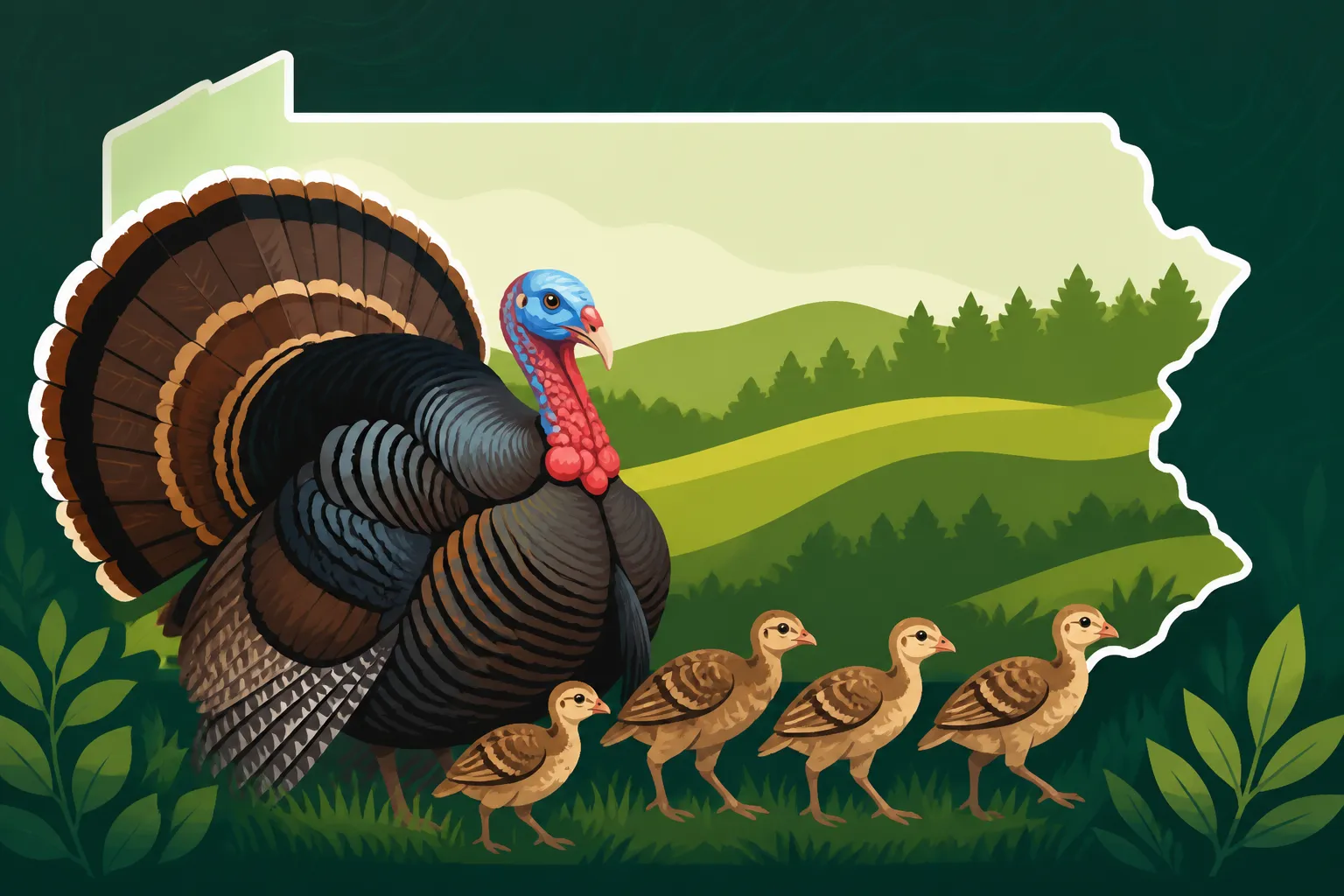
At its heart, the turkey brood survey is designed to assess reproductive success. It's essentially taking the pulse of the turkey population's ability to create new turkeys and sustain itself. The primary metric we're all looking at is the poult-to-hen ratio, which tells us, on average, how many poults are surviving per hen. A healthy ratio suggests good nesting success and strong poult survival through those crucial first few weeks and months. Factors like harsh spring weather, heavy rainfall during nesting, or even increased predator activity can significantly impact this ratio.
Beyond just the numbers, these surveys also help wildlife biologists understand broader trends. Are turkeys thriving in certain regions more than others? Are there specific habitat types that consistently produce more poults? This long-term data collection is how the PGC identifies challenges and adapts management strategies to ensure sustainable hunting opportunities for future generations.
How Data is Collected and Used
The beauty of Pennsylvania's turkey brood survey lies in its citizen science approach. It relies heavily on everyday Pennsylvanians – hunters, hikers, bird watchers, and just folks enjoying their backyards – reporting their sightings. From June 1st through August 31st each year, anyone who spots a hen turkey with poults, or even just a lone hen, can submit their observations. This crowdsourced data, combined with observations from PGC staff, creates a comprehensive snapshot of summer turkey production across all of Pennsylvania's Wildlife Management Units (WMUs).
Once collected, all this raw data is meticulously analyzed by PGC biologists. They look for patterns, calculate those all-important poult-to-hen ratios for different WMUs, and track trends over multiple years. This information directly informs their decisions about season lengths, bag limits, and specific management actions, ensuring that hunting pressure remains sustainable and that the turkey population continues to flourish. It’s a powerful example of how public participation directly aids wildlife conservation. You can find more general information about Pennsylvania Turkey Population Trends through these efforts.
How Brood Survey Results Impact Hunting Seasons
For us hunters, the turkey brood survey results are like a crystal ball for the upcoming fall and, eventually, spring turkey seasons. A strong brood year often translates to better hunting, while a weak year might mean working a little harder for those birds.
Guiding PGC Management Decisions
The Pennsylvania Game Commission relies heavily on the insights gleaned from these surveys. When brood production is consistently low in a particular WMU, it raises a red flag. This data can lead to adjustments in hunting regulations to protect the breeding stock and allow the population to recover. Conversely, robust brood numbers might indicate a healthy, thriving population that can sustain a more liberal harvest. This adaptive management approach is crucial for balancing hunter opportunity with long-term wildlife health.
For instance, if a WMU shows a consistently low poult-to-hen ratio for several years, the PGC might decide to shorten the fall season, reduce the bag limit, or even close the fall season entirely in that specific area. These aren't arbitrary decisions; they are directly driven by the scientific data from the brood surveys and other population monitoring efforts. Understanding these nuances can help you anticipate changes in Pennsylvania Fall Turkey Seasons by WMU.
Short-Term and Long-Term Implications for Hunters
The impact of a brood survey can be felt both immediately and years down the line. A strong hatch in a given year means more young, inexperienced birds in the woods that fall. These jakes and jennies are often less wary, more vocal, and can provide excellent hunting opportunities, especially for those who enjoy Fall Turkey Hunting in Pennsylvania. This surge in numbers also means more birds surviving into the following spring as yearlings, potentially leading to a more vocal and active gobbler season.
Conversely, a poor brood year can make fall hunting exceptionally tough. You'll likely encounter fewer birds, and those you do find will often be older, more experienced, and much harder to fool. The repercussions then extend to the following spring, with potentially fewer jakes and an overall lower density of birds. This is where truly understanding Pennsylvania Turkey Population Trends becomes essential. Hunters might need to adjust their tactics, perhaps focusing more on locating specific birds rather than relying on large flocks.
Regional Variations in Brood Success
One of the most important takeaways from the brood survey results is that turkey populations are not uniform across the entire state. What happens in the big woods of north-central Pennsylvania might be very different from the farm country of the southeast. Weather patterns, habitat quality, and predator densities can vary significantly from one WMU to another, leading to widely divergent brood success rates.
For example, a region hit with prolonged cold, wet weather during the critical nesting and brooding period might experience a much poorer hatch than an adjacent WMU that enjoyed warmer, drier conditions. This is why the PGC provides data broken down by WMU. As hunters, it's vital to pay attention to the specific data for the areas you plan to hunt. A quick check can save you a lot of frustration or point you toward a WMU with better prospects. Tools like those found on GoHunt, which can layer various data points onto detailed maps, can be invaluable for understanding how these regional differences might affect your hunting plans on the ground.
Interpreting Turkey Brood Data for Your Hunt
So, you've seen the numbers – a poult-to-hen ratio of 2.5 in WMU 2G, but only 1.8 in WMU 4D. What does that actually mean for your time afield? Learning to interpret these results can give you a significant advantage.
What Constitutes a "Good" Versus "Bad" Brood Year
Generally speaking, a poult-to-hen ratio of 2.0 or higher is considered healthy and indicative of good reproductive success. A ratio well above 2.0, say 3.0 or even 4.0, suggests an excellent year with plenty of young birds entering the population. These are the years when you can expect to hear more birds, see more birds, and perhaps have an easier time locating a flock, whether you're trying Breaking Up a Fall Turkey Flock or calling in a jake.
On the flip side, a ratio consistently below 2.0, especially below 1.5, signals a challenging year. This means fewer young birds survived, potentially due to poor nesting conditions, high predation, or disease. In such years, hunters will need to be more patient, do more scouting, and be prepared to cover more ground to find turkeys. This is when understanding habitat and turkey behavior becomes even more critical.
Here’s a quick guide to interpreting the numbers:
| Poult-to-Hen Ratio | Interpretation for Hunters | Impact on Hunting |
|---|---|---|
| Below 1.5 | Poor brood production, significant challenges for population growth. | Tough hunting, fewer birds, expect older, wary individuals. |
| 1.5 – 1.9 | Below average, some production but not strong. | Challenging but manageable, focus on prime habitat, diligent scouting. |
| 2.0 – 2.5 | Healthy, average reproductive success, stable population. | Good hunting, fair numbers of young birds, consistent opportunities. |
| Above 2.5 | Excellent brood production, strong recruitment into the population. | Great hunting, abundant young birds, increased activity and vocalization. |
Factors Influencing Brood Success Beyond the Numbers
While the poult-to-hen ratio is paramount, it's essential to remember that many factors contribute to that number. Severe spring weather, especially cold, wet periods during the first few weeks after hatching, can devastate poults, which are very susceptible to hypothermia. Heavy rainfall can also flood nests or make insect foraging difficult for young birds, leading to starvation.
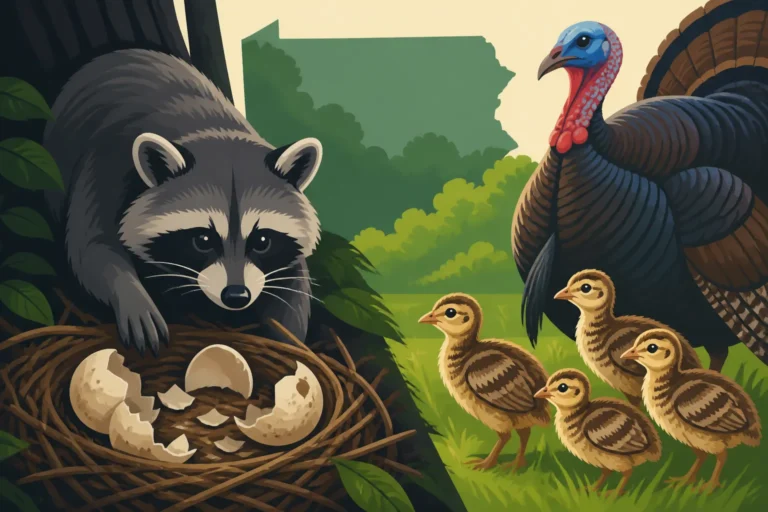
Predation pressure from animals like raccoons, opossums, coyotes, and even black bears can also heavily impact nest success and poult survival. Pennsylvania Black Bear Hunting efforts, for example, can indirectly benefit turkey populations. Habitat quality also plays a massive role; areas with a good mix of nesting cover, brood-rearing habitat (like open fields with tall grasses for bugging), and escape cover tend to produce more successful broods. Forest management practices, such as timber cuts that create early successional habitat, can be incredibly beneficial for turkey reproduction. When using mapping tools like GoHunt, understanding these habitat types and correlating them with brood data can lead you to productive areas.
Connecting Brood Data to Your Scouting and Hunting Strategy
Armed with brood survey results for your target WMU, you can tailor your scouting and hunting strategy. If the numbers are high, you might expect to find larger flocks of birds, including those impressionable jakes and jennies, especially in areas with good food sources and brooding cover. This could mean Scouting Pennsylvania Public Land Before Season with more confidence in finding numbers.
If the numbers are low, you'll want to focus your efforts on prime habitat that consistently holds birds, even in tough years. Think about those south-facing slopes that warm up faster in spring, or creek bottoms with abundant insects. You might spend more time trying to locate specific birds by listening for roost calls, then employing more patient, subtle calling techniques. Calling a Pennsylvania Gobbler Off the Roost becomes an art form when birds are sparse. Using detailed topographic maps or aerial photos, perhaps through a GoHunt subscription, to identify these specific micro-habitats within your WMU can be a game-changer when the overall population is down. Look for areas with a mosaic of mature timber for roosting, dense undergrowth for nesting, and open areas or field edges for feeding, knowing that hens with poults need this variety to thrive.
What Hunters Can Do to Support Turkey Populations
Understanding the brood survey results is a great start, but we, as hunters, also have a responsibility to actively contribute to the health and abundance of Pennsylvania's wild turkeys. Our actions, both in and out of season, can make a real difference.
Participating in the Brood Survey
One of the simplest and most impactful things you can do is participate in the annual turkey brood survey. Remember, this isn't just for PGC biologists; it's a collective effort. Every observation you submit provides valuable data points that contribute to a more accurate picture of statewide turkey health. It doesn't take much time, and it's a fantastic way to engage with wildlife management directly. Think about it – if everyone who spent time in the woods submitted their sightings, imagine how robust that data set would be! The PGC website usually provides clear instructions on how to submit your observations during the June 1st to August 31st period. It's a small act with a big impact on Pennsylvania Turkey Population Trends.
Supporting Habitat Improvement and Conservation Efforts
Healthy turkey populations are directly linked to healthy habitat. You can support this in several ways. Consider volunteering for local conservation groups or PGC initiatives that focus on habitat improvement. This could involve planting beneficial trees and shrubs, creating clearings, or helping with prescribed burns that rejuvenate forest floors and create crucial early successional habitat. Even on private land, planting native grasses, maintaining field edges, or leaving some areas unmowed can provide invaluable nesting and brood-rearing cover.
Financial contributions to organizations dedicated to wild turkey conservation, like the National Wild Turkey Federation (NWTF), also go a long way. These groups fund critical research, habitat projects, and educational programs that directly benefit the birds we love to hunt. Protecting and enhancing the places where turkeys live is just as important as monitoring their numbers.
Practicing Responsible Hunting and Ethical Harvest
Our ethics in the field directly influence the future of the turkey population. Adhering strictly to regulations, including bag limits, season dates, and legal shooting hours, is non-negotiable. Passing on marginal shots to ensure a clean kill reduces crippling loss, and taking the time to Judging Antler Points Before the Shot (if it were deer) or ensuring positive identification before pulling the trigger, ensures responsible harvesting.
For turkeys, this means being absolutely certain of your target, especially when Calling a Pennsylvania Gobbler Off the Roost or when hunting in the fall when hens are legal targets in some WMUs. Knowing Which WMUs Have No Fall Turkey Season is critical. If you have concerns about the population in a specific area, exercising self-restraint, such as choosing to only harvest a gobbler in the spring and passing on a fall bird, can also contribute to conservation. Every responsible hunter plays a part in maintaining robust turkey numbers for years to come.
Disclaimer
This article is for general informational purposes only and does not constitute professional advice. Laws, prices and regulations vary by location and change over time. Consult a qualified professional for guidance on your specific situation.