How Many State Game Lands Pennsylvania Has
It can be incredibly frustrating for hunters to get a clear picture of just how much public land is truly available in Pennsylvania, especially when you're trying to plan a hunt and all you hear are vague numbers. You've heard about State Game Lands, but understanding the sheer scale and what that actually means for your hunting opportunities can feel like a riddle. This guide aims to clear up that confusion, diving deep into the expansive network of State Game Lands, how they came to be, and how you can best utilize them for your next outdoor adventure.
The Immense Scale of Pennsylvania's State Game Lands: More Than Just a Number
When you talk about hunting public land in Pennsylvania, the Pennsylvania Game Commission's (PGC) State Game Lands (SGLs) are often the first thing that comes to mind, and for good reason. They represent an incredible public resource, offering vast and diverse landscapes for hunters, trappers, and other outdoor enthusiasts. Trying to pin down an exact, static number for "how many" can be a bit tricky, because the PGC is constantly working to acquire new parcels and expand existing ones, but the overall picture is clear: Pennsylvania boasts an enormous amount of public hunting ground managed specifically for wildlife and hunter access.
What truly matters isn't just a simple count of individual SGL tracts, but the colossal acreage they encompass. Think about it this way: a small, isolated parcel might be one "State Game Land," just like a sprawling, interconnected complex covering tens of thousands of acres. So, while the number of distinct SGLs might fluctuate slightly as smaller parcels are consolidated or new ones added, the total land mass dedicated to hunting remains consistently impressive. The real story here is the incredible commitment Pennsylvania has made to securing public access and preserving wildlife habitat for generations. This isn't just a few scattered plots; it's a massive, ongoing effort that provides unparalleled opportunities across the Commonwealth.
The Total Acreage Dedicated to Hunting
If you're asking about the total number of individual State Game Lands tracts, you're looking at well over 300 distinct properties scattered across almost every county in Pennsylvania. However, focusing solely on that number can be misleading. Many of these "individual" SGLs are actually massive, sprawling complexes that appear as one unit on a map but might be comprised of numerous smaller, historically acquired parcels. The most impactful figure is the total land area. The Pennsylvania Game Commission manages approximately 1.5 million acres of State Game Lands. This truly enormous footprint makes up a significant portion of all Public Hunting Land in Pennsylvania, ensuring that hunters have a place to pursue their passion no matter where they are in the state.
To put that into perspective, 1.5 million acres is larger than the entire state of Delaware. It's an area so vast that you could spend a lifetime exploring it and still find new corners to hunt. These lands range from the rugged, remote "Big Woods" country of the north-central region to the rolling farmlands and dense suburban woodlands of the southeast. This extensive network means that hunters in Pennsylvania aren't relegated to just a few crowded spots; they have options, and often, quiet solitude, if they're willing to walk a little deeper. Knowing that such a tremendous amount of land is managed for public hunting helps you realize the depth of opportunity available.
Why the Number Isn't Static
It's important to understand that the number of State Game Lands, and their total acreage, isn't a fixed figure. The Pennsylvania Game Commission has a proactive land acquisition program, constantly seeking to expand existing SGLs or create new ones. This expansion is often driven by several factors:
- Connecting Existing Parcels: Sometimes, a small private tract might be acquired to bridge two larger sections of a State Game Land, creating a more contiguous and manageable hunting area. This can be a huge benefit for wildlife movement and hunter access.
- Protecting Key Habitat: Lands with critical wildlife habitat, like wetlands, old-growth forests, or unique geological features, are often prioritized for acquisition to ensure their long-term protection.
- Expanding Public Access: Acquiring new parcels, especially near growing populations or in areas with limited public hunting, provides more opportunities for hunters.
- Mitigating Development: As Pennsylvania's landscape changes, acquiring land for SGLs helps to protect open spaces and natural resources from encroaching development.
This ongoing process means that the precise number of "named" State Game Lands or their total acreage can change year by year, usually growing. The PGC’s commitment to this mission is funded largely by hunting and furtaking license sales, proving that hunters themselves are direct contributors to the preservation and expansion of these vital public resources. So, while you might see slightly different numbers reported over time, always know that the trend is towards more, not less, public hunting land in the Commonwealth.
A Closer Look at the State Game Lands System: Acquisition and Management
The existence of such a massive public hunting estate isn't by accident. It's the result of a century-long, dedicated effort by the Pennsylvania Game Commission, driven by a unique funding model and a clear mandate to conserve wildlife and provide public access. Understanding this background helps you appreciate the resource even more and provides context for the Pennsylvania State Game Lands Rules you'll encounter when you're out in the field. This isn't just land that was handed over; it's land that was strategically acquired and carefully managed.
How State Game Lands Are Funded
One of the most remarkable aspects of Pennsylvania's State Game Lands system is its funding mechanism. Unlike some public lands that rely heavily on general tax revenue, the acquisition and management of SGLs are primarily funded by hunters, through their purchase of hunting and furtaker licenses. This self-sustaining model is a point of pride for Pennsylvania hunters and a testament to their commitment to conservation. A portion of every hunting license, elk license, bear license, and even junior licenses goes directly into the Game Fund, which is then used for land acquisition, habitat improvements, law enforcement, and wildlife research.
This system ensures that the people who use the land the most are also the ones directly investing in its future. It’s a powerful cycle: hunters buy licenses, that money helps buy and manage more land for wildlife, which in turn provides more hunting opportunities. This model also allows the PGC to act quickly when parcels of land become available, sometimes through direct purchase, other times through easements or donations. It's not just about buying land; it's about making sure that every dollar contributes to a robust and healthy ecosystem where both game and non-game species can thrive.
Management Philosophy and Goals
The management of State Game Lands isn't a "hands-off" approach; it's an active and dynamic process aimed at creating and maintaining diverse wildlife habitats. The PGC’s land management goals are comprehensive and often involve a mix of strategies depending on the specific ecosystem and target species. You'll see a lot of different approaches on the ground, all designed to benefit wildlife and, by extension, the hunter.
Here's a glimpse at their philosophy:
- Habitat Diversity: Managers strive for a mosaic of habitats, including young forest, mature timber, wetlands, and open fields. This variety benefits a wide range of species, from deer and bear to grouse and migratory birds. For example, you might find specific areas managed for early successional growth, critical for species like woodcock and cottontails. You can often see the results of Habitat Work on Pennsylvania Public Land when you're out scouting.
- Sustainable Timber Practices: The PGC engages in selective timber harvesting, not just for revenue, but as a crucial tool for habitat management. Clear-cuts and selective thinning create new growth, providing food and cover for deer, bears, and turkeys, while also generating income to acquire more land. Timber Cuts and Where Deer Move After is a topic many savvy hunters pay close attention to.
- Food Plots and Agricultural Leases: In suitable areas, particularly in farm country or areas with limited natural food sources, the PGC plants food plots or leases land to local farmers. These areas provide supplemental food for wildlife, drawing them into accessible hunting areas. Observing these can be key to Late-Season Food Sources for Whitetails.
- Wetland Restoration: Many SGLs include or border vital wetland areas. The PGC actively works to restore and enhance these habitats, which are crucial for waterfowl, amphibians, and a host of other species.
- Public Access and Infrastructure: Beyond habitat, the PGC also manages access roads, parking areas, and informational signage to ensure hunters can safely and effectively navigate the SGLs. This makes it easier for you to find a good spot, even if it's your first time hunting a particular area.
This comprehensive management approach means that when you're hunting on State Game Lands, you're not just on any piece of woods; you're on land that's been specifically cultivated and cared for with wildlife and hunting in mind.
Navigating and Utilizing State Game Lands for Your Hunt
Knowing that Pennsylvania has millions of acres of State Game Lands is one thing, but actually finding and effectively hunting them is another. The scale of these lands means diverse opportunities but also requires smart planning. From digital tools to on-the-ground scouting, there are several ways to make the most of this incredible public resource.
Finding and Mapping State Game Lands
One of the first hurdles for any hunter new to an area, or even seasoned hunters looking for new ground, is simply figuring out where the State Game Lands are. Thankfully, technology has made this much easier than it used to be.
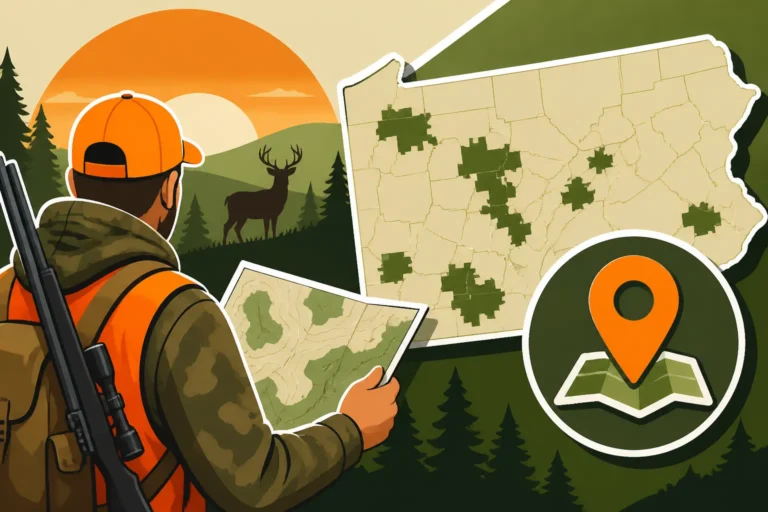
- Official PGC Resources: The Pennsylvania Game Commission offers detailed maps, both online and sometimes available for purchase in physical format. Their website is an invaluable resource for general boundaries and property lines. You can also explore the PGC's interactive mapping center, which provides a wealth of information including SGL boundaries, access roads, and even some habitat features. This is a crucial first step for Using the Pennsylvania Mapping Center.
- Digital Mapping Applications: This is where modern tools really shine. Applications like onX Hunt and GoHunt have revolutionized how hunters navigate public land. These apps layer property boundaries, topo maps, aerial imagery, and even historic fire data over your current GPS location. They can be incredibly useful for:
- Identifying SGL Boundaries: No more guessing whether that property line is twenty yards away or fifty. With these apps, you can see exactly where you stand in relation to public and private land.
- Scouting from Home: Before you ever step foot in the woods, you can digitally scout vast areas, identifying potential bedding areas, food sources, and travel corridors.
- Navigating In-Field: Real-time GPS tracking helps you stay oriented, mark waypoints for sign, or find your way back to your vehicle after a successful hunt.
- Understanding Terrain: The topographic layers help you visualize elevation changes, saddles, and benches, which are key for deer movement, especially when trying to understand Wind and Thermals on a Ridge.
Using a combination of official PGC maps and a reliable digital app is your best bet for making the most of the extensive SGL network.
Diversity of Hunting Opportunities
With such a vast and varied landscape, State Game Lands offer hunting opportunities for nearly every game species found in Pennsylvania. This diversity means you can tailor your hunt to specific species, preferred terrain, or even seasonal conditions.
Here’s a glimpse of what you can expect:
- Deer Hunting: From the thick, rugged mountains of the north-central region where big woods bucks roam, to the more open, agricultural edges of the southeast where larger-bodied deer thrive, SGLs are prime whitetail habitat. Whether you prefer still-hunting, setting up a treestand, or participating in a deer drive, you'll find suitable ground. Bowhunting Pennsylvania's October Archery Season is particularly popular on SGLs, as is Pennsylvania's Two-Week Firearms Deer Season.
- Bear Hunting: Many of the larger, more remote SGLs in the northern and central parts of the state are fantastic bear country. These areas provide the expansive cover and diverse food sources black bears need. Pennsylvania Black Bear Hunting is a thrilling pursuit, and SGLs offer some of the best chances.
- Turkey Hunting: Both spring gobbler and fall turkey seasons see significant activity on State Game Lands. The mix of mature timber for roosting and clear-cuts or openings for feeding makes for excellent turkey habitat. You'll often find yourself trying Run-and-Gun Turkey Tactics on Game Lands.
- Small Game and Waterfowl: Don't forget the smaller pursuits! Many SGLs include designated areas or specific habitats for rabbits, squirrels, grouse, and pheasants. Wooded SGLs are great for Squirrel Hunting Pennsylvania Hardwoods, and specific waterfowl management areas within SGLs offer fantastic opportunities for Duck Hunting Pennsylvania Rivers and geese.
The sheer scale of the State Game Lands means you're not limited to one type of hunting experience. You can choose your adventure based on the season, the species, and the specific landscape you want to explore.
Managing Hunting Pressure on State Game Lands
While the vast acreage of State Game Lands offers incredible opportunities, it's also true that these are public lands, and you will encounter other hunters, especially on opening days or in easily accessible areas. One common frustration hunters face is the perception of Opening Day Crowds on Pennsylvania Game Lands. However, the key to success and finding solitude often lies in strategy and effort.
Here are a few tips for managing hunting pressure:
- Walk Deeper: It's an old adage, but it holds true. Most hunters won't venture more than a mile or two from a parking area. If you're willing to put in the extra miles, you can often find untouched pockets of woods, even on heavily hunted SGLs. This is how you start Finding Ground Others Walk Past.
- Scout Remote Access Points: Don't just look at the main parking areas. Utilize digital maps to find obscure logging roads, old gas well access points, or even just spots where you can safely pull off a quiet back road.
- Hunt Mid-Week: If your schedule allows, hunting on a Tuesday or Wednesday instead of a Saturday can drastically reduce the number of other hunters you encounter.
- Target Overlooked Habitats: While everyone else is focused on the big oak ridges, consider hunting thick clear-cuts, laurel thickets, or steep, nasty hollows that others avoid. Deer often seek refuge in these less-desirable spots. Learning to read Hunting a Bench Above a Creek Bottom can reveal overlooked spots.
- Seasonal Adaptations: Pressure tends to be highest at the beginning of seasons. Later in the season, when many hunters have filled their tags or given up, you might find more solitude and deer that have settled into predictable patterns.
By understanding the scale and variety of Pennsylvania's State Game Lands, and applying smart strategies for scouting and navigation, you can unlock incredible hunting experiences on these publicly owned treasures.
| Aspect | Detail |
|---|---|
| Total Number of SGLs | Over 300 individual tracts |
| Total Acreage | Approximately 1.5 million acres (growing) |
| Funding Source | Primarily hunting & furtaker license sales (Game Fund) |
| Management Focus | Habitat diversity, sustainable timber, food plots, wetland restoration |
| Primary Beneficiary | Wildlife conservation and public hunting/recreation access |
| Key Usefulness for Hunters | Provides vast public access for deer, bear, turkey, small game, waterfowl |
Disclaimer
This article is for general informational purposes only and does not constitute professional advice. Laws, prices and regulations vary by location and change over time. Consult a qualified professional for guidance on your specific situation.