Allegheny National Forest Acreage
For anyone who’s ever felt squeezed for public hunting land in Pennsylvania, the sheer scale of the Allegheny National Forest can feel like a breath of fresh air. It’s a vast, sprawling expanse of timber and rugged terrain, a place where you can truly get lost in the wild, which is both its greatest allure and its biggest challenge. This guide will walk you through the immense acreage of the Allegheny National Forest, helping you understand its unique characteristics, what it offers hunters, and how to successfully navigate its extensive landscape.
Understanding the Scale of the Allegheny National Forest
When we talk about hunting in Pennsylvania, most folks immediately think of State Game Lands or State Forests. And while those are fantastic resources, the Allegheny National Forest (ANF) offers a different kind of experience altogether. It’s federally managed land, part of a much larger national system, and its sheer size often catches new hunters off guard. This isn't just another patch of woods; it's a significant chunk of wild Pennsylvania.
How Big is the ANF, Really?
The Allegheny National Forest covers roughly 517,000 acres across four counties in northwestern Pennsylvania: Elk, Forest, McKean, and Warren. To put that into perspective, that's over half a million acres of public hunting ground, a contiguous block of habitat unlike almost anything else in the state. Imagine driving for an hour or more and still being within its boundaries – that's the kind of scale we're talking about. This vastness means incredible opportunities for solitude, for long-range scouting, and for pursuing game in areas that see far less pressure than many of the smaller, more accessible State Game Lands. It truly is a big woods hunting experience, a place where deer and bear can mature and live relatively unmolested simply because there's so much ground to cover.
This immense acreage also means a tremendous diversity of cover and terrain. You'll find everything from dense young regeneration from past timber harvests to mature, towering hardwoods, deep hollows, and sweeping ridges. For a hunter, this translates into endless possibilities for finding overlooked pockets of game. However, it also demands a level of preparation and physical stamina that might be more than what's needed for smaller, more manicured public lands. Don't underestimate the challenge of traversing several miles of steep, broken terrain, especially when you're trying to drag a trophy out.
Public Access Versus Private Enclaves
While the half-million-plus acres sounds entirely public, it's important to understand that the ANF isn't one solid block of federal land. It's often described as a "checkerboard" pattern, especially on maps, where parcels of federal land are interspersed with tracts of private property. This can be a real headache for hunters who aren't paying close attention, as crossing an unmarked boundary onto private ground without permission is a serious mistake. This isn't like the more clearly defined State Game Lands, where boundaries are often well-marked by signs or painted blazes.
Navigating this mosaic of public and private ownership is where modern mapping tools become absolutely indispensable. Applications like onX Hunt or GoHunt are invaluable for identifying exactly where you stand and what land surrounds you. They use GPS and detailed property line overlays to show you the federal forest land, state game lands, and private holdings, often even identifying the property owner. Without such tools, you risk unknowingly trespassing or missing out on vast stretches of accessible public land. Always make sure to cross-reference with official ANF maps if you have any doubts, and never assume that an unposted piece of ground within the general ANF area is public.
Navigating the Expansive Landscape for Hunters
The sheer size of the Allegheny National Forest means that navigating it successfully requires a different mindset than hunting smaller, more fragmented pieces of public land. You can't just wander in and expect to stumble upon game; you need a strategy for covering ground, understanding the lay of the land, and knowing where to focus your efforts. It’s less about knowing where the deer are, and more about understanding how they use such a vast wilderness.
Topographical Features and Hunting Challenges
The ANF is classic Pennsylvania "big woods" terrain, characterized by steep, rugged hillsides, deep hollows, and extensive ridge systems. These topographical features dictate everything from animal movement patterns to your own hunting tactics. Bucks will often bed on benches just below the ridgetops or tucked away on remote side hills where they can watch their backtrail and smell anything approaching from below. Hunting Oak Ridges and Benches becomes a critical skill here. You'll spend a lot of time climbing, descending, and side-hilling, often over rocky ground littered with blowdowns and thick mountain laurel. This is not flat country, and your physical conditioning will be tested, especially if you plan to hunt deep within the forest.
Thermals play a huge role in this type of topography, often shifting dramatically as the day progresses. In the mornings, cold air will sink into the hollows, carrying your scent downhill. As the sun rises and warms the earth, the thermals reverse, pulling scent uphill. Understanding these subtle shifts is paramount, especially when still-hunting or setting up a stand. Neglecting thermals can quickly give your position away to a wary buck or bear. Beyond deer, this dense, mixed habitat also holds fantastic opportunities for Fall Turkey Hunting in Pennsylvania and even Grouse Hunting Pennsylvania Cover in the younger regeneration areas, requiring you to adapt your approach to their specific movements within this complex environment.
Waterways and Their Role in Access
The Allegheny River, one of Pennsylvania’s most significant waterways, flows through a portion of the ANF, as do numerous smaller creeks and streams. These waterways aren't just scenic; they often serve as crucial travel corridors for wildlife and, in some cases, offer unique access points for hunters. While the river itself might not be the primary focus for big game hunting within the deep woods, its tributaries and the bottoms they create can be excellent places to find deer sign, especially during dry spells when deer are seeking water. The Allegheny Reservoir, a massive impoundment, also borders and extends into parts of the forest, providing opportunities for Waterfowl Hunting on Pennsylvania Waters and accessing remote shoreline areas that are otherwise difficult to reach on foot.
However, relying on water for access means being prepared for changing conditions. Rivers and creeks can swell with rain, making crossings treacherous or even impossible. It’s also important to be aware of regulations regarding motorized boats and other vessels, as some areas might have restrictions. For those willing to use a canoe or kayak, you can often reach stretches of the ANF that foot hunters rarely visit, offering a unique opportunity to find less pressured game. But remember, anything you paddle in, you'll likely have to paddle out with, including a harvested animal, which adds another layer of logistical planning to your hunt.
Game Species and Habitat Across the ANF
The Allegheny National Forest is a powerhouse for big game in Pennsylvania, largely due to its immense size and relatively unbroken habitat. While deer are certainly present, the ANF is particularly renowned for its black bear population, often producing some of the largest bears in the state. But it's not just about the big boys; smaller game species thrive in its diverse ecosystems, offering a rich tapestry of hunting opportunities throughout the various seasons.
Deer and Bear Habitat in the Northern Tier
The ANF is prime country for both White-Tailed Deer Across Pennsylvania and Pennsylvania's Black Bear Population. For deer, the big woods often means lower deer densities compared to farm country, but the bucks that survive here tend to be older and larger, having grown up in a challenging environment. They are masters of evasion, utilizing the thick cover and rugged topography to their advantage. Look for areas with a mix of mature timber and younger regeneration, as these provide both food (acorns, browse) and security. Creek bottoms and benches just off the main ridges are classic spots for deer travel and bedding. The challenge here is finding those isolated pockets where a mature buck feels safe, far from human intrusion.
Black bears, on the other hand, absolutely thrive in the ANF. The dense mountain laurel thickets, vast stands of oak and beech for mast crops, and the general remoteness provide ideal bear habitat. Hunting bear in the ANF can be a formidable challenge, often involving long pushes through brutal cover or meticulous scouting for fresh sign like scat, rubs, and tracks around natural food sources. Hunting Pennsylvania Bear in the Big Woods is a quintessential ANF experience, demanding patience, endurance, and a deep understanding of bear behavior. During acorn years, bears will often concentrate in specific areas, and locating these food sources is key to success.
Small Game and Upland Opportunities
While big game might be the star, don't overlook the fantastic small game opportunities within the ANF's half-million acres. The varied forest structure, from mature timber to new growth, creates ideal conditions for several species. Ruffed Grouse, Pennsylvania's State Bird, still hold on in the ANF, particularly in areas of young forest or regenerating clearcuts where they can find dense cover and food sources. Hunting grouse here is a true test of stamina and shotgun skills, often involving busting through thick stuff and snapping quick shots at fast-flushing birds. For dedicated upland hunters, these vast tracts offer a chance to really stretch your legs and cover ground.
Squirrels are another abundant small game species, especially in the mature oak and hickory stands. Squirrel Hunting Pennsylvania Hardwoods can be a relaxing yet rewarding pursuit, particularly early in the season when the leaves are still on and the woods are quieter. Identifying active feeding areas by looking for cuttings under nut trees is key. Beyond these, you might also find opportunities for rabbits in some of the brushier areas, although they tend to be less widespread than in farm country. The ANF offers a full spectrum of hunting, catering to those who appreciate the solitude and challenge of a truly wild landscape for whatever game they pursue.
Tools and Tactics for Hunting Vast Public Land
Hunting a landscape as immense as the Allegheny National Forest is fundamentally different from hunting smaller, more familiar parcels. You can't just rely on local knowledge or a quick walk-through. It requires a strategic approach, blending modern technology with tried-and-true woodsmanship. The sheer acreage demands efficient scouting, precise navigation, and the right gear to ensure both safety and success.
Mapping and Navigation Essentials
When you're dealing with hundreds of thousands of acres, a paper map is a great starting point, but it's simply not enough. Digital mapping apps are an absolute game-changer. I personally rely heavily on platforms like onX Hunt or GoHunt, especially for public lands like the ANF. These apps allow you to:
- View Property Boundaries: As mentioned, the ANF has private inholdings. These apps clearly show federal land, state land, and private property lines, preventing accidental trespassing.
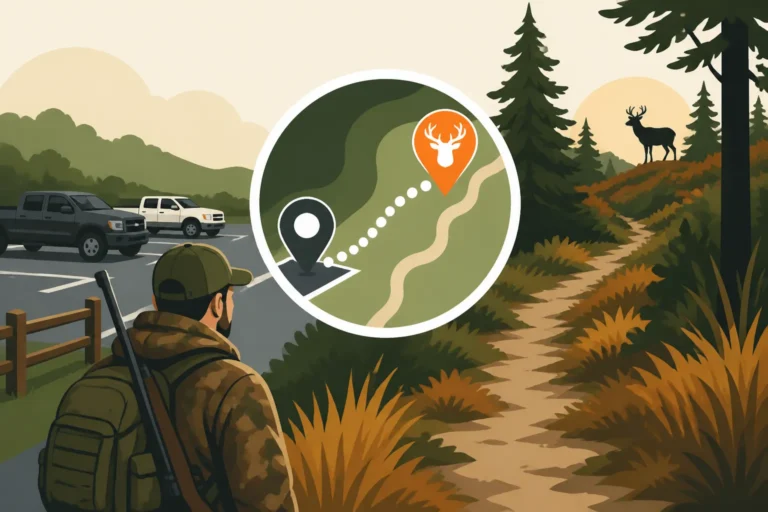
- Mark Waypoints: You can drop pins for potential stand locations, historical sign (rubs, scrapes, old beds), parking spots, and even game trails you discover. This is invaluable for building a mental map of your hunting area over time.
- Track Your Movement: Seeing your own track on the map helps you understand how far you've traveled, how much ground you've covered, and helps you navigate back to your vehicle, especially in low light or fog.
- Analyze Topography: Detailed topo maps and 3D views help you identify subtle terrain features like benches, saddles, and hollows that game animals frequently use for travel or bedding. Reading a Pennsylvania Hollow for Deer becomes much easier when you can visualize the contours before ever setting foot in it.
Always download offline maps before heading into the ANF, as cell service can be spotty to non-existent in many remote areas. A backup GPS unit is also a smart idea, as phone batteries can die quickly in cold weather or with heavy usage. Your ability to confidently navigate is directly tied to your safety and hunting effectiveness in such a vast wilderness.
Scouting Strategies for Large Tracts
Scouting the ANF needs to be efficient and focused. You can't cover all 517,000 acres, so you need a plan to narrow down your search. Start by studying aerial photos and topographic maps at home using your mapping apps. Look for:
- Funnels and Bottlenecks: Areas where topography or cover naturally constricts animal movement, like saddles between ridges, creek crossings, or narrow benches.
- Changes in Cover: Look for transitions from mature timber to dense regeneration (often a result of past logging), as these edge habitats are goldmines for deer and bear. Hunting Pennsylvania Clearcuts and Regrowth is a highly effective strategy here.
- Remote Areas: Identify sections that are furthest from roads or common access points. These areas often receive less hunting pressure and can hold older, warier animals. Finding Ground Others Walk Past is a key to success on public land.
- Food Sources: Locate major mast-producing trees like oaks and beech, which are critical for deer and especially bear in the fall.
When you hit the woods for physical scouting, focus on covering ground while looking for fresh sign. Don't be afraid to walk deep into the woods, especially away from established trails. Look for rub lines, scrape lines, fresh tracks, and bedding areas. Pay attention to how the wind and thermals interact with the terrain in these specific spots. Consider setting trail cameras on potential travel corridors or around food sources to gain intelligence without constant human presence. Remember, the ANF rewards those who put in the effort to understand its vastness and how game moves within it.
Regulations and Practical Considerations for ANF Hunters
Hunting in the Allegheny National Forest comes with its own set of rules and practicalities that differ slightly from Pennsylvania State Game Lands or private properties. Because it's federally managed, there can be nuances in regulations, and its sheer size presents unique challenges and opportunities that every hunter should be aware of before planning their trip.
Unique Rules for National Forest Land
While state hunting licenses and regulations largely apply, there are specific rules enforced by the U.S. Forest Service that hunters must adhere to within the ANF. For example, things like vehicle access, camping, and even the construction of permanent tree stands can vary. Generally, motor vehicles are restricted to designated roads, and cross-country travel by vehicle is strictly prohibited. This means you'll be doing a lot of walking, and understanding Vehicle Rules on Pennsylvania Game Lands and State Forests will give you a good baseline, but always check the specific ANF regulations before venturing out.
Camping within the ANF is usually permitted under dispersed camping rules, meaning you can typically set up camp almost anywhere unless otherwise posted, provided you follow Leave No Trace principles. This differs from some State Game Lands which might have specific designated camping areas or outright prohibitions. However, certain wilderness areas within the ANF, such as the Hickory Creek Wilderness, have their own, often stricter, rules regarding group size, fires, and camping permits. It's crucial to consult the official Allegheny National Forest website or visitor centers for the most up-to-date and specific regulations, especially regarding firearms discharge restrictions near developed areas or timber operations.
Camping and Lodging Options
Given the vastness of the ANF, many hunters choose to extend their trips, turning them into multi-day backcountry adventures. Dispersed camping offers the ultimate flexibility; you can pitch a tent almost anywhere you find a suitable spot, allowing you to camp deep in your hunting area and minimize travel time in the mornings and evenings. Just remember to pack out everything you pack in, and practice good bear country safety, securing food and scented items away from your tent.
For those who prefer a few more amenities, there are designated campgrounds within the ANF, offering varying levels of services from rustic sites to those with hookups. Additionally, small towns bordering the forest, such as Warren, Kane, Ridgway, and Marienville, offer motels, cabins, and other lodging options, providing a comfortable base camp for daily forays into the woods. Consider whether you want the rugged experience of Camping in a Pennsylvania State Forest or a cozy bed after a long day of hiking. The choice will often depend on your group size, the duration of your hunt, and your personal comfort level, but the ANF certainly offers options for every style of hunter looking to immerse themselves in this unique Pennsylvania landscape.
| Feature | Allegheny National Forest (ANF) | Pennsylvania State Game Lands (SGL) | Pennsylvania State Forests (SF) |
|---|---|---|---|
| Primary Management | Federal (U.S. Forest Service) | State (PA Game Commission) | State (PA DCNR Bureau of Forestry) |
| Typical Acreage | One large block (500k+ acres) with private inholdings | Varies widely (100s to 1000s of acres), often fragmented | Large, contiguous blocks (10,000s to 100,000s of acres) |
| Deer Density | Generally lower, but older bucks | Varies greatly by WMU, can be high in farm interface | Generally lower, similar to ANF |
| Bear Population | Excellent, often higher density and larger bears | Good in many areas, but ANF is a stronghold | Excellent, prime big woods bear habitat |
| Topography | Very rugged, steep, deep hollows | Varies from flat to mountainous | Rugged to mountainous |
| Vehicle Access | Restricted to designated roads, no cross-country | Restricted to designated roads, some gated routes | Restricted to designated roads, some seasonal closures |
| Camping | Dispersed (primitive) generally allowed; designated CGs | Generally restricted to designated sites or prohibited | Dispersed (primitive) generally allowed; designated CGs |
| Antler Restrictions | Follows statewide and WMU specific rules | Follows WMU specific rules | Follows WMU specific rules |
| Mapping Needs | Critical for private inholdings and navigation | Helpful for boundaries and features | Very helpful for navigation and road closures |
Disclaimer
This article is for general informational purposes only and does not constitute professional advice. Laws, prices and regulations vary by location and change over time. Consult a qualified professional for guidance on your specific situation.