Brush Pants for Pennsylvania Briars
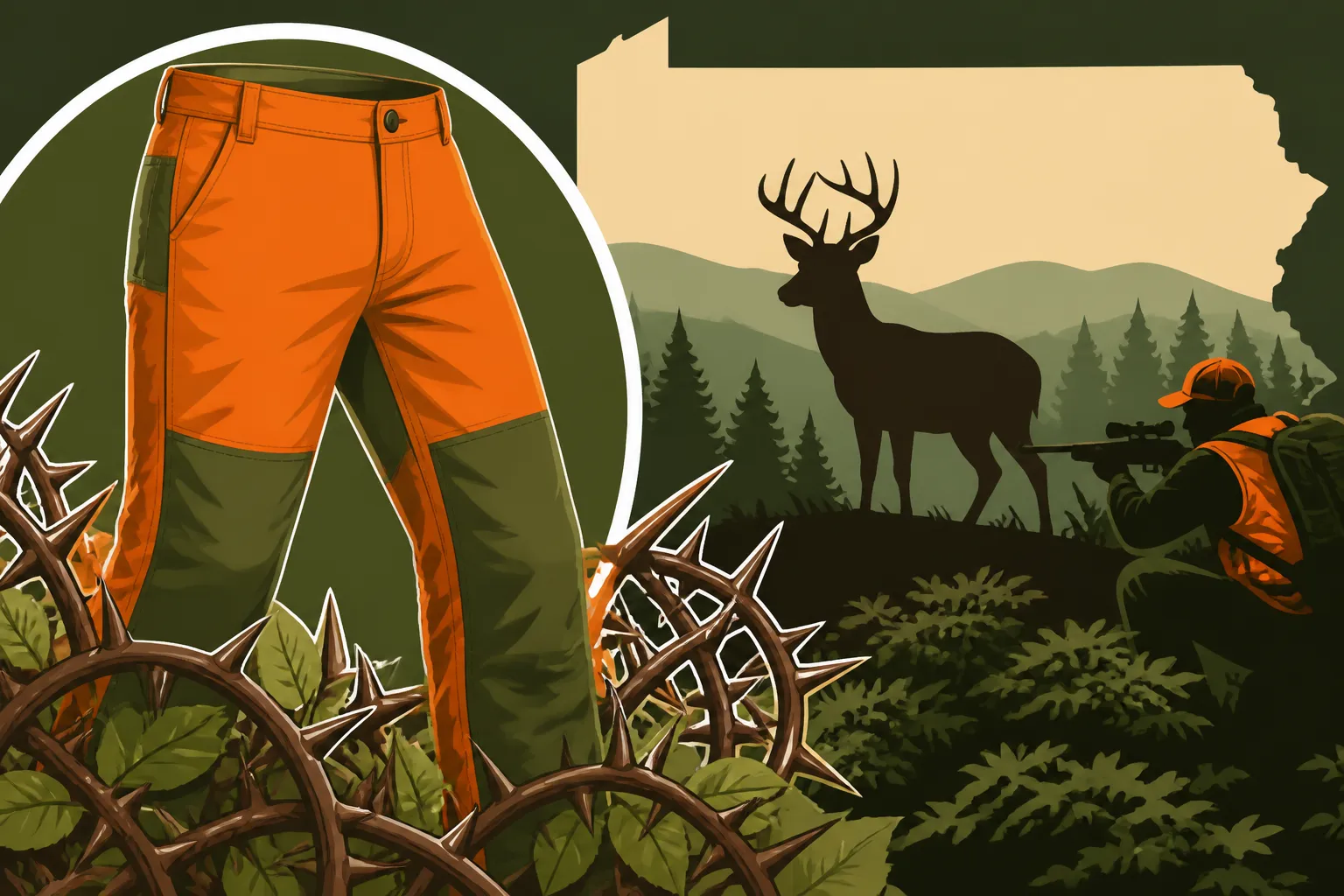
If you've spent any time hunting in Pennsylvania, you know our woods aren't always the serene, open timber often depicted in magazines. More often than not, you're pushing through dense rhododendron hells, tangled briar patches, or aggressive multiflora rose that seems purpose-built to rip your favorite hunting pants to shreds. This guide is all about finding the right brush pants to protect you from those notorious thorns and keep you comfortable and focused on the hunt, not on repairing torn fabric or pulling prickers from your legs.
Why Traditional Pants Just Don't Cut It in Pennsylvania Briars
Let's be honest, we've all tried it. You figure your durable work pants or a pair of heavy-duty jeans will be enough for a day in the Pennsylvania woods. And for a leisurely walk on a logging road, they might be. But the moment you venture off the beaten path, into a thick clearcut chasing grouse or still-hunting through a dense laurel patch for a buck, you quickly realize your mistake.
The Problem with Everyday Materials
Most standard hunting pants, even those marketed as "rugged," are designed for general wear, not for sustained abuse from nature's sharpest defenses. Materials like standard cotton, polyester blends, or even some softer nylons just can't stand up to the constant snagging and tearing. A typical pair of canvas pants might resist a single thorn, but push through a hundred yards of thorny locust saplings, and you'll emerge with a collection of tears, snags, and potentially even a few punctures. It's not just about the tears, either; repeatedly pulling thorns out of your clothing is a distraction, and every little snag adds up, compromising the integrity of the fabric over time. You might even find yourself constantly adjusting, trying to avoid the inevitable, which takes your mind off the deer sign or that faint gobble.
Pennsylvania's Unique Vegetative Challenges
Our state is famous for its diverse, and often very aggressive, undergrowth. It's not just the scattered blackberry bushes you find in some regions. Here in Pennsylvania, we contend with some truly formidable flora. Think about the thickets of multiflora rose that seem to dominate old farm fields and forest edges, or the dense, almost impenetrable rhododendron and mountain laurel slicks that choke the steepest mountainsides. These aren't just uncomfortable; they can actively hinder your movement, make noise, and even cause minor injuries. When you're trying to slip quietly through a deer bedding area or break up a Fall Turkey Hunting in Pennsylvania flock, the last thing you need is your pants getting hung up, making noise, or leaving you with scratched legs. The terrain itself often dictates the type of cover, from the low, dense growth of clearcuts where Hunting Pennsylvania Clearcuts and Regrowth is prime, to the thorny edges of farm country where deer love to hide.
Key Features to Look for in Effective Brush Pants
When you're trying to find pants that can actually stand up to Pennsylvania's briar patches, you need to think beyond just "thick fabric." It's a combination of material science, intelligent design, and proper construction that makes a pair of brush pants truly effective. You want something that acts as a shield, letting you push through without a second thought.
Durable Fabric and Overlays
The absolute cornerstone of any good pair of brush pants is the fabric itself. You need something that boasts serious abrasion and puncture resistance. Many manufacturers achieve this by using high-denier nylon, like Cordura, often in specific high-wear areas. These aren't your typical hiking pant materials; they are woven to withstand extreme abuse.
Consider pants that feature durable overlays, particularly on the front of the legs from the thigh down to the ankle. These overlays are often a second, even tougher layer of material, sometimes waterproof or water-resistant, specifically designed to take the brunt of thorns, sticker bushes, and wet brush. Some even incorporate a waxed cotton or heavy canvas blend, which, while sometimes heavier, offers incredible protection and can be re-waxed over time to maintain water resistance. The key is that these areas are reinforced where you're most likely to encounter direct contact with brush while Still-Hunting Pennsylvania Big Woods or Rabbit Hunting Thick Brush and Briars.
| Material Type | Briar Resistance | Weight | Water Resistance | Noise Level | Key Benefit |
|---|---|---|---|---|---|
| High-Denier Nylon | Excellent | Moderate | Good (often DWR) | Low to Moderate | Tough, relatively lightweight, quick-dry |
| Waxed Cotton/Canvas | Excellent | Heavy | Excellent | Moderate | Extremely durable, naturally quiet |
| Polyester Blend | Good | Light | Varies (often DWR) | Low | Versatile, lighter, less bulky |
| Blended Cordura | Superior | Moderate | Excellent | Low to Moderate | Best abrasion resistance, long-lasting |
Construction and Stitching
Even the toughest fabric won't last if the construction isn't up to par. Look for double or triple stitching on all seams, especially in areas that will experience high stress, like the crotch, knees, and around pockets. Bar-tacking at stress points, like the corners of pockets or belt loops, is another indicator of quality.
Pay attention to how the overlays are attached. Are they simply sewn on the surface, or are they integrated into the seam? Integrated designs tend to be more durable and less likely to snag or peel away over time. Reinforced knees are a must, whether you're kneeling to glass a field edge or setting up a ground blind. Some pants even offer articulated knees, which means the fabric is shaped to better accommodate bending, preventing binding and making movement more comfortable over long days. Good construction means the pants will hold together, even after season after season of pushing through nasty cover.
Fit, Comfort, and Mobility
While durability is key, comfort and mobility can't be sacrificed. You're going to be walking miles, climbing hills, and sitting for long periods. Pants that are too stiff or too tight will quickly become a nuisance. Look for a fit that allows for a full range of motion without excessive bagging that can snag on brush. Many modern brush pants incorporate some stretch into the fabric, especially in less critical areas, to improve comfort and reduce restriction.
Breathability is another important factor, especially during earlier seasons or on warmer days. Some brush pants include zippered vents on the thighs to help regulate temperature, which can be a game-changer when you're working hard. Pockets are also critical; look for ample, well-placed pockets that are secure, perhaps with zippers or flaps, to keep your calls, knife, and other small essentials easily accessible. When you're scouting new areas, mapping out routes with tools like GoHunt, or simply covering ground, comfortable, functional pants make a huge difference in your endurance and enjoyment.
Different Types of Brush Pants for Pennsylvania Terrain
Just like you wouldn't use a waterfowl load for squirrel hunting, there isn't a single "best" type of brush pant for every situation in Pennsylvania. The ideal choice often depends on the specific game you're after, the time of year, and the kind of cover you expect to encounter. Understanding the nuances of different styles will help you make a more informed decision.
Full-Coverage vs. Panel-Reinforced Pants
Full-Coverage Brush Pants: These are the tanks of the brush pant world. They feature heavy-duty, briar-resistant fabric across the entire front of the leg, sometimes even wrapping around to the back of the calf. Think of these as your ultimate armor against the nastiest thickets. They're typically made from thick Cordura, heavy waxed canvas, or a similar robust material that can deflect almost anything.
- Pros: Maximum protection against thorns, excellent abrasion resistance, often very water-resistant. If you're Grouse Hunting Pennsylvania Cover that looks like a war zone or busting through impenetrable multiflora rose for pheasants, these are your best friend. They truly let you just walk through the brush without worrying.
- Cons: Can be heavier, less breathable, and potentially stiffer than other options. This can impact mobility and comfort on warmer days or during long, strenuous hikes up steep terrain, particularly if you're out hunting Pennsylvania mountains for deer.
- Best Use: Ideal for dense, thorny small game cover (pheasant, rabbit, grouse), late-season deer hunting in thick bedding areas, or pushing through aggressive invasive species.
Panel-Reinforced (Overlay) Pants: These pants offer a more balanced approach. They start with a durable base fabric, often a tough nylon or polyester blend, and then strategically place heavier, briar-proof panels or overlays on the front of the legs. These panels usually run from the mid-thigh down to the ankle, covering the areas most exposed to brush.
- Pros: Offer excellent protection where it's most needed, while the rest of the pant remains lighter and more flexible. This combination improves breathability and mobility compared to full-coverage options. Many feature DWR (Durable Water Repellent) finishes on the non-reinforced sections, keeping them reasonably dry.
- Cons: Protection is limited to the reinforced panels, so a stray thorn hitting an unprotected area could still cause issues. While generally better, they might not be as bomb-proof as full-coverage options in truly extreme briar patches.
- Best Use: A great all-around choice for deer hunting in diverse Pennsylvania terrain, turkey hunting, or small game hunting where you encounter a mix of open woods and thick cover. Hunting Pennsylvania's October Archery Season often involves varied conditions where these shine.
Insulated vs. Uninsulated Options
The season you're hunting in Pennsylvania dramatically impacts whether you need insulation in your brush pants.
Uninsulated Brush Pants: These are your workhorses for early and mid-season hunting. They provide the necessary briar protection without adding unnecessary warmth. They are designed to be layered over or under other clothing depending on the temperature.
- Pros: Versatile for layering, excellent for warmer early-season hunts (like When Pennsylvania's Archery Season Opens), high breathability if designed well. They are often lighter and quicker drying.
- Cons: Offer no thermal warmth on their own. You'll need to wear base layers underneath for cold weather.
- Best Use: Archery season, early rifle season, spring gobbler hunting, or any hunt where temperatures are moderate or you plan to be highly active.
Insulated Brush Pants: As the mercury drops and Pennsylvania winter truly sets in, insulated brush pants become invaluable. They combine the briar protection with a layer of synthetic insulation or fleece lining to keep you warm.
- Pros: Provide critical warmth for Cold Weather Sitting Strategy or still-hunting in deep winter. Reduce the need for bulky layering underneath, making movement easier.
- Cons: Can be very warm, potentially too warm for strenuous activity or milder late-season days. Typically heavier and bulkier.
- Best Use: Late-season muzzleloader or archery hunts, deer drives in bitter cold, or any activity where you'll be exposed to harsh winter conditions for extended periods, especially when Hunting Deer in Deep Pennsylvania Snow.
Choosing the Right Brush Pants for Your Pennsylvania Hunt
So, you've got a handle on the different types and features. Now, how do you narrow it down to the pair that's perfect for your specific hunting adventures in the Keystone State? It's all about matching the gear to the gig.
Considering Your Primary Game and Terrain
The type of hunting you do most often will heavily influence your choice.
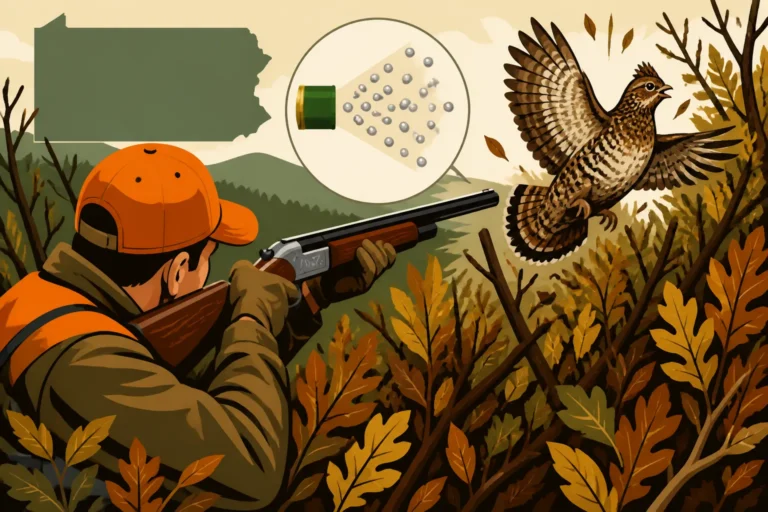
- Small Game (Pheasants, Rabbits, Grouse): If you spend your days busting through dense cover after birds and bunnies, you're looking for maximum briar protection. Full-coverage or heavily panel-reinforced pants made with the toughest Cordura or waxed canvas are ideal. You'll be crashing through some truly nasty stuff, often in areas like old logging clearcuts or overgrown field edges. Look for pants that are almost impenetrable on the front. Hunting Stocked Pheasants in Pennsylvania or Rabbit Hunting With Beagles in Pennsylvania are prime examples where this level of protection is a game-changer.
- Deer Hunting (Archery, Rifle, Flintlock): For deer, the needs are more varied.
- Archery (Early-Mid Season): You'll want durable, uninsulated panel-reinforced pants. Stealth is key, so look for quiet fabrics that won't rustle as you move. Breathability is also important since early archery can often be quite warm. Bowhunting Pennsylvania's October Archery Season often means moving through thick timber and brush.
- Rifle Season (November): As it gets colder, you might want slightly heavier or insulated panel-reinforced pants. You'll still be moving, but also potentially sitting on stand for longer periods. Again, quietness is a factor, especially if you're still-hunting or doing Deer Drives With Three or Four Hunters.
- Flintlock/Late Archery (December-January): This is where insulated, heavily reinforced pants truly shine. Cold is a major factor, and you'll often be pushing through deep snow and dense, dormant briars. Warmth and protection from the elements are paramount. Flintlock Hunting in Pennsylvania Snow demands robust, warm gear.
- Turkey Hunting (Spring/Fall): For spring gobblers, you need quiet, uninsulated, durable pants. You'll be doing a lot of sitting on the ground, so knee reinforcement is a huge plus. Fall turkey hunting can involve more aggressive movement through thick cover to break up flocks, so good briar protection is still important, especially for those unexpected pushes.
Durability vs. Weight and Breathability
This is often the core trade-off when choosing brush pants.
- Maximum Durability: If your priority is pants that will last for years and withstand the most abusive briar patches without a single tear, you'll likely lean towards the heaviest, most heavily reinforced options. These often come with a trade-off in weight and breathability, making them best suited for colder weather or less strenuous hunts. However, the confidence you get from knowing you can push through anything without worry is invaluable.
- Balanced Approach: Most hunters will find a sweet spot with high-quality, panel-reinforced pants. These offer excellent briar protection on the key impact zones while keeping the overall weight and breathability manageable. They're versatile enough for most Pennsylvania hunting scenarios, from Hunting a Bench Above a Creek Bottom to traversing a mixed timber stand.
- Lightweight and Breathable: If you primarily hunt more open woods and only occasionally encounter light brush, or if you need pants specifically for very warm early-season hunts, you might opt for lighter, more breathable pants with minimal reinforcement. Just be aware of their limitations when you inevitably stumble into a heavy briar patch.
Budget Considerations and Longevity
Brush pants can range from moderately priced to a significant investment, much like any other piece of specialized hunting gear.
- Shape of Cost: You'll find options at various price points. Generally, the more advanced materials (like proprietary ultra-high-denier nylons) and intricate construction (like fully integrated chap systems or waterproof membranes) will place pants at the higher end of the spectrum. More basic models with simpler fabric overlays will be more accessible.
- Investment Over Time: Think of brush pants as an investment. A cheaper pair might seem appealing initially, but if they rip after a season or two, you'll end up buying another pair, costing you more in the long run. A well-made pair of brush pants, while a larger upfront cost, can easily last five, ten, or even more seasons, making them a much better value.
- Reputation and Reviews: Don't hesitate to research brands known for their durability in tough outdoor conditions. Check reviews from other hunters, especially those who hunt in similar rugged environments. Many hunters rely on resources that aggregate gear information, such as what you might find by browsing specific product categories or forums that appear in search results when using tools like GoHunt to prepare for hunting season. A little research goes a long way in ensuring your hard-earned money is well spent on gear that won't let you down when you're deep in the Allegheny National Forest Hunting or chasing a buck through a local game land.
Ultimately, the best brush pants for you are the ones that offer the right balance of protection, comfort, and durability for the specific challenges of your Pennsylvania hunting grounds. Investing in a good pair means fewer worries, more comfortable hunting, and more seasons of pushing through those infamous briars without a second thought.
Disclaimer
This article is for general informational purposes only and does not constitute professional advice. Laws, prices and regulations vary by location and change over time. Consult a qualified professional for guidance on your specific situation.